Skip to content

The Global Health Impact of Foodborne Illnesses
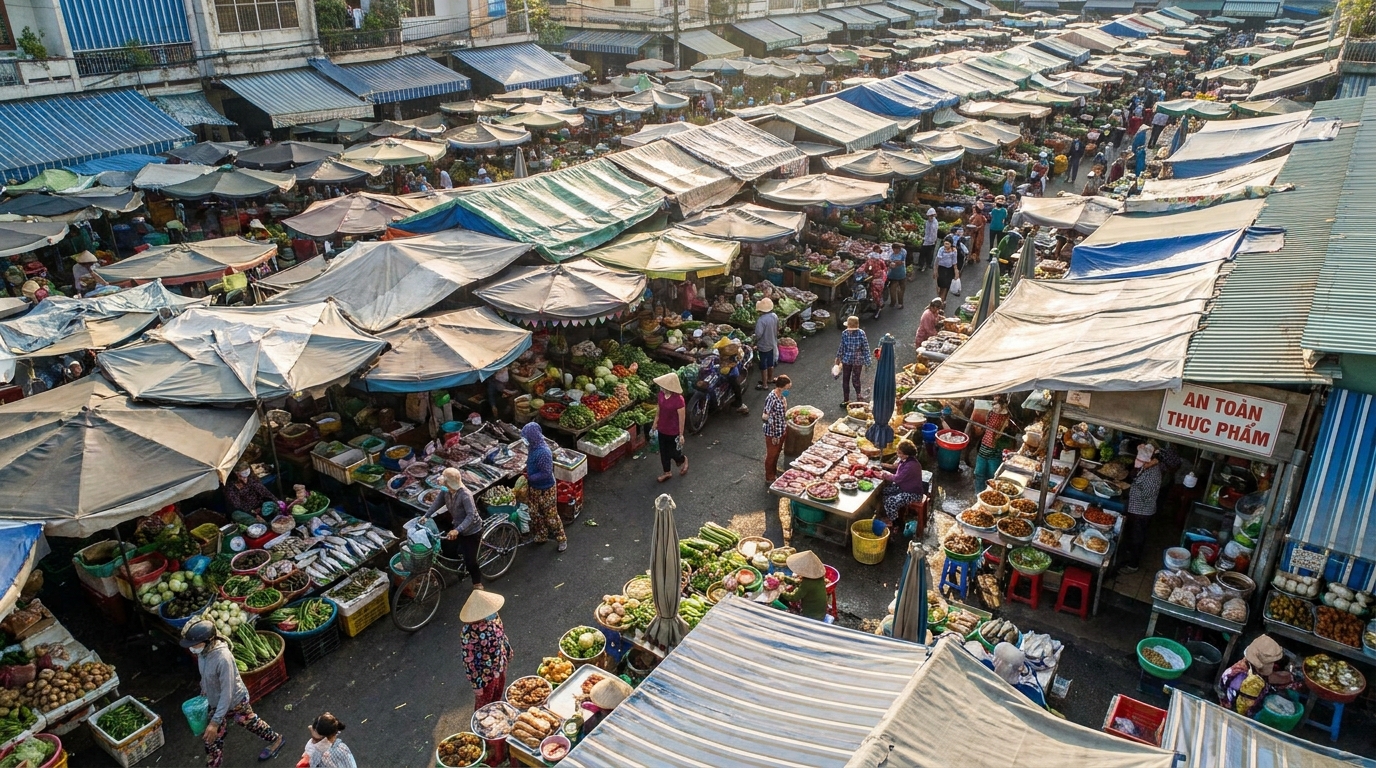
Daily food consumption exposes the global population to major health risks due to the potential presence of bacteria, viruses, parasites, or toxic chemicals. The latest estimates published by the World Health Organization (WHO) put the number of foodborne illnesses contracted each year worldwide at 866 million.

These various forms of contamination result in the deaths of more than 1.5 million people annually. This phenomenon constitutes a global public health challenge, continuously affecting populations, with particularly severe consequences for the youngest age groups.

Uneven geographic distribution and massive economic costs
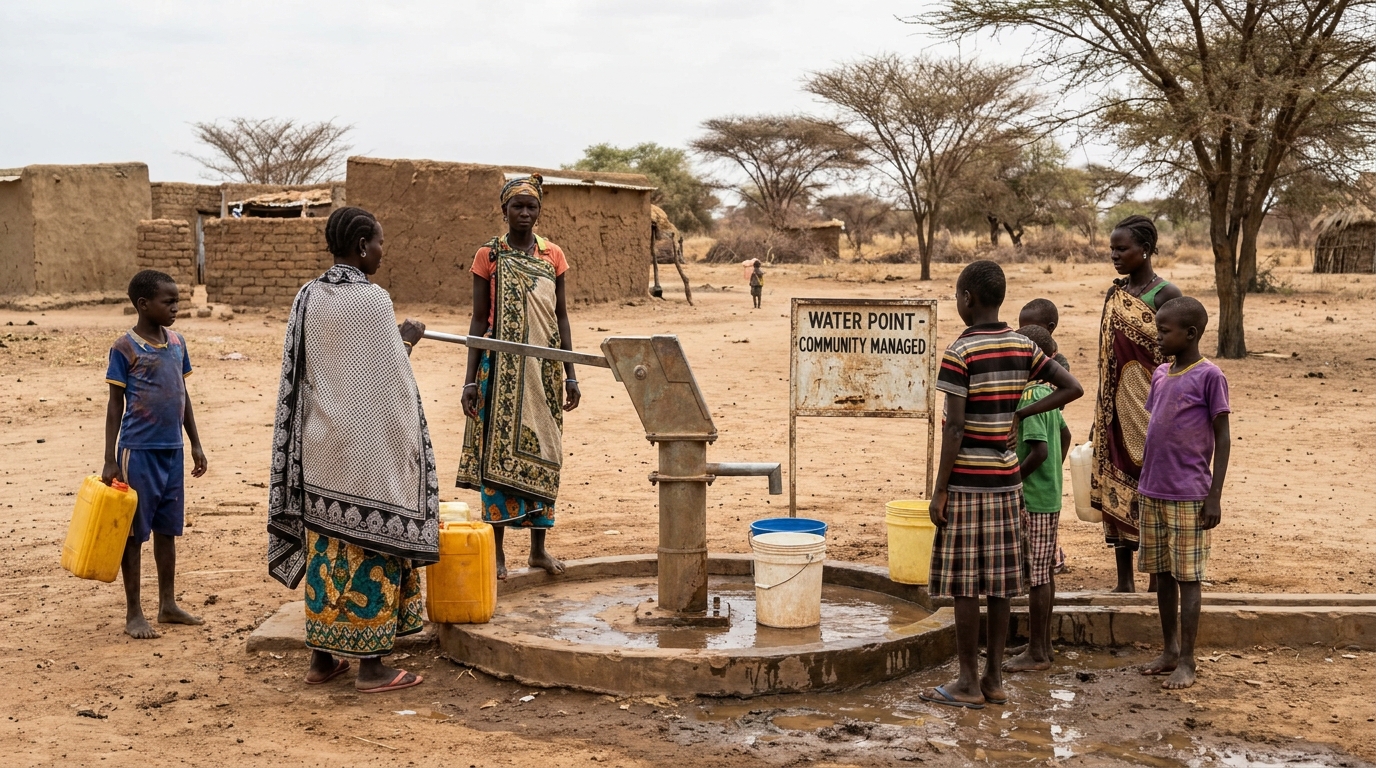
The repercussions of foodborne illnesses extend far beyond the temporary digestive disorders with which the general public most often associates them. Epidemiological data documented by WHO experts indicate that approximately one in nine people falls ill within a year of ingesting a contaminated product.

The distribution of this health burden is particularly uneven across the globe. Africa and Southeast Asia currently account for the majority of these infections, a situation directly linked to limited access to safe drinking water, inadequate sanitation infrastructure, and limited healthcare facilities.

The consequences of this health crisis also extend to the macroeconomic sphere. Annual financial losses are estimated at several hundred billion dollars, a figure that encompasses colossal medical expenses, a decline in overall labor productivity, and the direct impact of premature deaths on national economies.

The Biological Vulnerability of Children Under Five

A demographic analysis of WHO data highlights a particularly concerning reality regarding the distribution of victims. Although children under the age of five represent only a small portion of the world’s population, they account for nearly one-third of all illnesses linked to the consumption of contaminated food.

In 2021, health statistics reveal that approximately 143,000 children in this age group died as a result of illnesses caused by such food. When asked, “Why are young children more vulnerable?” the medical community explains that their immune systems are still immature and that they become dehydrated more quickly in the event of a severe gastrointestinal infection.

The clinical course is often fulminant. A young child’s exposure to bacteria present in water or food frequently triggers severe diarrhea, leading to significant dehydration. In the absence of adequate medical care, the progression to a fatal outcome occurs much more rapidly than in an adult patient.

The higher fatality rate associated with chemical contaminants compared to microbes

The nature of food hazards reflects a significant epidemiological shift. While bacteria and viruses remain the infectious agents responsible for the majority of disease cases, chemical contaminants are now implicated in nearly three-quarters of deaths attributed to contaminated food.

Among the most concerning substances targeted by health surveillance are, first and foremost, lead and inorganic arsenic. Prolonged exposure to these heavy metals contributes to the development of cardiovascular diseases, cancers, and neurodevelopmental disorders in children. Once introduced into the environment and the food chain, these contaminants prove particularly difficult to eliminate, making large-scale prevention a complex challenge.

Experts fear that this trend will worsen in the coming years due to external factors. Climate change, through rising temperatures and shifting precipitation patterns, promotes the proliferation of certain pathogens. At the same time, certain forms of industrial pollution contribute to the introduction of more toxic substances into soil, water, and food, threatening even countries that already have well-developed public health systems.

Prevention Strategies and Identification of Risk Factors

Despite the scale of contamination, a large proportion of these diseases remains preventable through a set of structural measures. Access to high-quality drinking water, adherence to food hygiene regulations, the pasteurization of certain products, and improved monitoring of contaminants are essential measures that public authorities can implement to reduce the risk.

Given this reality, identifying the threats is paramount. When asked, “Which foods pose the greatest risk of contamination?” experts clearly identify raw or undercooked foods, poorly washed fruits and vegetables, unpasteurized dairy products, and certain contaminated water sources as the main vectors of infection.

On an individual level, the answer to the question “How can we reduce the risk of food poisoning?” lies in simple yet crucial steps for millions of families. It is consistently recommended to follow hygiene guidelines, cook high-risk foods thoroughly, store products in the refrigerator to maintain the cold chain, and wash hands regularly before preparing meals.

Source: passeportsante.net

Foodborne Illnesses: 866 million cases per year and a major impact on children

This content was created with the help of AI.

facebook icon twitter icon linkedin icon
Copied!

Commentaires

0 0 votes
Article Rating
Subscribe
Notify of
guest
0 Comments
Newest
Oldest Most Voted
Inline Feedbacks
View all comments
More Content