

Food Inflation: A Daily Challenge

There’s no point beating around the bush: the cost of living is weighing heavily on households. The average price of eggs has reached a decade-high, while “shrinkflation” is quietly reducing the quantity of our favorite packaged products. Even budget-friendly fast-food menus have lost their financial appeal. No matter what’s in your weekly shopping cart, soaring food prices are felt every time you check out.
Those whose budgets allow for no flexibility are forced to rethink their shopping strategies. For some, this means cutting back on ready-made meals; for others, it means turning to more basic staples like canned beans. We all need to adapt our eating habits. However, the goal isn’t necessarily to sacrifice culinary pleasure for the sake of saving money.
Bouillon concentrate instead of liquid bouillon cubes

Broth in cartons is an ingredient found in almost every kitchen, but its actual usefulness is worth questioning. For one thing, these cartons take up a considerable amount of space in cupboards. For another, recipes often call for less than the entire contents of a carton. The rest inevitably ends up in the refrigerator, where it’s often forgotten until it’s no longer safe to eat.
A more economical and versatile alternative is to opt for concentrated bouillon paste, such as those from the Better Than Bouillon brand or its equivalents. Culinary experts highly recommend this format because you only need to dissolve one teaspoon of paste to make one cup of broth—at a fraction of the price of a ready-to-use liquid version. This method allows you to prepare the exact amount needed without waste, and the compact jar keeps for several months in the refrigerator without spoiling.
Powdered milk to avoid wasting fresh milk

Some people start their day with a large glass of milk, which justifies regularly buying bottles or cartons. However, for those who use it more sparingly, buying a liter of fresh milk every week isn’t the most cost-effective choice. Fresh milk spoils quickly, which is like throwing money away if the container isn’t finished in time. Powdered milk, then, is the ideal solution for having dairy products on hand without worrying about impending expiration dates.
This logic also applies to plant-based alternatives. It’s recommended to buy coconut milk powder rather than canned coconut milk. This avoids the classic scenario of a half-empty can that eventually goes bad at the back of the fridge, ensuring optimal long-term storage.
V8-style vegetable juice instead of tomato sauce
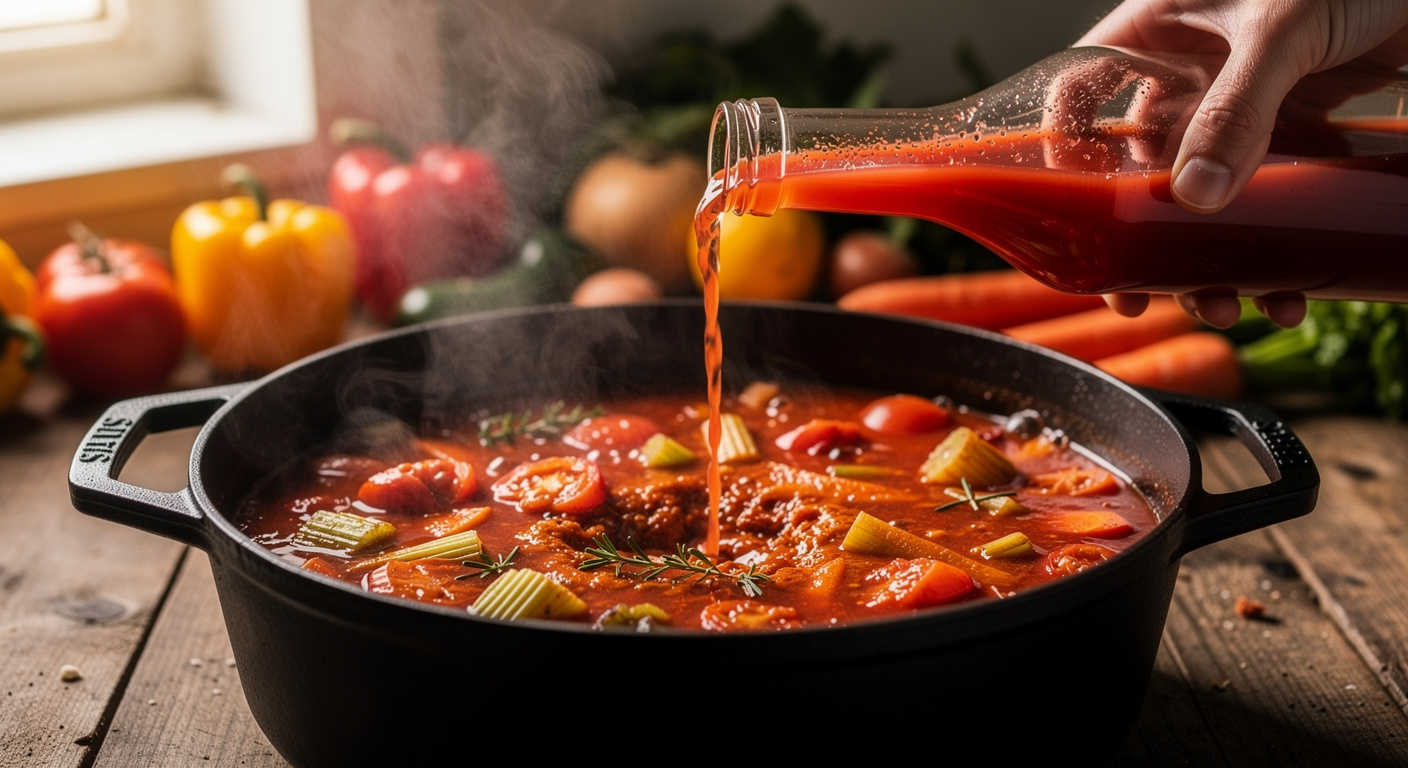
Rob Seixas, senior culinary director, swears by an unconventional but highly effective ingredient swap. He says he uses V8-style vegetable juices instead of canned tomatoes when making soups and stews. According to him, the product’s shelf life once opened is a major advantage over traditional canned goods, which oxidize quickly.
Beyond its extended shelf life in the refrigerator, this type of juice offers added nutritional value. It contains nutrients from a variety of vegetables not found in a simple can of tomato sauce. It’s a clever way to enhance the nutritional profile of a slow-cooked dish without any extra effort.
From an economic standpoint, the results are just as surprising. On average, the cost per fluid ounce (about 30 ml) of a V8-style vegetable juice is lower than that of canned tomatoes. It’s therefore a tip that combines health, convenience, and substantial savings.
Frozen Fruit for Flavor and Budget

It’s common knowledge that frozen fruit is generally more affordable than its fresh counterpart, but its advantages go beyond price. One of the major benefits is time savings: this fruit is usually sold pre-cut. Achieving this level of preparation with fresh fruit from the produce section typically comes at a high cost, in the form of a “convenience” surcharge.
The superiority of frozen fruit is also evident in terms of flavor and nutrition—a fact often overlooked by consumers. Unlike fresh fruit, which sometimes ripens while in transit, fruit intended for freezing is harvested at peak ripeness, just before being subjected to sub-zero temperatures.
This process of harvesting at the optimal time ensures not only the best possible flavor but also the highest concentration of nutrients. By buying frozen fruit, you’re therefore consuming a product preserved at the peak of its quality, regardless of the season.
Raw oats rather than processed granola

Although starting the day with a bowl of granola is a pleasure shared by many, it’s important to recognize that the granola industry operates with substantial profit margins. If you analyze the contents of a package, you’ll find a few nuts, dried fruit, or chocolate chips, but the base is still mostly oats. Halle Burns, an editor specializing in emerging platforms, strongly recommends buying raw oats.
Plain yogurt as a substitute for sour cream

Sour cream is often considered a staple in the refrigerated section. Its rich, milky tang makes it an essential topping for chili, a key ingredient in cake recipes, and chefs’ secret weapon for creamy scrambled eggs. However, from a cost-saving and grocery-optimization perspective, yogurt stands out as the superior ingredient.
For resourceful consumers, Halle Burns, a contributor and cookbook author, offers an extra tip. When you’re nearing the bottom of your yogurt container, add some milk. The remaining active cultures will do the work needed to transform the milk and create a new batch of yogurt, allowing you to keep using the product over and over again.
A Thoughtful Approach to Consumption
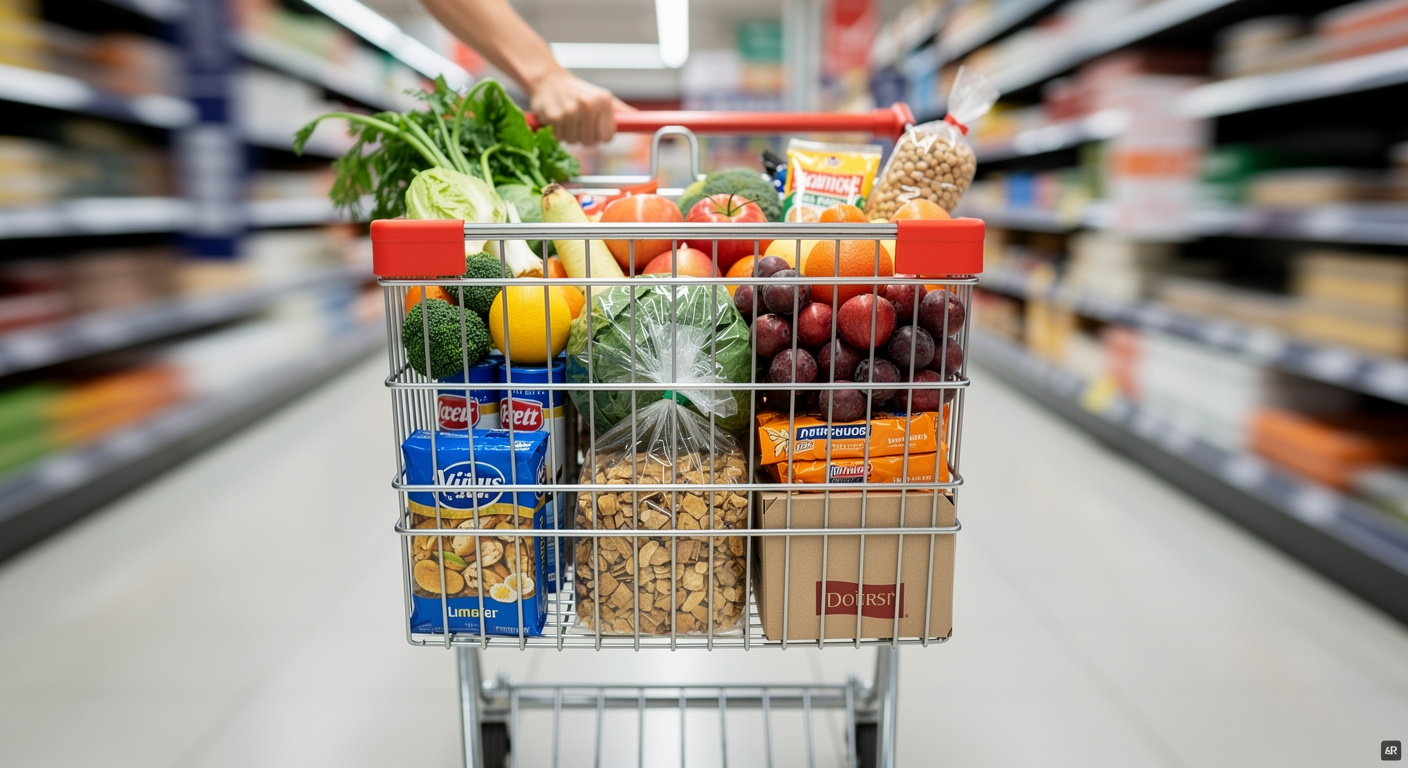
In an economic climate where every penny counts, rethinking how you fill your shopping cart is no longer an option but a necessity for many. The examples cited show that it isn’t always necessary to compromise on the quality of your meals to stay within your budget. On the contrary, some substitutions offer better nutritional value or greater culinary flexibility.
Source: delish.com
Created by humans, powered by AI.
6 Smart Substitutions at the Supermarket That Are Sure to Save You Money


