

Predators Older Than Trees
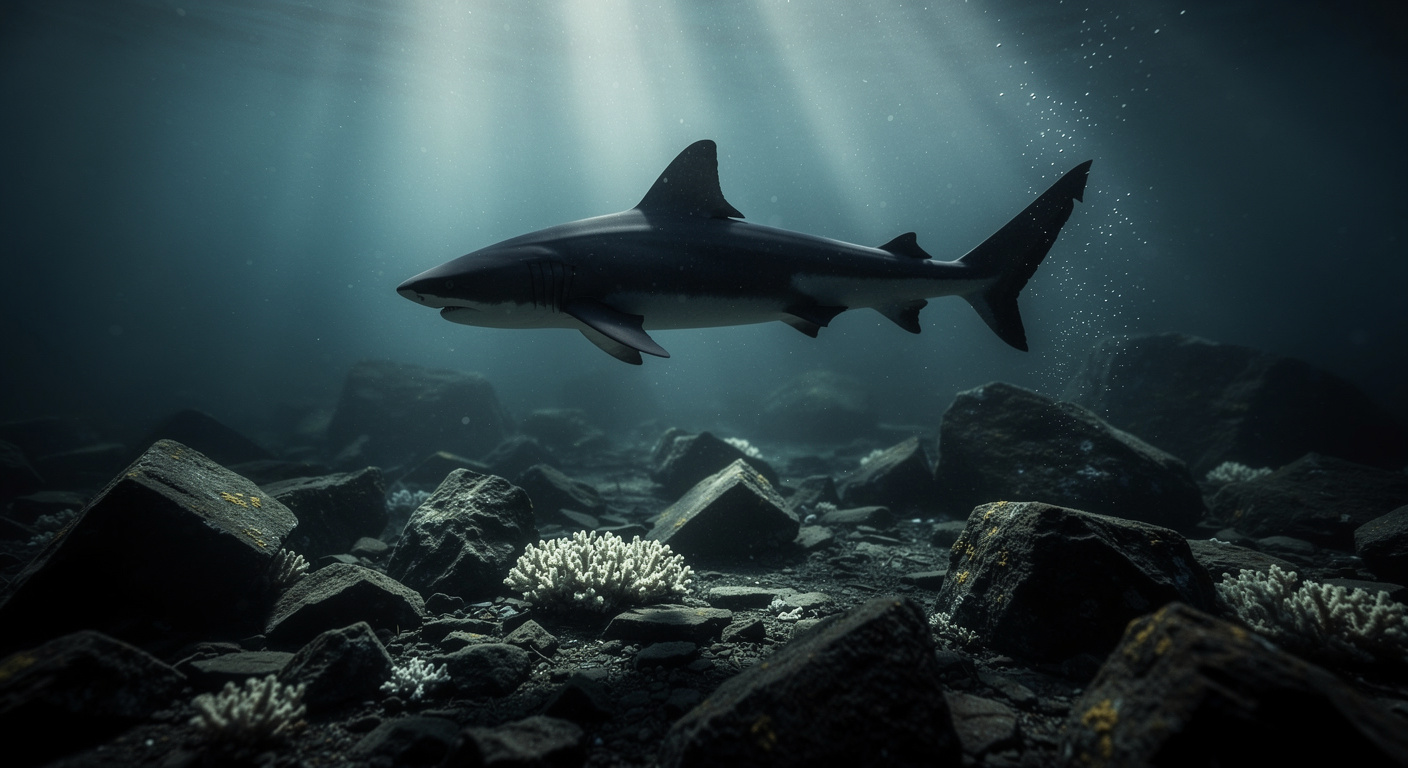
The creatures we call sharks have roamed Earth’s waters for hundreds of millions of years. First appearing about 450 million years ago, these shark-like fish have been on our planet longer than trees. They have weathered the great geological eras to establish a lasting presence in the planet’s oceans.
These predators at the top of the food chain have become undisputed cultural superstars. This status has been largely forged through must-see television events like “Shark Week” and through “Jaws,” Hollywood’s very first major summer blockbuster. An iconic species like the great white shark is, without a shadow of a doubt, recognized as a shark by the general public.
A New Interpretation of Marine Phylogenetic Trees
Published on the bioRxiv preprint server, this research is based on a meticulous analysis of 38 previously published shark genomes. Chase Brownstein, an evolutionary biologist at Yale University and co-author of the study, teamed up with researcher Thomas Near to conduct this investigation. Their results indicate that rays and skates—often grouped under the term “batoids”—are actually more closely related to sharks than are some species historically classified as squalids.
The Great Taxonomic Debate: Clades and Lineages
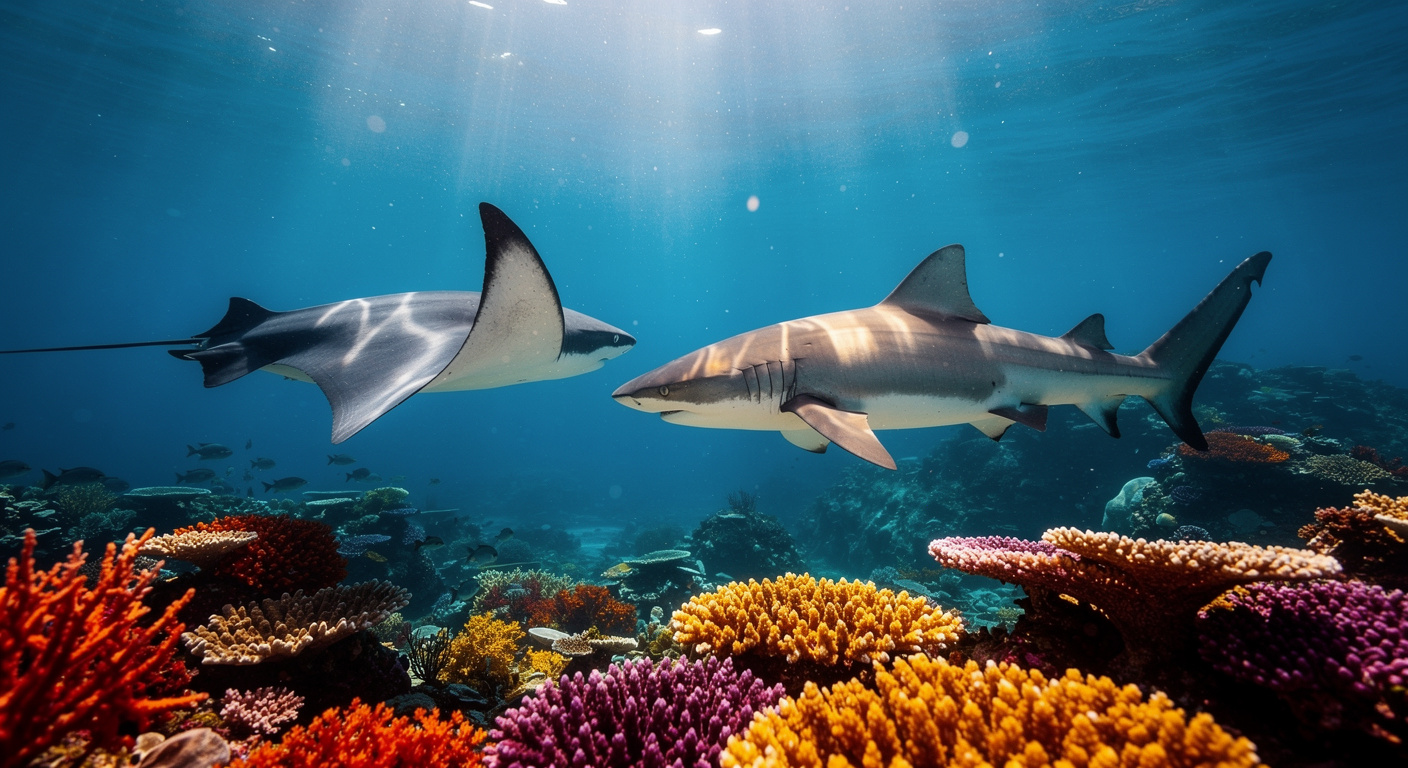
The central question of this scientific debate lies in the very nature of the group comprising sharks. Experts must determine whether this group is monophyletic or paraphyletic. In the strict terminology of taxonomy, a monophyletic group—also known as a clade—includes an ancestor and all of its descendants.
Conversely, a paraphyletic group does include a common ancestor, but only a portion of its descendants. The analysis conducted by Chase Brownstein and Thomas Near confirms the existence of the major lineages of sharks, rays, and chimaeras as they are currently defined. The overarching clade we commonly refer to as “sharks” is paraphyletic, precisely because hexanchiform sharks are evolutionarily distinct from monophyletic sharks.
These findings are changing our understanding of the original anatomy of these fish. “This result implies that rays and skates are just another type of shark, and that the shark body plan appeared first,” said Chase Brownstein in an interview with the scientific journal Nature.
Primitive Anatomy and Evolutionary Timeline
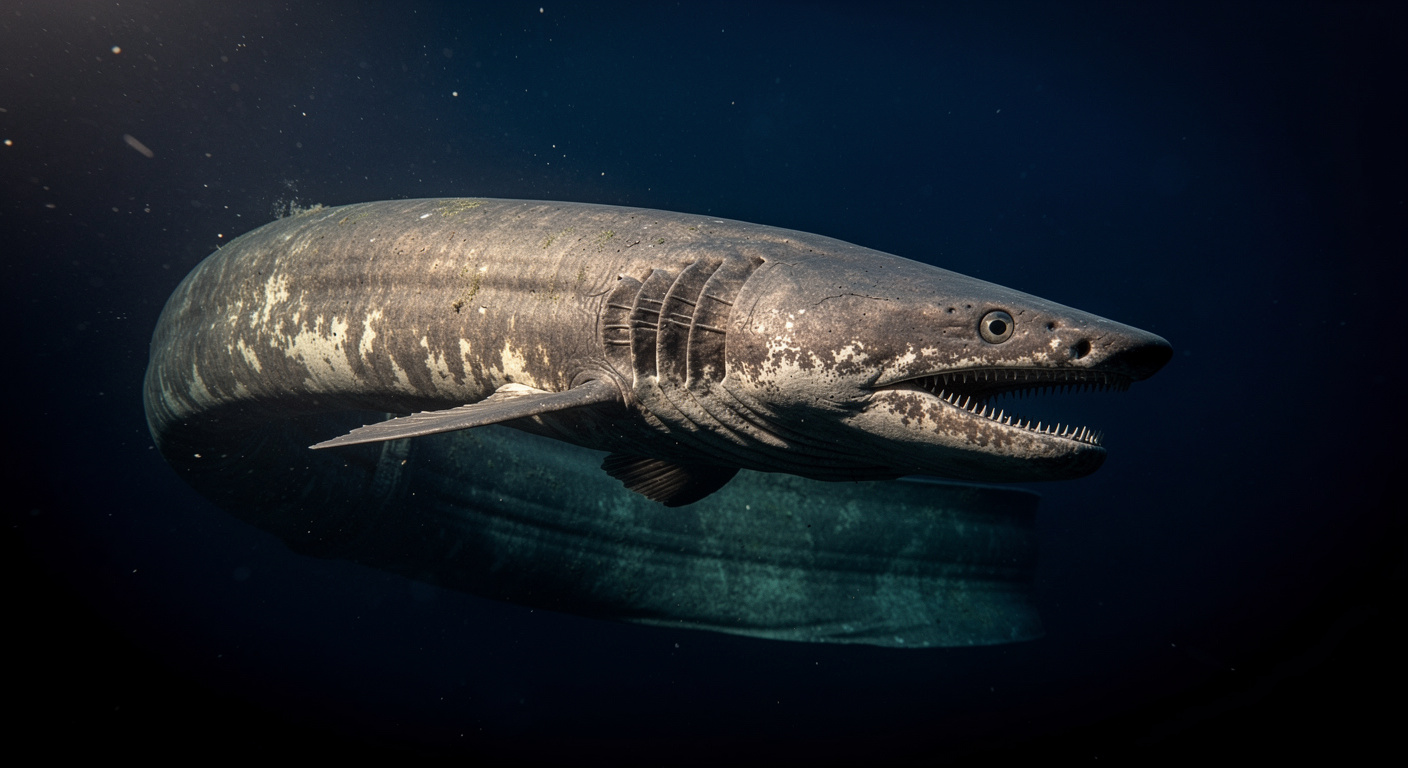
These anatomical peculiarities open up new perspectives on the history of their aquatic evolution. The split between modern sharks and hexanchiforms is thought to represent the most profound divergence within the superorder Squalomorphi. The two researchers’ detailed analysis provides unprecedented chronological precision regarding this ancestral split.
Genetic data confirm that the diversification of the vast majority of sharks occurred during the Jurassic geological period. The subsequent diversification of skates and ray-finned fish took place much later, spanning the Cretaceous–Paleogene period.
Threats to an Inestimable Genetic Heritage

In-depth DNA analysis now provides researchers with a powerful tool for redefining the complex genealogy of marine species. The co-authors highlight this transformative potential of genetic analysis in their publication. “Genomes have the ability to radically alter assumptions about relationships between species,” wrote the study’s authors.
This conceptual redefinition is accompanied by a major ecological urgency related to the survival of these primordial predators. “By clarifying the areas where phylogenetic uncertainty remains in the relationships within one of the two major divisions of jawed vertebrates in the crown group, we shed light on the surprisingly ancient evolutionary history of certain chondrichthyans that are now threatened with extinction due to the current anthropogenic biodiversity crisis,” the scientists continue.
This new evidence is transforming our overall understanding of these kings of the oceans. With all of this in mind, the upcoming documentaries airing during “Shark Week” will take a much more exciting turn for all observers of the marine world.
Source: popularmechanics.com
A groundbreaking genetic analysis is turning everything scientists thought they knew about sharks on its head


