

An Unexpected Visitor in the Middle of Winter
This passerine is a protected bird. Once very common in fallow fields, it tends to be much more elusive in meticulously manicured green spaces. Its arrival stands in stark contrast to the gloom of the season and sparks questions in the observer, who often doesn’t know what this visitor has to say.
Between Legends, Symbols, and Spiritual Comfort
Articles in the media outlet Positivr describe the goldfinch as a true messenger of freedom, joy, and lightheartedness. The bird’s distinctive features—such as its undulating flight, its vibrant plumage that stands out against the gray skies, and its fluid song—evoke the idea of living in the present moment rather than letting stress overwhelm you. In this symbolic interpretation, seeing one land near your home is an invitation to let go of the pressure, rediscover a sense of carefreeness, and express your creativity more fully.
The same source describes the bird as a powerful symbol of good luck and prosperity. Its bright colors directly evoke vital energy and abundance. A Christian legend also circulates about it: the little bird is said to have tried to remove a thorn from Christ’s crown during the Passion. This act of compassion is said to explain the red spot on its head.
Some people see it as a sign of spiritual protection. It is even sometimes regarded as a “messenger from the afterlife” whose role is to comfort people after a bereavement. This interpretation takes on a special significance when it appears in the midst of the off-season.
A Reflection of a Lively and Welcoming Space
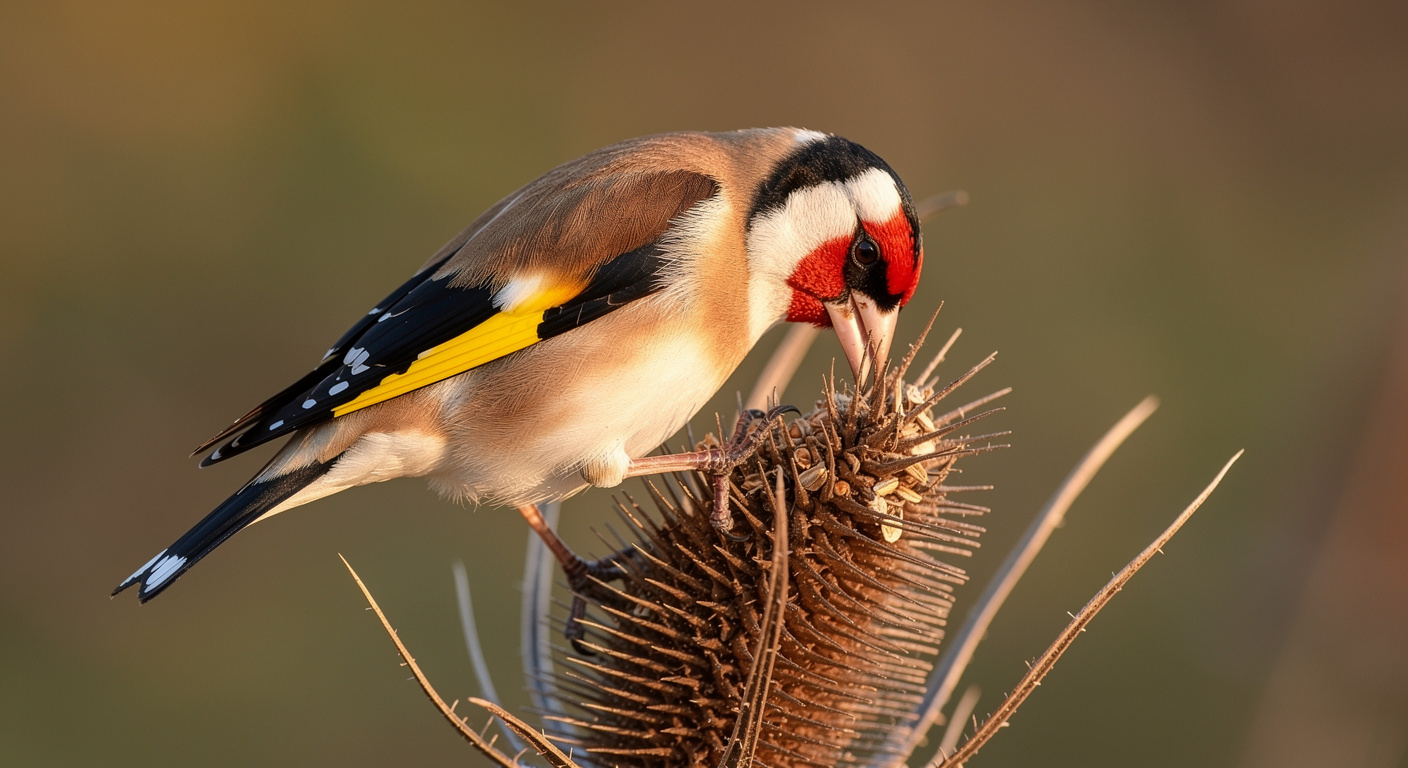
Photographer Marc Bérat has observed this change in the environment and explained it in an article for Actu.fr: “Wastelands—and consequently, teasels—are becoming scarce. You have to fight for your food.” Spotting this colorful passerine near your home often indicates that areas that are less mowed and more natural have been preserved.
The League for the Protection of Birds (LPO) provides an important botanical clarification regarding the wild teasel. It points out that: “Despite their resemblance, teasels are not related to thistles.” These plants develop large, dry flower heads that serve as veritable pantries for these birds as the cold weather approaches.
First key plant: Verbena bonariensis
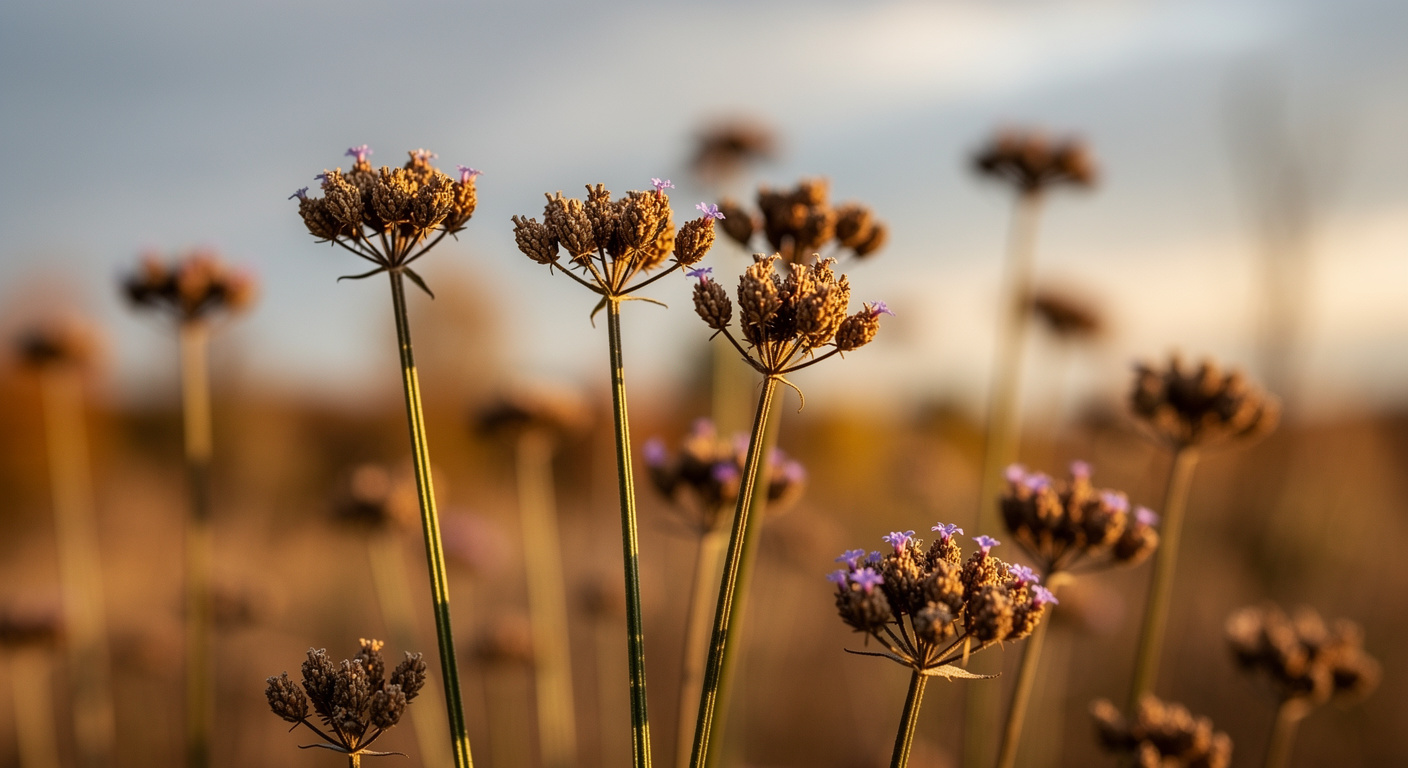
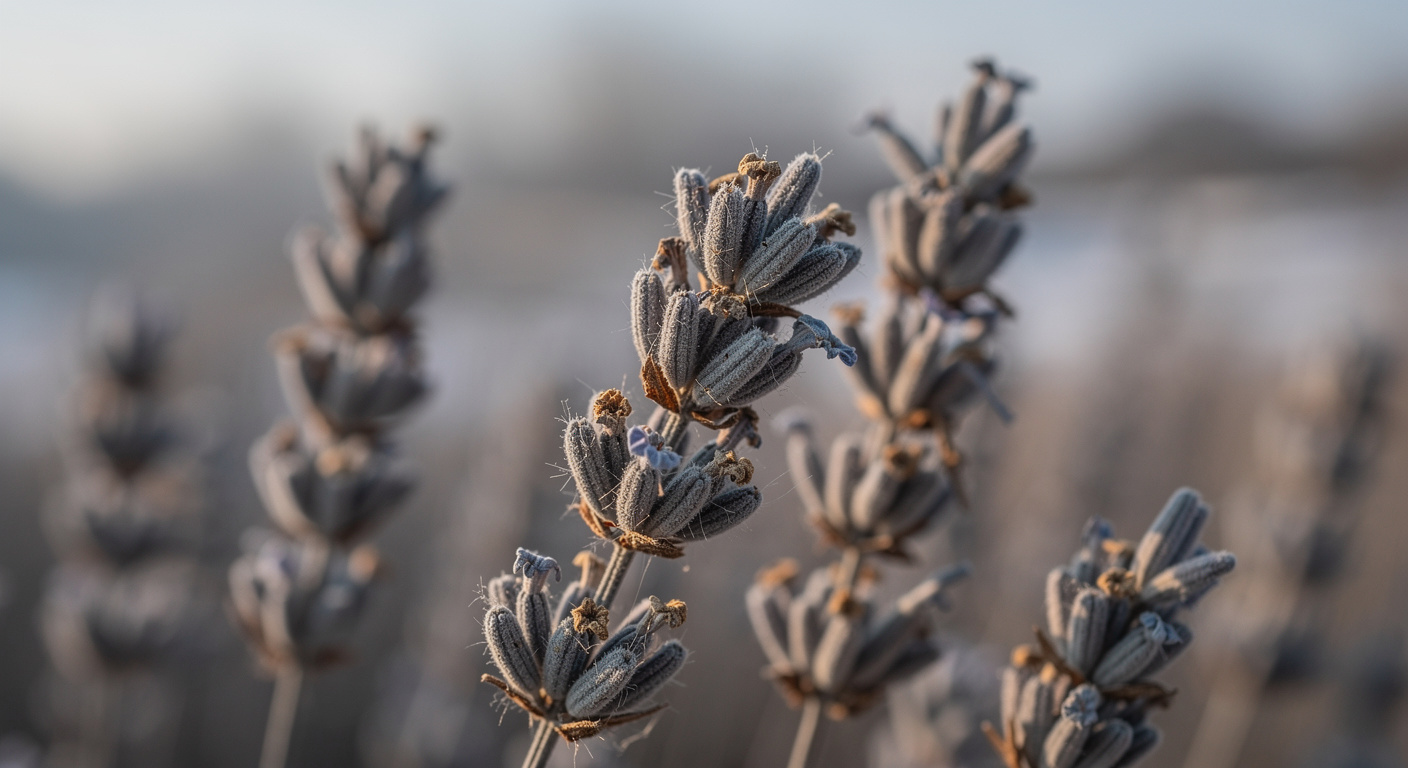
Observer Nic Wilson, who writes for BBC Gardeners’ World Magazine, points out that the spectacle these birds provide is well worth seeing: “If you have seed heads in your flower beds, you may have the chance to admire the goldfinch’s spectacular red neck and the white markings on its head. In my garden, they feast on the seeds of Verbena bonariensis, Russian sage, and lavender.”
Second key plant: lavender
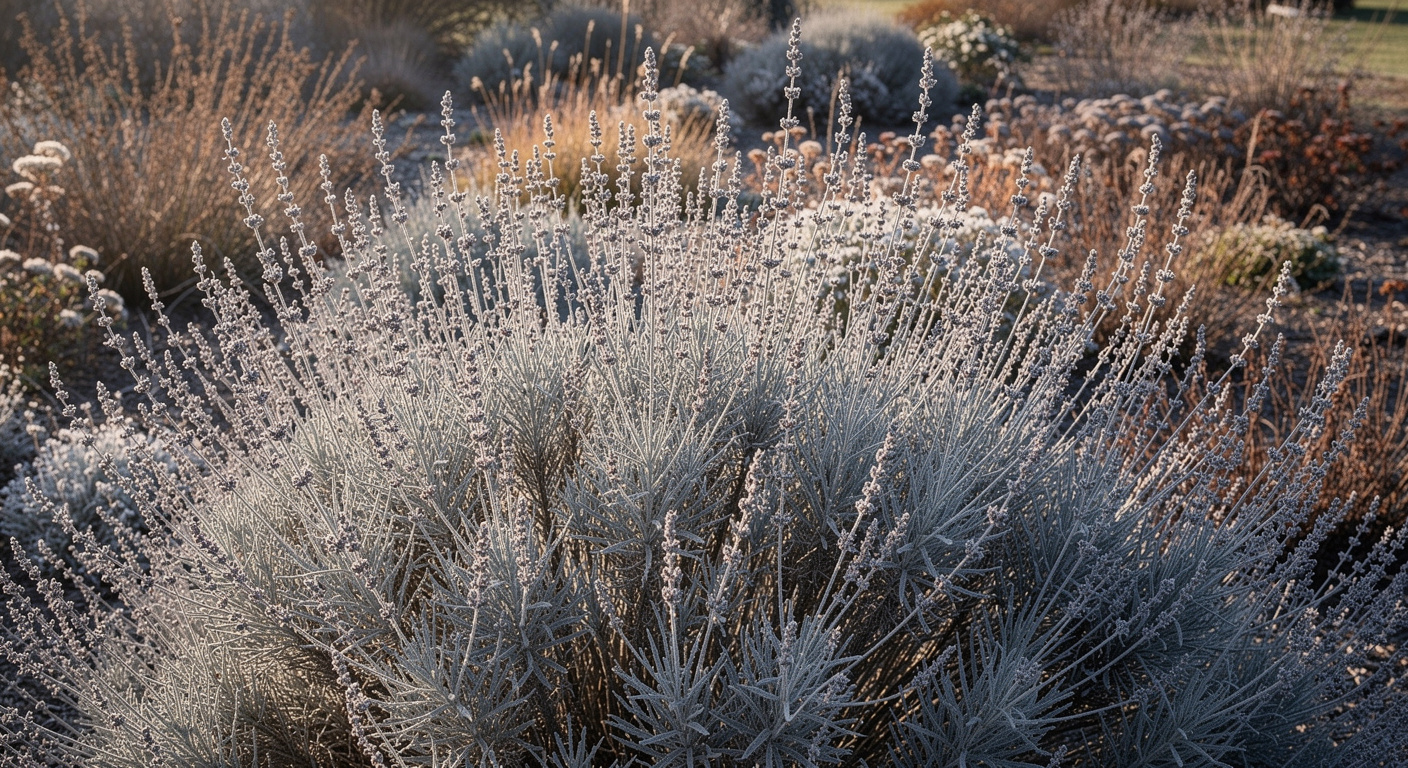
Third key plant: Russian sage
Additional Steps to Attract and Retain These Birds
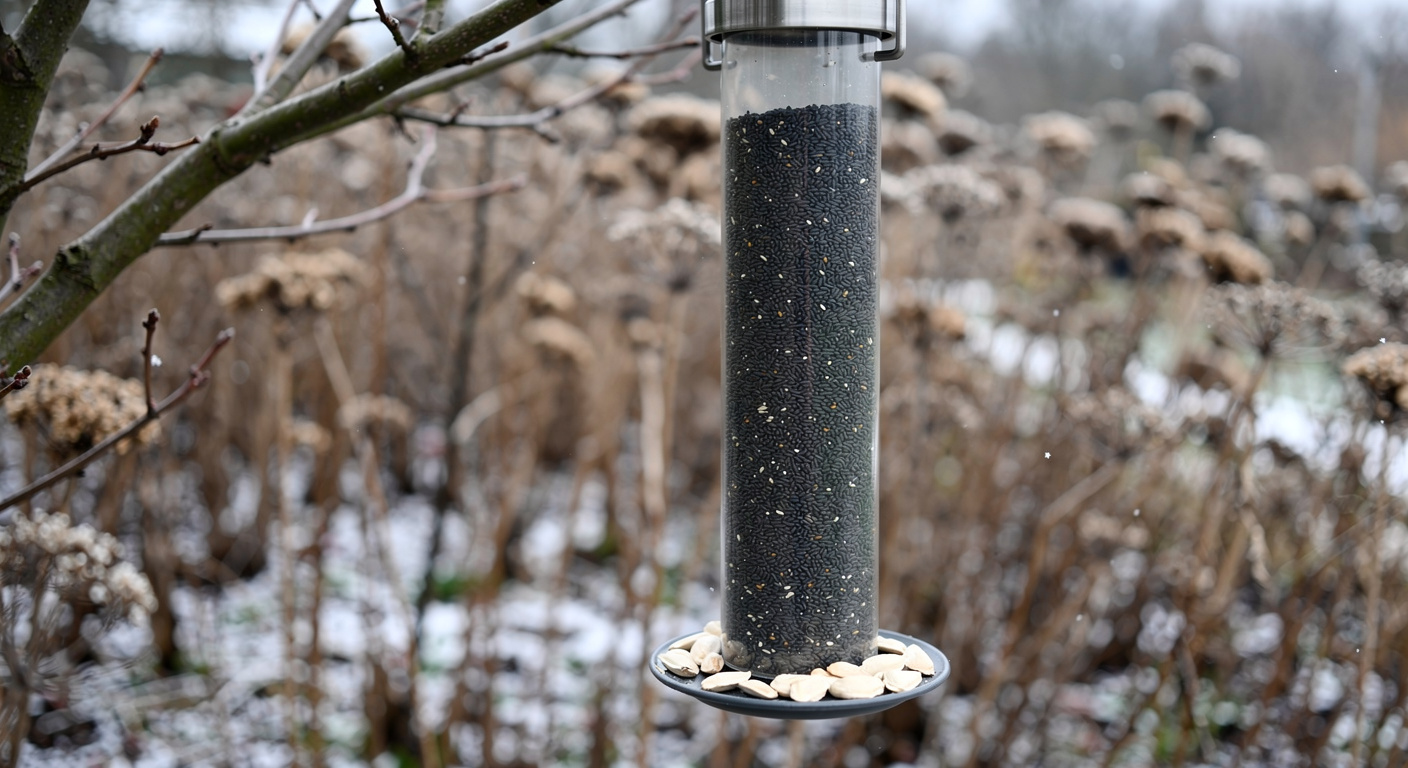
By supplementing these perennials with a few teasels—which are deliberately allowed to grow tall and dry out—the garden transforms into a veritable “bird paradise.” The European goldfinch finds both food and elevated vantage points there. A targeted supply of seeds further enhances the garden’s appeal.
Expert Tom Ferris, quoted by Express.co.uk, emphasizes the importance of a suitable diet: “Goldfinches love nyjer seeds and sunflower hearts, which provide them with the high-fat energy they need in colder conditions.”
To complete this setup, install a feeder specifically for niger seeds in a quiet spot. It’s important to leave dry stems in place throughout the winter and avoid using chemical pesticides. These steps turn the goldfinch’s arrival into a double sign: it becomes a good-luck charm for many, and above all, clear proof that your garden has been transformed into a welcoming refuge for wildlife.
Source: monjardinmamaison.maison-travaux.fr
Attracting the European Goldfinch: These Miracle Plants Will Transform Your Garden into a Haven This Spring


