Skip to content

A Heartfelt Plea from a Hospital Bed

This is an urgent plea for help issued from a hospital bed. Bijou Phillips, the 45-year-old actress, took to social media to share a heartfelt appeal: she is actively seeking a living kidney donor. Currently on dialysis, she is facing a critical medical situation that requires immediate action to ensure her survival.

In her message, she highlights her many roles within her family and among her loved ones to raise public awareness of her cause. She stated: “I am asking as a friend, a sister, an aunt, and, above all, as a single mother to an incredible and courageous daughter.” This reference directly addresses her 11-year-old daughter, whose future depends on her mother’s health.

This public appeal underscores the severity of her current condition. The actress hopes her voice will reach far enough to find a compatible donor willing to make this vital organ donation—a gesture that represents her only hope of escaping dialysis and returning to a normal life with her child.

A difficult medical history and a failed first transplant

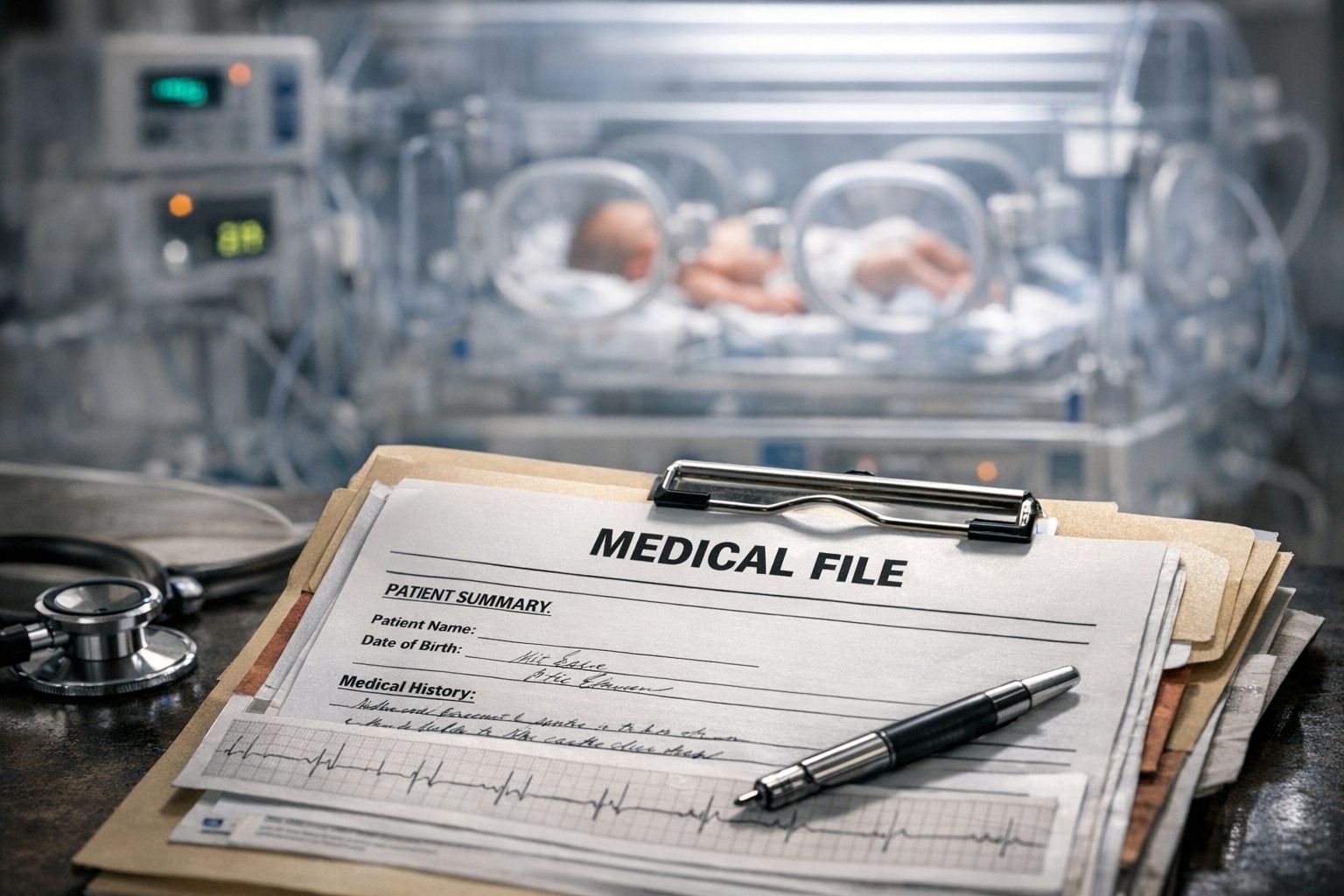
Bijou Phillips’ health issues are not new; they date back to her birth. She was born with underdeveloped kidneys, a congenital condition with serious consequences. As she explained herself in her Instagram post: “I was born with underdeveloped kidneys and spent the first three months of my life in the NICU on dialysis.” This difficult start marked the beginning of a long battle with kidney disease.

In 2017, a glimmer of hope appeared when the actress received a kidney from a friend. The transplant was initially successful, allowing her to lead a healthy life and even conceive her daughter, Fianna. This donation provided several years of respite and family happiness, seemingly resolving the issue permanently.

However, this stability was shattered by a major viral complication. Bijou Phillips contracted the BK virus, an infection that had devastating effects on her transplant. This infection led to dual organ rejection—cellular rejection and antibody-mediated rejection—inevitably bringing her back to square one and creating an urgent need for another transplant.

The BK virus: a latent threat to transplant recipients

The virus responsible for the failure of Bijou Phillips’s transplant is known as the BK virus, or human polyomavirus. According to the National Kidney Foundation, it is a latent virus present in most people. Under normal circumstances, it remains inactive and does not pose any particular health risks to the general population.

The situation changes dramatically for organ recipients. The virus can be reactivated by the anti-rejection medications that patients must take to maintain their transplant. These treatments, necessary to prevent the immune system from attacking the new organ, lower the body’s natural defenses and allow the virus to reactivate and proliferate.

When the BK virus becomes active, it can cause a range of severe symptoms. Patients may experience seizures, intense muscle pain, fever, and breathing difficulties. It was this viral reactivation that led to the irreversible deterioration of the actress’s transplanted kidney.

Kidney Failure: Definition and Statistics

Kidney failure occurs when one or both kidneys can no longer function properly on their own. This failure can manifest in two ways: it can be temporary and develop rapidly, or it can be a long-term condition that worsens slowly over time, leading to chronic kidney disease.

According to the Cleveland Clinic, this condition can progress to its most severe stage, end-stage renal disease. At this stage, the disease is fatal without medical care. Without treatment, life expectancy can be reduced to a matter of days or weeks. However, with proper management, it is possible to maintain a good quality of life while managing the disease.

The scale of this public health problem is considerable. Each year, kidney failure affects more than 750,000 people in the United States. Worldwide, more than 2 million people are affected by this condition, which requires constant monitoring and treatment.

Early Warning Signs to Watch For

In the early stages of kidney disease, many people experience few or no symptoms. This is a common pitfall, as chronic kidney disease can cause internal damage even while the patient feels well. Nevertheless, there are a number of early warning signs that many patients eventually experience and that should serve as a red flag.

Among the most common physical symptoms are extreme fatigue and general exhaustion. Patients may also suffer from nausea and vomiting, as well as muscle cramps and spasms. Cognitively, confusion or difficulty concentrating may occur. Appetite may decrease, and some people report that food has a metallic taste.

Other symptoms are visible or related to excretory functions. Swelling (edema) may occur, particularly in the hands, ankles, or face. A change in the frequency of urination is often observed. Finally, the skin may become dry or itchy. These signs, although sometimes subtle, are potential indicators of kidney dysfunction.

Diabetes and High Blood Pressure: The Major Causes

Doctors identify two main causes of chronic kidney disease and kidney failure: diabetes and high blood pressure. Diabetes affects the body through blood sugar levels. If blood sugar remains consistently high, it eventually damages the kidneys, as well as other vital organs.

High blood pressure, on the other hand, means that blood flows through the body’s blood vessels with too much force. It is a slow but constant destructive process. Over time and without proper treatment, this excessive force exerts pressure that damages kidney tissue, reducing the kidneys’ ability to filter blood.

Managing these two conditions is therefore essential to prevent the onset or progression of kidney disease. Strict control of blood sugar and blood pressure is the first line of defense for protecting kidney function in the long term.

Why Transplantation Is Crucial

For patients with end-stage renal disease, transplantation is often the best treatment option. During a kidney transplant, a surgeon places a healthy kidney into the patient’s body to take over the function of the damaged organ. The donor organ can come from a deceased person or a living donor, as Bijou Phillips currently hopes to do.

It is important to note that it is entirely possible to live a normal life with just one healthy kidney. This is what makes living donation possible and so valuable. Once the transplant is complete, the battle is not over: the recipient will need to take medication for the rest of their life.

This lifelong medication regimen is essential to prevent damage to the transplanted kidney and avoid rejection. Despite this limitation, a transplant offers a much better chance of survival and a much higher quality of life than dialysis alone.

Source: timesnownews.com

Created by humans, assisted by AI.

Bijou Phillips on Dialysis: Understanding Kidney Failure and the Vital Importance of a Transplant

facebook icon twitter icon linkedin icon
Copied!

Commentaires

0 0 votes
Article Rating
Subscribe
Notify of
guest
0 Comments
Newest
Oldest Most Voted
Inline Feedbacks
View all comments
More Content