

A Grand Welcome for Carney in China
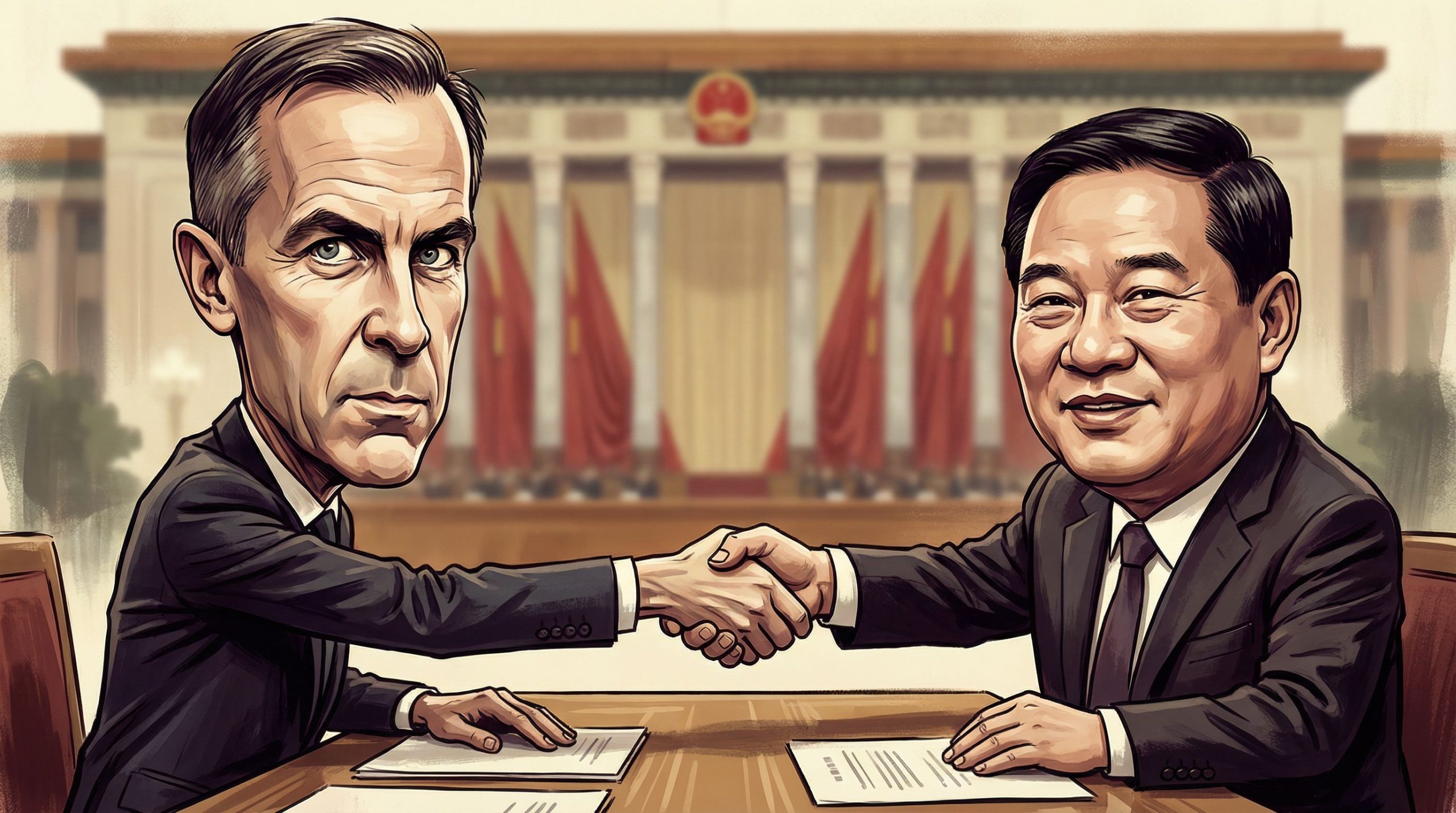
It’s been a long time since we’ve seen anything like this. A Canadian prime minister, Mark Carney, shaking hands at the Great Hall of the People in Beijing and speaking of a “new era of relations” with China. This is serious business, as you can imagine. After nearly a decade in which our relations with Beijing have fluctuated between frosty and downright tense, Thursday, January 15, 2026, could well mark a turning point. And it’s not just me saying this—it’s Carney himself.
What’s striking is the way Beijing welcomed him. And not just by anyone, mind you. He was received by Premier Li Qiang, the regime’s second-most powerful figure, and by Wang Yi, the foreign minister, who ranks third. A grand reception, in other words. The message is clear: China, too, wants to breathe new life into this relationship—a “turnaround,” as Li Qiang so aptly put it. They’re even looking to Carney’s meeting with President Xi Jinping this Friday as a catalyst for “upward growth.”
But beyond the friendly handshakes and ceremonial speeches, all of this is taking place against a complicated global backdrop, I suppose. It’s a sort of thaw after a long diplomatic winter. We’ll see what’s really behind this new Chinese smile.
What did they talk about? Trade, oil, batteries… and a list of prestigious guests
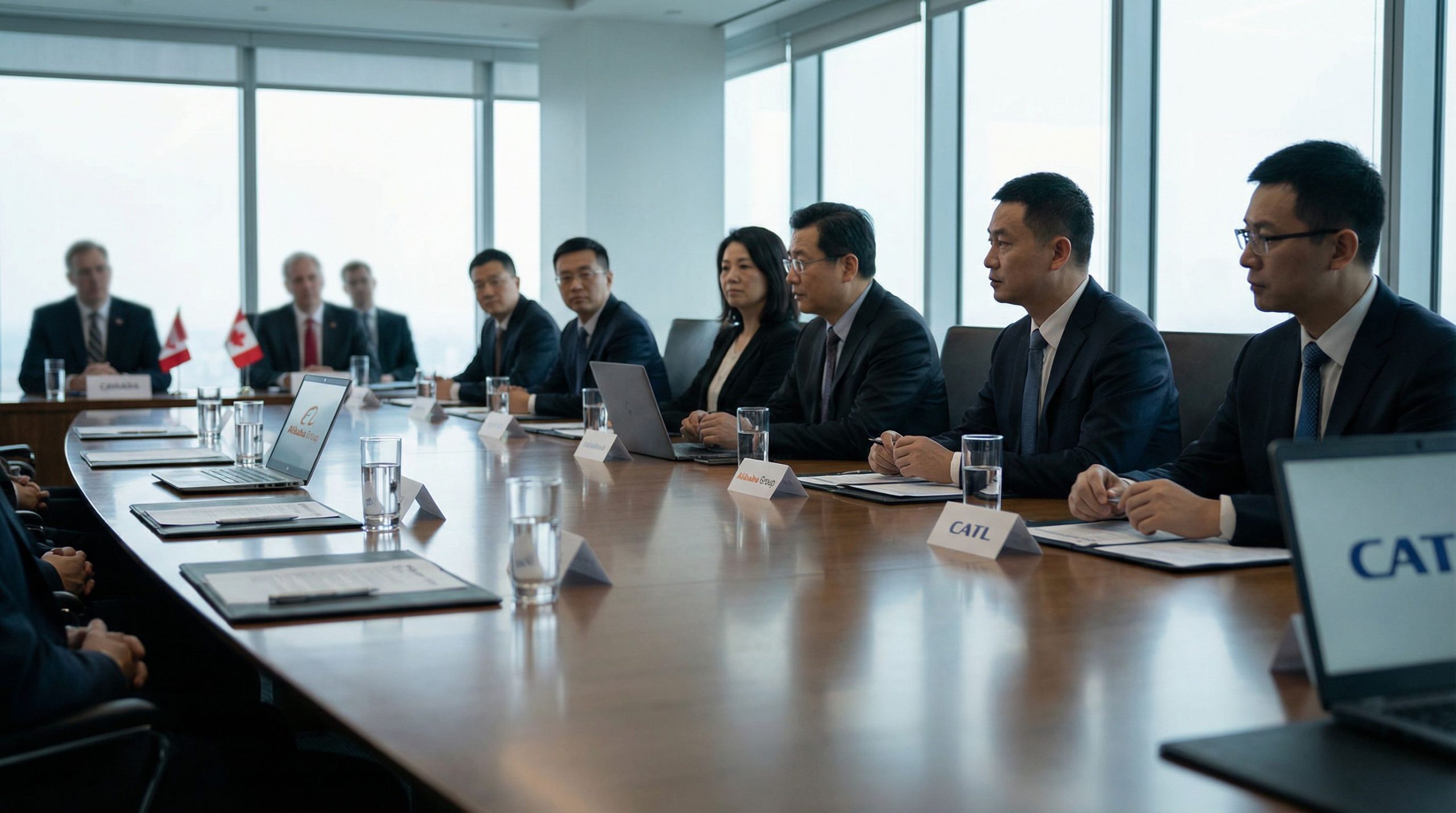
So, Mark Carney didn’t go there just to have tea. All day on Thursday, January 15, he held a series of closed-door meetings with the top brass of the Chinese economy. It was a veritable roundtable of local giants. Let me list the names, because they’re telling: Alibaba, the e-commerce giant, of course. Then China National Petroleum, for oil—a sector that remains highly strategic. And Contemporary Amperex Technology, the global powerhouse in electric vehicle batteries—an area where Canada certainly has ambitions. Not to mention the Industrial and Commercial Bank of China (ICBC), the country’s largest state-owned commercial bank.
This is a roadmap for the discussions to come. It’s about money, investments, and technology partnerships. After a decade of friction over trade, security, and diplomacy, these meetings suggest that new economic opportunities could finally be on the horizon. You don’t bring all these CEOs to the table just to chat about the weather.
And it’s not just Carney. Earlier today, our Minister of Foreign Affairs, Anita Anand, met with her Chinese counterpart, Wang Yi. And there, too, the atmosphere was one of thawing relations. Wang Yi stated, in essence, that the progress made was paving the way for new opportunities in our relations, “against a backdrop of unprecedented and complex global changes.” This is diplomatic language, of course, but the tone is decidedly positive. You get the sense that they’re seeking to lay a solid foundation for the future.
But in Canada, people are expecting concrete results… and that’s going to be tricky
It’s all well and good to talk about a new era, but here at home, farmers and some provincial premiers are waiting for action. Because there’s a real hot potato on the table. The Liberals in Ottawa are under pressure to convince Beijing to repeal or reduce its tariffs on Canadian agricultural products. These tariffs are hurting, especially in the Atlantic and Western provinces. It’s a real source of tension.
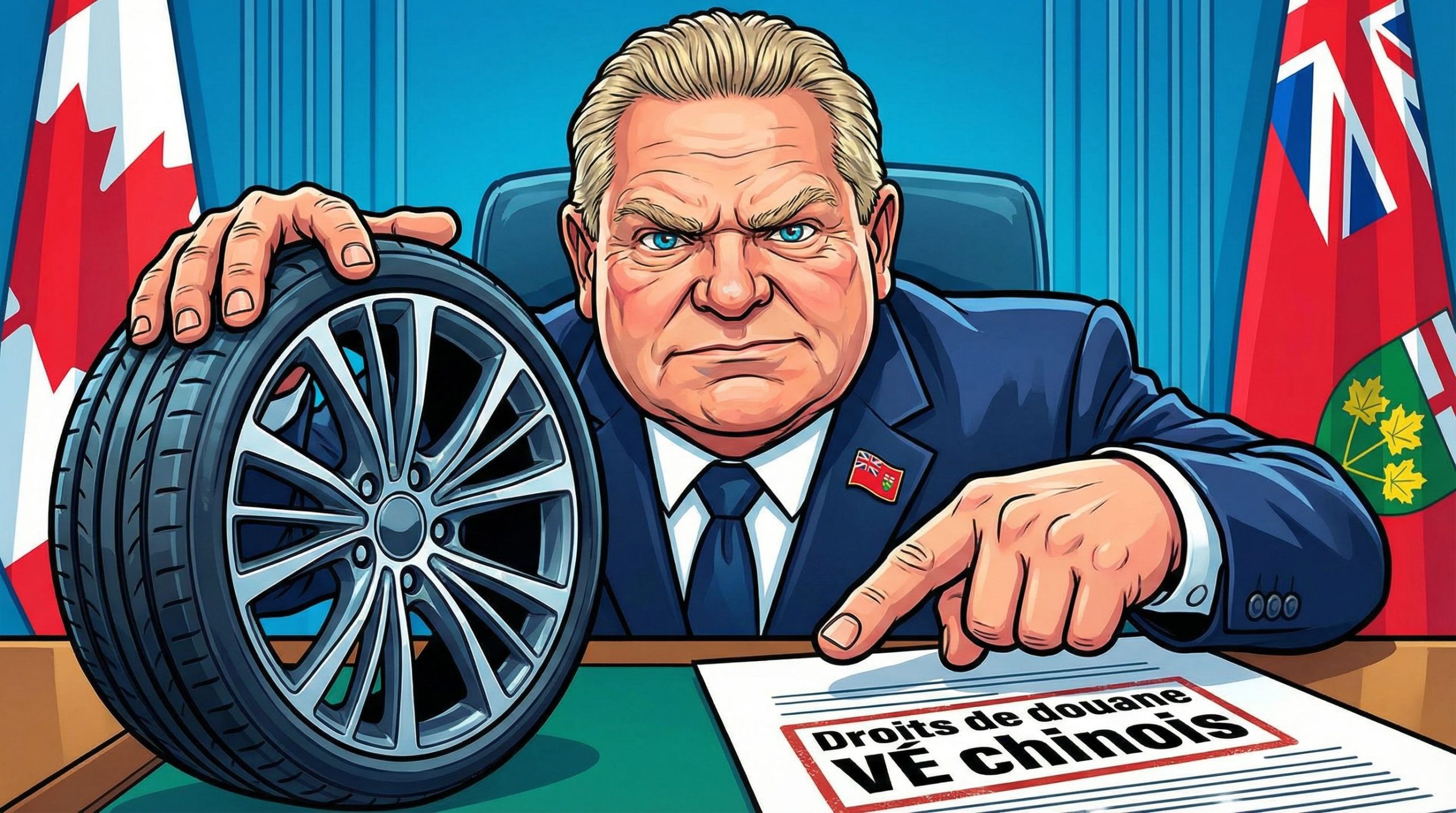
The catch is that to achieve this, Ottawa will likely have to make concessions on something else. And that “something else” is the tariffs that Canada itself imposes on Chinese electric vehicles—an issue that Ontario Premier Doug Ford considers essential to protecting jobs in the local auto industry. He doesn’t want to hear anything about easing those tariffs. It’s quite a headache for Carney: keeping Western farmers happy without upsetting Ontario workers.
In fact, Foreign Affairs Minister Anita Anand made it clear that the goal is to promote economic benefits for all regions of Canada. She also added—and this is interesting—that even though this trip is “heavily focused on trade,” other issues “that go beyond economic concerns” will be addressed. Without naming them, of course. One might think of human rights, regional security… topics where dialogue has been tense, to say the least, in recent years.
Conclusion: A Diplomatic Gamble with Multiple Stakes
So, what should we take away from this? Mark Carney’s historic visit to Beijing is a gamble. A gamble on the economic future, but also a delicate diplomatic test. On the one hand, there is hope for a revival of trade relations with a colossal partner, after nearly a decade of mistrust. Meetings with Chinese giants such as Alibaba, China National Petroleum, and Contemporary Amperex Technology are tangible proof of this. On the other hand, there are Canadians’ very concrete expectations—particularly regarding agricultural tariffs—and the delicate balance that must be struck with the interests of the provinces.
China, through its top officials, is calling this visit a “turning point.” This is the first time in eight years that a Canadian prime minister has visited the country. The welcome extended to Carney shows that Beijing is, for now, adopting a more open approach. But between rhetoric and the reality of the compromises that must be reached—especially on issues as sensitive as electric vehicles—the road ahead is likely to be a long one.
One thing is certain: Canada has chosen to reopen high-level dialogue. The “new era” announced by Carney begins with a handshake at the Great Hall of the People. Now, it remains to be seen what will become of this new momentum in a world that, as Wang Yi pointed out, remains in the grip of “unprecedented and complex” changes.
Carney in Beijing: Canada and China Turn the Page After a Decade of Tensions
This content was created with the help of AI.


