

The Pitfall of Forgotten Dry Food
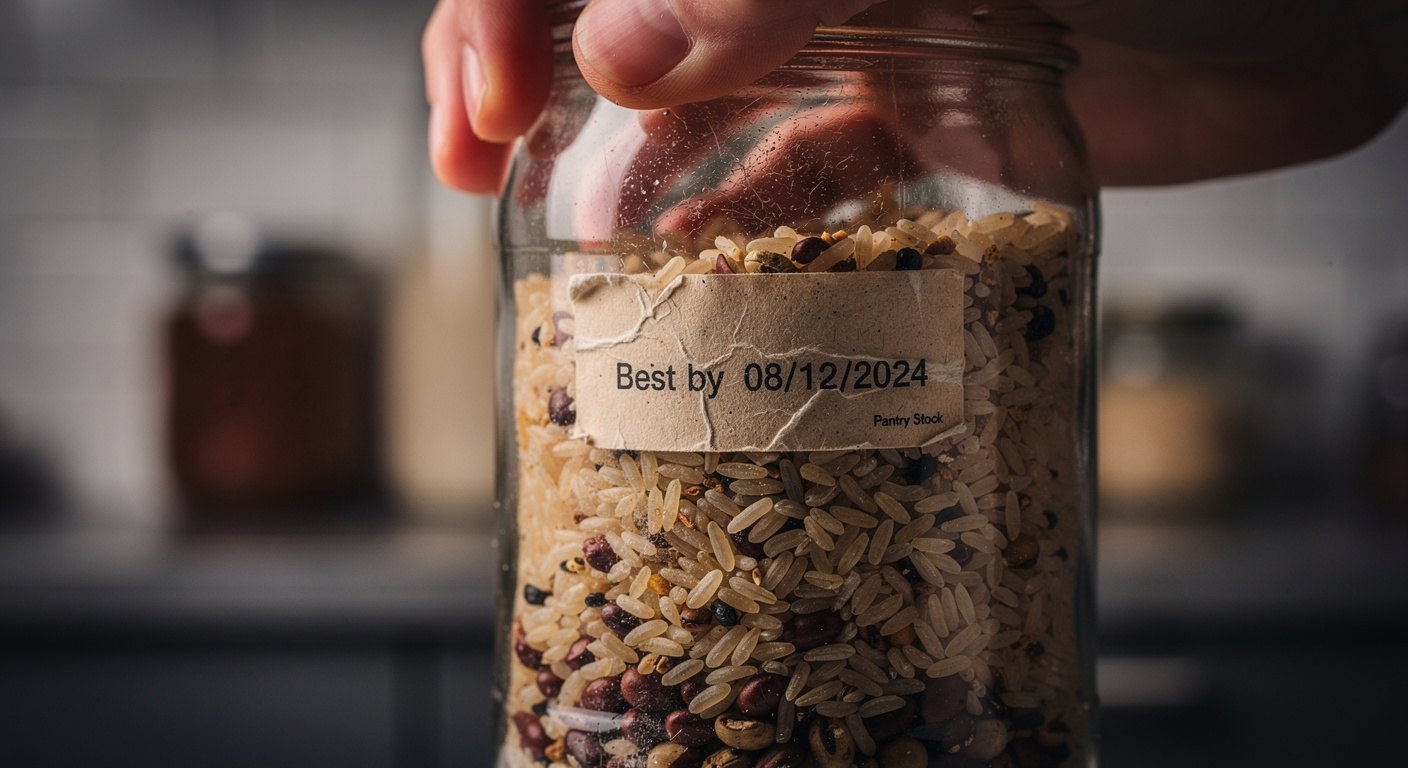
When was the last time you did a major cleanup of your kitchen cabinets? It’s easy to lose track of what you have and when you bought it, since pantries tend to accumulate so many supplies. In an update from September 26, 2024, Ashley Martens highlights an often-overlooked fact: although they’re considered long-lasting, many staple items actually have a relatively short shelf life.
Keeping these essentials past their expiration dates isn’t without health risks. Before you start sorting through your cupboards, here’s a fact-based analysis of ten foods whose shelf life is shorter than it seems. For those who want to delve deeper into the subject before cooking, there are also guides available to help you assess the condition of your flour, the shelf life of canned goods, or how to sort condiments.
Cereals and Grains: An Unexpected Vulnerability
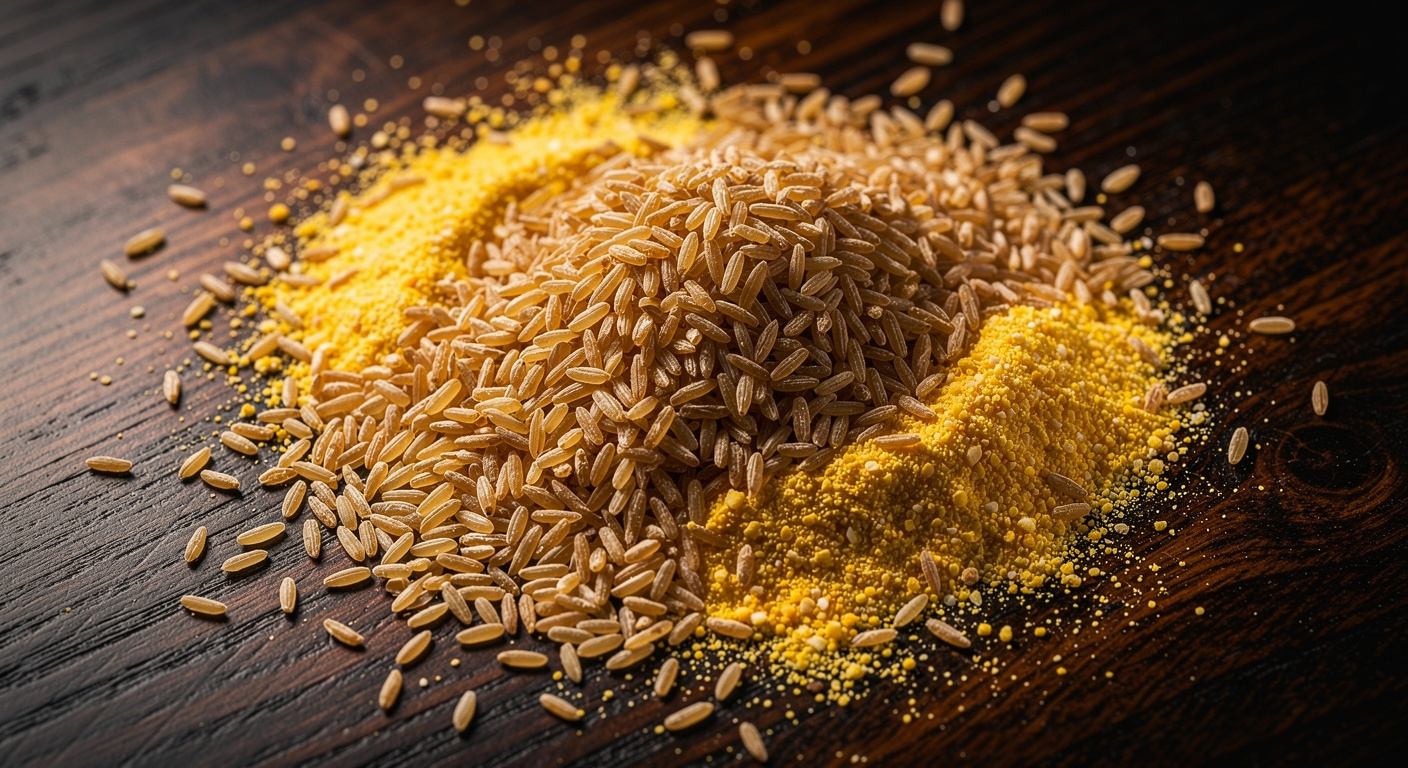
Breadcrumbs
Unsurprisingly, dry breadcrumbs last longer than fresh bread. However, they are still essentially bread: they must be kept away from moisture to prevent mold. When stored properly in an airtight container, in a cool place, and away from light, they can last up to six months.
Brown rice
If you prefer brown rice to white rice, you’ll want to check your supplies. The USA Rice Federation explains that brown rice contains oil in the bran, aleurone layer, and germ attached to the grain. This composition makes it more susceptible to oxidation. Its shelf life is therefore only about six months. To extend this shelf life, storing it in the refrigerator is the most effective option due to the lower temperatures.
Cornmeal
Prized for the crispiness it adds to recipes and as a gluten-free alternative, cornmeal requires special care. The University of Missouri reports that it has a shelf life of only about one year. To maximize its shelf life, it should be stored in a cool, dark, and dry place. Warm and humid conditions promote mold growth as well as the development of unpleasant odors and flavors. You must avoid storing it near the dishwasher, oven, or refrigerator: these areas accelerate spoilage and can even encourage insect infestations.
Whole wheat flour
This product also ranks tenth on the list of pantry staples requiring special attention.
Snacks and Dried Fruit: The Battle Against Moisture and Heat
Crackers and tortilla chips
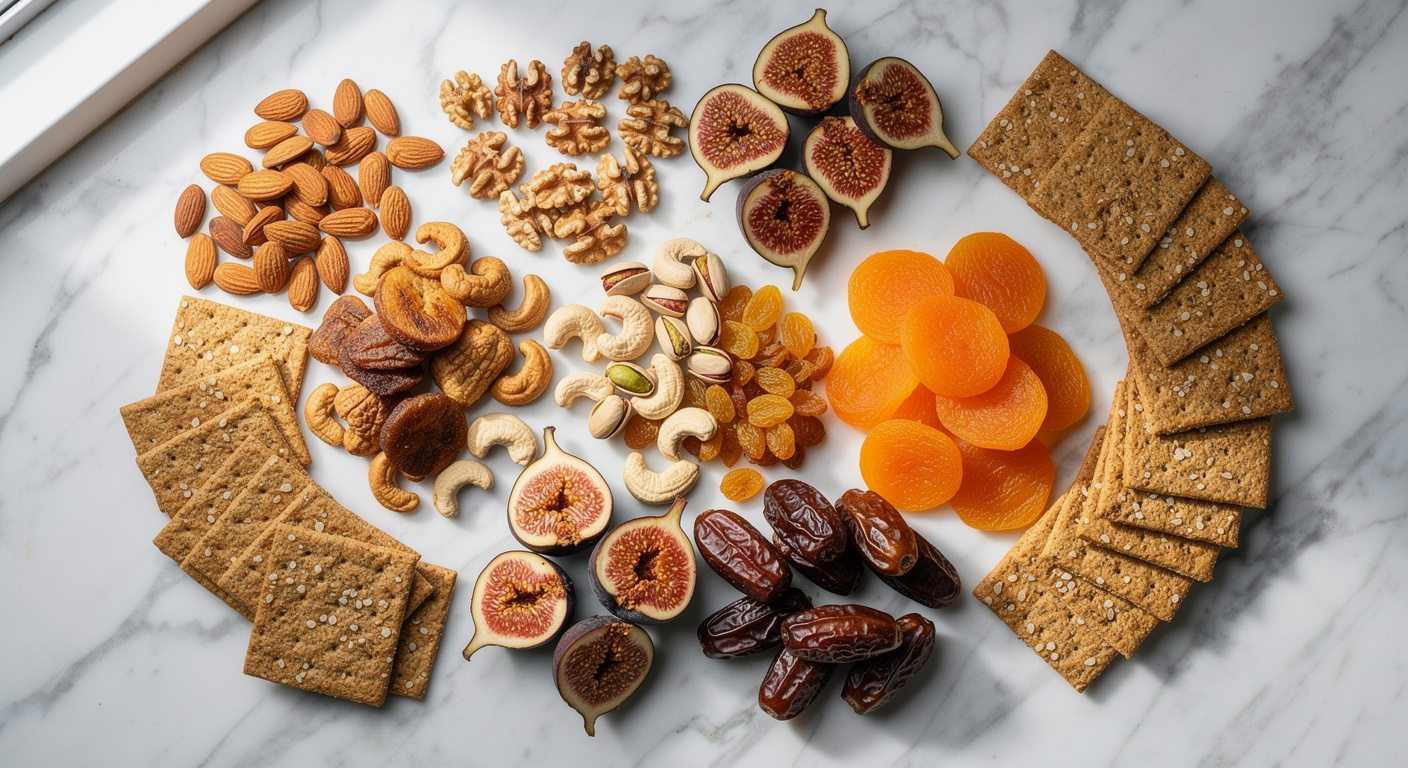
These appetizer staples share a common weakness. Sarah Harper, a registered dietitian (MS, RD, LDN) and founder of Addy Bean, explains that these products absorb moisture from the air once opened. The result is immediate: they go stale and lose their crispness. For both tortilla chips and crackers, the change in texture can occur just a few days after opening. The advice is simple: eat the package quickly.
Dried fruit
According to the National Center for Home Food Preservation, most dried fruits have a shelf life of between four months and one year. Figs, for example, last about three months, compared to a full year for raisins. Storage temperature is crucial, as heat directly affects quality. At 15°C (60°F), most dried fruits will last a year, but this shelf life drops to six months if the temperature reaches 26°C (80°F).
Nuts
The ultimate convenient snack, nuts do not, however, have an unlimited shelf life. Pistachios last about three months, while almonds can last up to a year. Rotating your stock every six to twelve months is recommended to ensure freshness.
Condiments and Spices: Loss of Flavor and Storage
Peanut butter
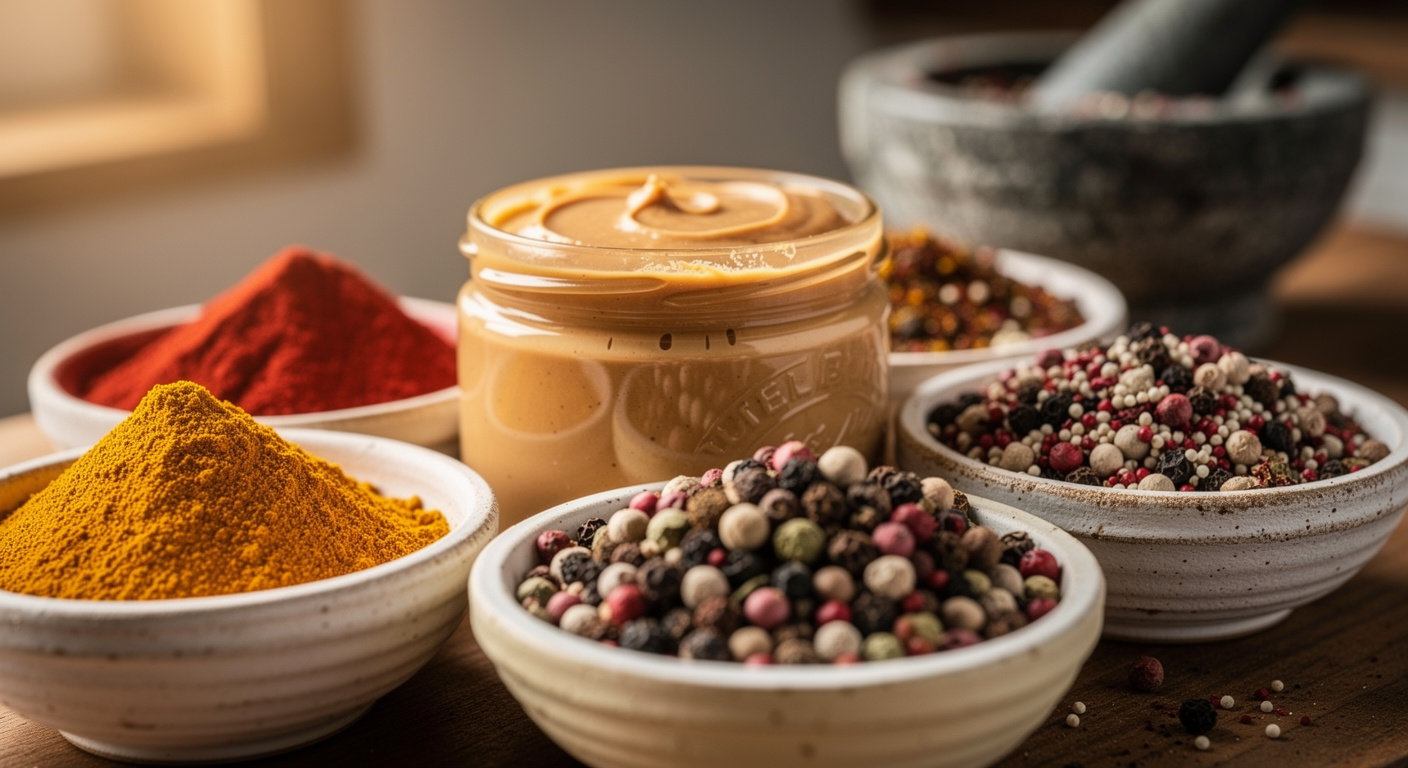
This may come as a surprise, but there is a difference. Unopened store-bought peanut butter has a long shelf life in the pantry, ranging from six to twenty-four months. On the other hand, natural peanut butter, which contains no preservatives, lasts only a few months if unopened. Once opened, its shelf life drops dramatically: most natural varieties then require refrigeration. Reading the label is essential.
Spices
Although they aren’t technically food in the strict sense, spices don’t last forever. Chef and certified nutritionist Norah Clark explains that ground spices lose their potency faster than whole spices due to their exposure to air and light. To maximize flavor, it’s best to buy whole spices and grind them just before use.
Source: delish.com
Created by humans, assisted by AI.
Check your cupboards: these 10 foods have probably already expired
This content was created with the help of AI.


