

A Summer Practice That Raises Questions
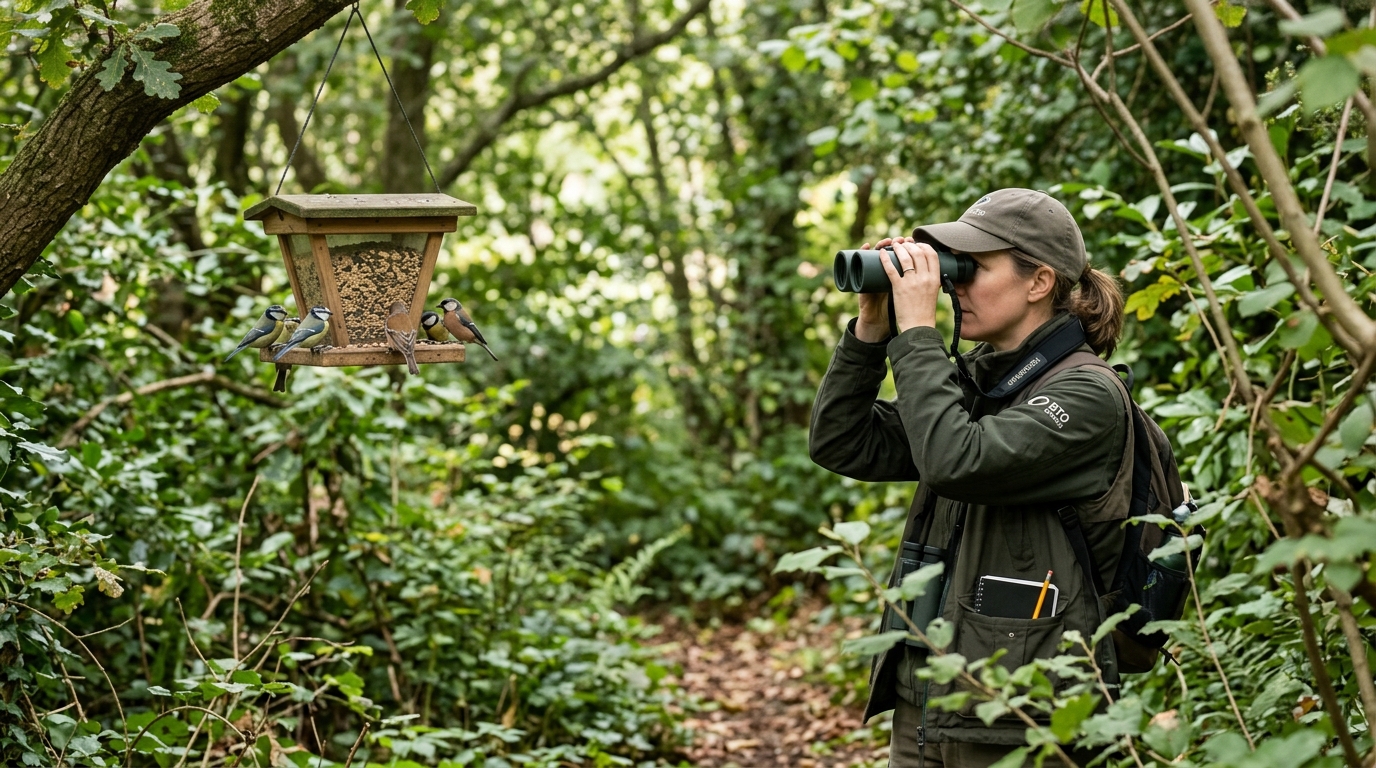
The answer hinges first and foremost on the very purpose of this feeding. “Birds benefit most from feeders during the winter, when food resources are less abundant,” explains Olivia Sanderfoot, Ph.D., a researcher and the FeederWatch project lead at the Cornell Lab of Ornithology. Human intervention plays a secondary role in their natural cycle. “Keep in mind that feeding birds is always a supplement. Birds are perfectly capable of finding their own food, so feeding them is often for our own enjoyment, not for their survival. The exceptions are during periods of resource scarcity, such as extreme winter weather conditions.”
Natural Summer Diet and Breeding Needs
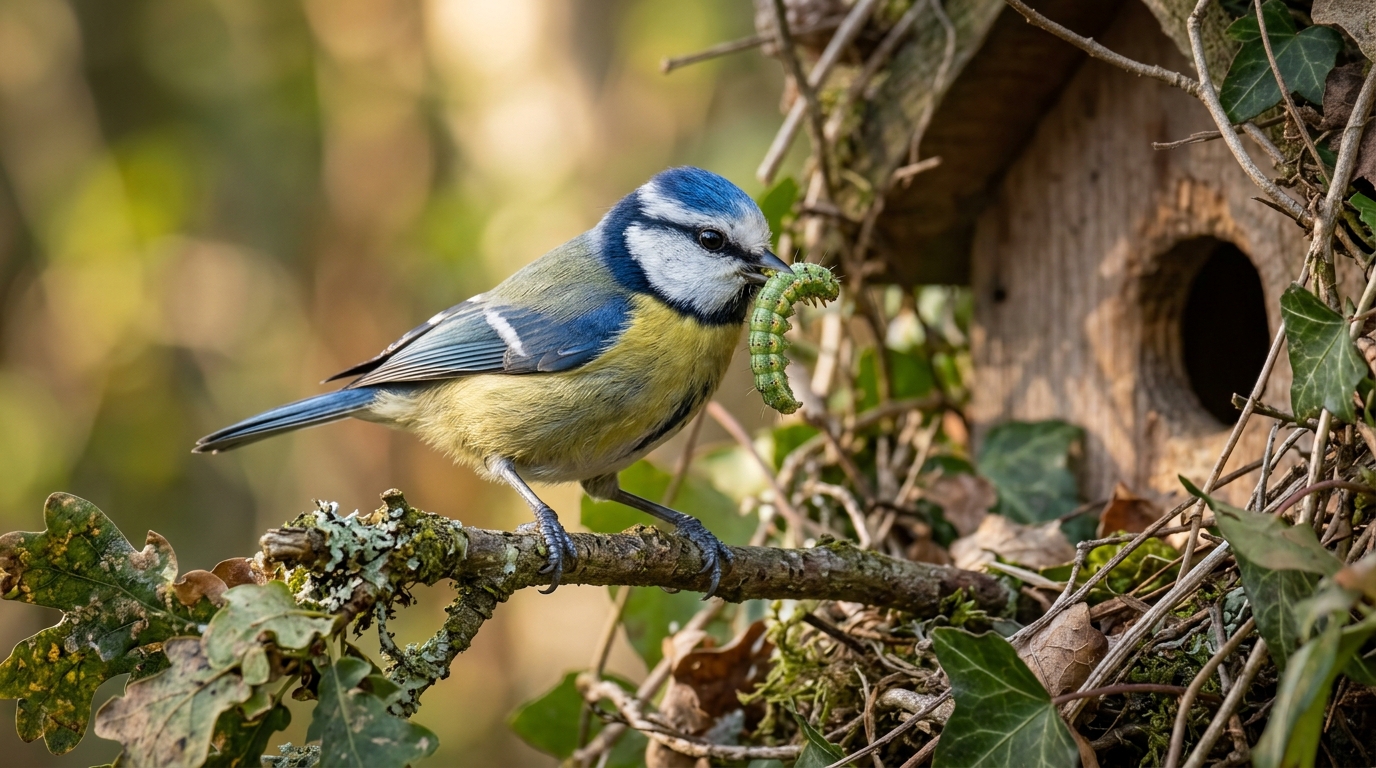
The arrival of warmer weather radically changes birds’ diets, replacing the need for seeds with an abundance of insects. This dietary shift is vital for the reproduction of many species. "During the summer, garden birds primarily eat and feed on insects such as caterpillars and grasshoppers to provide essential protein and nourishment to their rapidly growing chicks," explains Kaitlyn Parkins, coordinator of the Glass Collision Program at the American Bird Conservancy.
The scale of this insect hunt far exceeds typical estimates. The expert adds that “a single brood of chickadees, for example, can consume 6,000 to 9,000 caterpillars before leaving the nest.” Feeding habits vary greatly depending on the species observed around the house. “Some species are granivorous; these birds eat mainly seeds or grains,” explains Olivia Sanderfoot. The ornithologist highlights the great diversity of local diets: “Some birds include berries and fruits in their diet, and generalist species eat a wide variety of foods.”
Safe foods to offer and precautions during hot weather
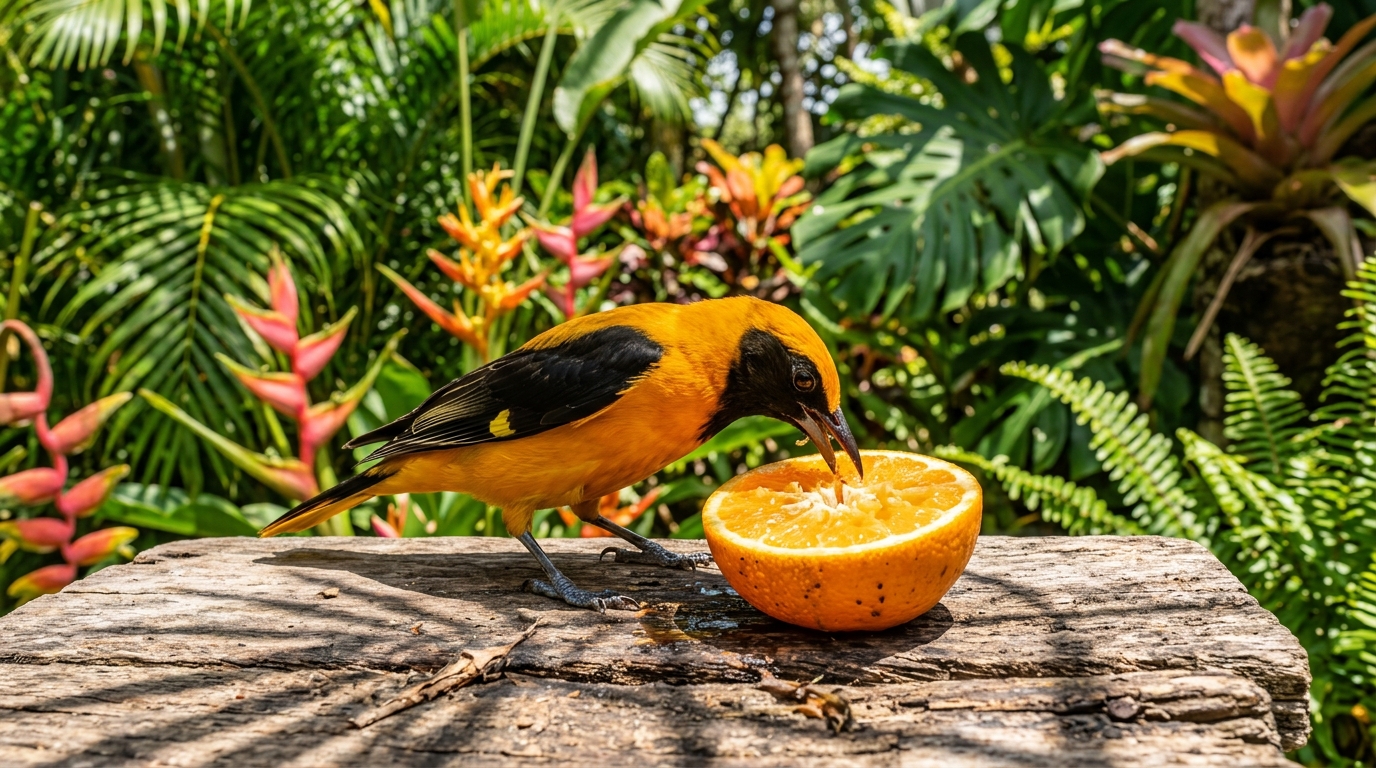
Despite the natural abundance of food, maintaining a feeding station in the summer is still possible with certain precautions. For seed-eaters, black sunflower seeds and nyjer seeds are the most recommended choices year-round. These options are particularly attractive to American goldfinches, cardinals, siskins, and grosbeaks, according to Kaitlyn Parkins. Other foods are also very popular in the summer: orioles love halved oranges, blue jays favor peanuts, while bluebirds—which can devour up to 2,000 insects a day—greatly enjoy mealworms. Hummingbirds naturally gravitate toward native plants but will happily accept homemade sugar water, prepared by dissolving one part granulated sugar in four parts warm water. The list of common feeder birds and their food preferences helps you tailor your offerings.
It is essential to rethink how you offer suet. “Suet can be put out, but only in cooler temperatures and in shaded areas,” warns Kaitlyn Parkins. The risk is twofold in hot weather: “If it’s too hot, the fat will melt, not only causing it to spoil—which can harbor harmful pathogens—but also turning into a greasy mess that can get on the birds’ feathers, affecting their flight and waterproofing.” An alternative is to buy “melt-proof” fat, which has a denser, paste-like consistency.
The Crucial Importance of Hygiene and Avian Diseases
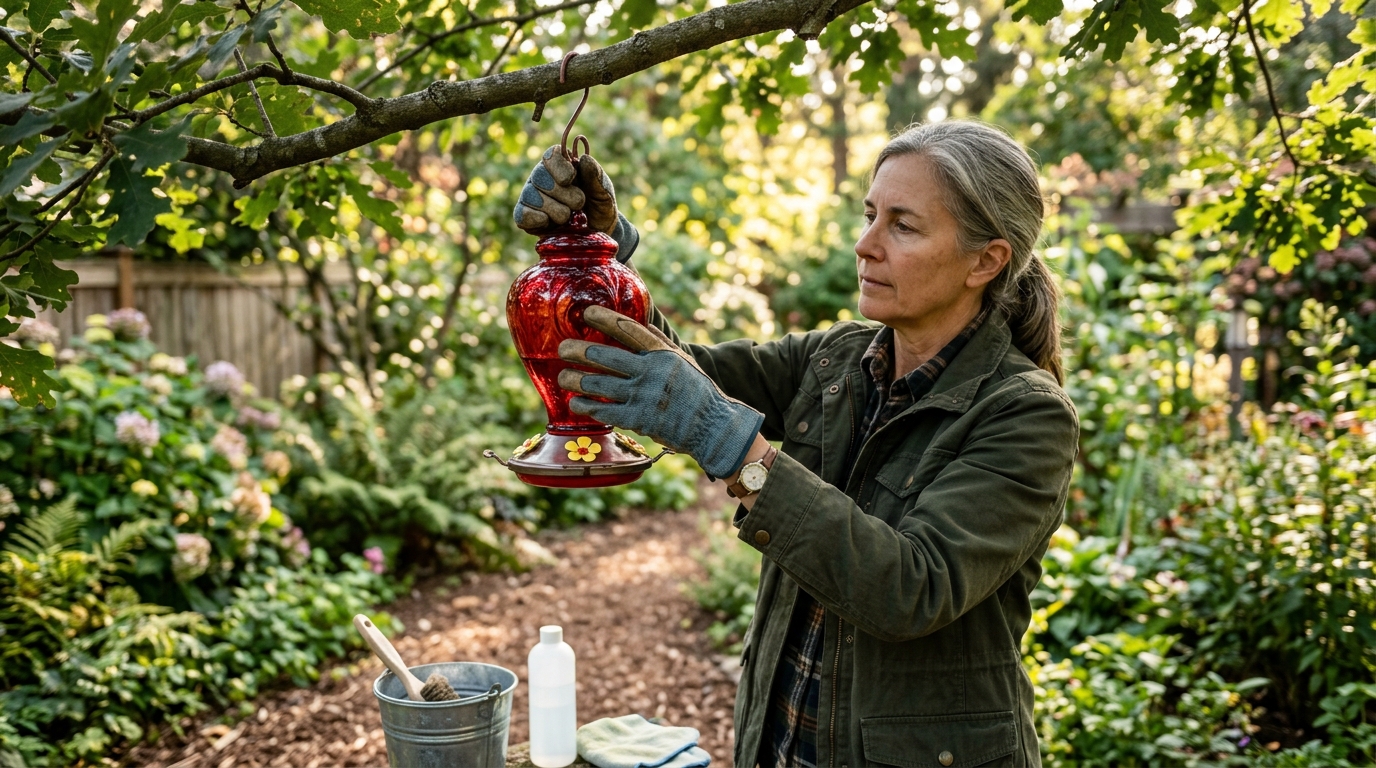
Maintaining feeding stations requires extra care during hot weather. Heat, humidity, rain, and direct sunlight significantly accelerate the spoilage of seeds, promoting the growth of mold, bacteria, and potentially deadly toxins. As for hummingbird nectar feeders, the heat causes the sugary mixture to ferment rapidly. “When birds gather at feeders, they can spread pathogens—such as viruses or bacteria—from one individual to another, either through direct contact or indirectly, such as through feces,” says Olivia Sanderfoot.
Some feeding sites have caused the decline of entire populations, such as the trichomoniasis outbreak that decimated the European greenfinch in the United Kingdom. "That’s why some conservation organizations in the United Kingdom recently announced that they now recommend people remove their feeders during the summer months, when trichomoniasis is more likely to spread," the researcher points out. Fortunately, the situation is different on the American continent: “Trichomoniasis does not currently have the same impact on North American bird populations.” Experts recommend regular cleaning, either weekly or every two weeks. Hummingbird feeders should be cleaned every two or three days in hot, humid weather, or as soon as the liquid appears cloudy.
Installing Watering Stations to Combat Drought
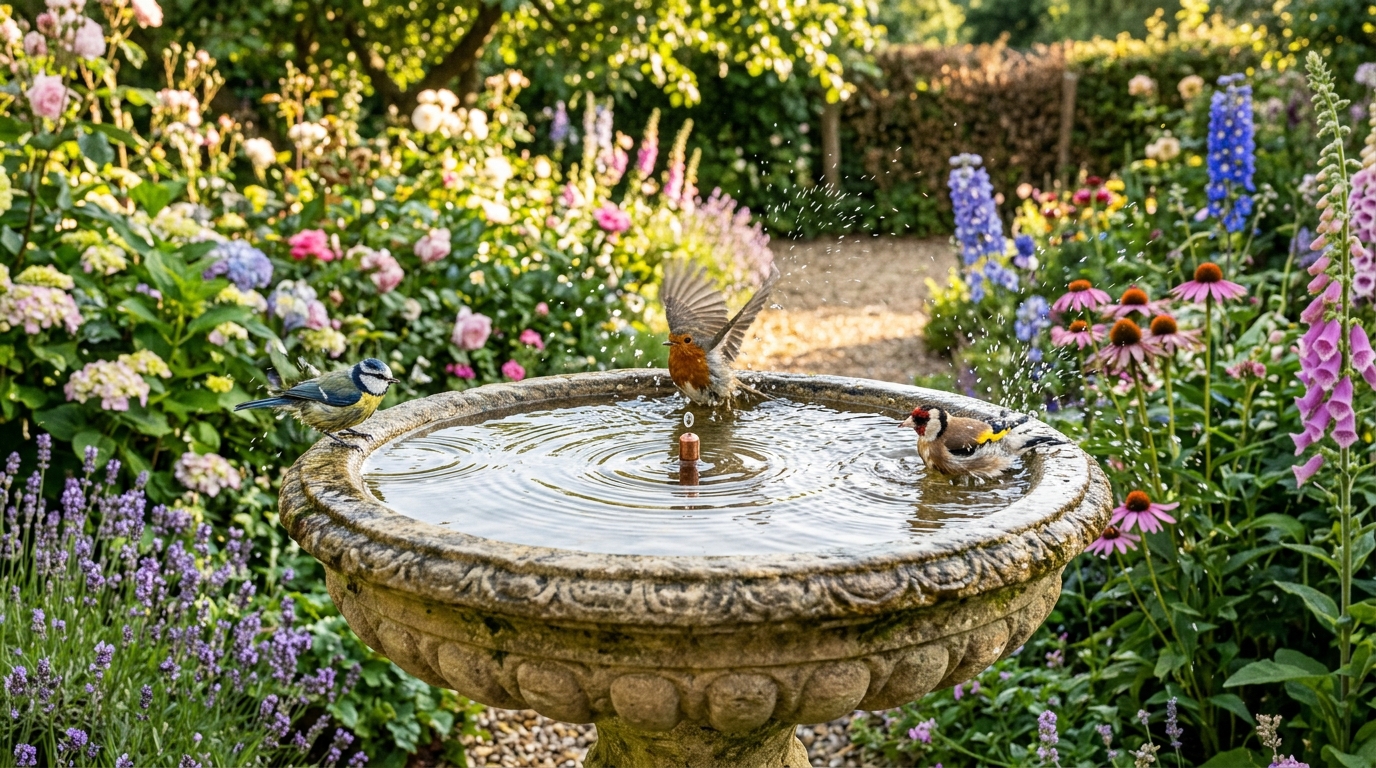
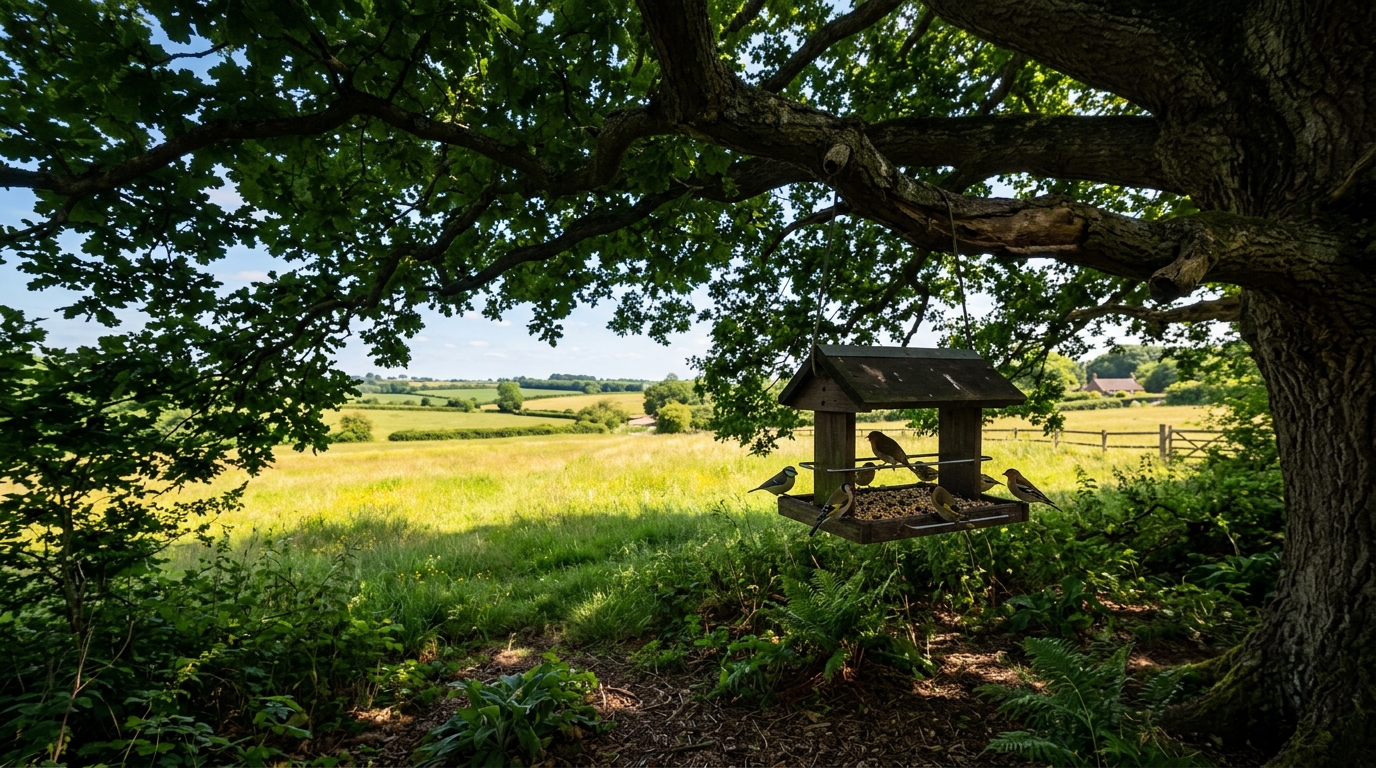
Choose Shaded Areas for Feeders and Bird Baths
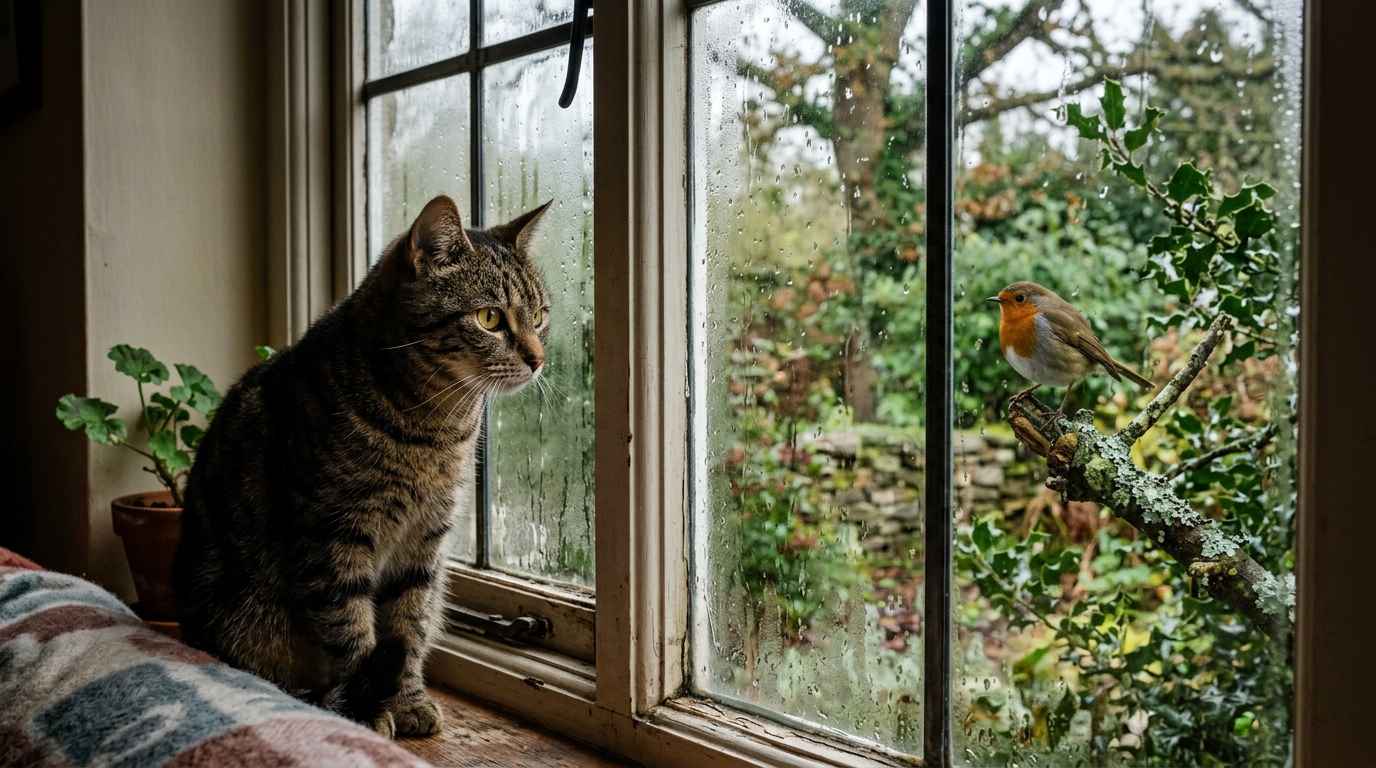
Keeping Predators Away and Managing House Cats
Designing a wildlife habitat requires a thorough analysis of predation risks. Feeders and water basins must be positioned at a height or away from areas where a predator could pounce unexpectedly. Wildlife safety depends on the clarity of the gathering area’s boundaries.
The main threat in residential areas remains domestic cats. Kaitlyn Parkins emphasizes the importance of keeping cats indoors. Nationwide, these predators kill approximately 2.4 billion birds per year—a figure that calls for greater responsibility on the part of pet owners to protect local wildlife.
Preventing Fatal Collisions with Windows
A delicate balance between observation and conservation
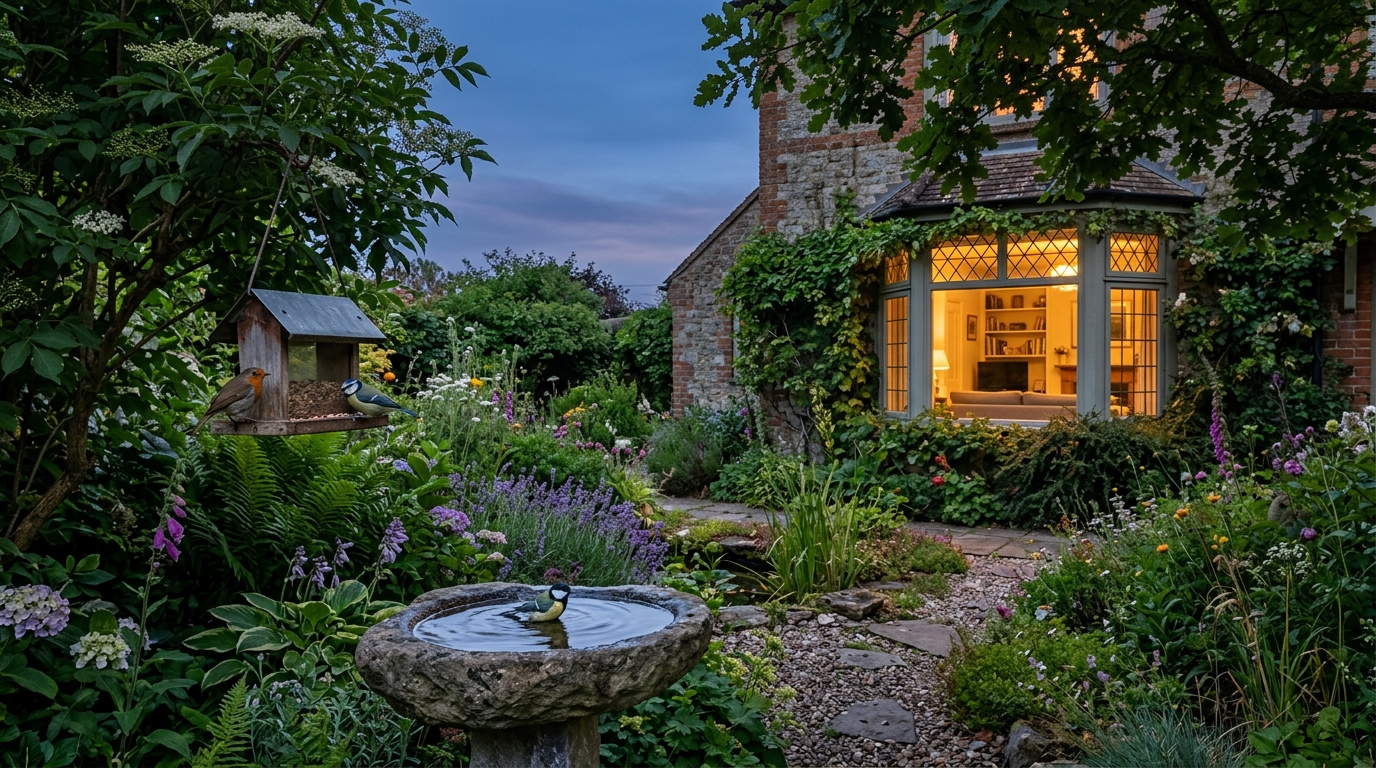
Welcoming nature into your home during the summer requires constant vigilance. Providing artificial food demands strict adherence to the hygiene standards set by experts to prevent the spread of infections among different bird colonies. Wildlife observation must not come at the expense of the animals’ health.
Source: countryliving.com
Feeding Birds in the Summer: Best Practices for Keeping Garden Birds Healthy


