

Scientists Discover a Clue in a Small Dormouse That Reveals How Climate Is Changing Wildlife


Three Decades of Citizen Data Reveal a Hidden Phenomenon
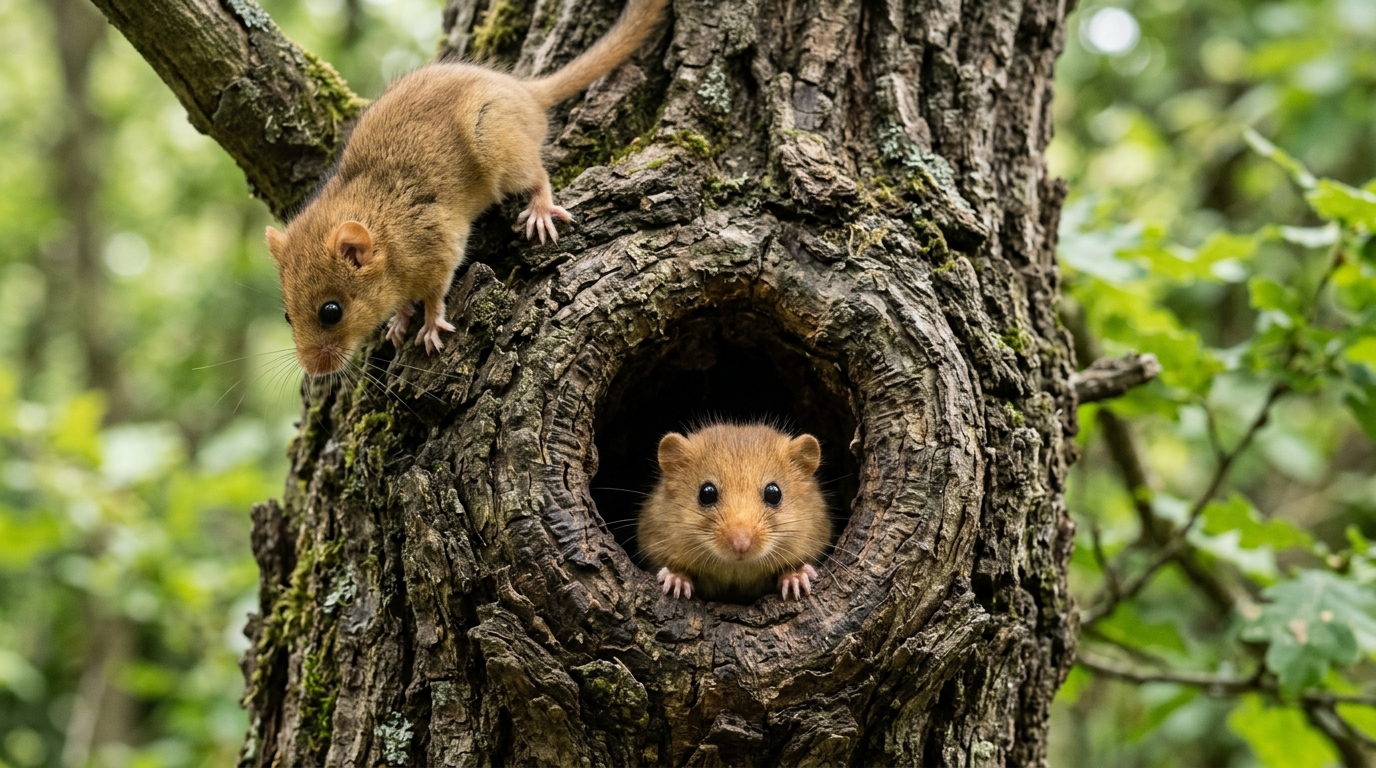
Every fall and spring, certified volunteers across England and Wales open dormouse nest boxes to weigh the animals they find inside. This valuable data feeds into a national database as part of the National Dormouse Monitoring Program, a citizen science effort that has been growing since the late 1980s. Over time, tens of thousands of weight records have been accumulated, carefully noted alongside the animals’ age and sex, yet no one had thought to sort them by season.
Orly Razgour, a biosciences researcher at the University of Exeter and the study’s lead author, analyzed more than 23,000 weight measurements spanning 31 years with her colleagues. By sorting this data by month, they discovered a split trend that calculating a simple annual average had completely masked: hazel dormice are getting lighter and lighter as winter ends, but heavier and heavier before winter begins—all within the same woodlands.
An increasingly difficult spring awakening
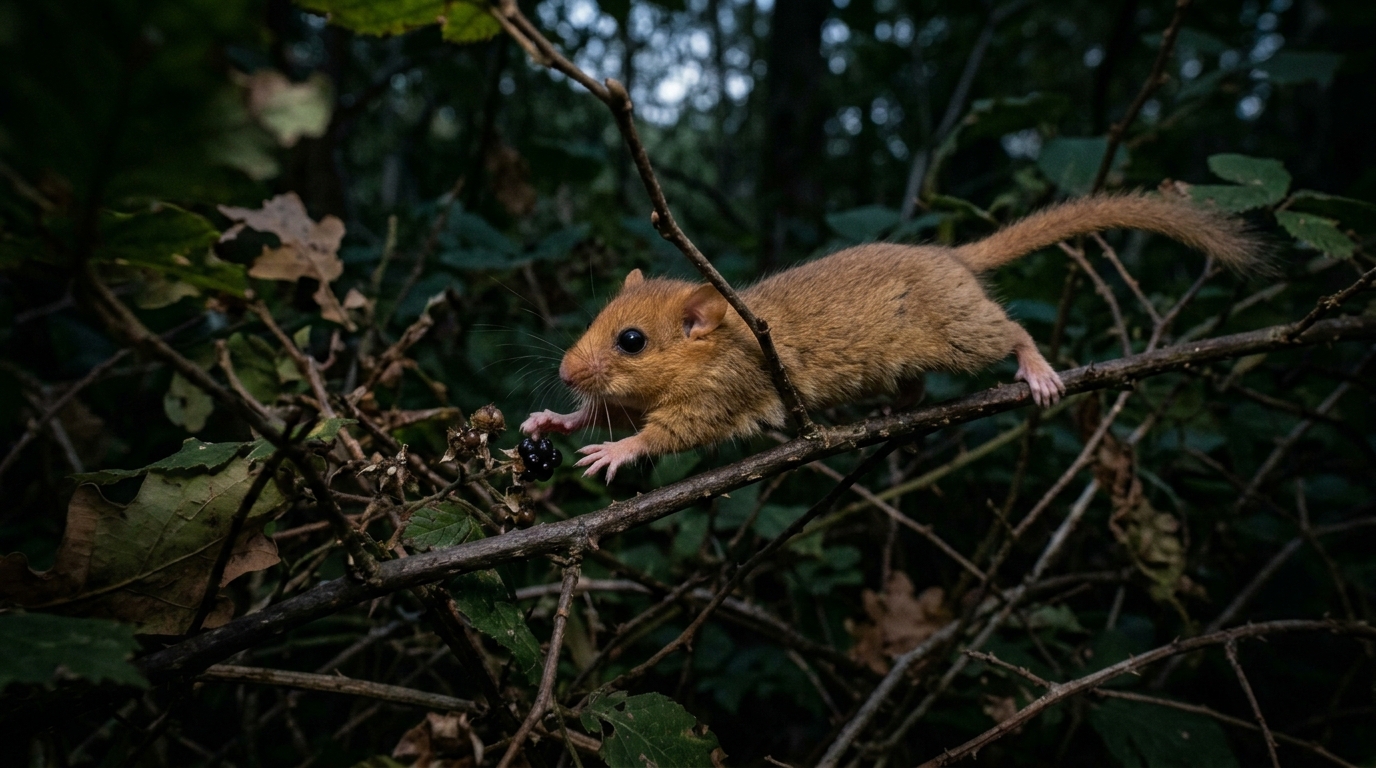
Fall weight gain influenced by summer weather
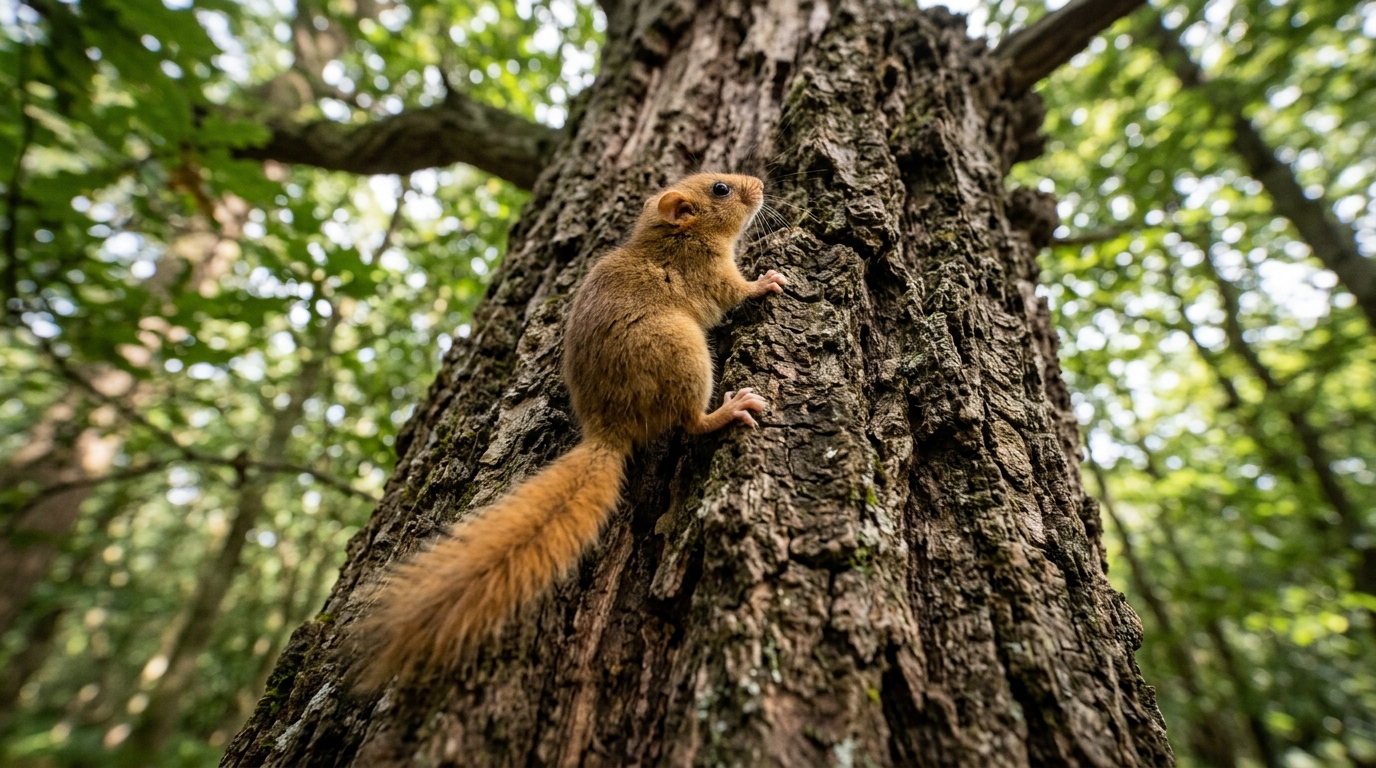
The Crucial Indicator: Hedge Density
A surprise finding has added nuance to this understanding of wooded environments. At a finer scale, greater coverage of deciduous forests has been associated with lighter—not heavier—dormice. As forests age and their canopies close in, the shrubs and flowering plants growing beneath them may become scarcer, potentially reducing the food vital to the species. The study concludes that variety across the surrounding landscape matters far more than the mere density of forest cover.
New Perspectives for Conservation
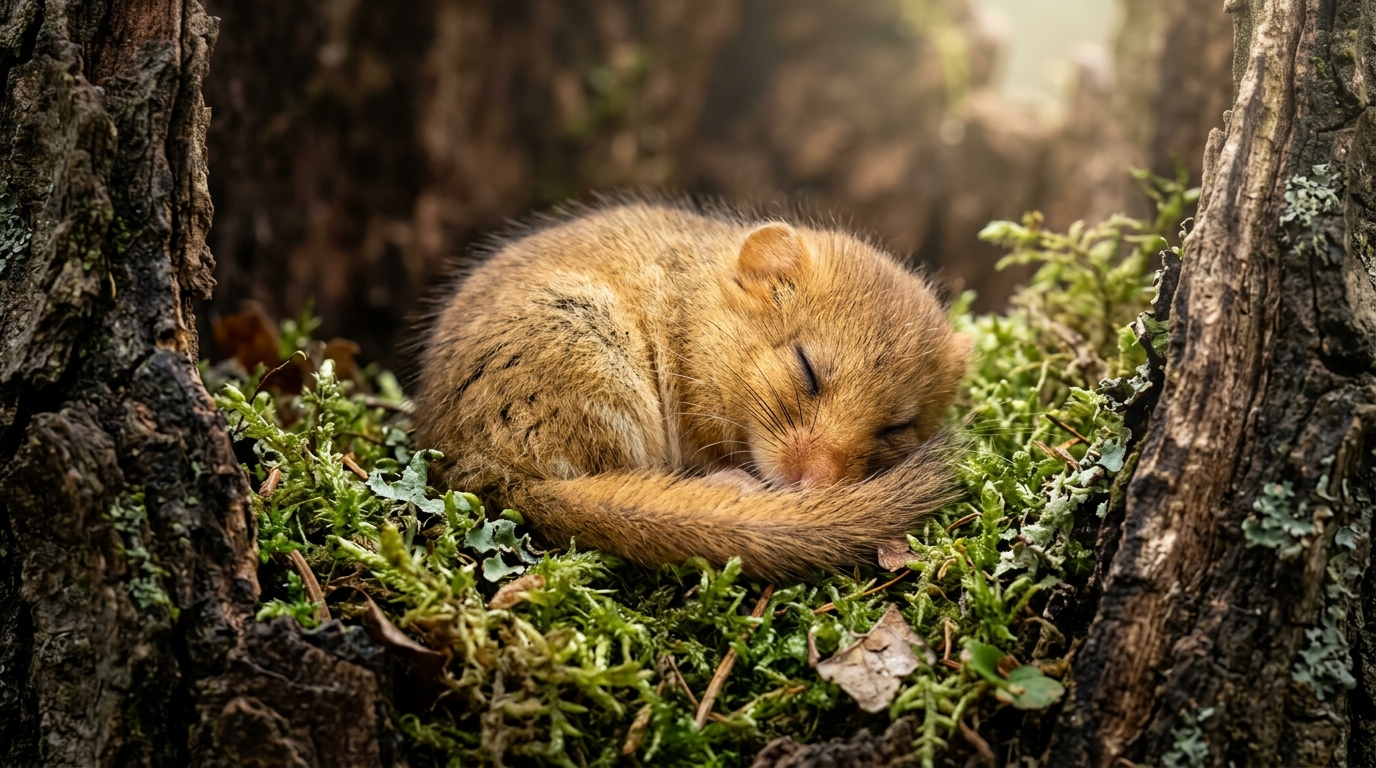
This discovery offers environmentalists concrete avenues for action. While it is difficult to manage the climate on a woodlot-by-woodlot basis, hedge height is entirely controllable. The research suggests that maintaining hedges within this intermediate height range—with pruning carried out on a longer rotation rather than a drastic annual cut—could directly support the dormice that live in and around them.
Scientists must now turn their attention to other factors. A spring body that is losing weight could quietly erode reproductive success, thereby partly explaining the disappearance of British dormice—a line of inquiry that deserves to be explored in future research. Ultimately, this breakthrough demonstrates what an army of volunteers—armed with notebooks and monitoring nest boxes—can uncover over 30 years: a crucial signal that no short-term study could ever have detected.
Source: earth.com
Scientists Discover a Clue in a Small Dormouse That Reveals How Climate Is Changing Wildlife
