

A Formidable Foe Faces an Unexpected Adversary
Elusive, resilient, and a source of anxiety in homes around the world, bed bugs have seemed almost invincible until now. Once they’ve taken hold, these tiny blood-sucking insects turn extermination into a real obstacle course. But what if they had a weakness—a kind of “kryptonite”?
Why is water a death trap?
This aversion isn’t a whim, but a matter of pure survival linked to their anatomy. Bed bugs have very flat bodies, along which are small breathing holes called spiracles, located on the sides of their abdomens. This is where their vulnerability lies.
Professor Dong Hwan Choe, an entomologist at UC Riverside, explains the mechanism. “If they come into physical contact with a body of water, they’ll get stuck to its surface, which will block their breathing holes,” he explains. Even a single droplet can become a fatal trap.
He adds: “Because of its strong adhesive properties, water can be very dangerous to a bed bug. So it’s not surprising to learn that they have an extreme aversion to moisture.” This physical risk explains why these insects scrupulously avoid any damp areas.
A discovery made by chance in the laboratory
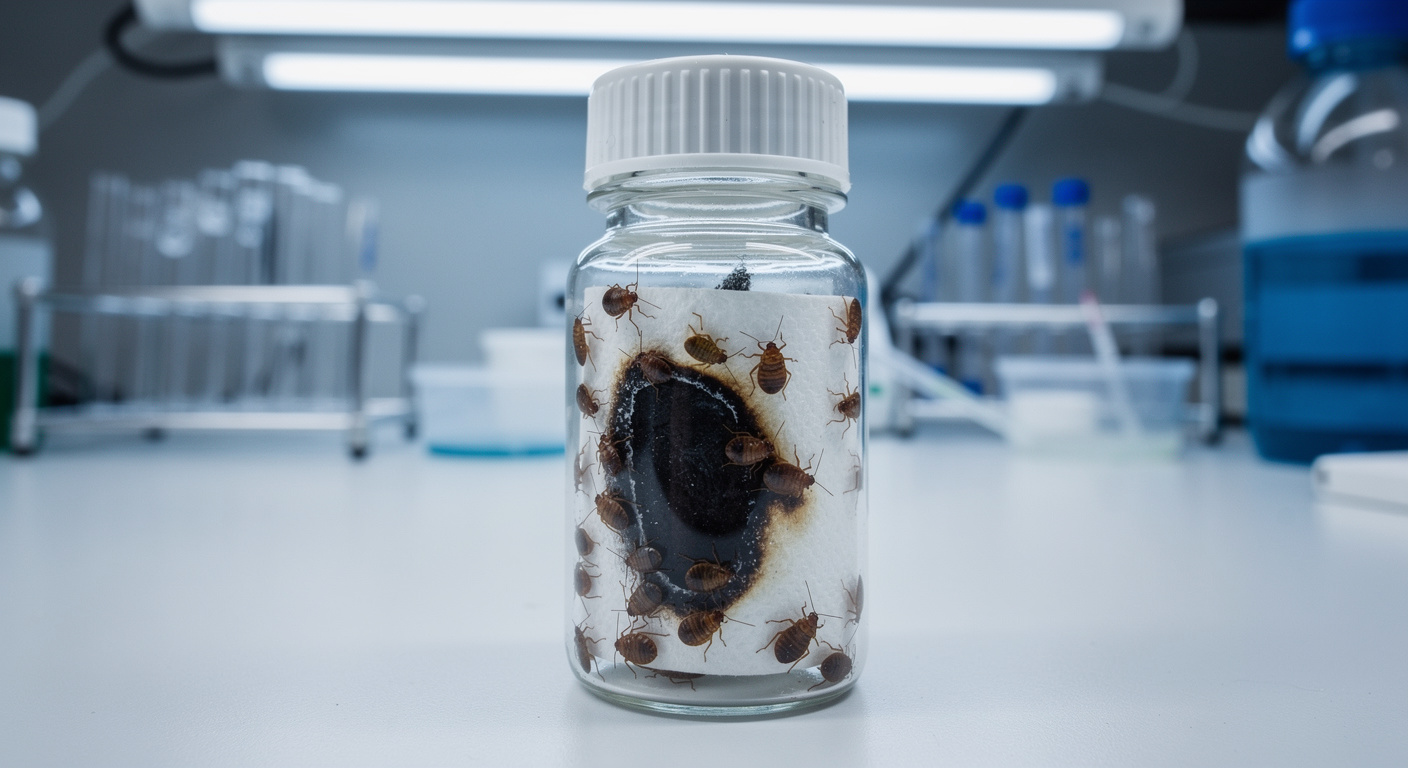
The origin of this discovery is a story of serendipity that took place in Professor Choe’s laboratory. For their research, the scientists raise bed bugs in small containers, such as vials. To feed them, they attach an artificial feeder filled with blood to the top of each vial. The insects then climb up and pierce a thin membrane with their mouthparts to feed.
One day, an incident occurred: the membrane tore slightly. Blood began to leak out and soak a piece of paper placed inside the vial—paper that the insects normally use to cling to. “The leaking blood was slowly soaking the paper from the top of the bottle. I thought the bed bugs would be happy to drink the blood from the paper,” says Professor Choe.
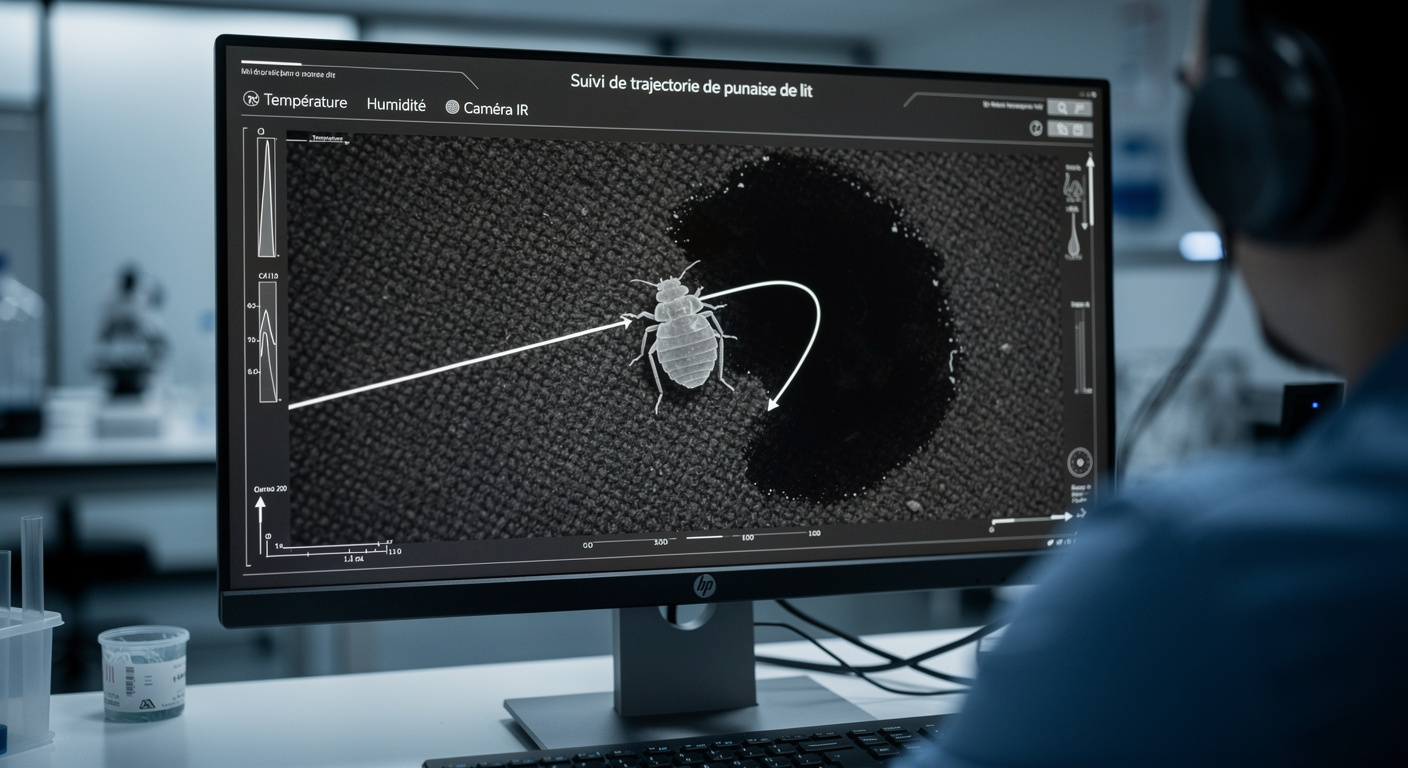
She was completely surprised. “But what I saw was very different. They actively avoided the part of the paper that had become damp with blood. They didn’t even want to go near the wet areas.” Instead of rushing toward this easy food source, the insects were avoiding it. Intrigued, the team then repeated the test with pure water, observing the same avoidance reaction.
The observation was validated by a rigorous experiment
What lessons can be drawn for pest control?
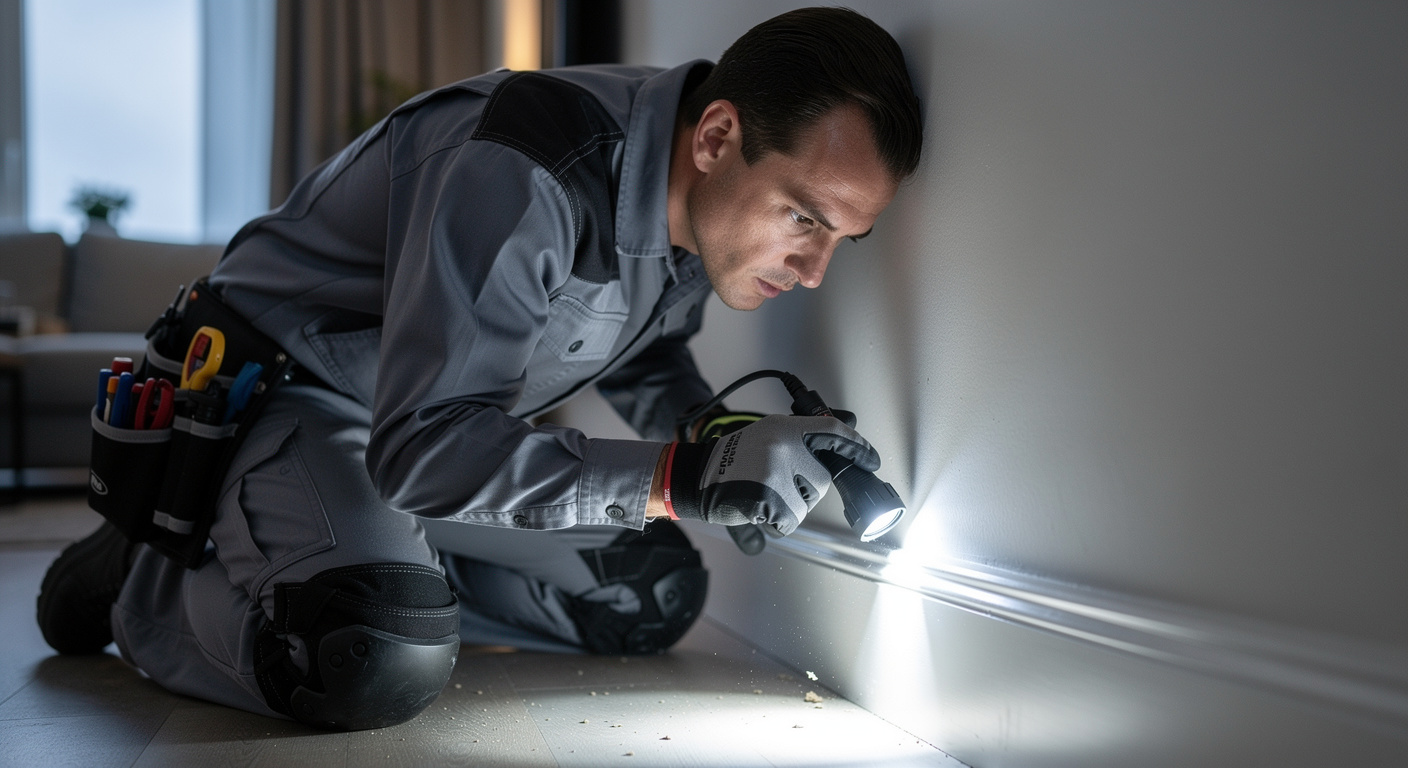
The risk is that if the product is not immediately lethal, the moisture alone could cause the insects to flee the treated areas and seek refuge elsewhere, thereby spreading the infestation to other rooms in a home. “If the insecticides don’t kill the bed bugs right away, then they will leave the treated areas and disperse elsewhere,” confirms Professor Choe. Understanding this behavior is therefore crucial for improving eradication strategies.
Finally, the study offers a simple, practical tip. If someone thinks they have bed bugs on their clothes or skin, water is their ally. “Take a bath. That will solve the problem,” says Professor Choe, before qualifying his statement: “Of course, for bed bugs in the bedroom or on the bed, different approaches will be needed.” While a bath can rid the body of the insects, treating an entire room remains a complex undertaking. This discovery, simple as it may be, adds an essential piece to the puzzle of combating these tenacious pests.
Source: earth.com
The Unexpected Weakness That Could Change the Fight Against Bed Bugs


