

From the Operating Room to Prevention
For five years, Dr. Steven Lu’s daily life felt like a race against time. As an intensive care specialist, he spent his days diagnosing complex illnesses, managing life support systems, and treating patients with advanced organ failure. Through his constant brush with death, he realized that his definition of medical “success” was short-sighted.
“As doctors, we should try to stop these problems before they start, so that people never have to set foot in a cardiac operating room—or even come to the hospital,” he says. This somewhat utopian vision completely reshaped his career. Out with emergency care, in with longevity. He retrained as a specialist general practitioner and launched Everlab in 2023. Today, it is Australia’s leading personal longevity clinic, with plans to expand to the United Kingdom later this year.
At his clinic, they don’t do things by halves. Patients undergo an advanced screening program capable of detecting up to 1,000 diseases. “We help our patients understand themselves through data,” he explains. Precise measurements of body composition, bone density, lipid profiles for cardiac risk, and monitoring of glucose and insulin levels for metabolic function… A multidisciplinary team (doctors, nutritionists, physical therapists) analyzes all of this to create personalized plans. But amid all this technology, one factor overshadows all the others: sleep.
Sleep: The Missing Piece of the Puzzle
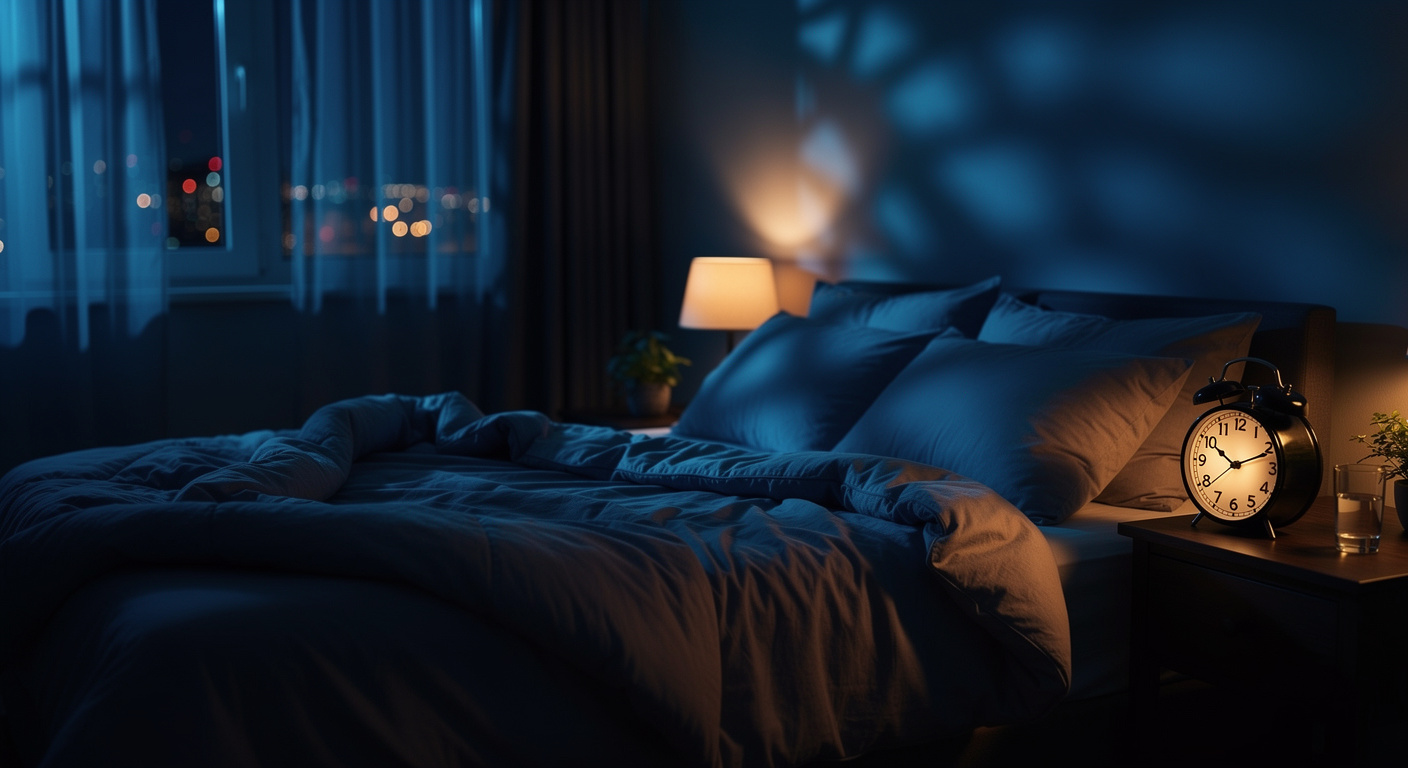
Dr. Lu is adamant: you can compensate for a poor diet or a lack of exercise for a while, but what about insufficient sleep? The damage is immediate. He recounts the recent case of a patient who was doing everything “right”: healthy diet, exercise, and a slew of dietary supplements. Yet he felt drained and mentally foggy. After digging a little deeper, the verdict was clear: he wasn’t getting enough sleep.
“It’s a pattern I see all the time,” explains the doctor. “People optimize almost every aspect of their health, except for the one that actually drives recovery: deep, restorative sleep. ” In practical terms, this shows up in blood tests. Chronic sleep deprivation leads to elevated inflammatory markers, rising insulin resistance (which paves the way for weight gain and diabetes), or abnormally high cortisol levels. As soon as this patient got his sleep back on track, his energy returned and his efforts at the gym finally paid off.
The 3-2-1 Method and the Landing of a Jumbo Jet

So, how do you go about it? Forget the obsession with exactly eight hours. For Dr. Lu, quality trumps quantity. “Judging sleep solely by duration is like judging food solely by calories,” he says. His secret weapon? The “3-2-1” protocol.
- 3 hours before bedtime: Stop eating. Sugary or high-carbohydrate foods trigger insulin, which suppresses melatonin (the sleep hormone). Plus, digestion keeps the body warm, whereas it needs to lower its temperature to sleep.
- 2 hours before: Stop drinking liquids. This prevents you from waking up at night to use the bathroom, ensuring a more restful sleep.
- 1 hour before: Turn off screens. Blue light blocks melatonin and disrupts your circadian rhythm.
Dr. Lu compares falling asleep to the landing of a jumbo jet: “There are hundreds of gauges that have to align perfectly. It’s not an abrupt stop; it’s a gradual process.” ” For him, this “landing” begins… in the morning. He walks his children to school to get some daylight before 10 a.m. A 2025 study published in BMC Public Health confirms that this morning exposure regulates sleep. And be warned: the light from a light bulb isn’t enough!
Teeth, Fiber, and Detective Work
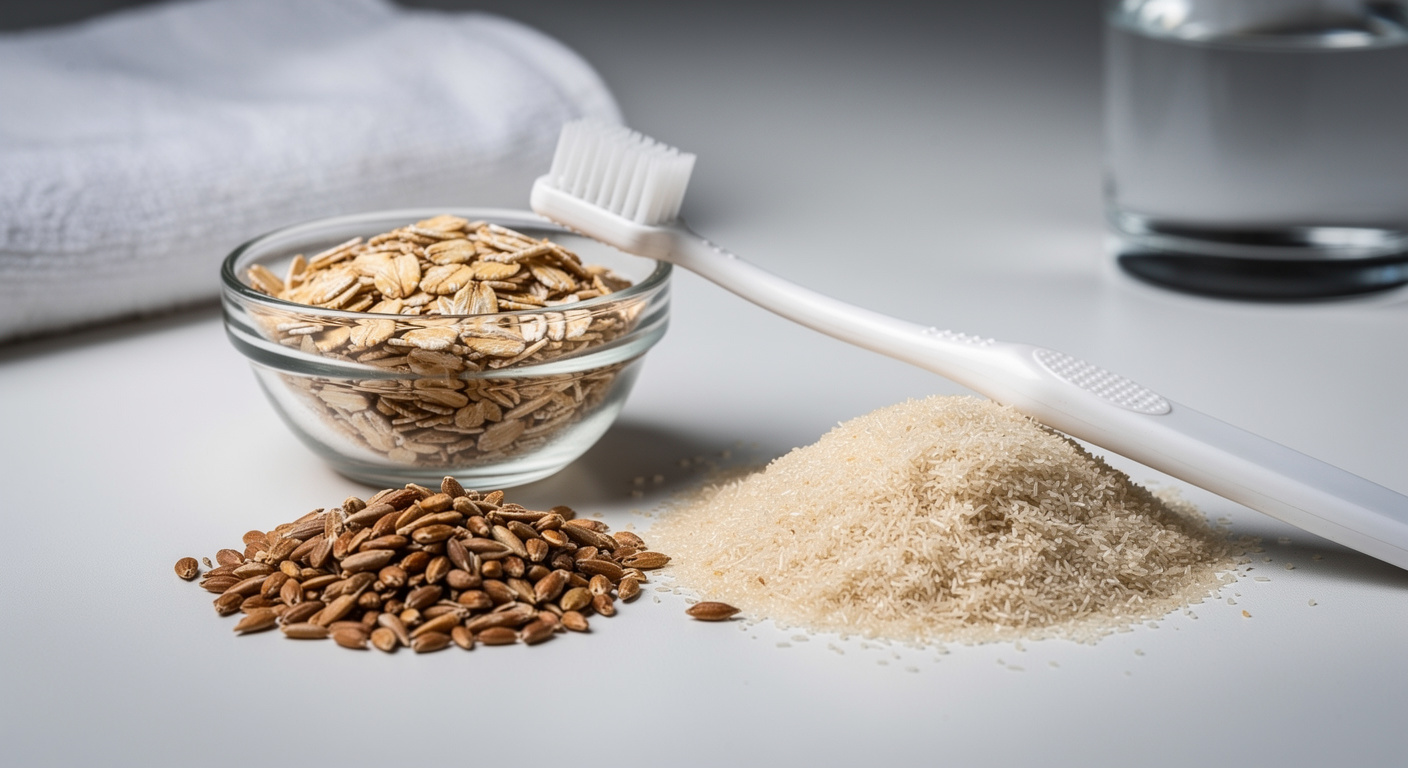
More surprisingly, Dr. Lu places a strong emphasis on… brushing your teeth. “Oral inflammation and gum disease are linked to reduced sleep quality and an increased risk of heart disease,” he warns. A scientific statement from the American Heart Association suggests that bacteria from infected gums can enter the bloodstream. Dr. Lu’s routine is meticulous: interdental brushes, flossing, then brushing. Your gums should be firm and pale pink.
When it comes to diet, he recommends 30g of fiber per day. Why? Because fiber nourishes the microbiome, which influences sleep. A 2023 study in the European Journal of Nutrition shows that the link works both ways: a healthy microbiome helps you sleep, and poor sleep damages the microbiome. The doctor eats plenty of oats and rye for their beta-glucans and recommends psyllium if dietary intake isn’t sufficient.
His final message? Be your own health detective. He cites the example of a 40-year-old mother who exercises regularly and eats healthily but is exhausted. Tests revealed early-onset insulin resistance, mild inflammation, and… poor-quality sleep coupled with high stress levels. By adjusting her sleep and diet, she went from merely surviving to thriving. “Looking at your own family history and your risk factors is already a good first step,” concludes Dr. Lu. You don’t need to change everything at once—all you need is a clear plan.
Source: telegraph.co.uk
Created by humans, powered by AI.
This longevity doctor ranks sleep well ahead of exercise and diet


