

A Major Breakthrough in the Fight Against the Threat of Quantum Hacking
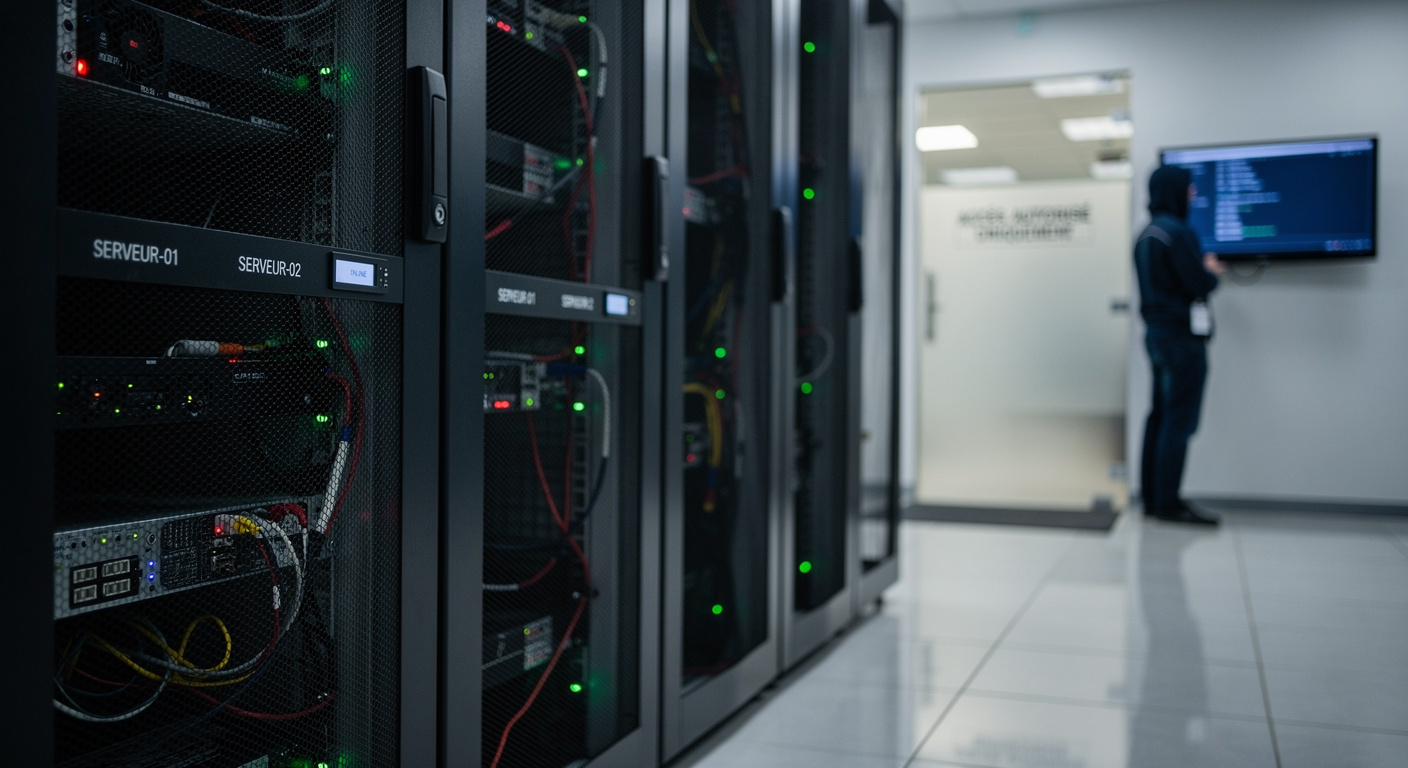
The rise of quantum computers is raising fears for the confidentiality of global communications: these machines could soon break current encryption with alarming ease. To counter this threat, research is accelerating in the field of quantum key distribution (QKD). This security method is based on an absolute physical principle: any attempt at eavesdropping disrupts the quantum state of the data, making the intrusion immediately detectable. Previously limited by technical constraints, this digital shield has just taken a decisive step forward. In a study published in the journal Science, a team of Chinese researchers demonstrated the viability of “device-independent” quantum encryption over metropolitan distances, reaching 100 kilometers via fiber optics for the first time.
Overcoming Hardware Vulnerabilities
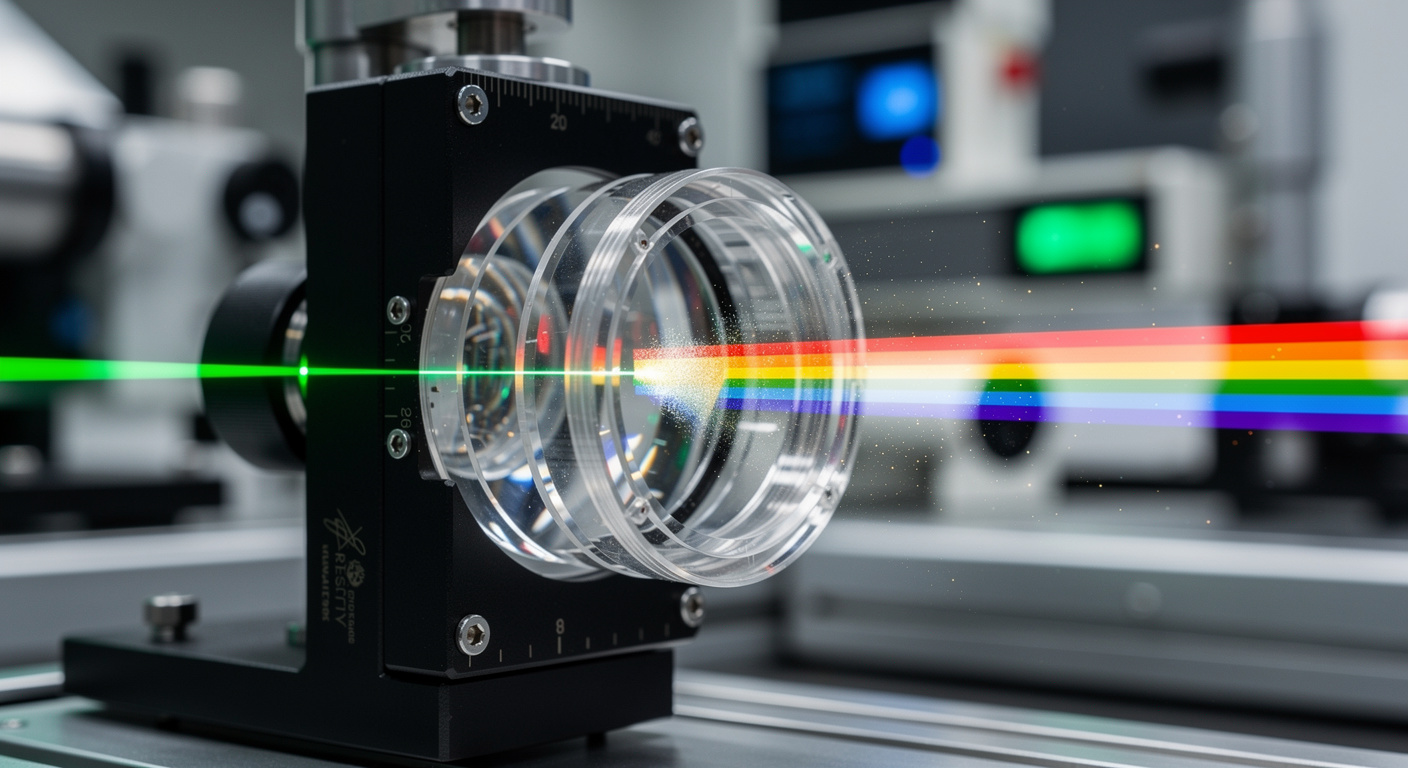
The alternative being studied by scientists is “device-independent” QKD (DI-QKD). This system uses entangled particles: if a hacker attempts to intercept the message, the entanglement state is broken. Security no longer depends on the reliability of the hardware, but on the laws of physics. However, this method has so far faced technological barriers. Early attempts, using trapped ions or photons, were only able to generate valid keys over a few hundred meters. Subsequent advances in frequency conversion were not enough to make DI-QKD viable, as researchers constantly struggled with challenges related to the fidelity of entanglement and the efficiency of detection.
A Technological Leap on a Metropolitan Scale
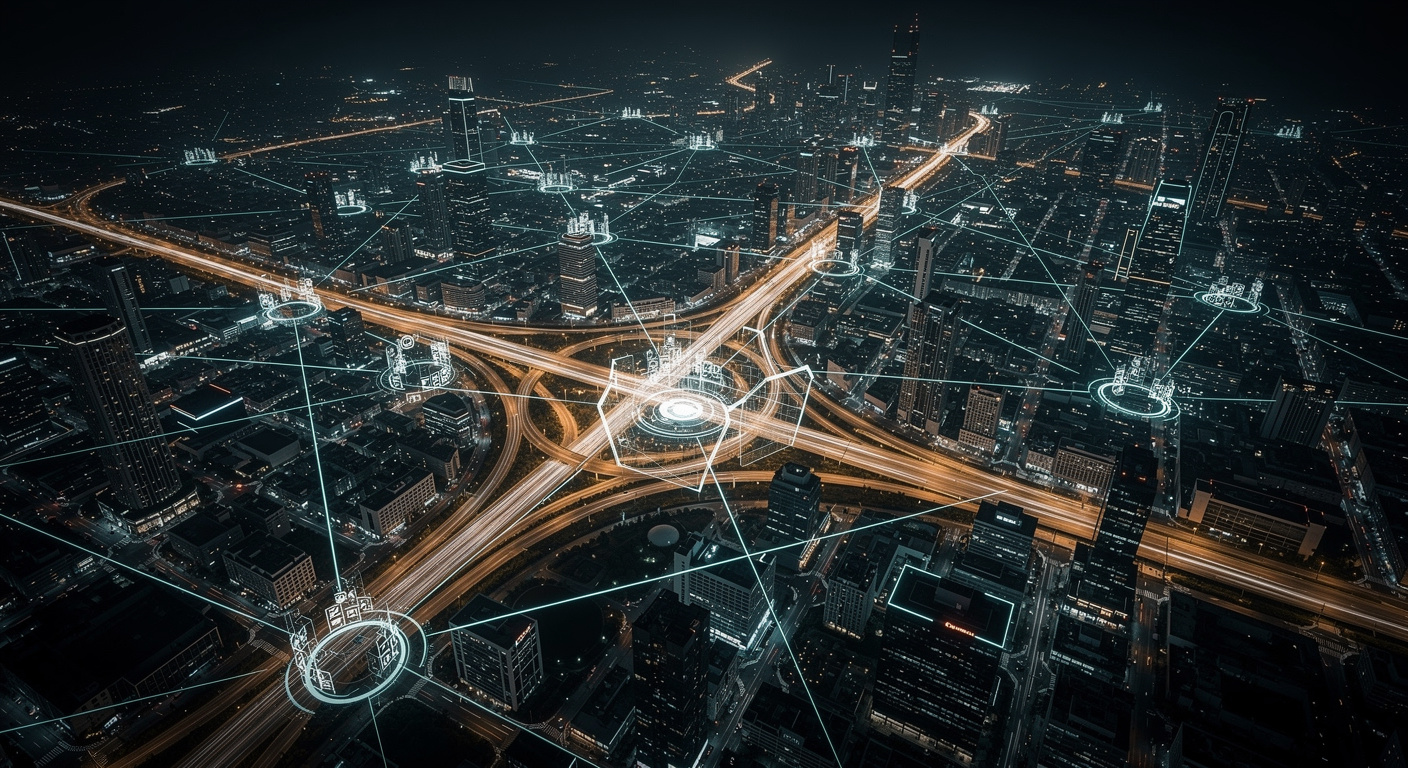
The results are compelling. The researchers achieved high-fidelity atom-atom entanglement and positive secure key rates over tested distances of 11, 20, 50, 70, and 100 km. As the study’s authors point out: “The use of the single-photon interference scheme for announcing long-distance entanglement allowed us to achieve a metropolitan entanglement rate several orders of magnitude higher than the two-photon-based schemes used in previous DI-QKD experiments.”
A crucial point for security: violations of the CHSH Bell inequality—which prove the presence of quantum entanglement—were maintained at all distances, ensuring the generation of secure keys up to a threshold of 100 kilometers.
Toward Practical Application Despite Obstacles
The study’s authors remain optimistic about the scope of their work: “The demonstration of device-independent QKD on a metropolitan scale helps bridge the gap between proof-of-concept quantum network experiments and real-world applications.” Beyond simple encryption, this architecture offers a versatile platform for quantum random number generation (DI-QRNG) and self-testing of quantum devices, and serves as a fundamental test bed for quantum mechanics itself. This high-fidelity entanglement could become the essential building block for scaling future quantum networks.
Source: phys.org
Created by humans, assisted by AI.
This quantum distance record could make our communications completely secure
This content was created with the help of AI.


