

A forgotten agreement gathering dust
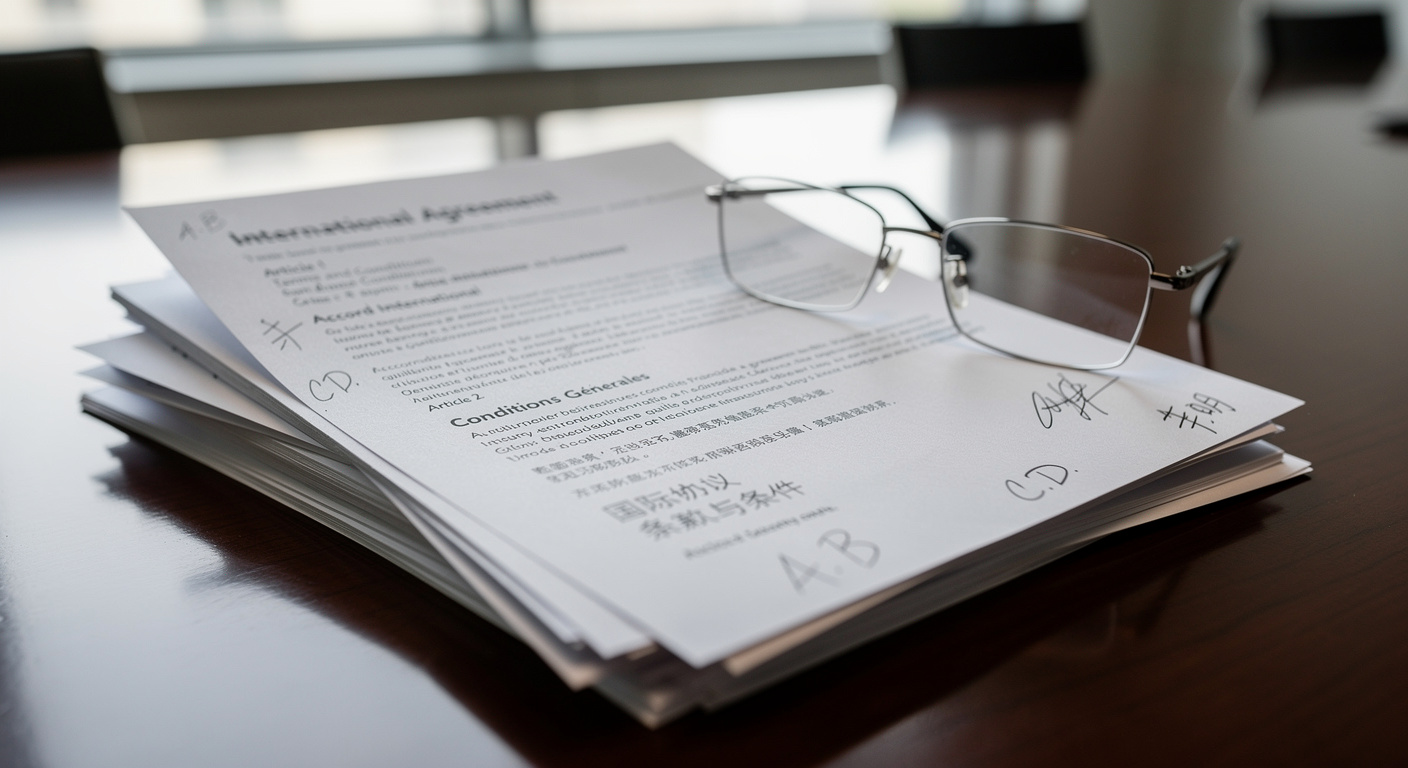
According to the diplomat, everything has been ready since April 2025. Absolutely everything. Teams in Ottawa and Taipei have worked tirelessly to produce three versions of the document: in English, French, and Mandarin. Harry Tseng is adamant: “There was nothing left to negotiate. That tells you just how close we were to the final signature.”
Normally, in the hushed world of diplomacy, a document initialed by both parties is considered final. “That must be respected,” insists Mr. Tseng, who makes no secret of his bewilderment. This framework agreement, about ten pages long, is no trivial matter. It aims to strengthen ties with Taiwan, Canada’s sixth-largest trading partner in Asia. On the agenda? Digital trade, the energy transition, and—a hot-button issue if ever there was one—the resilience of supply chains, particularly for precious semiconductors.
Beijing’s shadow looms over Ottawa
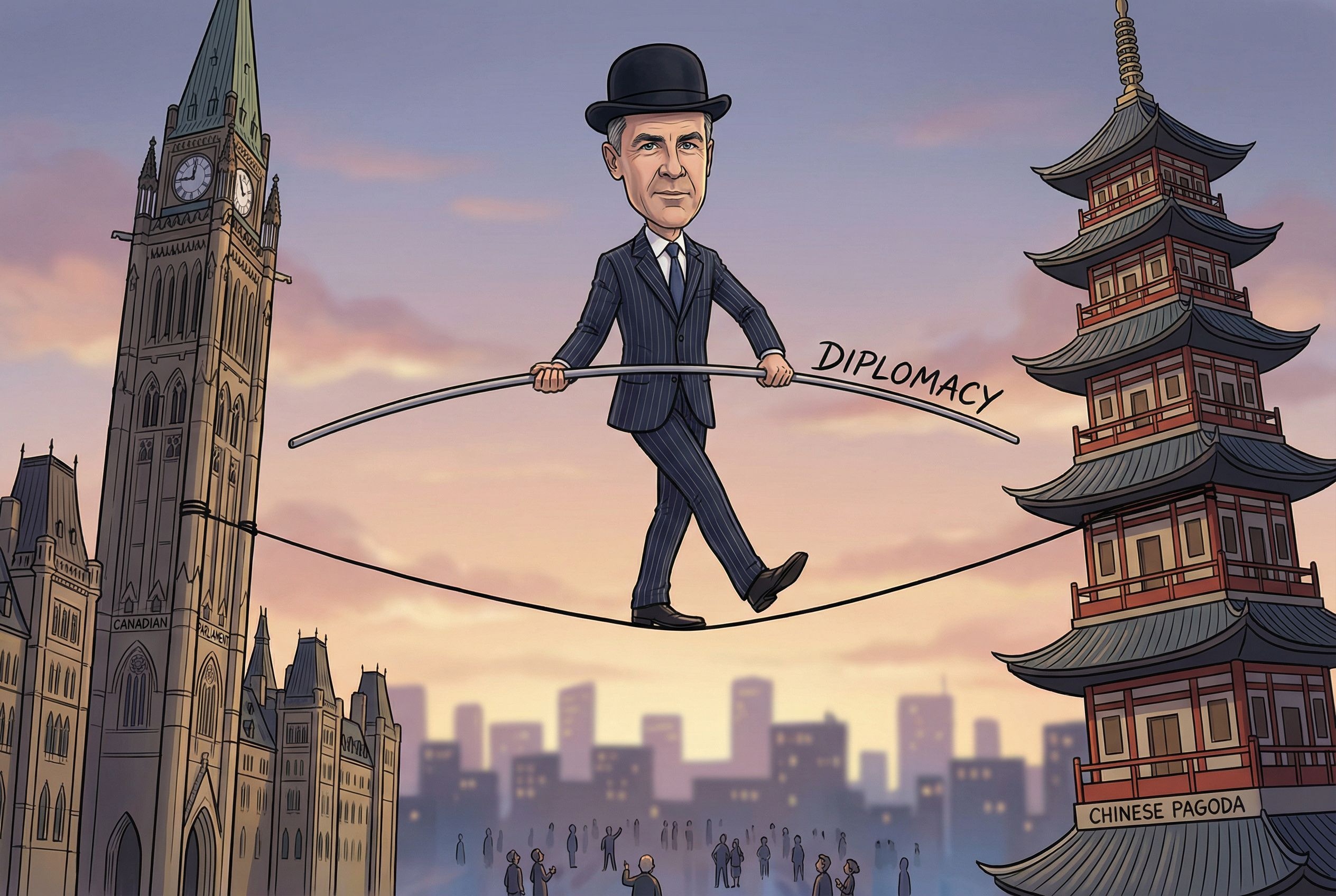
So why the radio silence? For the Taiwanese representative, the answer lies with China. He openly suspects Ottawa of stalling to avoid upsetting the Asian giant. It must be said that the timing is troubling. The diplomat points to a contradiction between the words and actions of Mark Carney’s government.
Since taking office, Mark Carney has taken a pragmatic approach toward Beijing. Last January, he even traveled to China to seal a “new strategic partnership,” which included the elimination of several tariffs. But this rapprochement comes at a price. A few days before this official trip, an incident raised eyebrows among observers: the government asked two Liberal MPs, Marie-France Lalonde and Helena Jazcek, to cut short their parliamentary mission to Taiwan. The reason given? To avoid any “confusion” regarding Canadian foreign policy and not to irritate the Chinese regime.
Harry Tseng is now calling on Ottawa to show “courage.” He asks, “We trade with every country. We even trade with China. Why should Beijing be able to prevent countries from trading with Taiwan?” For its part, Global Affairs Canada is taking a cautious approach. The department confirmed to us via email that an agreement was indeed reached in March 2025, but noted that “review of the next steps” is still underway.
A missed opportunity for the economy?
This hesitation has not gone unnoticed in the House of Commons. For Simon-Pierre Savard-Tremblay, Member of Parliament and the Bloc Québécois’ spokesperson on international trade, there’s no smoke without fire. “I don’t see any other reasons,” he says, convinced that the government is delaying the signing out of fear of Chinese retaliation.
For the lawmaker, who visited Taiwan in 2022, this makes no economic sense. “We keep saying that we need to diversify, that we need reliable partners,” he points out. He emphasizes that Taiwan checks all the boxes: it is a democracy and a market economy. Quebec, in particular, would have much to gain from this rapprochement, especially in cutting-edge sectors such as green technology and artificial intelligence.
Ironically, the United Kingdom, for its part, took the plunge by signing a similar agreement with Taiwan last June. Meanwhile, Ottawa, through Samantha Lafleur, spokesperson for Global Affairs Canada, points out that its 2022 Indo-Pacific strategy does indeed call for developing ties with the island. But note: this is always strictly within the framework of the “One China” policy, which limits relations to unofficial exchanges.
Final Thoughts
In short, we have a finalized, translated, and ready-to-use agreement gathering dust in a ministry drawer. On the one hand, there is a clear economic opportunity with a key democratic partner for future technologies. On the other, there is diplomatic concern about disrupting the complex, recently restored relationship with China. It remains to be seen whether the “courage” called for by Taiwan will ultimately prevail over Ottawa’s calculated caution.
Source: ici.radio-canada.ca
Created by humans, assisted by AI.
Trade Agreement: Taiwan Fears Ottawa May Back Out Because of Beijing
This content was created with the help of AI.


