

An unusual bloom with a honey-like scent
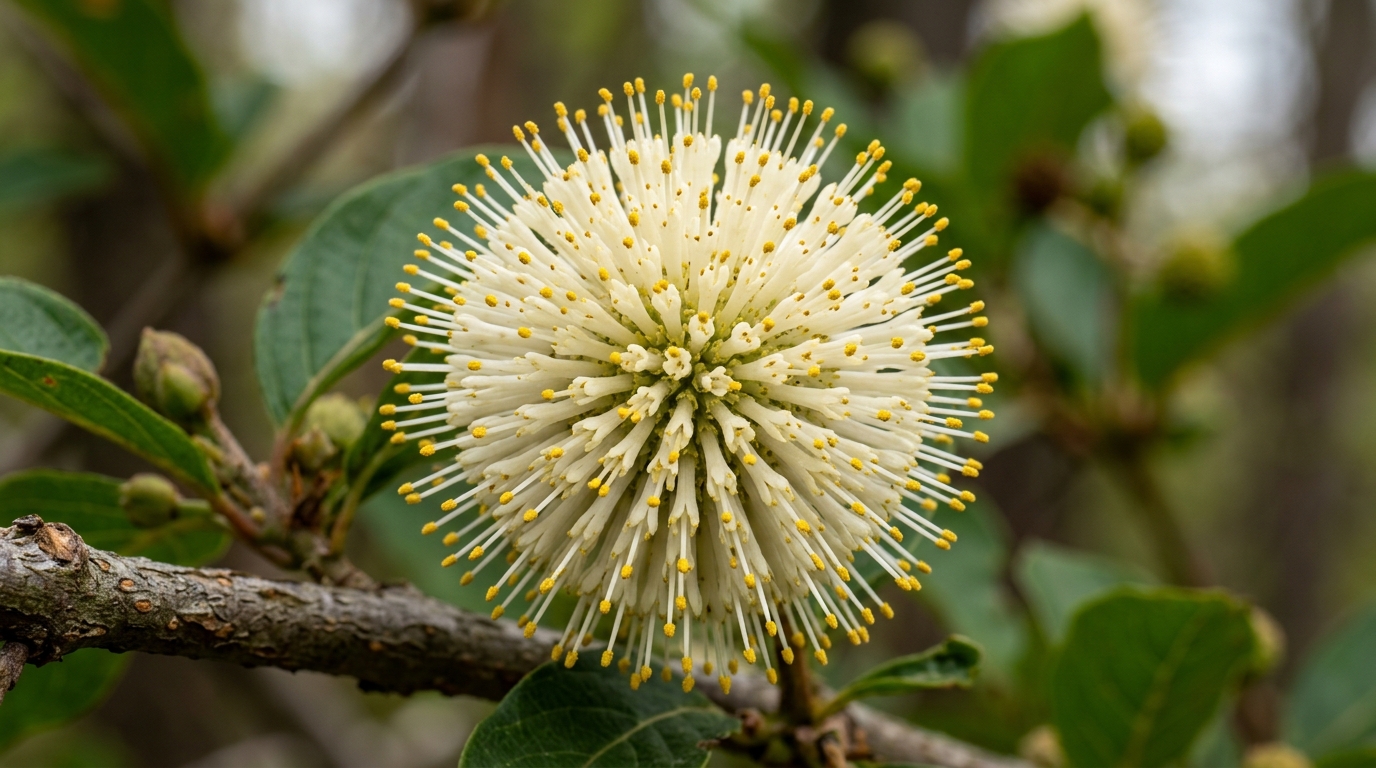
In an article published on May 28, 2026, author Arricca Elin SanSone highlights a North American native shrub that is well worth a place in any green space. Known as western cephalanthus, buttonwood, or “honeybells,” Cephalanthus occidentalis is an excellent choice for creating a privacy hedge or adding interest to a wetland area in the garden.
A constant attraction across multiple seasons and a refuge for wildlife
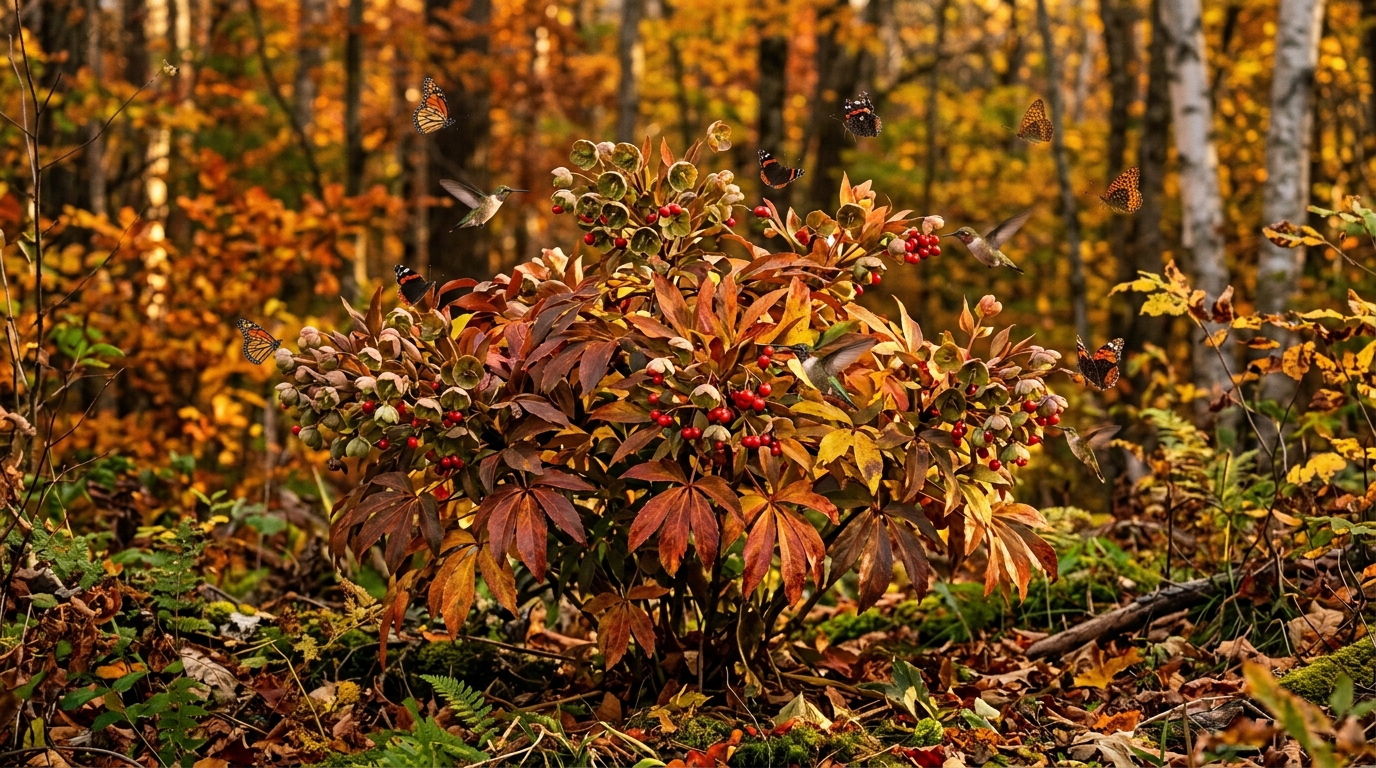
Local wildlife benefits greatly from this plant’s presence. The flowers act as a magnet for pollinators, attracting numerous bees, butterflies, and hummingbirds. The leaves, meanwhile, serve as food for the larval stages—that is, the caterpillars—of the hydrangea hawk moth and the titan hawk moth. An added bonus for gardeners is this species’ natural resistance to deer.
Growing requirements for this wetland plant
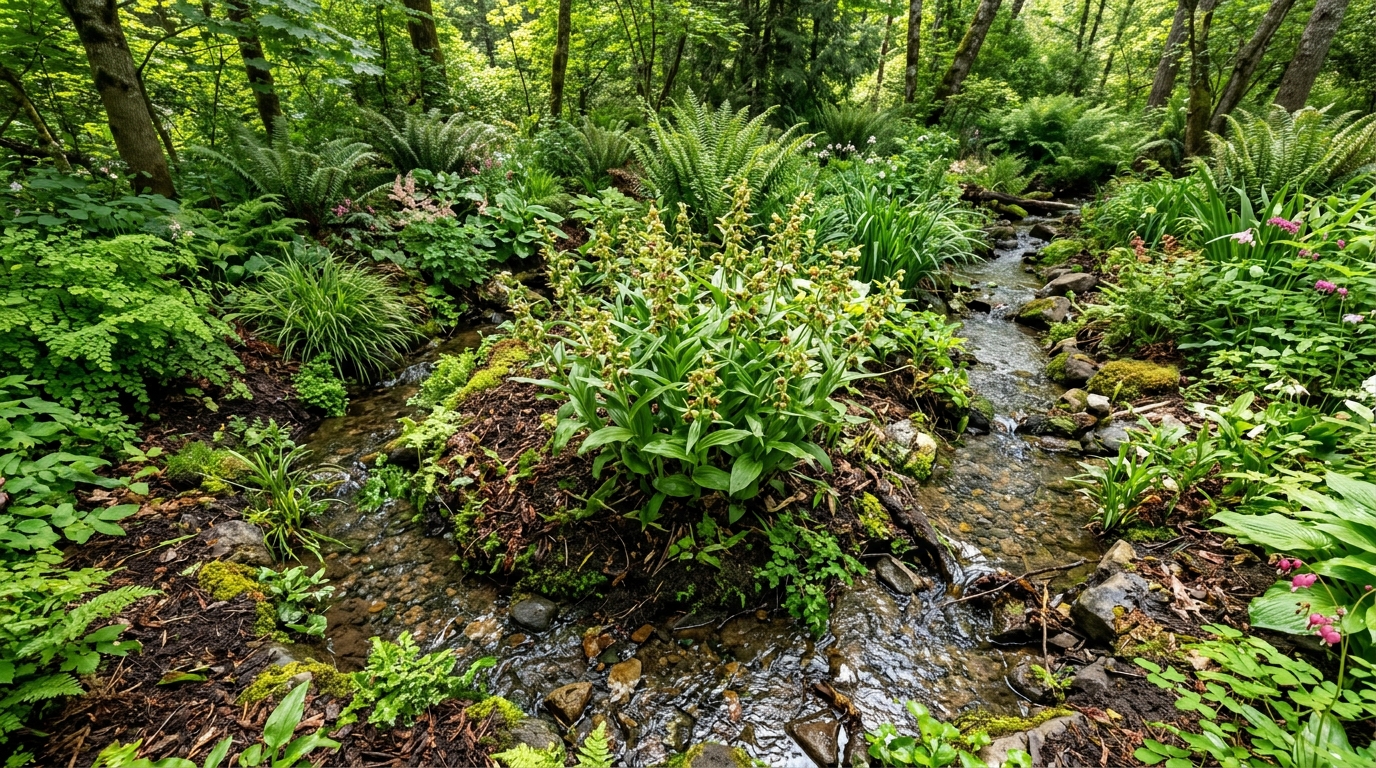
Belonging to the Rubiaceae family, this fast-growing plant thrives naturally in wetlands, making it an ideal candidate for low-lying areas and rain gardens. Native to North America, it thrives in USDA hardiness zones 5 through 10, which you can check online. As it grows, it may form clumps by producing suckers—a characteristic to keep in mind when planting. It is also known for being a bit slow to develop leaves in early spring.
Its imposing size—reaching up to 15 feet tall (about 4.5 meters)—makes it unsuitable for planting along a foundation, while its sometimes irregular shape complicates its use as a specimen plant. At maturity, the standard size ranges from 5 to 12 feet in height and 3 to 8 feet in spread. The plant requires full sun, defined as a minimum of 6 hours of direct sunlight per day. It tolerates partial shade, but full shade will significantly reduce its flowering.
The soil must remain moist at all times. This shrub thrives near waterways or in marshy areas that do not dry out completely until late in the season. It does not tolerate drought and requires regular watering if planted in a drier environment. Fertilizer is not strictly necessary, although a general-purpose slow-release granular fertilizer, applied according to label instructions, can be spread around the base in early spring to stimulate growth. Pruning should be done in late winter or early spring, as flowers appear on the season’s new growth. If the plant becomes too invasive, severe rejuvenation pruning—cutting the plant back to near its base before the leaves emerge—helps control its size.
The “Sugar Shack” variety: compact and elegant
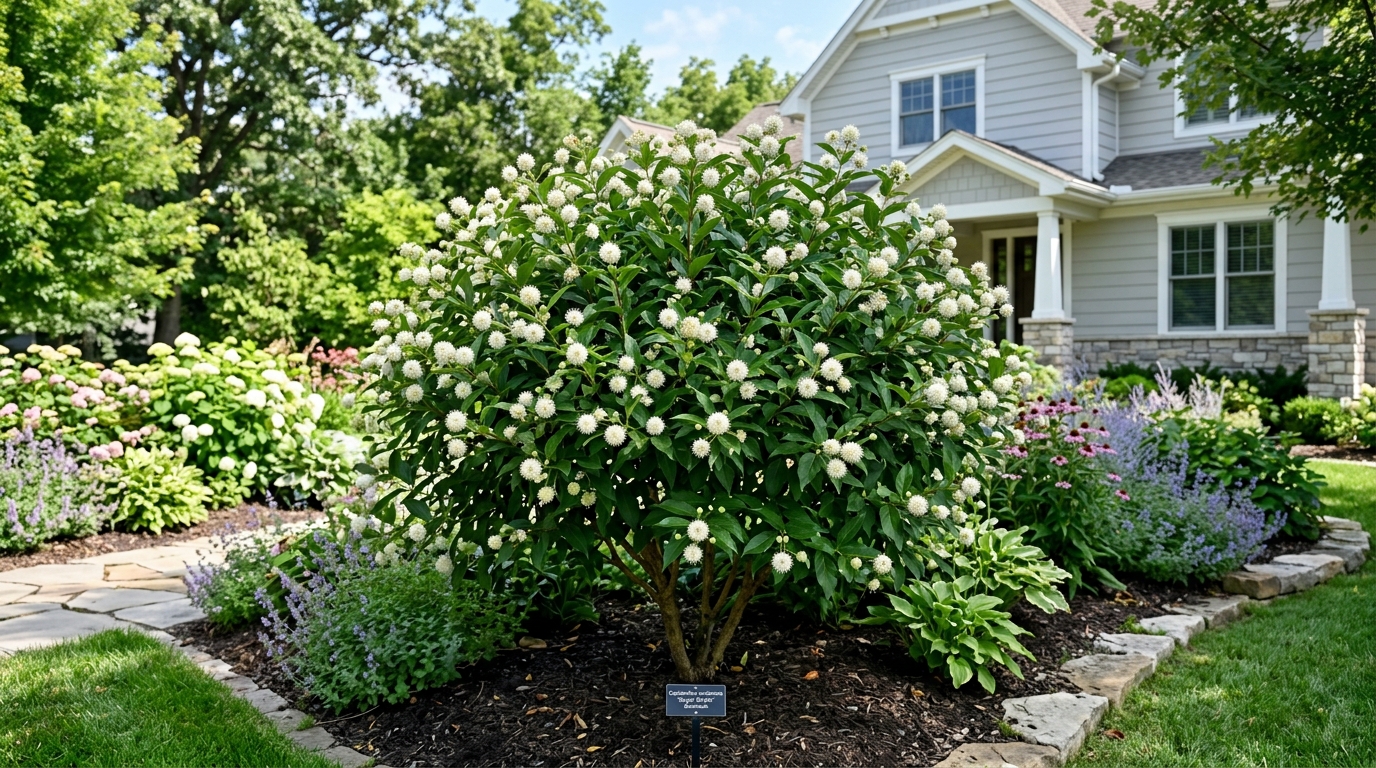
The variety known as “Sugar Shack” stands out for its compact size. It typically reaches a height and width of 4 to 5 feet. This moderate growth results in a neat-looking shrub, perfectly proportioned to blend harmoniously into small private gardens.
The “Fiber Optics” cultivar: a unique weeping habit
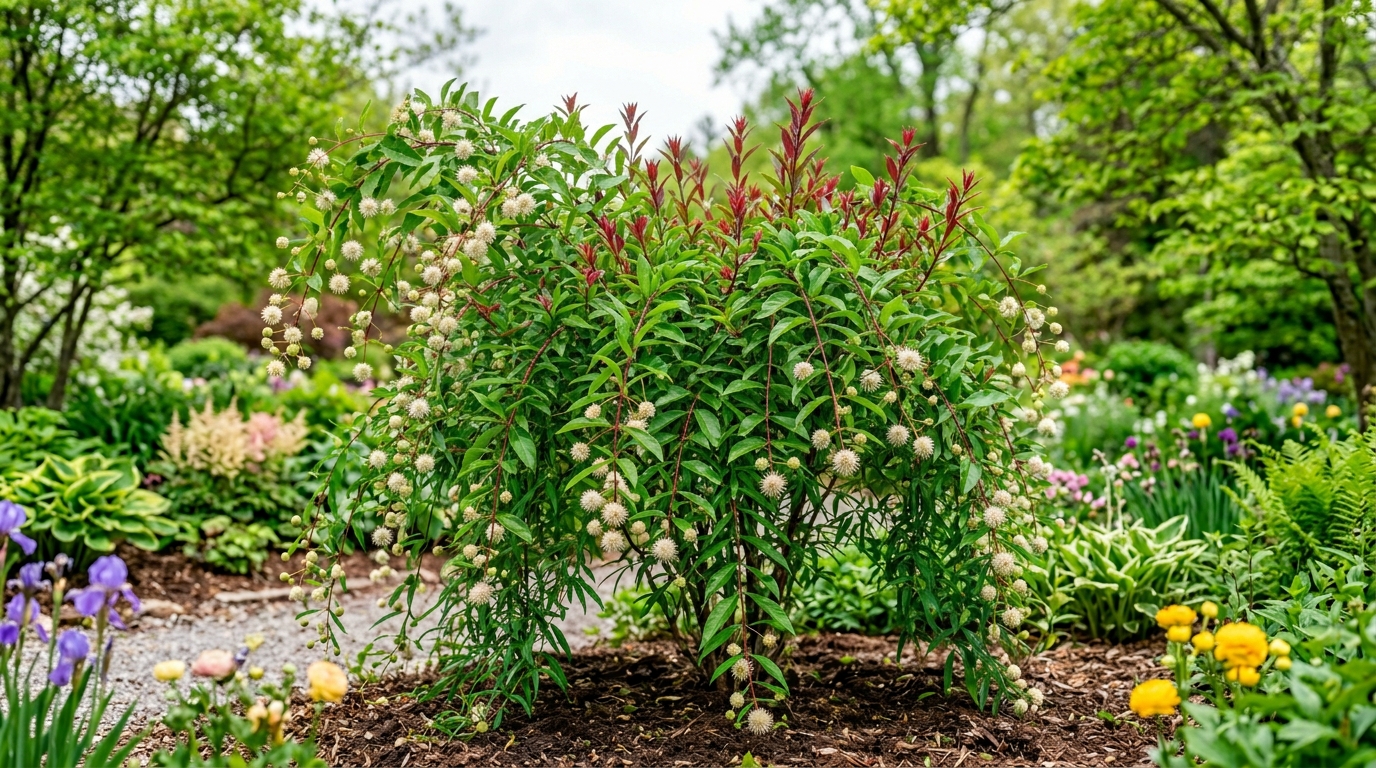
The "Fiber Optics" cultivar has a slightly different growth profile. It maintains a height and width of about 5 to 6 feet. Its main distinguishing feature is its weeping habit, which creates a very graceful, cascading silhouette. The new shoots that emerge on this cultivar also display a distinctive reddish hue.
The “Sputnik” variety: fullness and pink hues
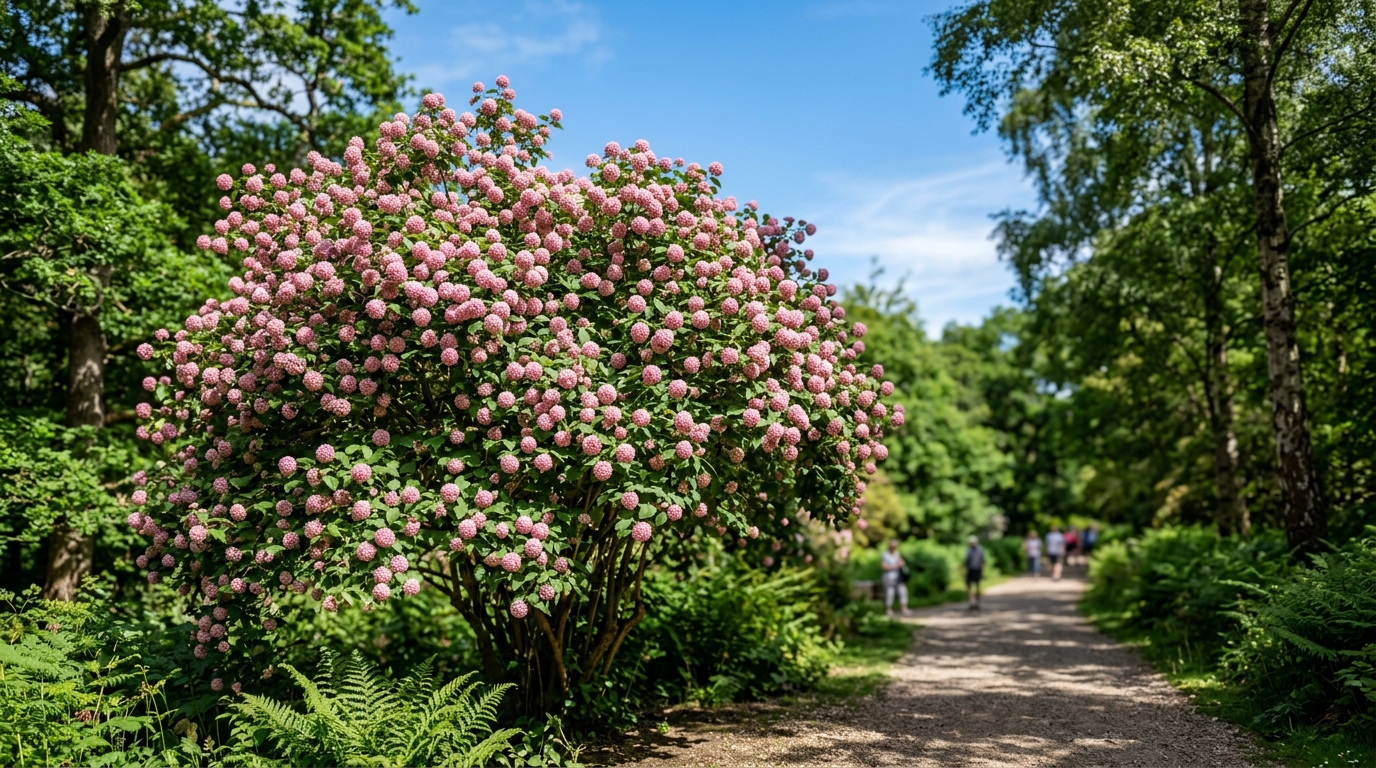
For larger spaces requiring more substantial volume, there are varieties that retain the shrub’s natural spread while adding a unique touch of color. This variety provides an interesting visual contrast to traditional white flowers.
The variety known as “Sputnik” stands out for its majestic stature. This shrub can grow to a height of between 10 and 15 feet. In addition to its overall shape, which is noticeably rounder than that of other cultivars, it is unique in producing striking pink flowers.
Exercise extreme caution regarding toxicity to animals
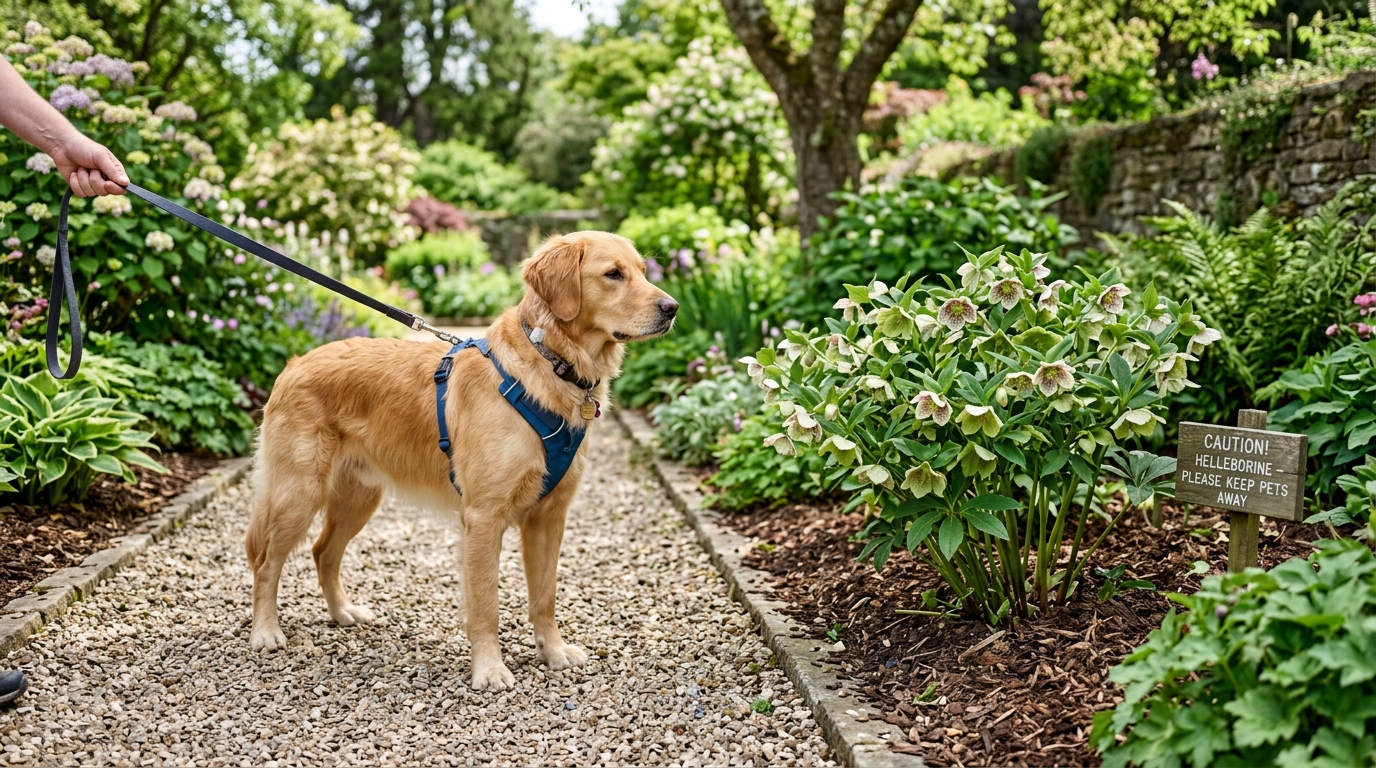
When in doubt, acting quickly is essential. If you suspect your pet has nibbled on part of the plant, contact your veterinarian immediately, even if you’re not absolutely certain. As the saying quoted by the author goes: “It’s always better to be safe than sorry.”
Source: countryliving.com
Western Cephalanthes: The Fragrant Shrub That Captivates Botany Enthusiasts


