

The Asteroid Paradox in Earth’s History
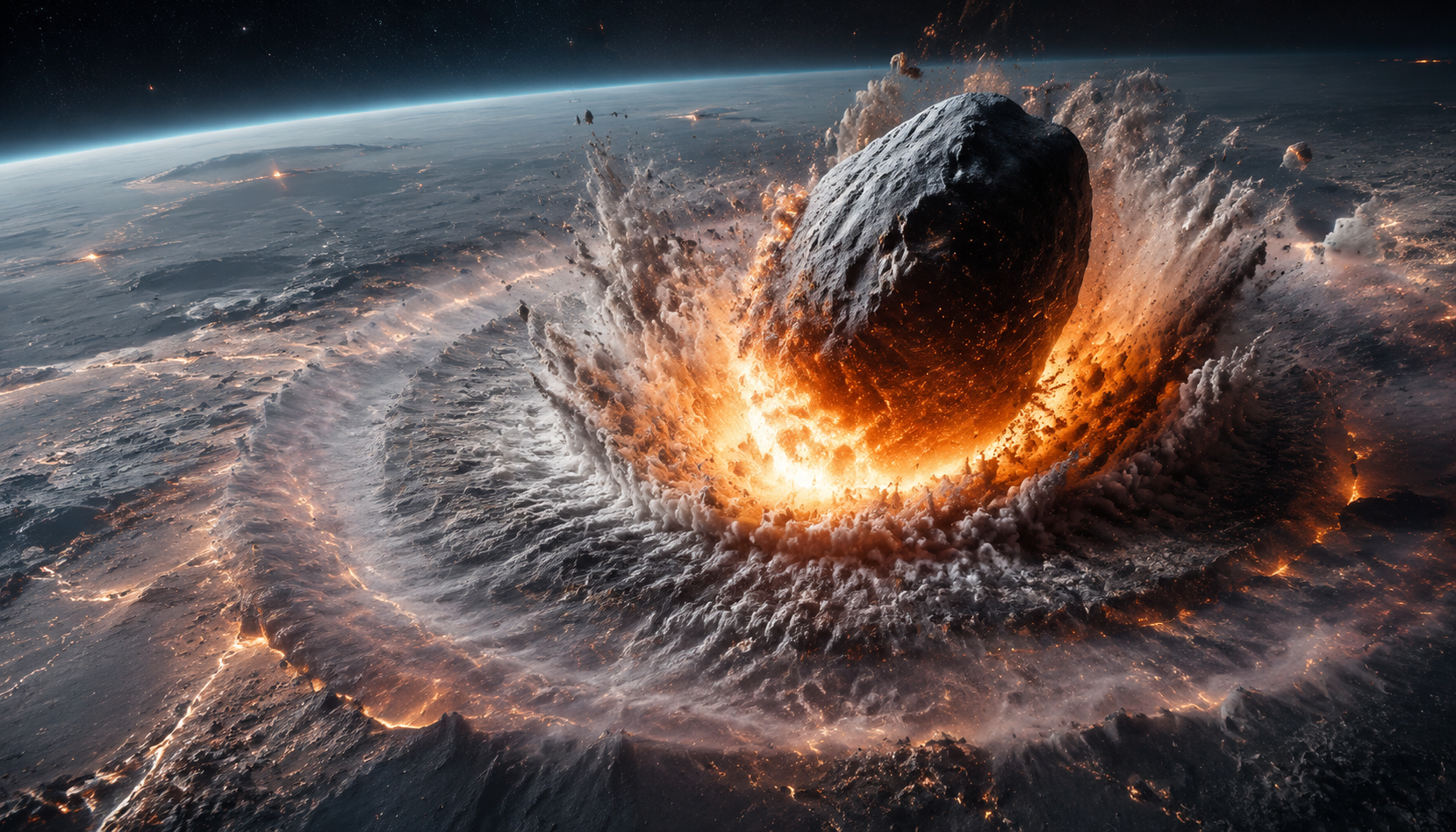
Asteroid impacts have a sinister reputation. The space rock that struck an area near the Yucatán Peninsula about 66 million years ago contributed to the extinction of the dinosaurs. This catastrophe is the most common mental image that comes to mind when a massive collision is mentioned.
The planet formed about 4.5 billion years ago, and the period that followed was far from calm. According to a study led by planetary scientist Amanda Alexander and her colleagues at the Southwest Research Institute (SwRI), these impacts shaped the ground in unexpected ways throughout the planet’s first 2.5 billion years.
A Planetary Crust Fractured by Relentless Bombardment
Heat, Water, and the Emergence of Early Reactions
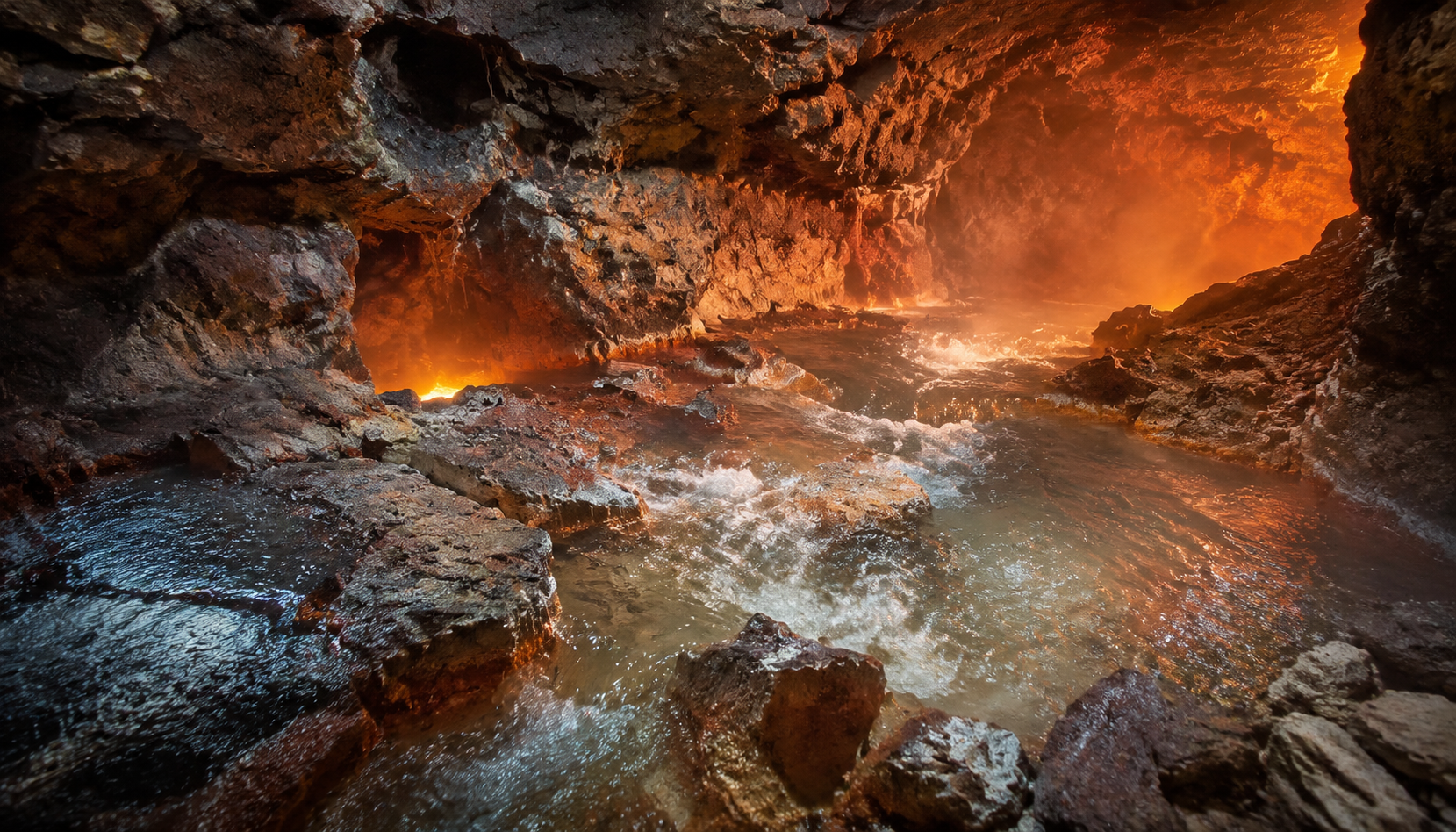
Each asteroid impact injected phenomenal amounts of heat into the ground. Combined with the heat already rising from the Earth’s interior, this energy forced scalding fluids through the fractured rock. This environment provided the exact conditions in which prebiotic chemistry—the set of reactions preceding the emergence of life—could begin.
These underground networks of circulating hot water form hydrothermal systems, similar to the natural plumbing beneath the geysers in Yellowstone National Park. According to the team’s calculations, a single major impact could generate hydrothermal activity up to 100 times greater than what Yellowstone produces today.
The idea that impacts fueled hot-water systems is not new; a study of an ancient giant crater revealed that its plumbing likely operated for hundreds of thousands of years. “Although often viewed as catastrophic in the context of the dinosaur extinction, the meteorite bombardment was likely also critical for creating environments conducive to prebiotic chemistry,” Alexander said.
Computer simulation of meteorite impacts
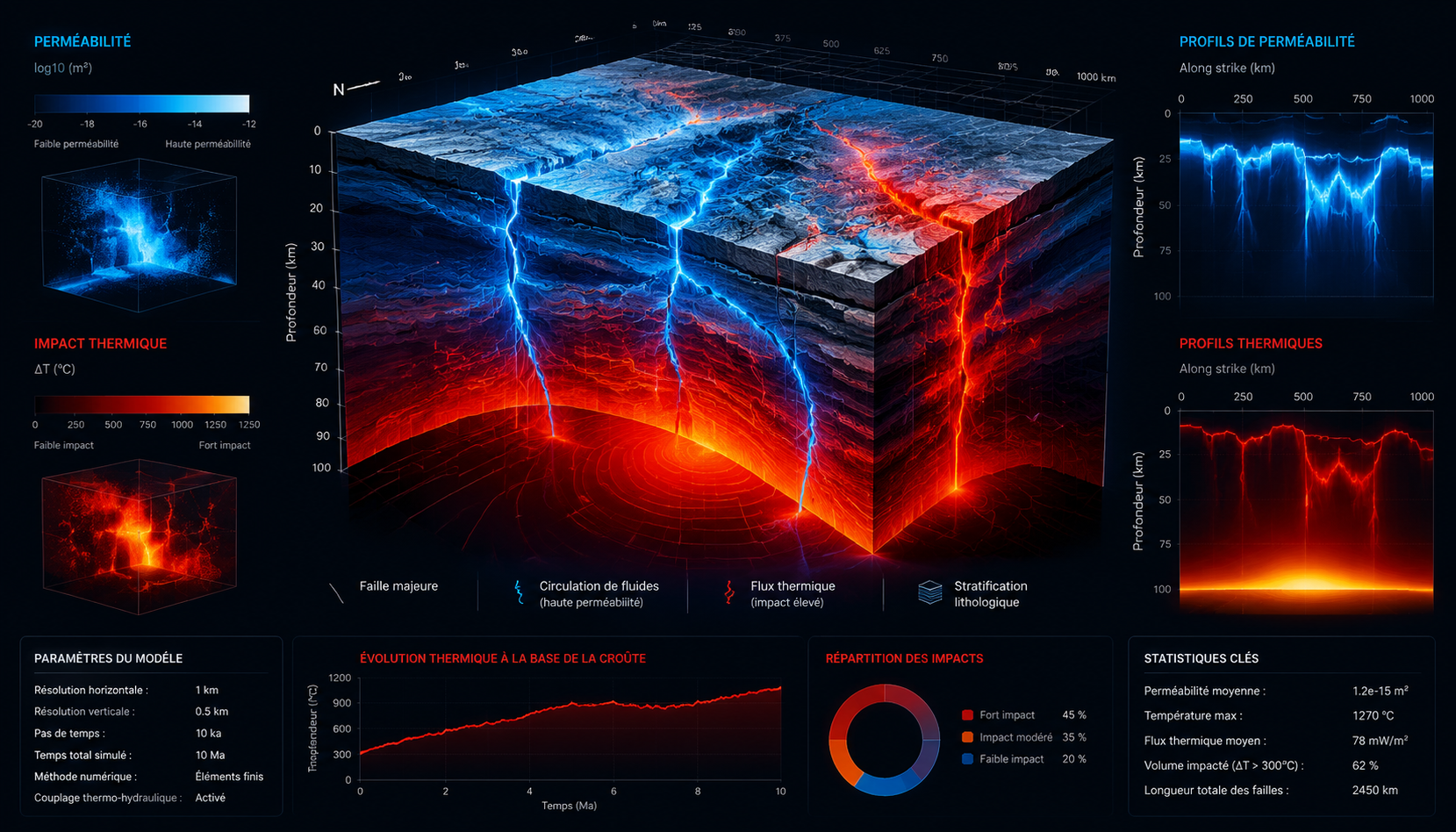
To capture a complete picture, the team incorporated a model of impact frequency over time, stacking the effects of each impact one after another over hundreds of millions of years. The volume of crust fractured by an asteroid impact depended primarily on the asteroid’s energy, with larger and faster asteroids causing more damage. The degree of permeability of this fractured rock depended on the temperature and composition of the crust. Taken together, the models suggest that the top 5 miles (8 kilometers) of the Earth’s crust were highly permeable about 4.3 billion years ago. A substantial portion of this fluid-permeable rock likely remained open until about 3.5 billion years ago.
New Horizons for Research into the Origins of Life
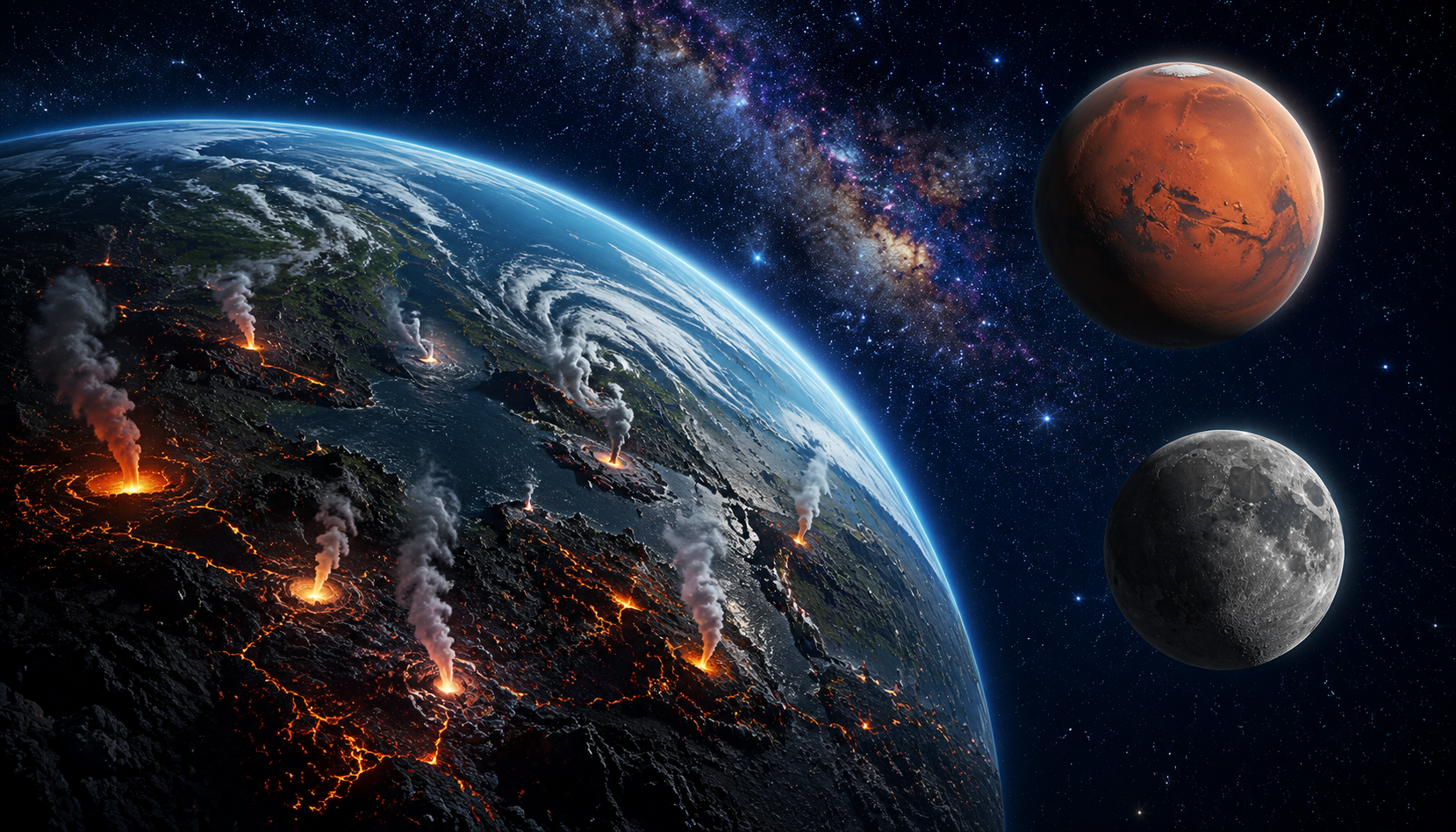
The implications of this discovery extend beyond our atmosphere. The same bombardment that shaped Mars and the Moon also pounded the early Earth. If these models prove correct, the conditions described could have existed on other young worlds—a prospect that significantly broadens the search for places in the universe where life might have begun to thrive.
Source: earth.com
Asteroid impacts may have helped life emerge on early Earth


