Skip to content

The Debate Over Inflammation and Dairy Products

Cow’s milk plays a central role in contemporary discussions about nutrition and public health. Once considered an essential part of daily life, it is now the subject of widespread criticism, with some people blaming it for various health conditions.

In the face of these often polarized viewpoints, an analysis of scientific data offers a more nuanced perspective. A review of rigorous studies on the physiological effects of milk provides an opportunity to understand its true impact, beyond sweeping claims and popular beliefs.

Genetic Profiles and Lactose Tolerance

Assessing the inflammatory nature of milk requires taking into account each individual’s genetic makeup. The body’s ability to produce lactase, the enzyme responsible for digesting lactose, is the primary determining factor. In people with optimal tolerance, milk consumption does not trigger any inflammatory response.

The situation differs significantly for those with intolerance. The lack of proper digestion leads to a buildup of sugars in the digestive system, thereby causing irritation of the intestinal walls and the onset of inflammation. Current data suggest that only a small proportion of the population possesses the enzymatic capacity required to fully digest lactose.

The influence of proteins: A1 casein versus A2 casein

Changes in farming methods and industrial selection of cows have altered the molecular structure of milk proteins. Current production is characterized by a predominance of A1-type casein. The digestion of this protein is accompanied by the release of a specific peptide, identified for its ability to activate inflammatory receptors within the body.

However, alternatives with a distinct protein profile do exist. Milk from goats, sheep, or heritage cattle breeds consists mainly of A2 casein. This molecular variant is scientifically recognized for being much easier for the digestive system to process.

Insulin secretion and dermatological effects

Metabolic analysis of milk reveals a particularly high insulin index. Although its sugar content is moderate, consuming it leads to a sudden and significant increase in blood insulin levels. This massive hormonal release stimulates various cellular growth factors, resulting in increased sebum production.

Scientific research has shown a direct correlation between high milk consumption and the development of acne or other skin conditions. This cascade of hormonal reactions contributes to creating and maintaining an inflammatory environment in the skin.

The consequences of industrial heat treatments

The demands of modern distribution require that milk undergo intense heat treatments before it is sold. Pasteurization and homogenization processes alter the original structure of proteins and destroy the enzymes naturally present in raw milk.

While these industrial methods ensure the product’s stability on supermarket shelves, they make the work of human digestive enzymes more difficult. This difficulty in digestion can lead to irritation of the consumer’s intestinal barrier.

Scientific summary and individual recommendations
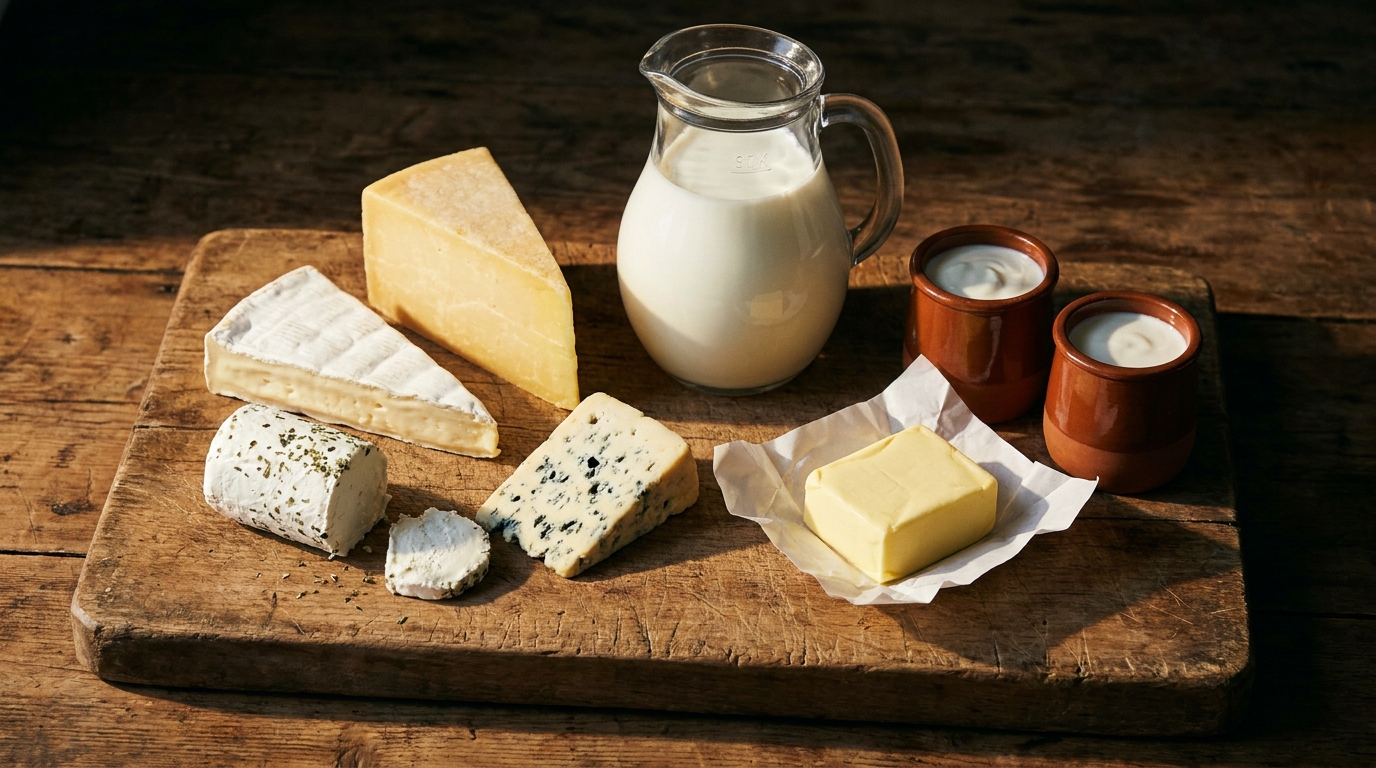
Recent scientific meta-analyses highlight the absence of a direct correlation between the consumption of high-quality dairy products and elevated inflammatory markers in healthy adults. However, these positive findings are negated in cases of excessive consumption or when ultra-processed products are ingested, such as dessert creams or industrial cheeses. Moderation and product selection are key factors.

Research shows that milk is not inherently inflammatory, but its effects vary depending on the quality of the product and individual sensitivity. Reducing consumption is recommended for people with intestinal sensitivity or difficulty digesting lactose. Closely monitoring your body’s signals remains the most reliable way to tailor your dietary choices to your physiological needs.

Source: passeportsante.net

The Inflammatory Potential of Milk: A Review of the Scientific Evidence

This content was created with the help of AI.

facebook icon twitter icon linkedin icon
Copied!

Commentaires

0 0 votes
Article Rating
Subscribe
Notify of
guest
0 Comments
Newest
Oldest Most Voted
Inline Feedbacks
View all comments
More Content