

An Abyssal Necropolis Discovered in the Diamantina Area
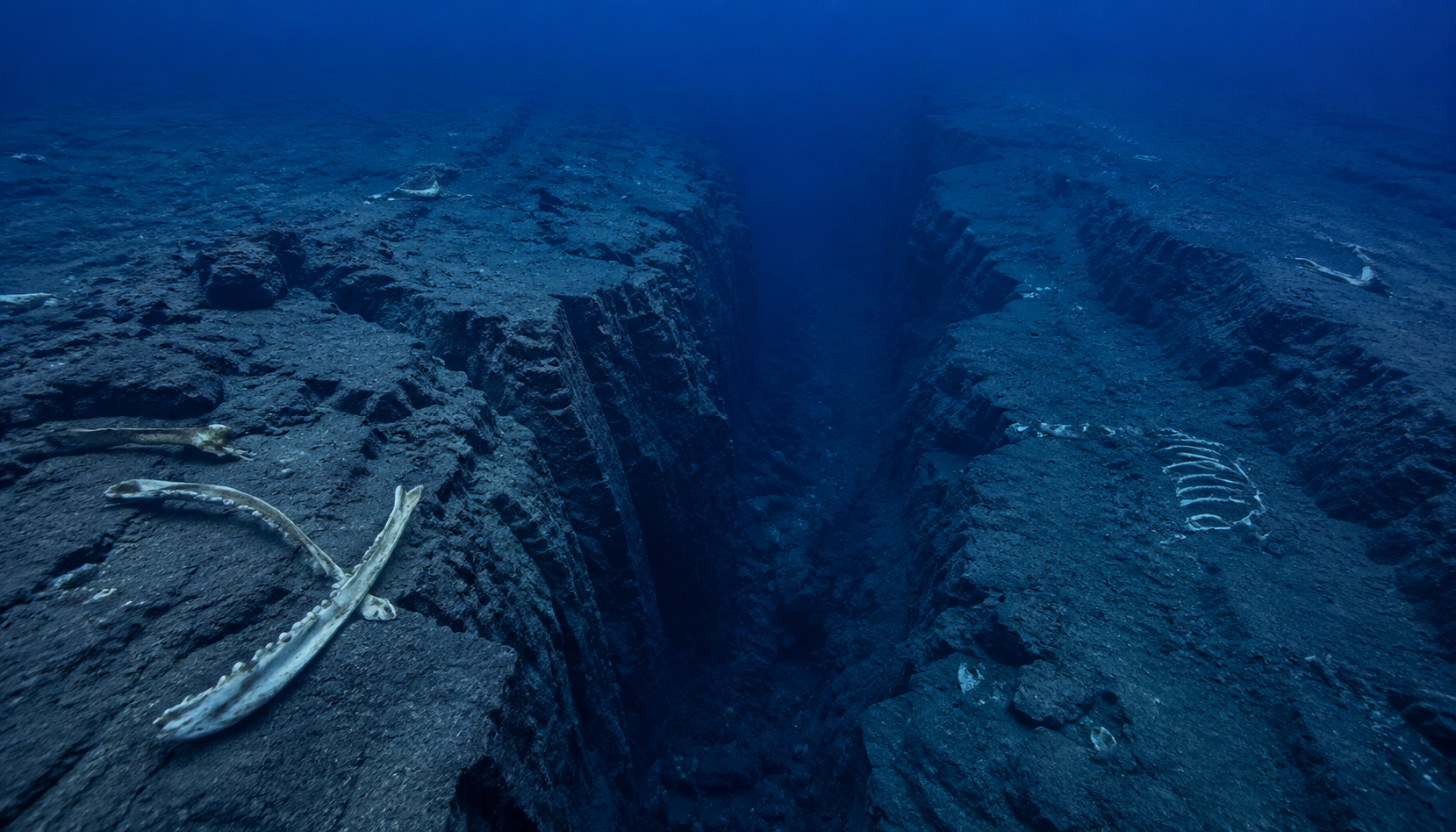
Deep below the surface of the southeastern Indian Ocean, the seafloor harbors an unexpected secret. Scientists have located a veritable “whale graveyard,” which stands as the largest and deepest collection of cetacean remains ever identified on the planet, according to a recent scientific study. This extraordinary site spans a vast and rugged portion of the ocean floor known as the Diamantina Zone.
Their initial focus was on a fracture zone stretching approximately 750 miles (1,200 kilometers) along the seafloor. Until this unprecedented exploration, the scientific community had never established a link between this specific region and the presence of whale carcasses. The researchers logically named this area a “whale necropolis,” a graveyard formed by bones that have accumulated there over millions of years.
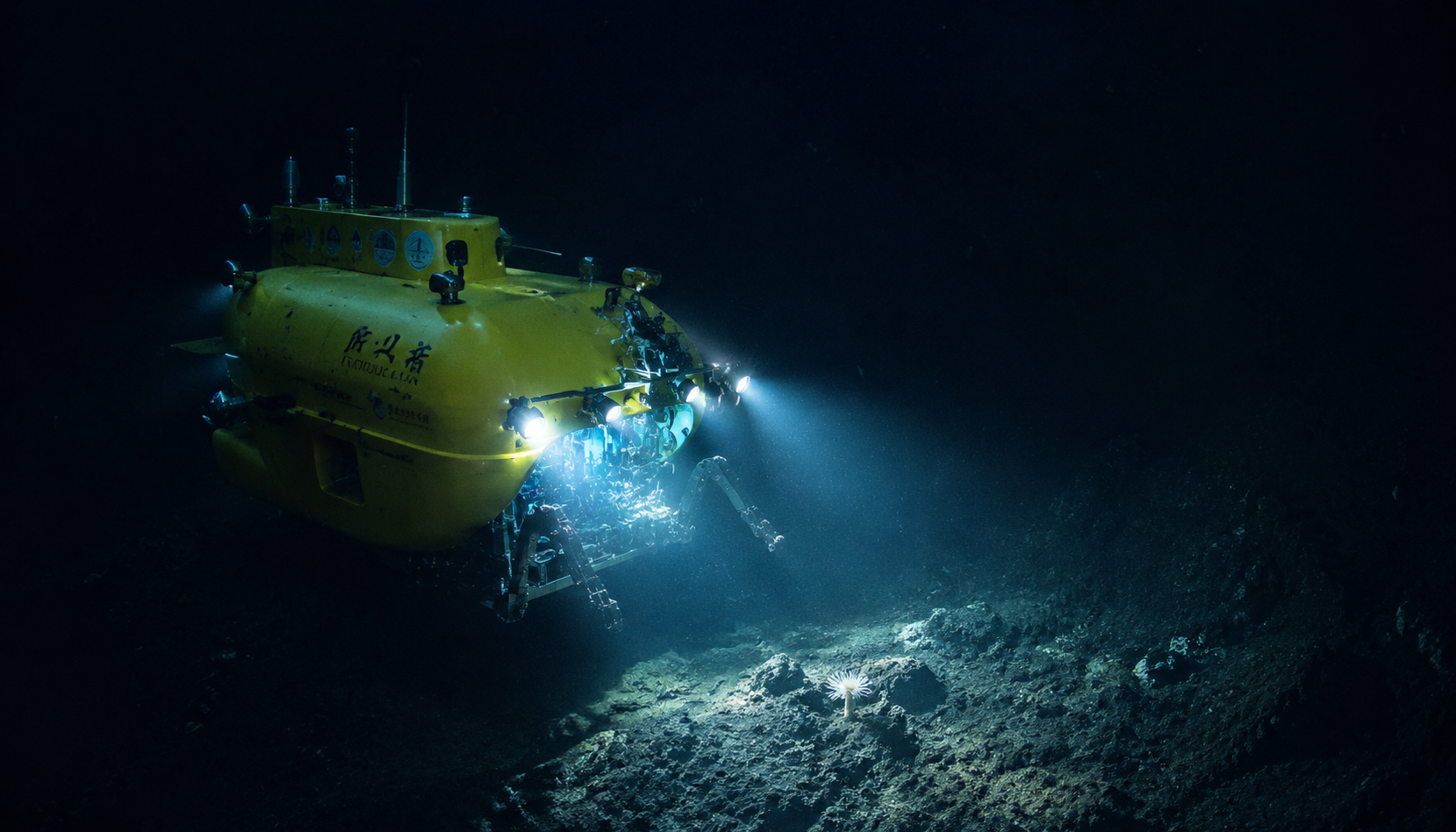
A Record-Breaking Expedition into the Depths
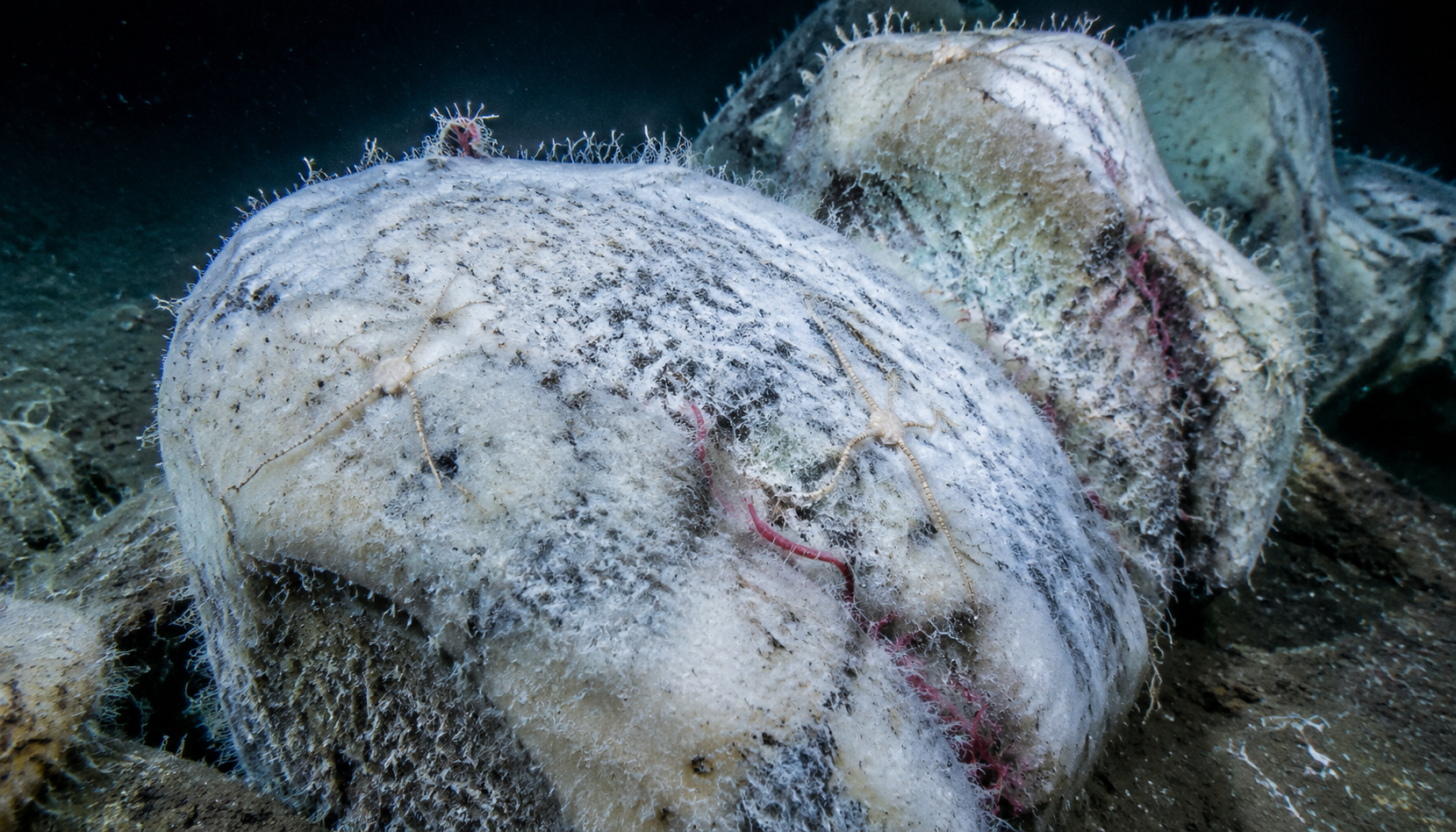
A thriving ecosystem built on bones
The complex dynamics of this spectacular accumulation
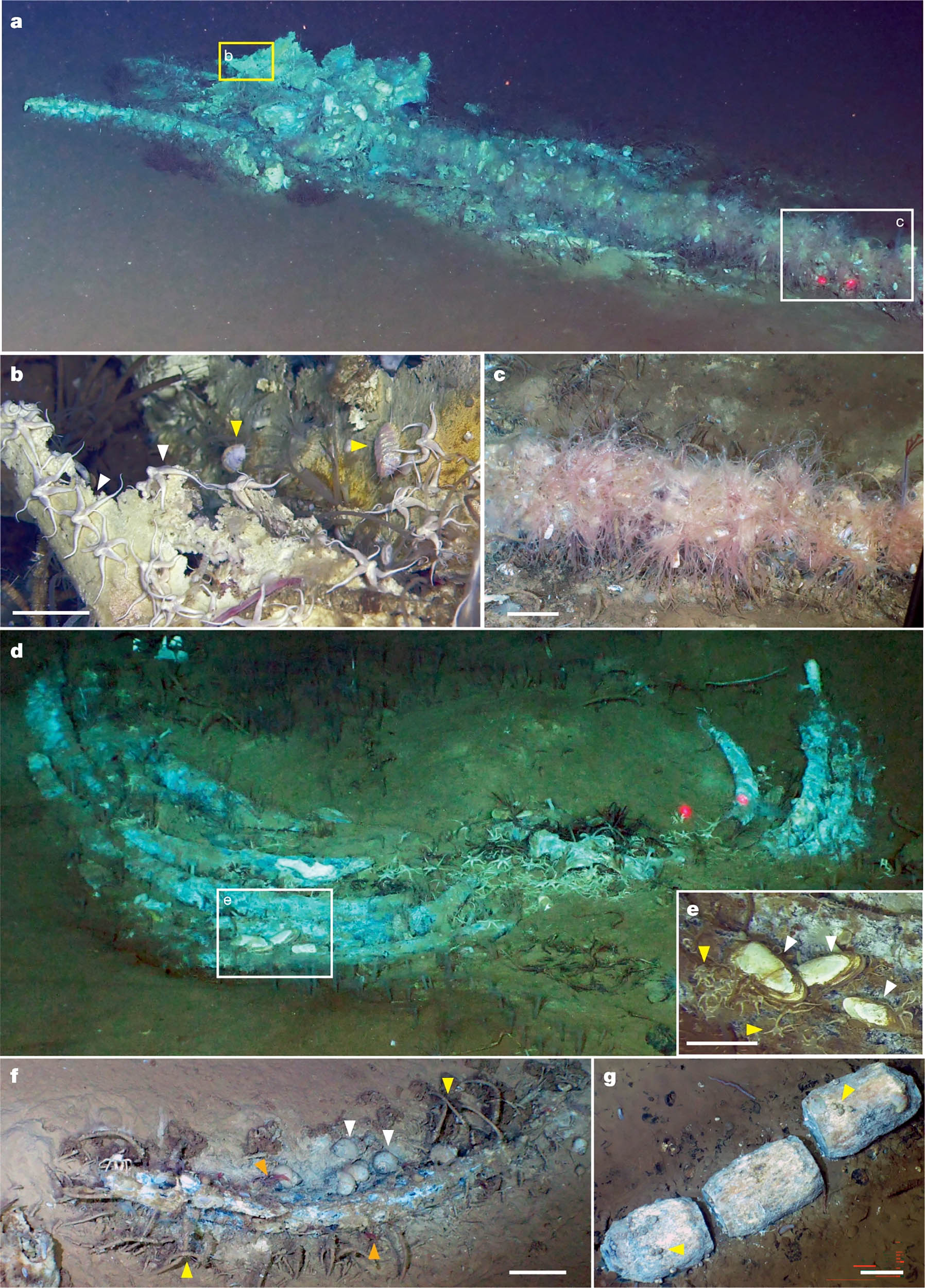
The bones tell the precise story of how these whales ended their journey in these abyssal depths. The majority of the remains belong to two species of beaked whales capable of very deep dives: Layard’s beaked whale and Andrews’ beaked whale, both known to inhabit these waters. These predators hunt squid and fish along steep slopes and in deep trenches, making the Diamantina area an ideal hunting ground despite the dangers.
Five million years of invaluable biological archives
Statistical data suggest a hidden abundance of staggering magnitude. Whale remains reach a density of 759.5 individuals per square kilometer, and extrapolations indicate that the area could contain more than 10 million carcasses in total. This represents a vast reservoir of carbon trapped on the seafloor, estimated by researchers at approximately 6.7 million tons—the equivalent of thousands of years of slow organic drift from the upper ocean.
Aligned along a single axis, these whale falls form a veritable pathway through the deep waters. Many animals discovered here are also found near cold seeps and hydrothermal vents, suggesting that these carcasses help chemoautotrophic communities to spread. According to the study published in the journal Nature, beaked whales—previously known mainly from rare strandings—are represented in this Diamantina necropolis by a direct fossil record that traces their evolution since the Pliocene. Such graveyards may still lie hidden in other unexplored regions of the world’s oceans.
Source: earth.com
The largest whale graveyard ever discovered, nicknamed the “whale necropolis” because of its immense size


