Skip to content

Introduction

Once people reach their thirties, many notice significant changes in their digestive processes. Once-established eating habits, such as drinking a glass of milk or eating a piece of cheese, can gradually lead to feelings of heaviness.

In response to these digestive discomforts, the idea of replacing animal milk with plant-based alternatives is frequently considered to maintain daily well-being. However, this approach raises questions about its nutritional value.

To determine whether this change is beneficial to health, a detailed analysis, supported by nutritional expertise, helps unravel the mechanisms at play and guide dietary choices.

The Physiological Evolution of Lactose Digestion
As we age, the human body experiences a natural decline in lactase production. This enzyme plays an essential role in the digestive process, as it breaks down and digests lactose, the sugar found in milk.

Without sufficient lactase, the sugar in milk cannot be properly broken down in the upper digestive tract. As a result, it continues its journey and reaches the colon intact.

At this stage, the lactose undergoes rapid fermentation due to the action of intestinal bacteria. This physiological process almost immediately causes discomfort such as gas, abdominal pain, and bloating after meals.

Casein and the Mechanisms of Systemic Inflammation
The issue of dairy products goes beyond the simple matter of lactose. Casein, the primary protein found in cow’s milk, is the subject of much debate within the scientific community.

In individuals with a slightly porous intestinal barrier, this large protein has the ability to pass through the intestinal wall. This abnormal permeability leads to the entry of complex substances into the bloodstream.

Once it has crossed the wall, casein triggers a defensive reaction from the immune system. This process fuels low-grade, often silent inflammation, which can exacerbate fatigue, reignite a pre-existing inflammatory condition, or intensify joint pain.

Nutritional Assessment of Plant-Based Beverages and Their Additives
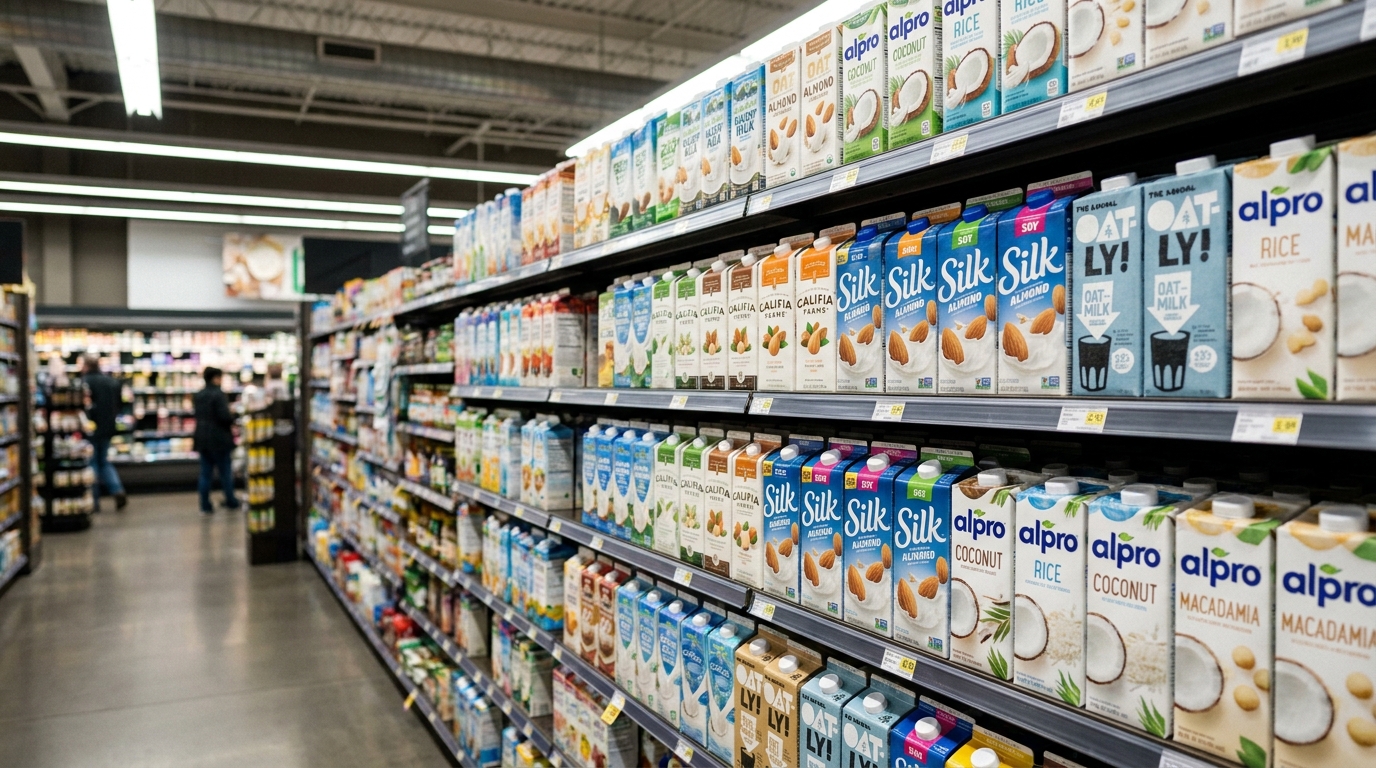
Switching to plant-based beverages is a recognized way to give the digestive system a break. However, the products available in supermarkets vary significantly in nutritional value. Cereal-based milks, such as oat or rice milk, act as veritable blood sugar spikes due to the release of fast-acting sugars upon consumption. It is therefore recommended to opt for unsweetened almond or hazelnut milk, which are gentler on blood sugar levels and offer greater nutritional value.

When selecting a plant-based beverage, carefully reading the label is an essential precaution. The food industry frequently adds refined oils and thickeners, such as xanthan gum, to give the final product a creamy texture.

These chemical components can disrupt the gut flora and promote inflammatory processes. It is advisable to look for short ingredient lists, ideally limited to water, the base ingredient such as almonds or soy, and a pinch of salt. Making plant-based milk at home remains the most recommended option.

Maintaining calcium intake without dairy products
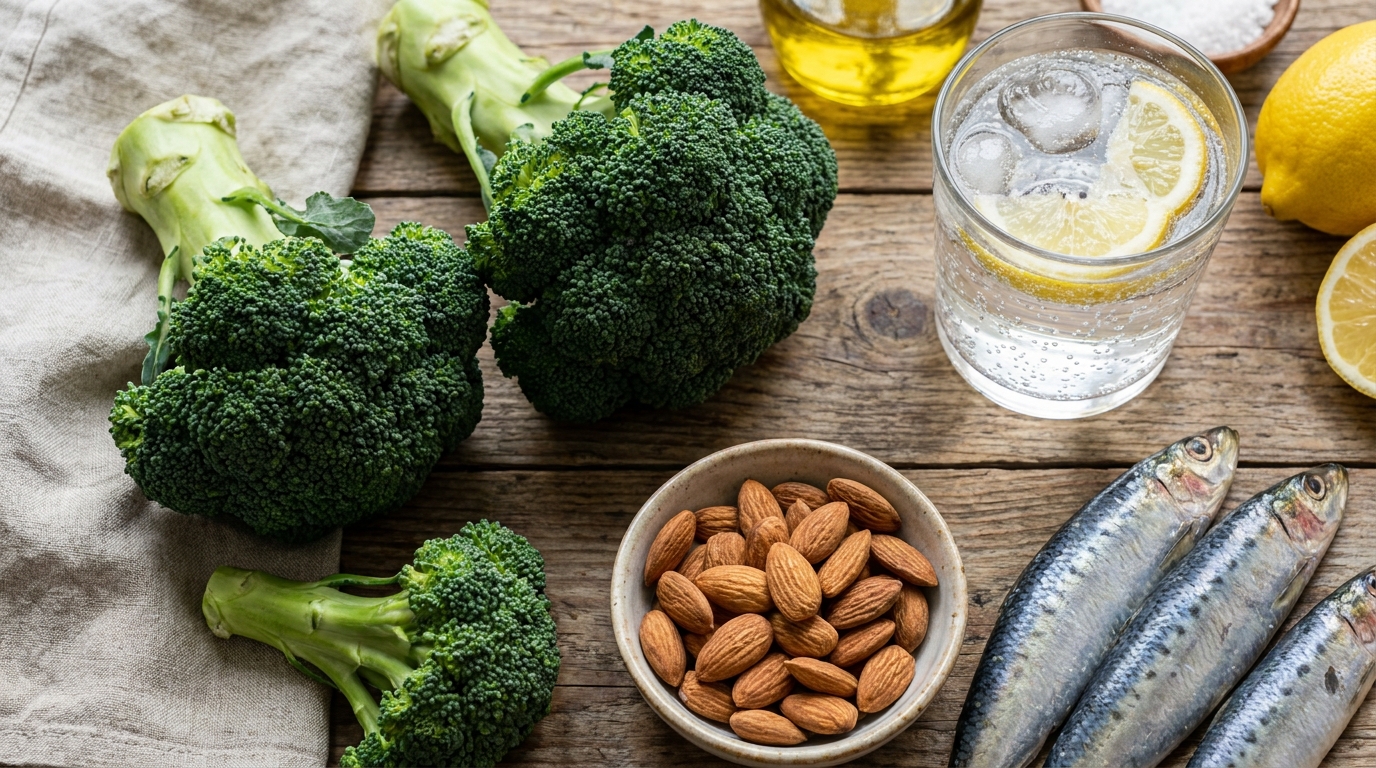
The main concern associated with stopping the consumption of animal milk is the fear of developing a calcium deficiency, a mineral essential for maintaining bone health. However, calcium is abundant in plant-based foods and is in a form that is highly absorbable by the human body.

Regularly incorporating specific foods into your diet can more than meet your daily needs. These sources include dark green vegetables such as broccoli and cabbage, sardines eaten with their bones, almonds, and certain mineral waters selected for their mineral content.

Ultimately, replacing animal milk after age 35 is often beneficial for restoring optimal digestive comfort and reducing inflammation. By choosing a plant-based beverage made from oilseeds with no added sugars and ensuring a diverse range of nutrient sources, good health remains fully assured.

Source: passeportsante.net

Nutrition After Age 35: The Impact of Dairy Milk and Plant-Based Alternatives

This content was created with the help of AI.

facebook icon twitter icon linkedin icon
Copied!

Commentaires

0 0 votes
Article Rating
Subscribe
Notify of
guest
0 Comments
Newest
Oldest Most Voted
Inline Feedbacks
View all comments
More Content