

The world’s southernmost active volcano spews gold dust worth thousands of dollars every day


A Volcanic Treasure in the Heart of the Ice
When people think of Antarctica, the first images that come to mind are usually vast white expanses, towering icebergs, and colonies of emperor penguins braving the icy winds. Yet this frozen continent is also home to fascinating geological phenomena, one of the most surprising of which is a constant emission of precious metals. According to a report on polar volcanic activity, Mount Erebus—the southernmost active volcano on the planet—releases veritable treasures into the atmosphere every day.
A daily “gold shower” estimated at $6,000
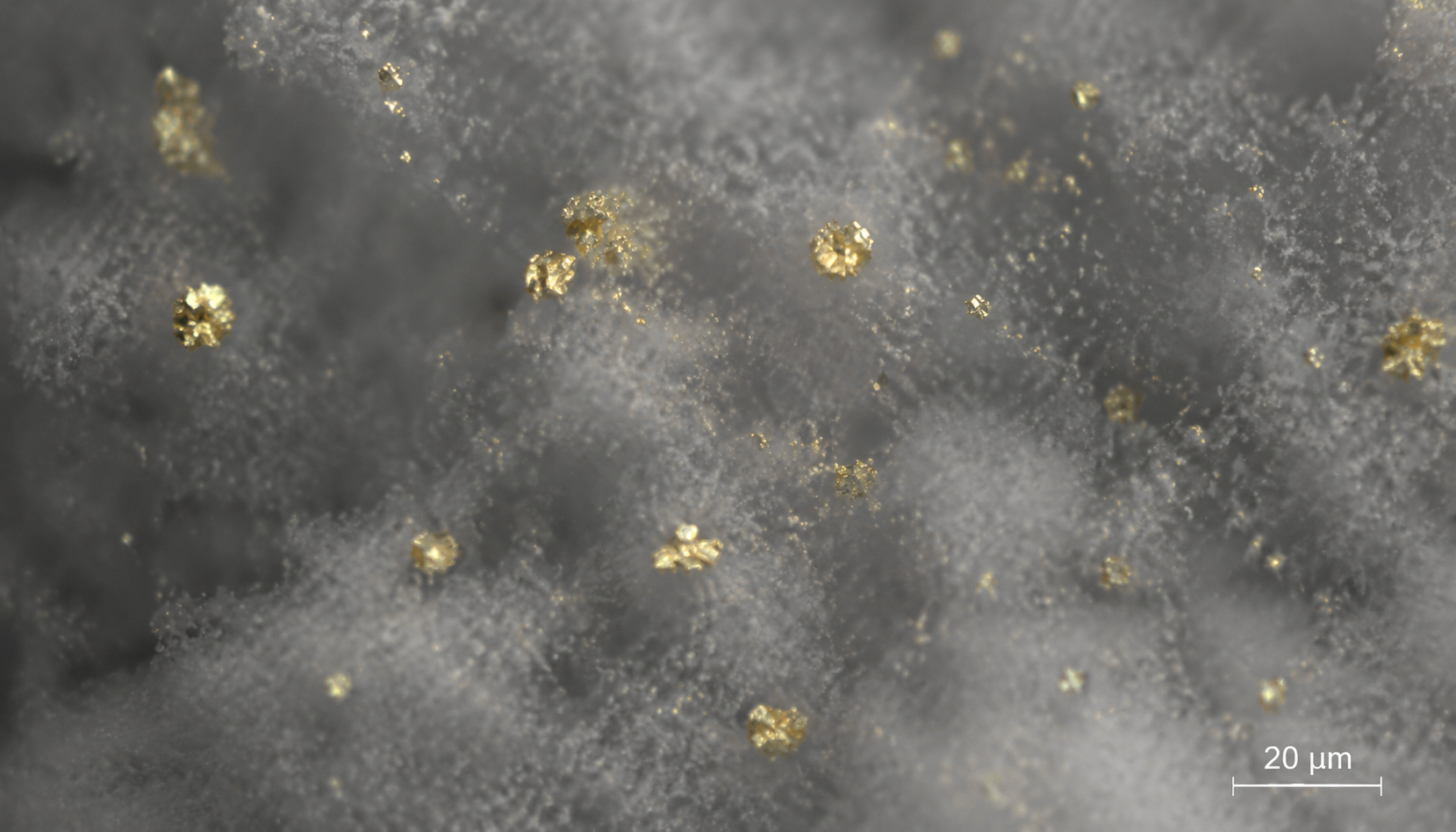
Researchers were able to measure the extent of this dispersion through analyses of the ambient air. As reported in a study published in Geophysical Research Letters, traces of these gold particles have been found as far as 1,000 kilometers from the crater. This phenomenon is fueled by a boiling lava lake located in the volcano’s caldera—a feature that has existed continuously since at least 1972 and contributes to these regular and valuable ejections.
The History and Geography of a Giant on Ross Island
From a geological perspective, Mount Erebus is part of the Pacific Ring of Fire. This horseshoe-shaped chain stretches approximately 40,234 kilometers and borders the Pacific Ocean. It marks the meeting points of several major tectonic plates, including the Eurasian, North American, Antarctic, and Philippine plates. It is in these zones of friction that 90% of the world’s earthquakes occur and where 75% of the planet’s active volcanoes are located.
An explosive past revealed by ice cores
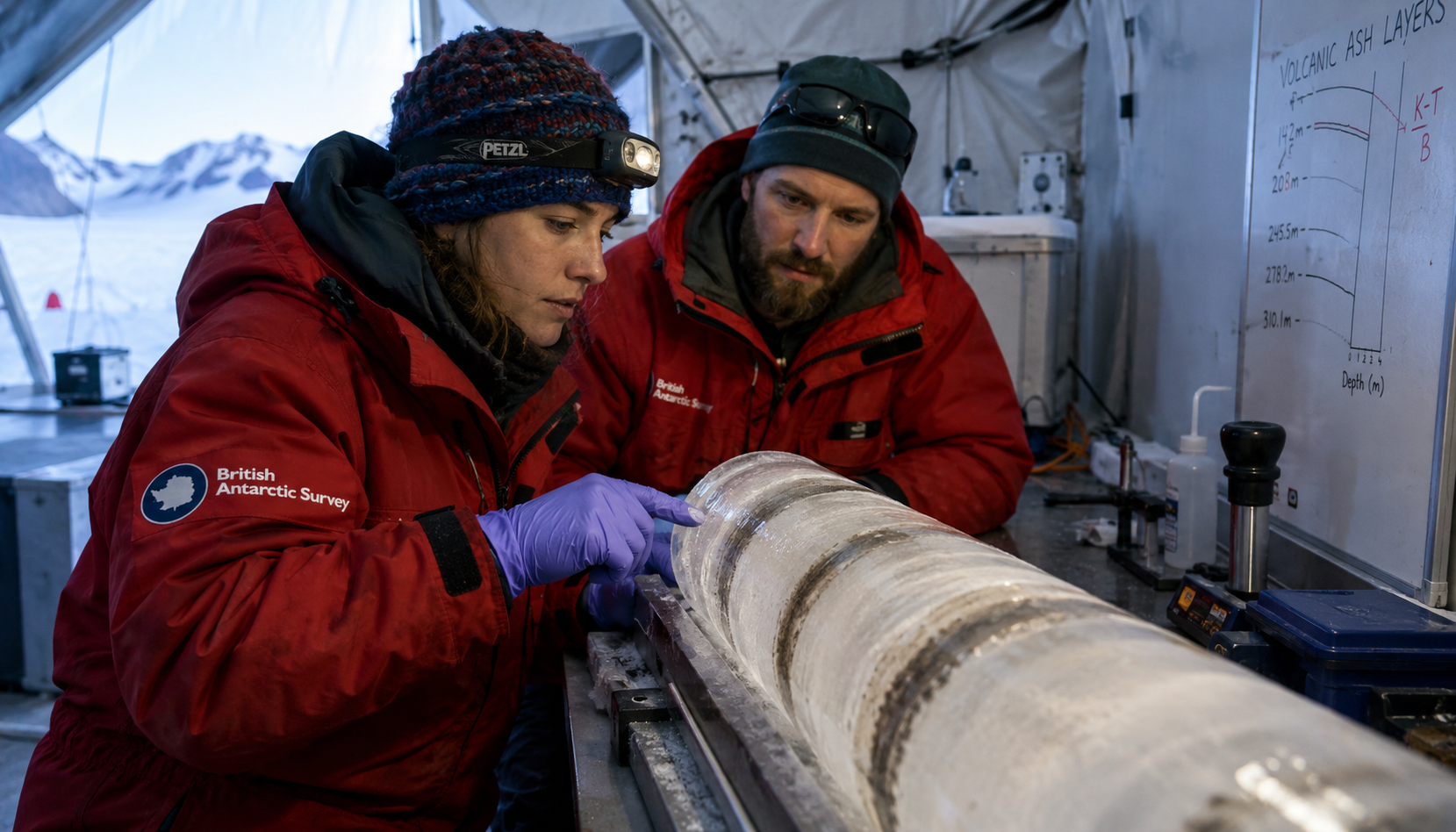
Although Mount Erebus’s current activity appears steady but moderate, Antarctica’s past has been marked by far more violent episodes. In 2022, researchers from the University of Copenhagen published a study based on the analysis of ice cores. Their findings, detailed on the University of Copenhagen’s website, indicate that the continent was ravaged by massive volcanic eruptions during the last ice age.
These ancient eruptions left indelible traces in successive layers of ice, allowing scientists to reconstruct the region’s climatic and geological history. This research highlights that the relative inactivity observed today across much of the continent may be only a temporary phase in a much longer and more turbulent geological cycle.
The Alarming Impact of Global Warming
This phenomenon could create a dangerous feedback loop. As the study’s authors explain: “Under these conditions, we find that the retreat of an ice sheet over a volcano leads to more frequent and larger eruptions, which could potentially accelerate the melting of the overlying ice through complex feedback mechanisms.” In other words, the more the ice melts, the more the volcanoes erupt, and the more the heat released in turn accelerates the melting of the ice.
An Uncertain Future Between Wealth and Risk
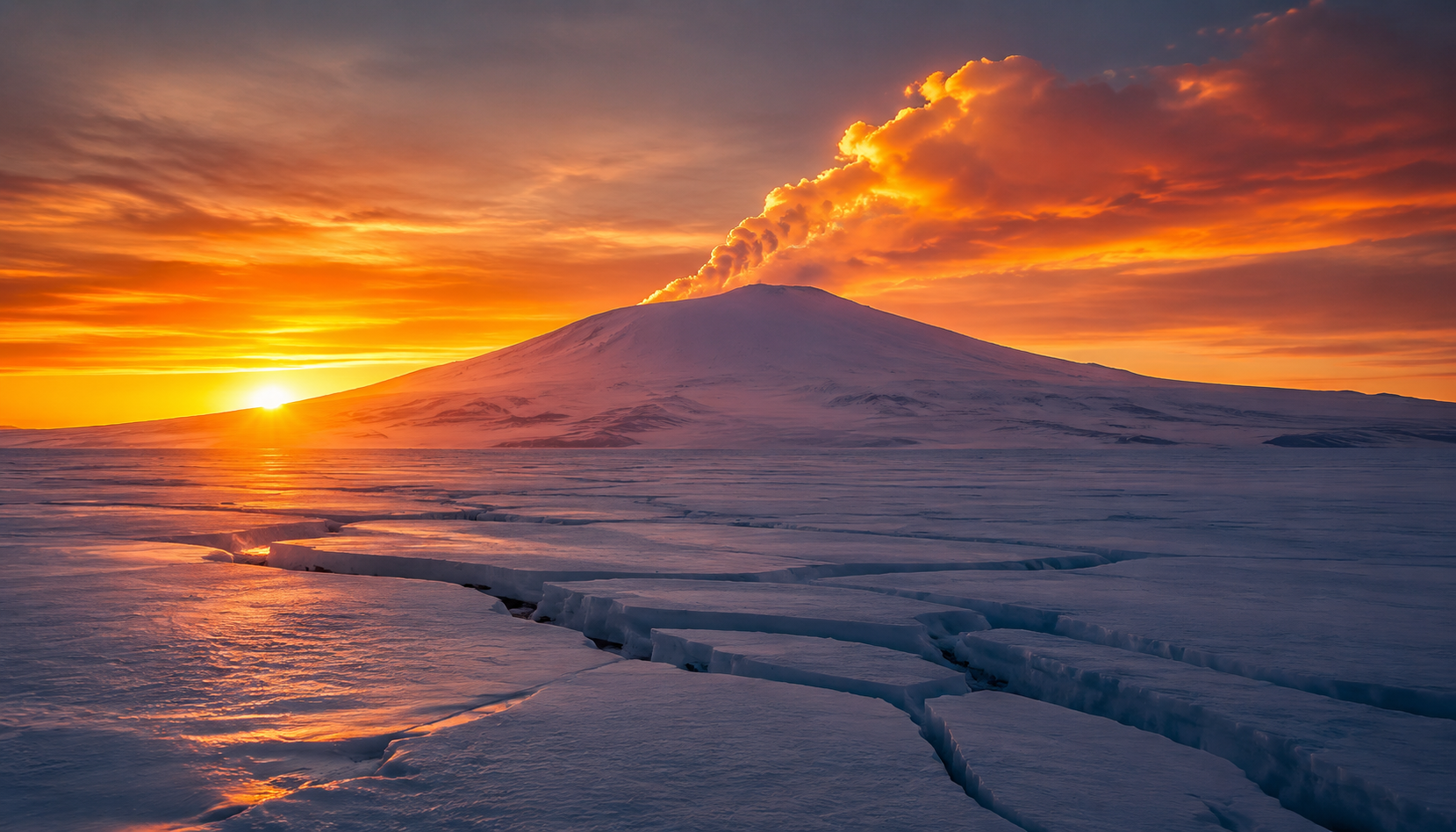
While it is likely that Mount Erebus will continue to spew gold across the Antarctic landscape, the potential increase in overall volcanic activity on the continent raises major concerns. The environmental cost of such an acceleration—particularly its impact on sea-level rise—could far exceed the value of the scattered precious metals. Monitoring these fiery giants is therefore a priority for understanding the future evolution of our climate.
In conclusion, Mount Erebus remains a fascinating anomaly of nature—a volcano spewing gold in the middle of an icy desert. However, its beauty and wealth conceal geological mechanisms that are sensitive to the changes of our time. For any medical questions or concerns related to exposure to airborne particles in specific contexts, consult a qualified healthcare professional.
Source: iflscience.com
The world’s southernmost active volcano spews gold dust worth thousands of dollars every day
