

The captain of a ship died during dinner. By morning, 137 passengers had perished in the flames


A Sudden Tragedy on the Eve of the Arrival
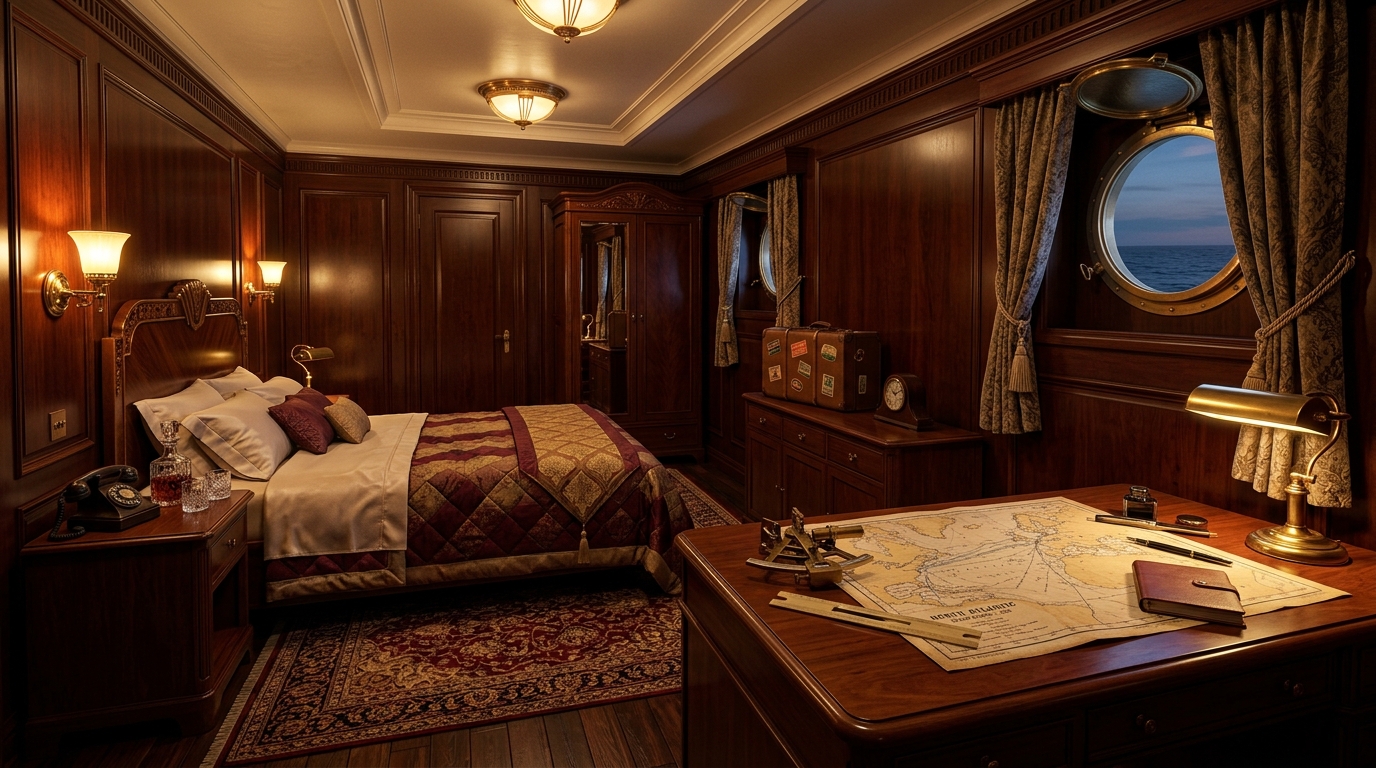
The luxury cruise ship S.S. Morro Castle, a giant of the seas nearly 155 meters long, was built in 1930 by Virginia’s Newport News Shipbuilding and Dry Dock Company. With an estimated construction cost of five million dollars, this liner belonged to the Ward Line, a company that held the contract for transporting mail and cargo between the United States and Cuba. Its name paid homage to a historic fortress and a lighthouse in Havana.
The tragedy began during the ship’s 174th return voyage, traveling from the Cuban capital to New York City. According to an article by journalist Tim Newcomb, the evening of September 7, 1934, took a macabre turn just a few hours before the scheduled arrival. Captain Robert Willmott was found dead in his cabin. The ship’s doctor initially attributed the death to “acute indigestion” before concluding it was due to natural causes.
As Gretchen Coyle, a lecturer at the New Jersey Maritime Museum, points out, this discovery marked the first visible sign of the tragedy to come. Due to the captain’s death, officials decided to cancel the grand closing ball scheduled for the final night of the voyage. A more thorough investigation into the exact causes of the captain’s death was planned, but it was abruptly cut short by the chaos that erupted shortly thereafter.
The Outbreak of Fire and Its Fatal Spread
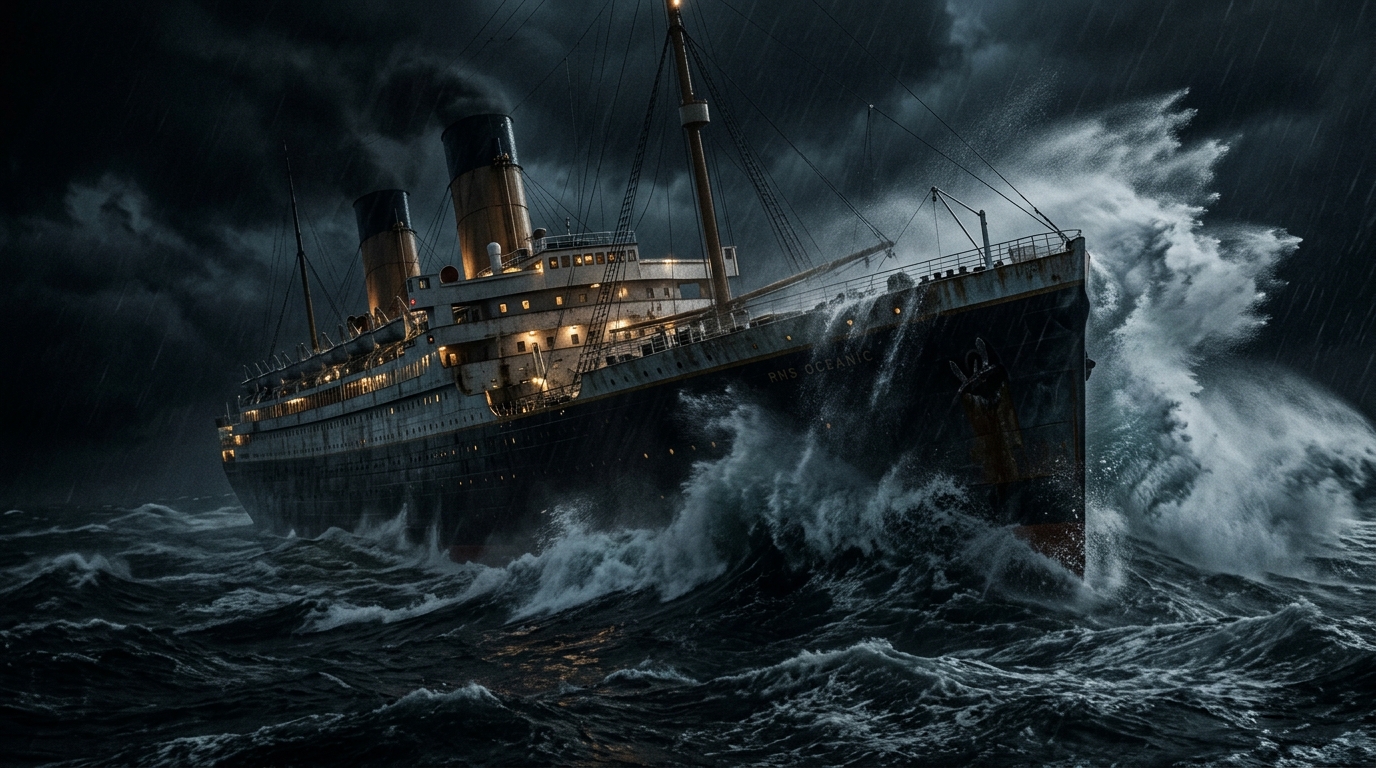
The ship’s firefighting systems then revealed serious limitations. The ship was equipped with 42 fire hydrants, but the system functioned properly only if fewer than ten of them were activated at the same time. Beyond that number, the water pressure dropped to ineffective levels, rendering the crew’s efforts futile in the face of the growing inferno.
Panic on board and crew failure
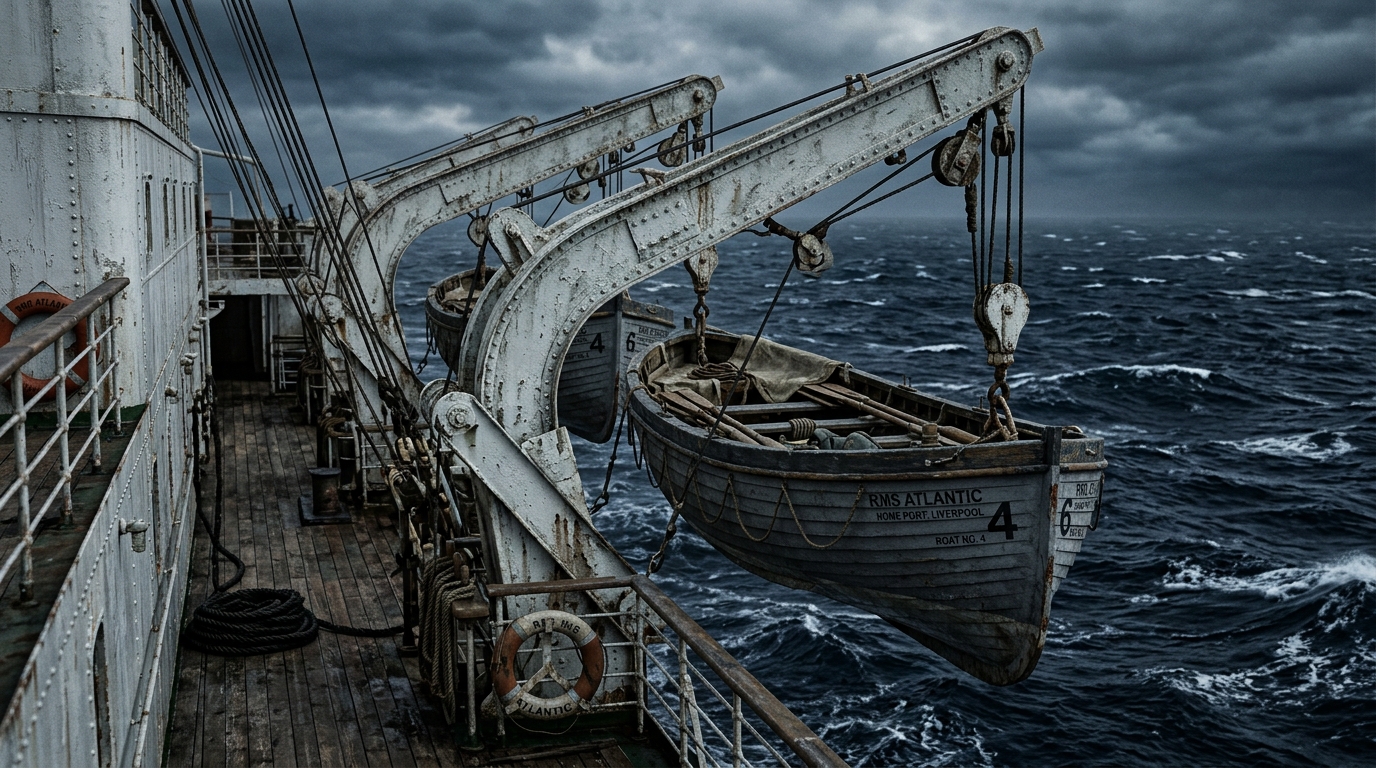
The crew’s handling of the emergency contributed significantly to the worsening of the disaster. According to Brian Hicks, author of a 2006 book on the events of the Morro Castle, the crew failed to sound the general alarm for fear of waking the passengers. For his part, William Warms, who had just assumed the duties of acting captain, never went out in person to assess the extent of the damage.
Just a few kilometers off the coast, the ship—now out of control and completely engulfed in flames—finally dropped anchor. The evacuation operation was marred by serious failures. Only six of the twelve lifeboats could be launched, and none was filled to its maximum capacity. Several boats remained stuck in their holders, sealed in place by thick layers of paint.
Faced with the incompetence of the crew, who had lost control of the situation, panic seized the passengers. Many people were forced to jump overboard to escape the fire. Some of the victims died upon impact with the water—a particularly common tragic outcome among those who were not wearing their life jackets properly at the time of the jump.
Rescue Efforts and the Heavy Human Toll of the Tragedy
Legal Proceedings and Lingering Suspicions
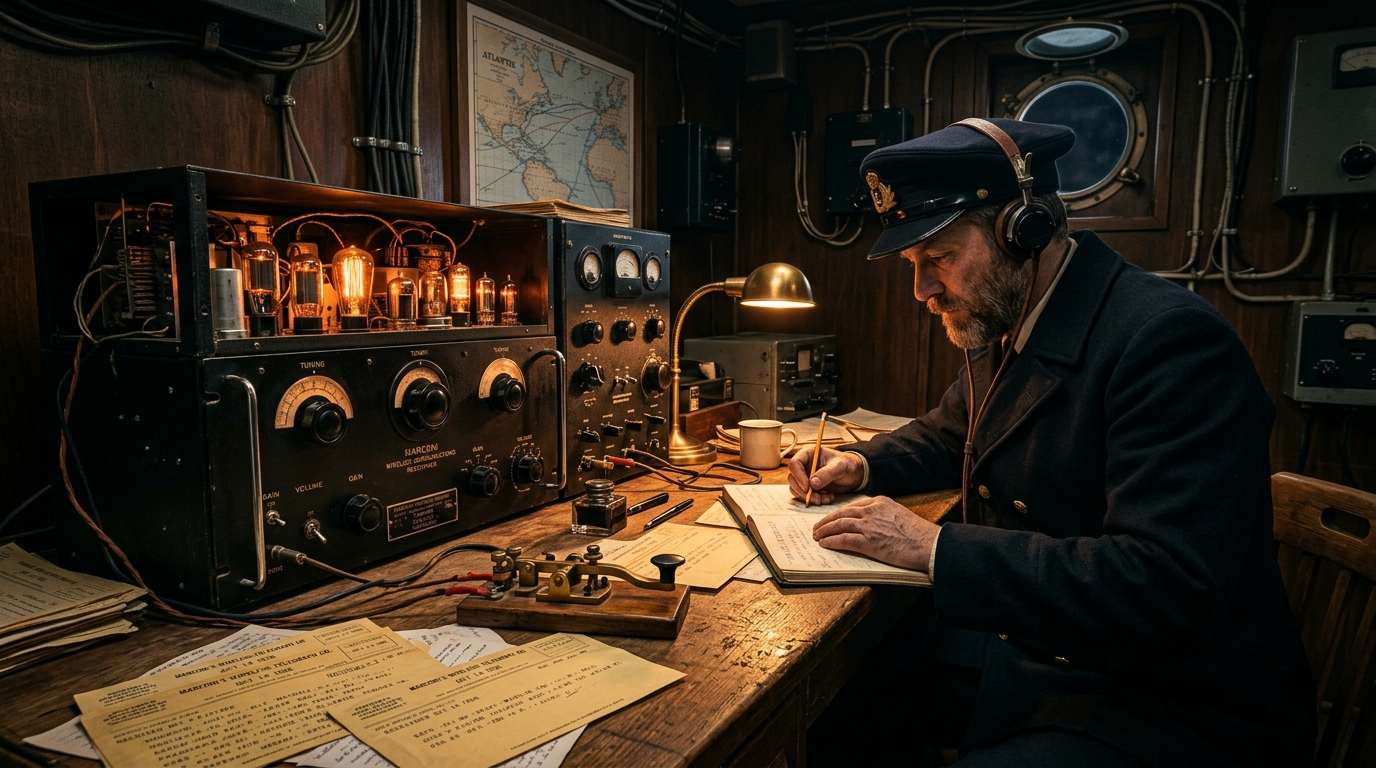
Ninety years later, many questions remain unanswered. Since the thorough investigation into Robert Willmott’s death could never be completed due to the blaze, no definitive explanation for his sudden death has been offered, nor has an official cause been established for the outbreak of the fire. Faced with this lack of information, numerous theories have emerged in an attempt to explain this tragedy.
The main hypothesis put forward by Brian Hicks and other researchers points to George Rogers, the Morro Castle’s radio operator, who is alleged to have deliberately started the fire. His troubled past and his behavior in the immediate aftermath of the tragedy have been cited as evidence of a calculated act. If this criminal theory is proven true, the Morro Castle disaster would be a genuine case of murder on the high seas.
Source: popularmechanics.com
The captain of a ship died during dinner. By morning, 137 passengers had perished in the flames
