

Beyond appearances, a widespread respiratory risk

Two Breeds at the Center of Concern
Dr. Francesca Tomlinson of the University of Cambridge documented these animals’ performance. Her observations are striking: only 10.9% of Pekingese and 17.4% of Japanese Chin completed the tests without showing any signs of respiratory distress. These percentages place them on the same level of severity as Bulldogs, a breed that is nevertheless much more often singled out for its breathing difficulties.
What is obstructive airway syndrome?
How does this happen? Inside a shortened skull, soft tissues—such as the soft palate and tongue—continue to grow to their normal size. They then become cramped, obstructing the airways and restricting airflow.
Listen to Better Assess Distress
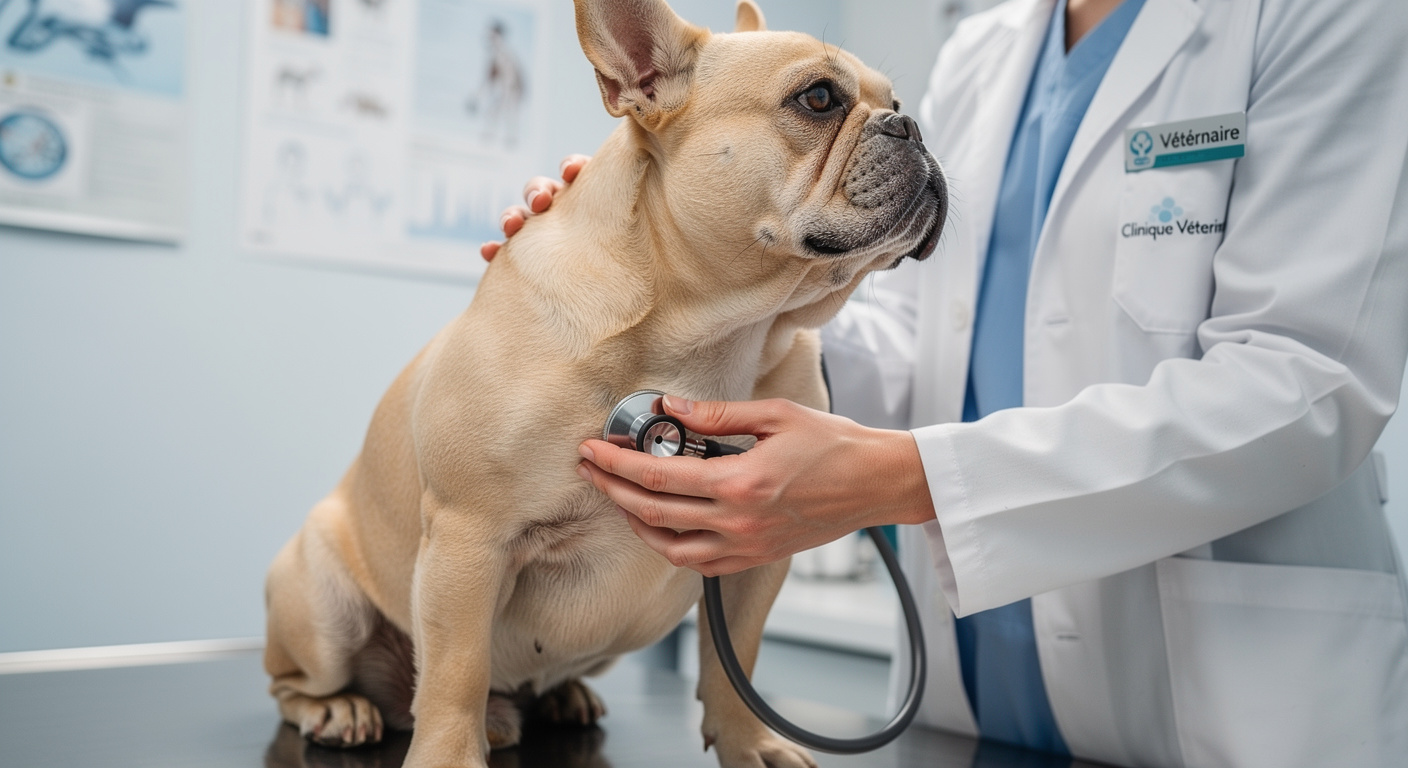
To measure the true extent of a dog’s difficulties, researchers chose to focus on respiratory function rather than physical appearance. At each appointment, staff carefully listened to the animal’s breathing sounds, first at rest and then after a three-minute jog.
Physical traits that increase the risk
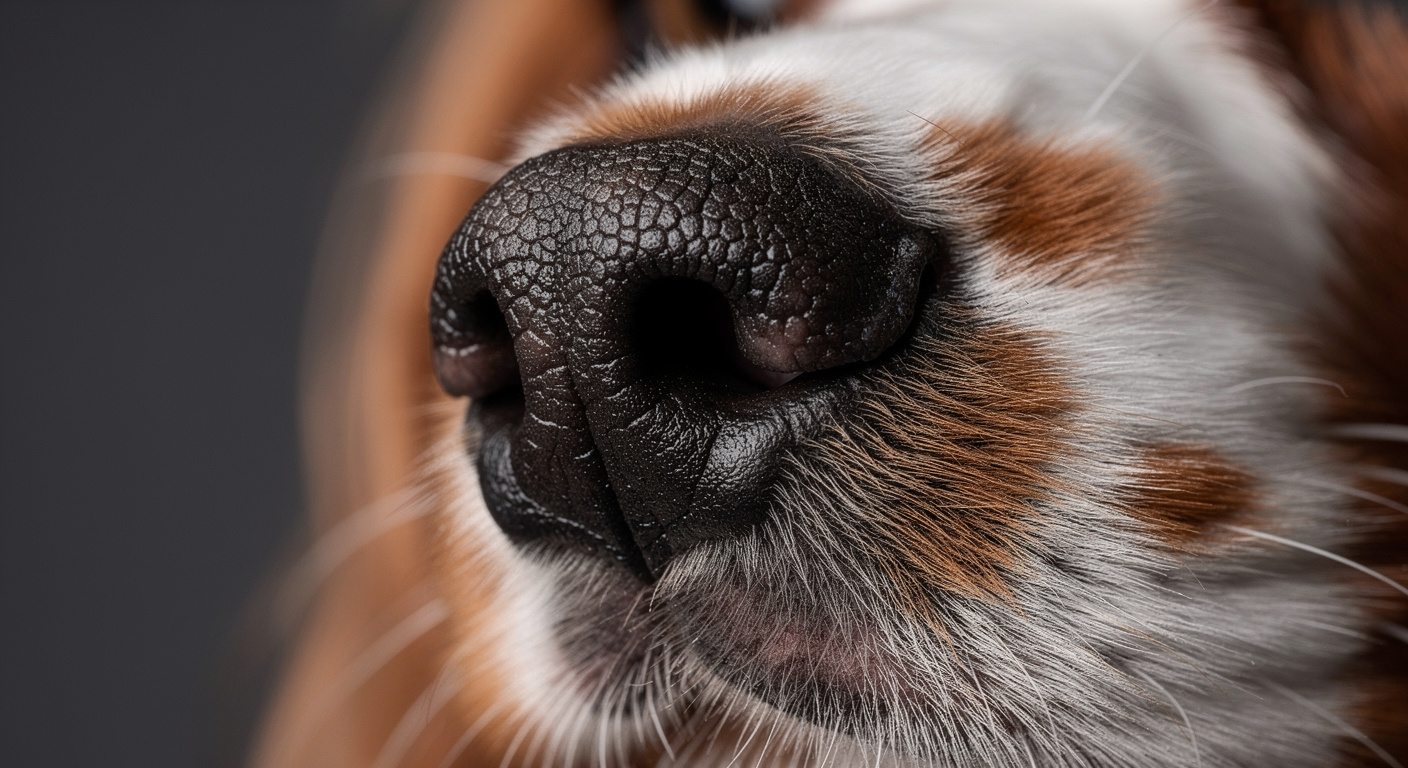
The researchers used a precise measurement—the craniofacial ratio (muzzle length divided by skull length)—to quantify the degree of facial flattening. But even with these indicators, many results defied expectations. Appearance alone is not enough to assess risk.
Breed-Specific Vulnerabilities
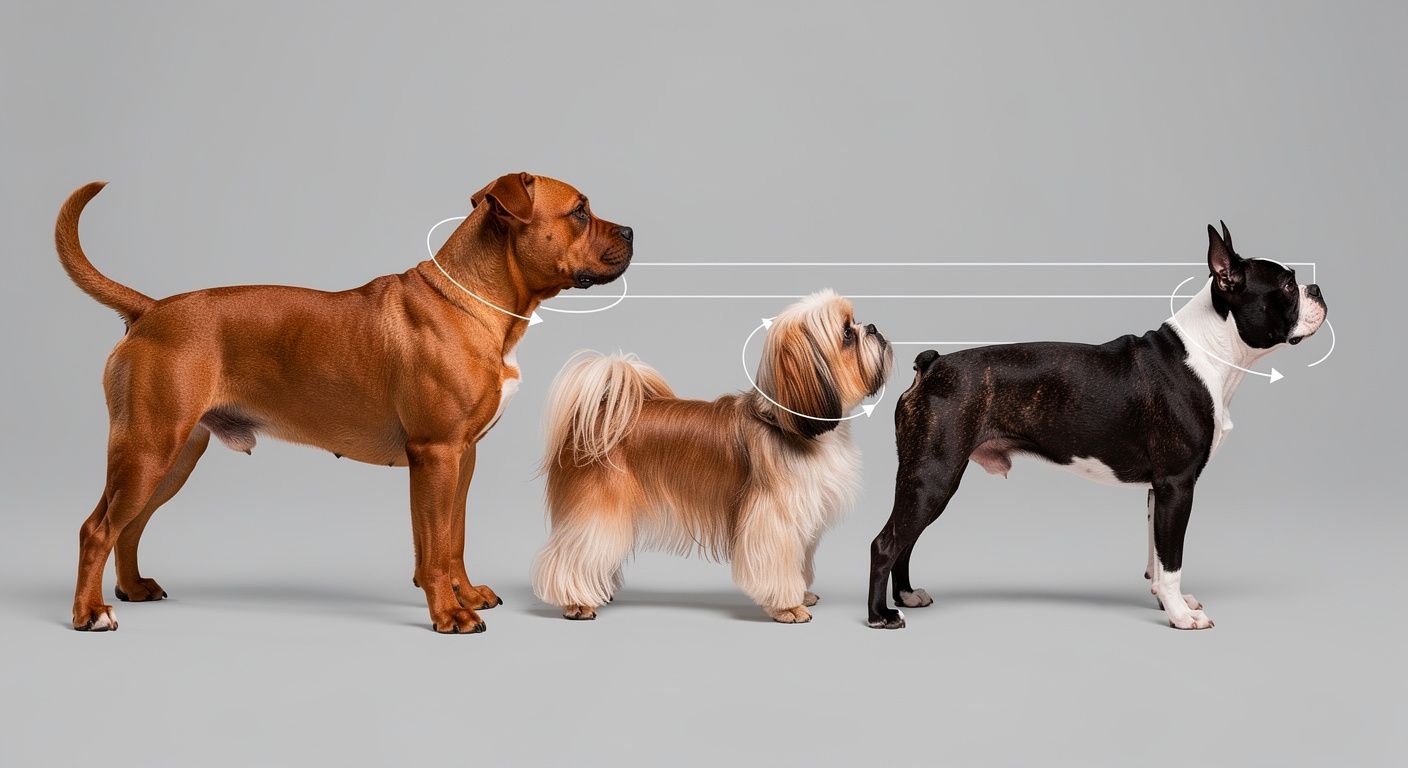
The study revealed other clues—this time related to physical characteristics beyond the face—that appear to be specific to certain breeds. These findings suggest weaknesses unique to each breed.
Owners and Breeders: How Can We Reverse This Trend?
For owners, simple choices can make a real difference. Before adopting a brachycephalic puppy, observing its breathing at rest and then during a short walk can reveal early warning signs. During a veterinary visit, the veterinarian can assess the dog’s breathing and recommend weight loss, surgery, or lifestyle adjustments to improve the animal’s comfort.
In hot weather, limiting intense exercise is crucial, as OBHS impairs a dog’s ability to cool down. But beyond these steps, the study’s central message is simple: a dog should never have to struggle to breathe.
Today’s choices shape tomorrow’s health

The researchers point out that their study has limitations. The recruitment of volunteers likely skewed the sample, as owners who were already concerned about their dog’s breathing were probably more inclined to participate. Furthermore, the comparison data dates back to 2016, which may not perfectly reflect the current situation if recent breeding decisions have improved the respiratory function of certain bloodlines.
The overall message, however, remains clear. Since SAOB is hereditary, long-term progress depends on rigorous breeding choices. Improving the well-being of these breeds will likely rely on a combination of routine respiratory evaluations, smarter show standards, and increased awareness among owners, who must stop viewing chronic snoring or labored breathing as “just a normal sound for the breed.”
According to the source: earth.com
Breathing: The Real Danger Hidden in Flat-Faced Dogs


