

The Lingering Legacy of the “Silent Spring”
A Gradual but Belated Ban in Brazil
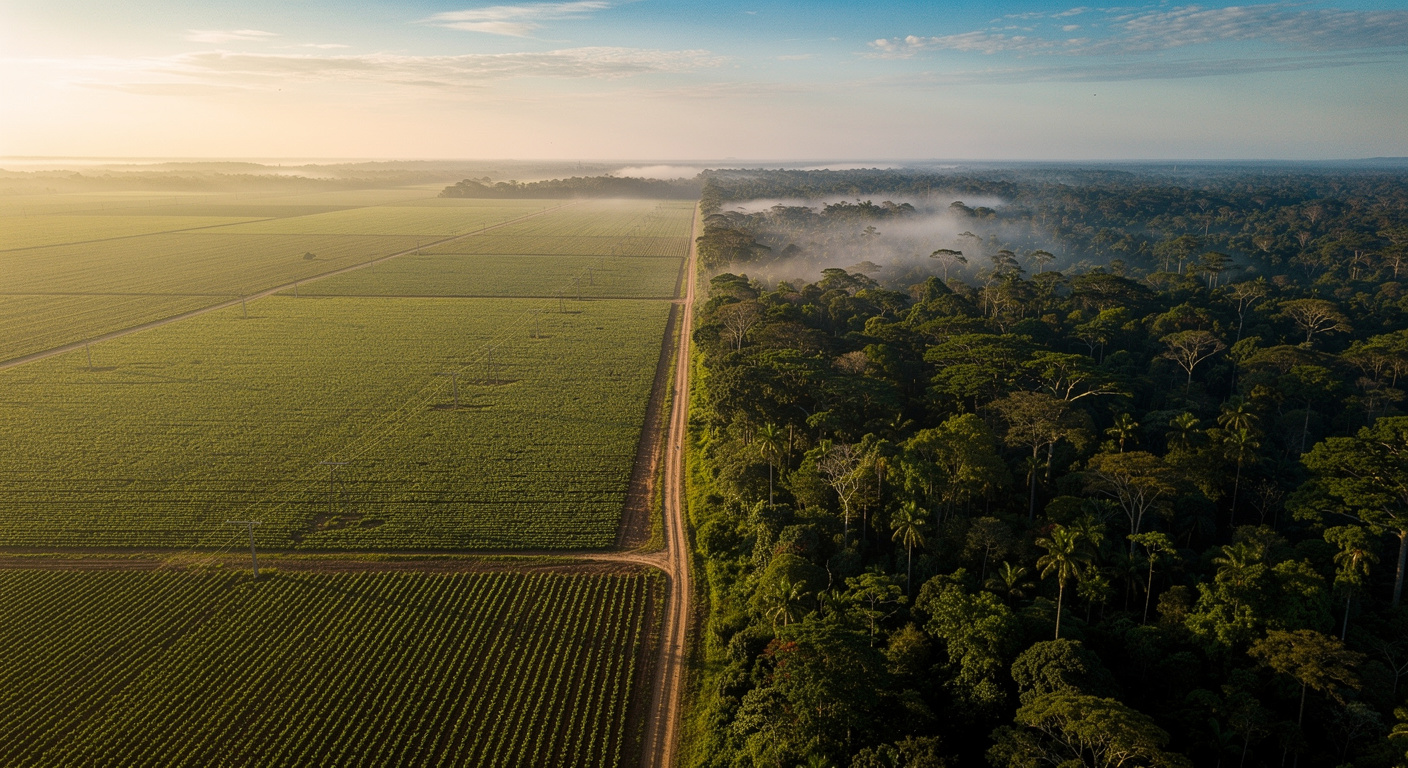
Following the publication of Rachel Carson’s book, many wealthy countries banned DDT as early as the 1970s. Brazil, however, moved more slowly. The country banned DDT for agricultural use in 1985 but continued to allow its use to control disease vectors such as the Aedes aegypti mosquito. It wasn’t until 2009 that Brazil completely banned the use, production, and storage of DDT, in accordance with the Stockholm Convention on Persistent Organic Pollutants.
The Grasshopper Effect: How Pollution Travels

Researchers have identified a specific mechanism that explains this long-distance contamination. Janeide de Assis Guilherme Padilha, a researcher at the University of Minho in Portugal, explains this process of atmospheric transport: “Even if they haven’t been used in a particular area, organic pollutants are subject to the grasshopper effect. In this phenomenon, they evaporate in the heat and condense again in the cold.”
She goes on to detail the trajectory of these substances: “As a result, they migrate through the air from the low latitudes of the tropics to the polar regions.” This movement explains how chemicals reach areas far removed from the farms and factories where they were originally produced or used.
Analyses conducted on isolated islands
To conduct this research, Janeide Padilha collaborated with researchers from the Oceanographic Institute of the University of São Paulo (IO USP) and Maria Virginia Petry from the University of Vale do Rio dos Sinos (UNISINOS) in Rio Grande do Sul. The team studied the carcasses of seabirds from six species found along the coast of Rio Grande do Sul during their seasonal migration in the South Atlantic. The researchers analyzed the birds’ livers, as this organ stores pollutants over long periods of time.
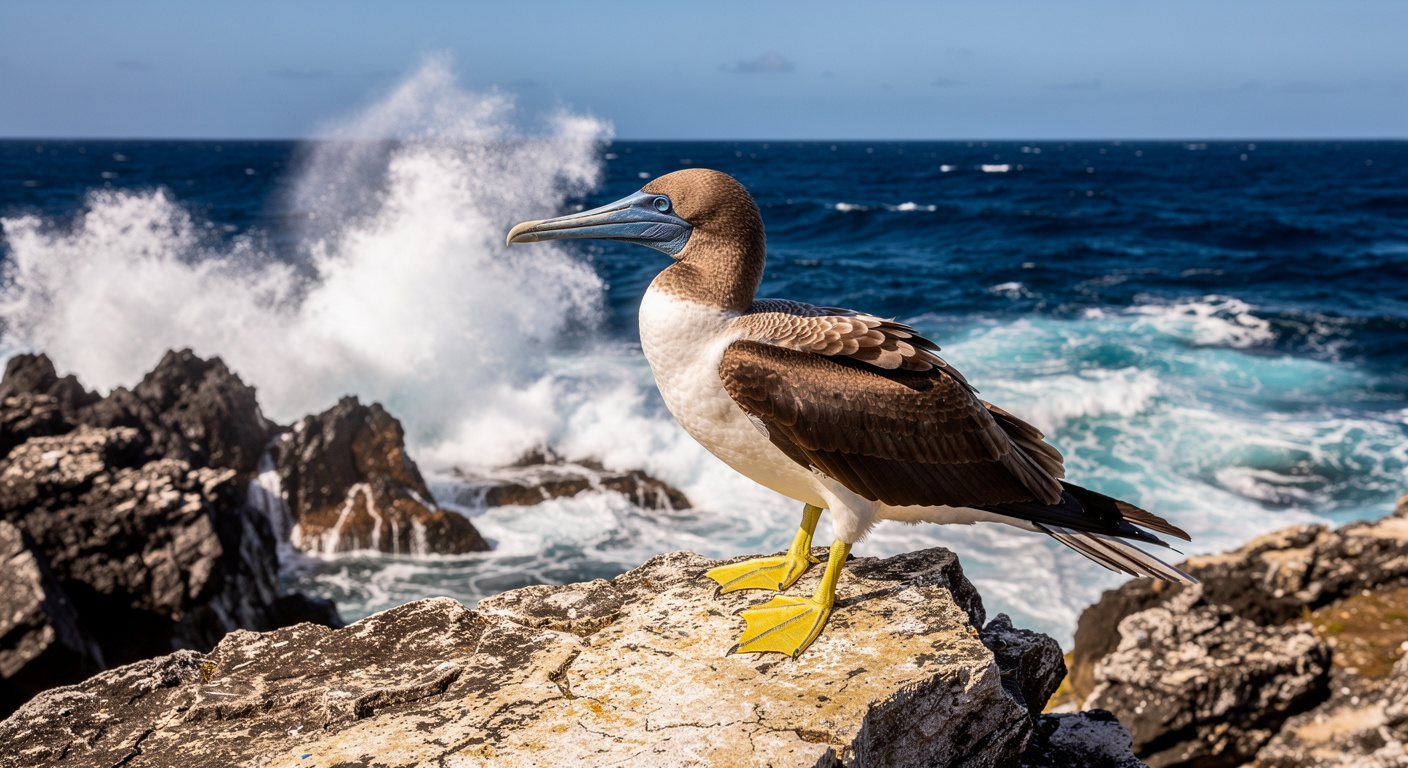
The team also studied blood samples from brown boobies (Sula leucogaster) living in the São Pedro and São Paulo archipelago. This isolated group of rocky islets is located about 1,000 kilometers from Natal, in the state of Rio Grande do Norte. The study used multi-user equipment installed at the IO USP and funded by FAPESP.
Toxicological Surprises: When Size Isn’t Everything
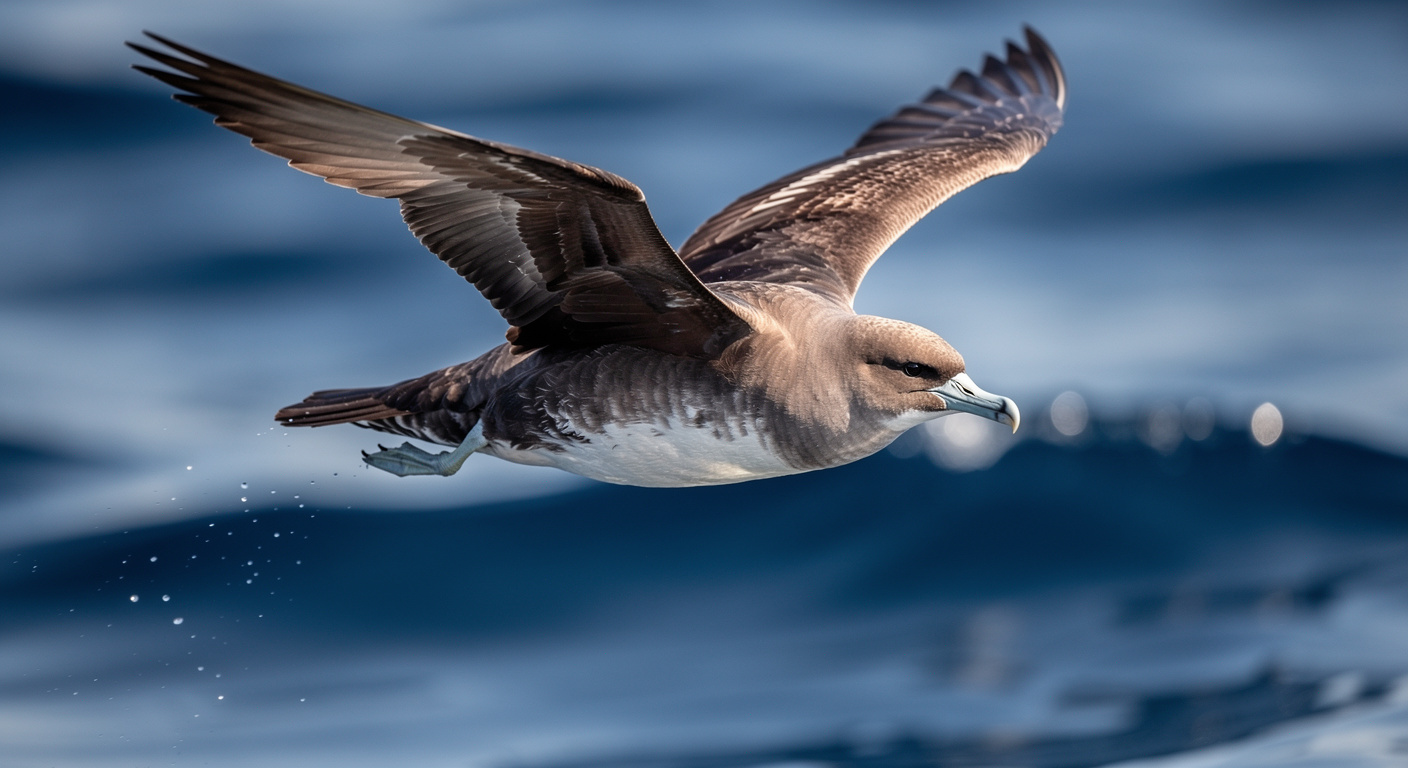
The team expected larger birds, such as albatrosses, to show the highest levels of contamination. Larger animals often eat larger prey and live longer, allowing toxins to accumulate over time. The results challenged this assumption. Janeide Padilha explains: “We expected larger species, such as albatrosses, to have the highest concentrations of POPs, since they occupy higher trophic levels and tend to consume larger, longer-lived prey that accumulate more contaminants throughout their lives. However, the great shearwater had the highest levels of PCBs and mirex.”
Geographic and Methodological Disparities
Previous work by Padilha’s group had shown that brown boobies from different locations exhibited different pollution profiles. Birds from the Cagarras Islands, near Rio de Janeiro, had higher levels of toxic metals such as tin than birds from the Abrolhos or the São Pedro and São Paulo archipelago. Urban pollution and local diets played a role: squid, a common food source near the Cagarras Islands, absorbs more toxic metals than other prey.
The analytical methodology is crucial for interpreting these results. Janeide Padilha points out: “It is important to note that, in our current study, we are analyzing different biological materials: livers from Rio Grande do Sul, taken from animals that were already dead, and blood from live brown boobies in the archipelago.” The livers show long-term accumulation, while the blood reflects what is circulating in the body at the present moment.
She adds an important caveat regarding the limitations of current detection methods: “Other types of analyses or tissues may reveal pollutants that we have not found using the methods currently employed.”
Toward a New Threat: Plastic Pollution
Janeide Padilha is now studying plastic pollution in seabirds. Certain POPs are present in plastic objects floating in the ocean. The researcher has a hypothesis about the birds’ feeding behavior: “We suspect that certain colors are associated with certain foods, which could lead these birds to ingest pieces of plastic.”
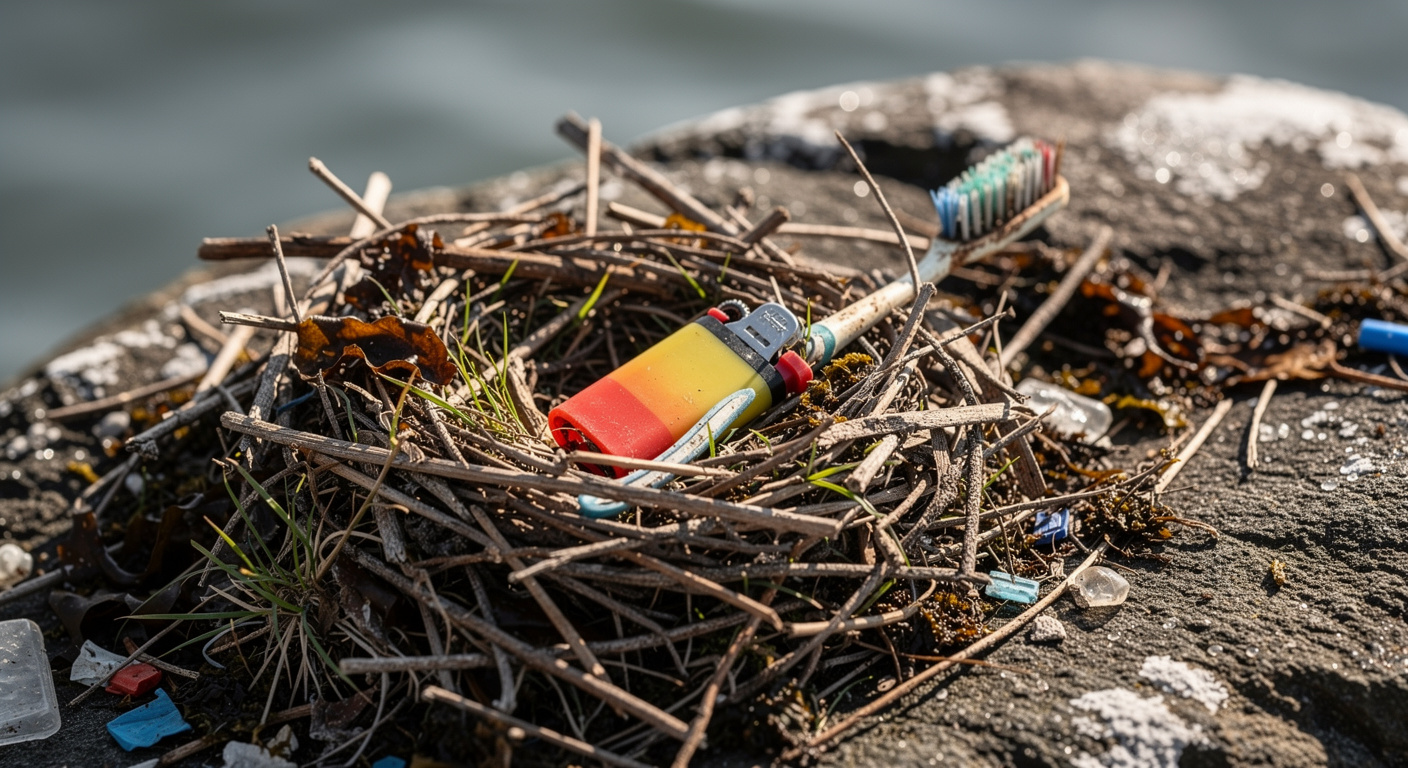
During fieldwork on the Cagarras Islands, a striking observation was made: seabirds were using toothbrushes and lighters as nesting materials. This incorporation of human waste into the birds’ natural habitat illustrates the scale of the problem.
Source: earth.com
Created by humans, assisted by AI.
Chemical Pollution: Why Birds in Distant Areas Remain Contaminated by DDT
This content was created with the help of AI.


