

An Experiment on Rodents Reveals the Hidden Architecture of Consciousness
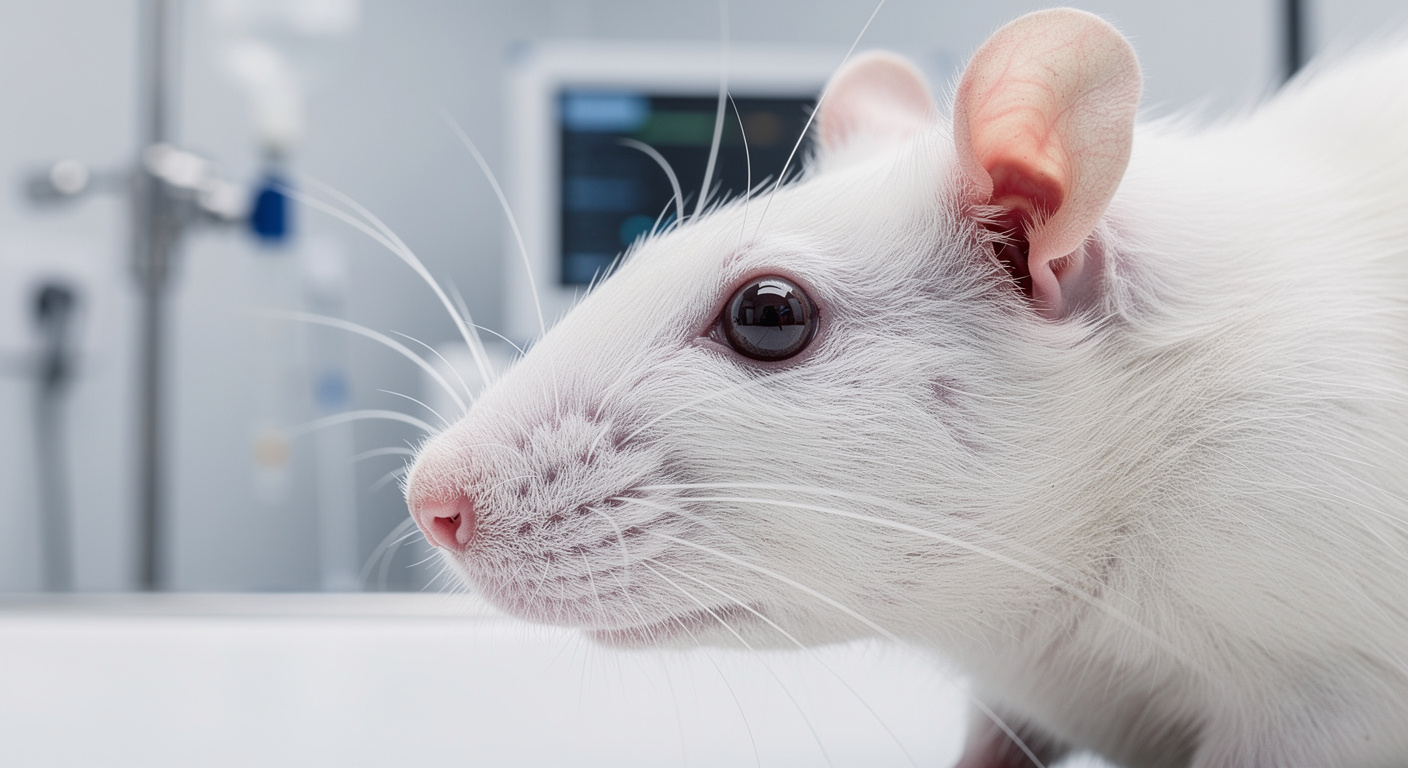
A groundbreaking experiment conducted on anesthetized rats has convinced scientists that tiny structures in the rodents’ brains are responsible for the experience of consciousness. To achieve this result, these microscopic, hollow-tube-shaped structures—called “microtubules”—do not rely on the classical physics we encounter in everyday life. Instead, experts believe that microtubules perform incredible operations that fall within the realm of quantum physics. Citing the work of previous researchers, the study concludes that the same type of quantum operations likely occur in the human brain.
During their experiments on rat brains, scientists at Wellesley College in Massachusetts administered isoflurane to the rodents—a type of inhaled general anesthetic used to induce and maintain unconsciousness during medical procedures. One group of anesthetized rats also received microtubule-stabilizing drugs, while the other did not. The researchers found that the microtubule-stabilizing molecules kept the rats conscious longer than the rats that did not receive them.
The latter lost their “righting reflex”—that is, the ability to restore a normal posture—more quickly, according to their findings published in the peer-reviewed journal eNeuro in August 2024. The Wellesley study is significant because the physical source of consciousness has remained a mystery for decades. It represents a major step toward verifying a theory that our brains perform quantum operations, and that this ability generates our consciousness—an idea that has gained traction over the past three decades.
The Nobel Prize-Winning Theory: When Quantum Physics Explains the Mind
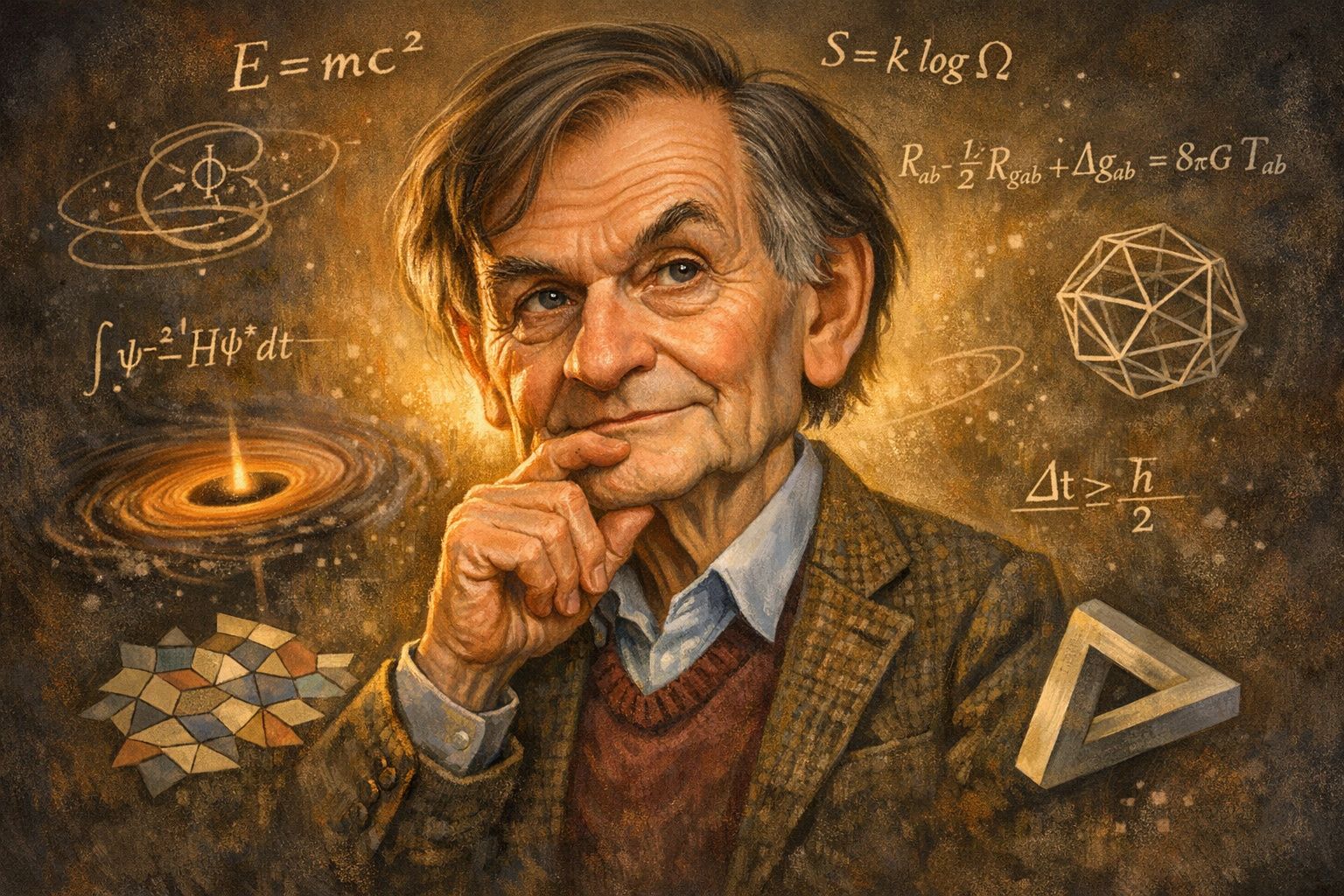
The notion that quantum physics must be the underlying mechanism of consciousness first emerged in the 1990s. It was during this period that physicist and Nobel laureate Roger Penrose, PhD, and anesthesiologist Stuart Hameroff, MD, popularized the idea that neuronal microtubules enable quantum processes in our brains, giving rise to consciousness. More specifically, they posited in a 1996 paper that consciousness might operate as a quantum wave traveling through the brain’s microtubules.
This is known as the Orch OR theory, referring to the ability of microtubules to perform quantum computations through a mathematical process that Penrose calls “objective reduction.” In quantum physics, a particle does not exist in the way classical physics observes it, with a defined physical location. Instead, it exists as a probability cloud. If it interacts with its environment—such as when a measuring device observes it—the particle loses its “superposition” of multiple states.
It then collapses into a definite, measurable state—the state in which it was observed. Penrose hypothesized that “every time a quantum wave function collapses in this way in the brain, it gives rise to a moment of conscious experience.” If this quantum theory of consciousness linked to microtubules proves to be correct, it could revolutionize our understanding of consciousness and even reinforce the pioneering theory that, at a quantum level, consciousness is capable of being everywhere at once. In other words, it can exist everywhere simultaneously, suggesting that your own consciousness could hypothetically connect with quantum particles beyond your brain, perhaps becoming entangled with consciousness throughout the entire universe.
The Temperature Debate: Is the Brain Too Hot for Quantum Mechanics?

Many scientists reject the Orch OR theory because quantum effects have only been produced in the laboratory at extremely cold temperatures. For example, our technology now includes quantum computers, but their operations rely on temperatures close to absolute zero (about -273 degrees Celsius) to maintain their quantum states. The warm brain operates well outside these limits, at about 32–40 degrees Celsius (approximately 90–104 degrees Fahrenheit) in the deepest regions of the brain, according to a 2022 study.
First, plants transform photons—or particles of light—into a form of matter called excitons, transporting them to the plant’s chloroplasts to initiate photosynthesis. During this journey, the excitons must navigate around other internal structures of the plant—fast enough to preserve their energy until they reach their destination. Scientists suggest that plants must use the quantum property of superposition to try all possible paths simultaneously. In this way, the excitons can reach their destination in the most efficient way possible.
Long-Range Entanglement: The Key Role of Myelin
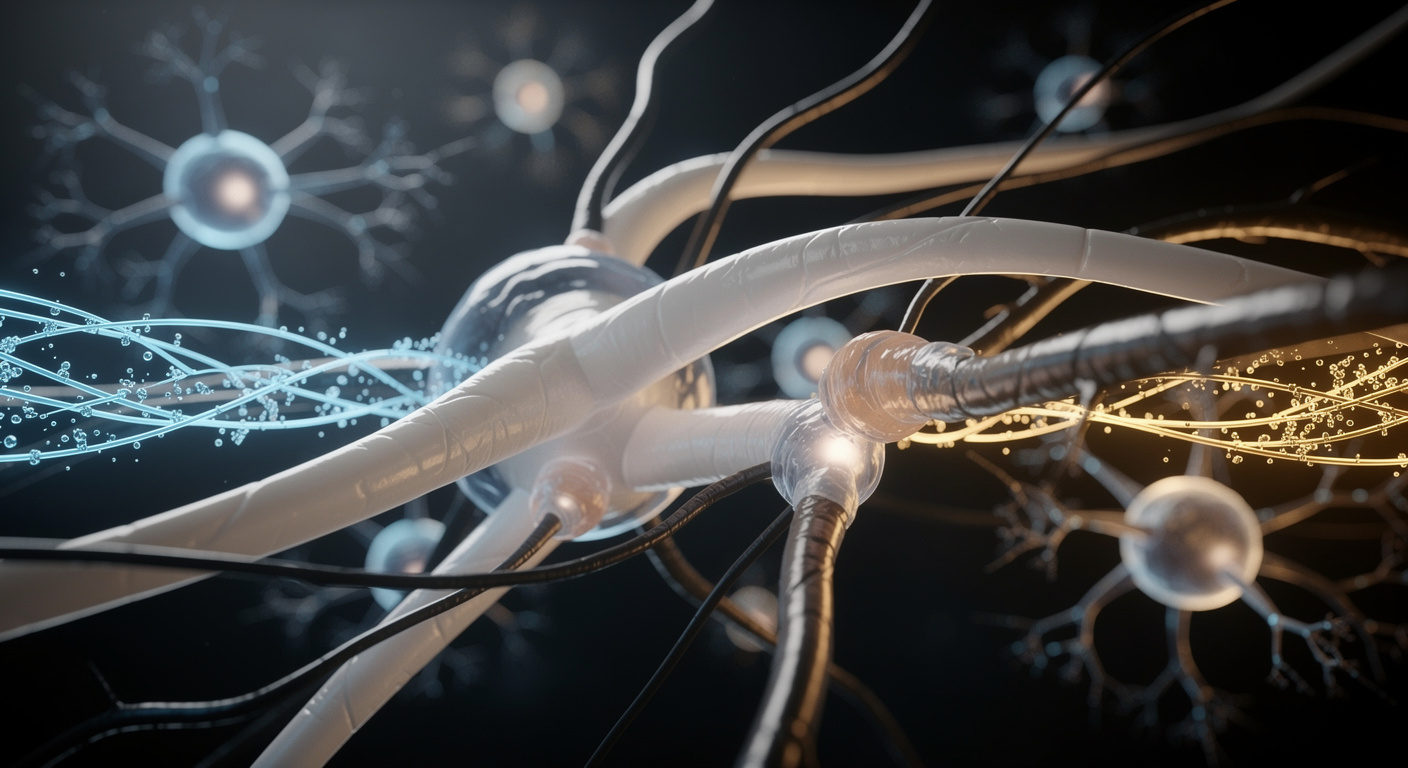
Similarly, it might make sense that the billions of neurons firing simultaneously in the brain operate under the “action at a distance” property of quantum entanglement—the potential for two particles very far apart to be connected. Scientists have already observed this phenomenon in atomic particles. When they studied one particle, another particle far away also changed its properties, even though the two were apparently not connected in any way.
Light Signals That Defy Time
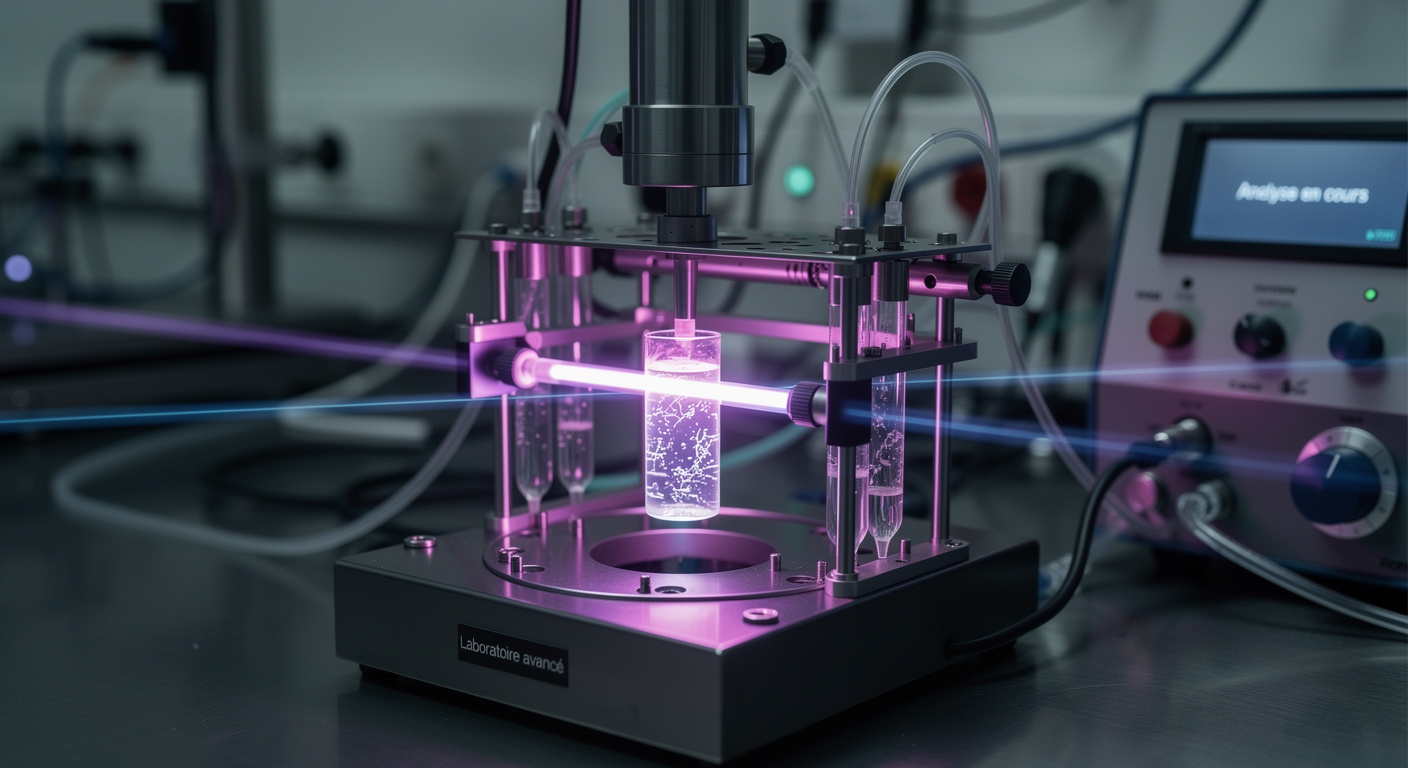
Two previous landmark studies also support a quantum perspective on consciousness. Both involved experiments in which light particles were projected into microtubules, and it was observed that the signal did not degrade. In fact, according to these studies, the experiments demonstrated that quantum states in microtubule signaling can exist—and likely do exist.
One of the studies, an experiment led by physicist and oncology professor Jack Tuszyński, PhD, used ultraviolet photons to create quantum coherence lasting up to five nanoseconds. This quantum coherence lasted thousands of times longer than the researchers expected within a microtubule. Similarly, at the University of Central Florida, researchers shone visible light into one end of microtubules and measured how long it took for the microtubules to re-emit that light.
They observed re-emission of this light over hundreds of milliseconds to seconds—more than enough time for the brain to perform all its functions. This observation provides concrete evidence that neurons are capable of operating at speeds that allow for quantum operations. This brings us one step closer to a precise understanding of how our brains—and perhaps our very consciousness—are connected to a quantum universe.
Toward a New Era of Understanding

The mind “as a quantum phenomenon” “would shape our thinking on a wide variety of related questions, such as whether patients in a coma or non-human animals are conscious,” says neuroscientist and Wellesley College professor Mike Wiest, PhD, in a press release regarding his team’s recent study on anesthesia.
Beyond the theoretical implications, this research could transform medicine. In addition to this new work helping us better understand how to treat brain-related health issues, he states: “… we will have entered a new era in our understanding of who we are.”
Source: popularmechanics.com
Created by humans, assisted by AI.
Is your consciousness connected to the entire universe? This life-changing discovery
This content was created with the help of AI.


