

Introduction: In Praise of Slowness
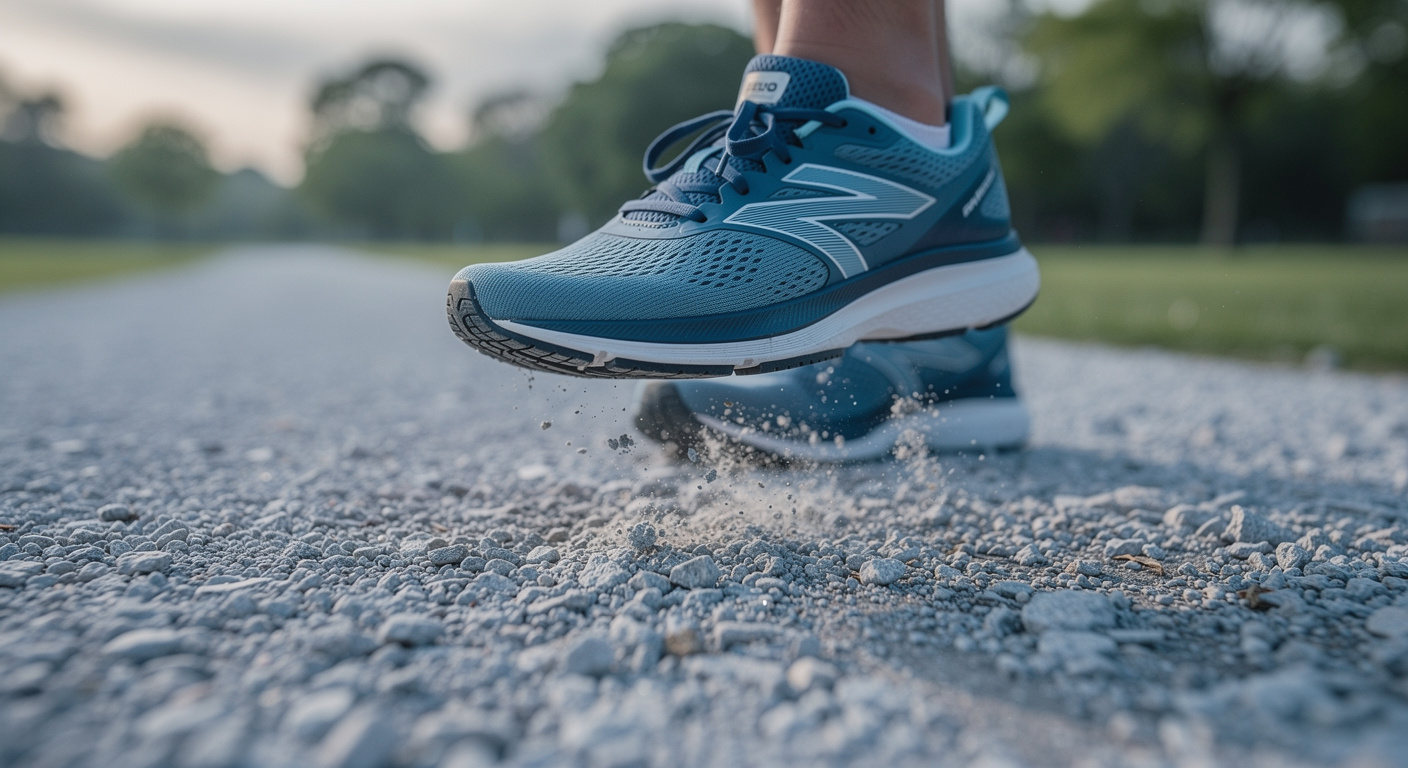
If your jog feels more like a laborious little trot than an Olympic sprint, don’t beat yourself up. In an era where everyone swears by HIIT (high-intensity interval training)—which makes you sweat buckets—and demanding competitions like the Hyrox, it’s easy to forget the benefits of simply lacing up a pair of sneakers for a leisurely run.
“Most people, especially today when we’re all focused on time efficiency, concentrate on high-intensity exercise,” observes Dan Gordon, a professor of exercise physiology at Anglia Ruskin University. Yet you don’t have to end up drenched in sweat or out of breath to improve your health. “Slow running”—or “course lente,” for those who prefer the French term—might even be much better for you. The idea? Exercising in “Zone Two,” a pace that raises your heart rate to about 60% of its maximum but remains gentle enough to hold a conversation. So, why should you slow down?
The Conversation Test: The Secret to the Right Pace
What exactly is slow running? There’s no universal speed displayed on a speedometer. Physiologically, it corresponds to a pace below the “lactate threshold”—that precise moment when lactate—an acid produced by the body when it burns carbohydrates for energy—begins to build up in the blood.
But since we don’t all run with a portable lab, Professor Gordon suggests a much simpler method: talking. “Most people don’t have access to this data, so we use conversation as a benchmark,” he explains. It’s a subtle balance: “It’s the intensity at which you can hold a conversation while still feeling like you’re exercising,” the expert clarifies.
For some, this will feel like a slow jog depending on their fitness level, while for trained athletes, it will already be a brisk pace. The golden rule is simple: if talking becomes difficult, that’s a sign you need to slow down.
A Heart of Steel and a Champion’s Stamina
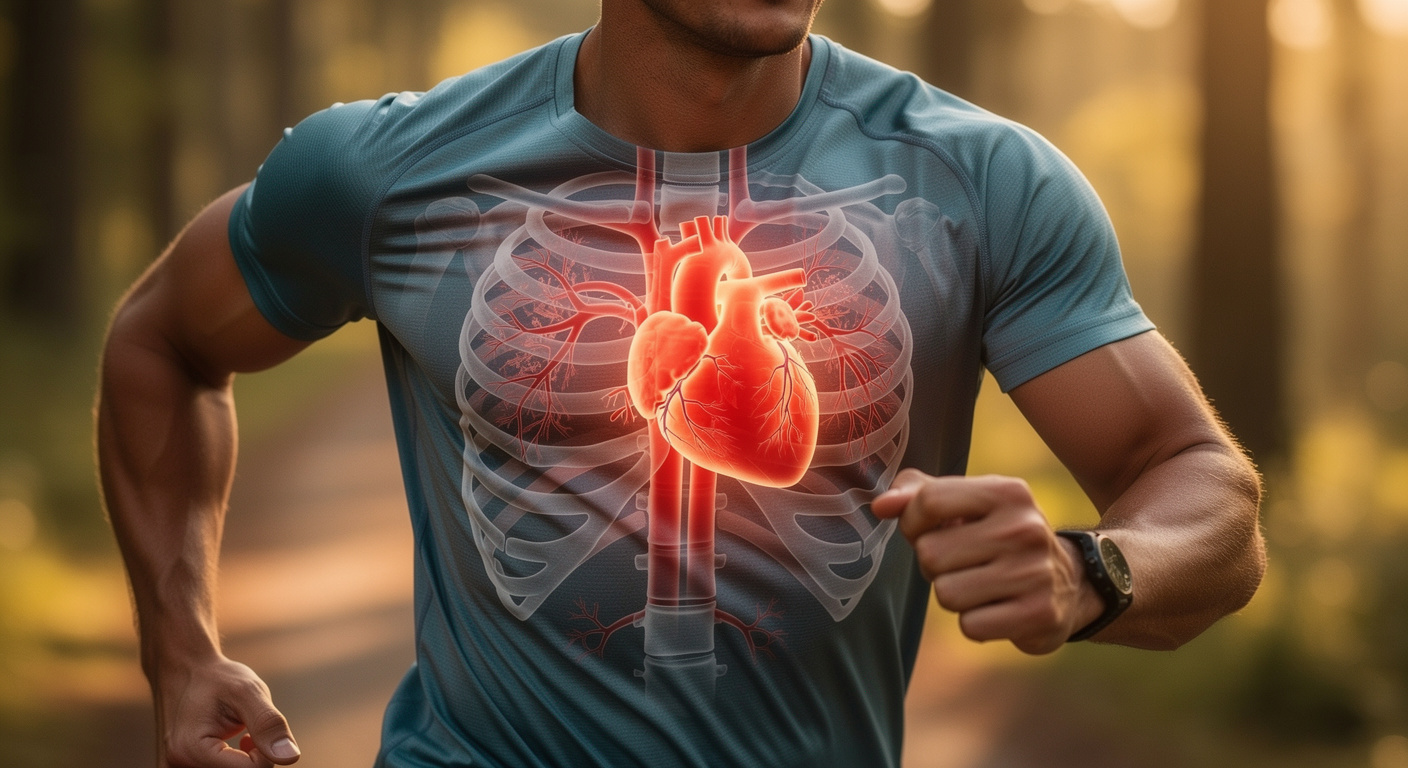
Don’t be fooled by appearances: just because the effort seems moderate doesn’t mean nothing is happening inside. Professor Gordon points out that the heart manages two parameters: the speed of its beats (heart rate) and the volume of blood pumped out with each contraction (systolic ejection volume). While the heart rate rises with intensity, the ejection volume reaches its peak (or nearly so) when we’re in “zone two”—that is, during a slow run.
What does this mean in practice? It improves your heart’s ability to pump blood with each beat. This blood carries oxygen to your muscles, allowing you to keep going longer. Over time, it also helps lower your resting heart rate. “To fundamentally improve heart health—and therefore cardiovascular health—you don’t really need to train at more than 60%, which puts people right in the middle of this slow-paced running zone,” says Professor Gordon.
And that’s not all. Dr. Rebecca Robinson, a sports medicine consultant, adds that this moderate exercise improves the elasticity of blood vessels. The result: lower blood pressure and a reduced risk of stroke and heart disease in the long term. Two major benefits for the price of a short jog.
When it comes to endurance, running slowly helps build a solid foundation. That’s why elite runners spend about 80% of their training at this pace. Dr. Robinson explains that slower exercise increases the density of mitochondria (our cells’ energy factories) and the concentration of myoglobin (a protein that helps transport oxygen). In addition, it promotes the development of type 1 muscle fibers, which are essential for delaying fatigue. Finally, by putting less strain on your muscles and joints, you reduce the risk of injury while boosting your immune system—unlike very intense workouts, which can sometimes temporarily weaken it.
Burn Fat and Boost Your Mood

If you’re looking to shape your figure, slow running has an ace up its sleeve. While a sprint burns carbohydrates, running slowly prompts the body to tap into its stored fat, explains Professor Gordon. “Burning fat can help regulate our metabolism and manage weight as well as insulin levels,” confirms Dr. Robinson.
Be careful, however, to note the nuance: this doesn’t automatically mean it’s “better” than running fast for weight loss. Professor Gordon points out that during high-intensity exercise, although you burn less fat in the moment, the recovery time is much longer. And it’s during this recovery period that the body burns fat to regulate its temperature and replenish its energy stores. The overall effect on weight between the two methods is therefore less clear-cut than it seems.
Finally, let’s not forget the mind. Exercise is known to boost mental health by reducing stress hormones and releasing endorphins. “Slow exercise can provide all these benefits, but without the stress of our hardest workouts,” notes Dr. Robinson. It encourages us to be more mindful of the nature around us. And since you can talk while running, it’s the perfect time to connect with friends. A real bonus for our mental well-being and that of our loved ones.
Source: telegraph.co.uk
Created by humans, assisted by AI.
Running Slowly: Why This "Leisurely" Pace Is Your Heart’s Best Friend


