

An instinct to open tough packaging
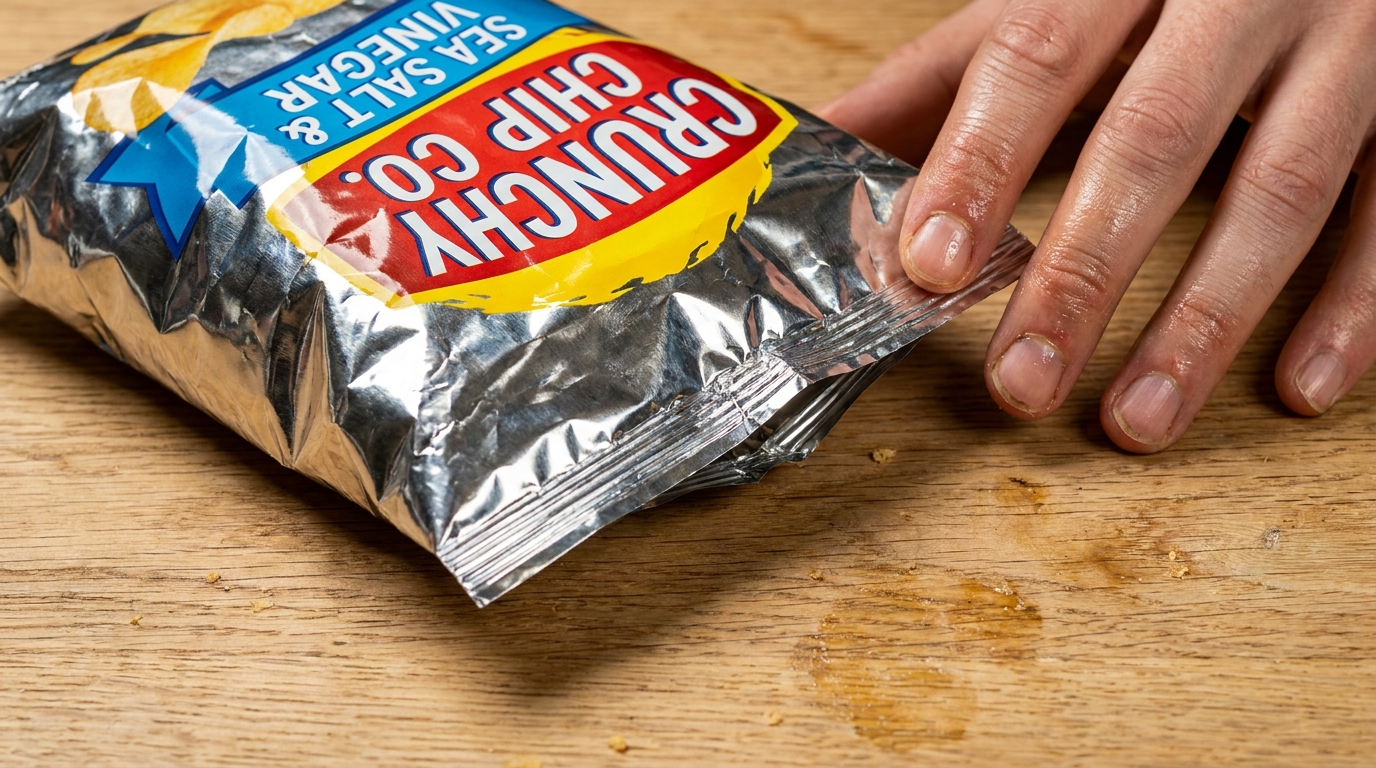
Opening stubborn packaging with one’s teeth is a common reflex, often performed mechanically, especially when scissors are unavailable and fingers are too greasy to be of any use. In works of fiction, particularly in romantic films, this gesture—described as wild or even primitive—is sometimes portrayed in a suggestive and titillating way. The practical reality of this practice, however, is far less appealing.
This situation frequently arises with packages that are labeled “easy to open,” turning access to delicious, tangy candies in cute shapes or new tartiflette-flavored potato chips into a veritable puzzle worthy of an escape room. The consumer, eager to savor these products, may pull on the plastic with their hands until they risk tearing off a fingernail and ending up with sore muscles, yet the package sometimes doesn’t show so much as a scratch.
Finally, without the signature pocket knife that a father always kept in his pocket—or a traditional Swiss Army knife to help out—the person resorts to a last-ditch effort. Their teeth are then drawn like a formidable weapon, aiming to tear open the bag with a single snap of the jaw.
Direct physical impacts on the dental structure
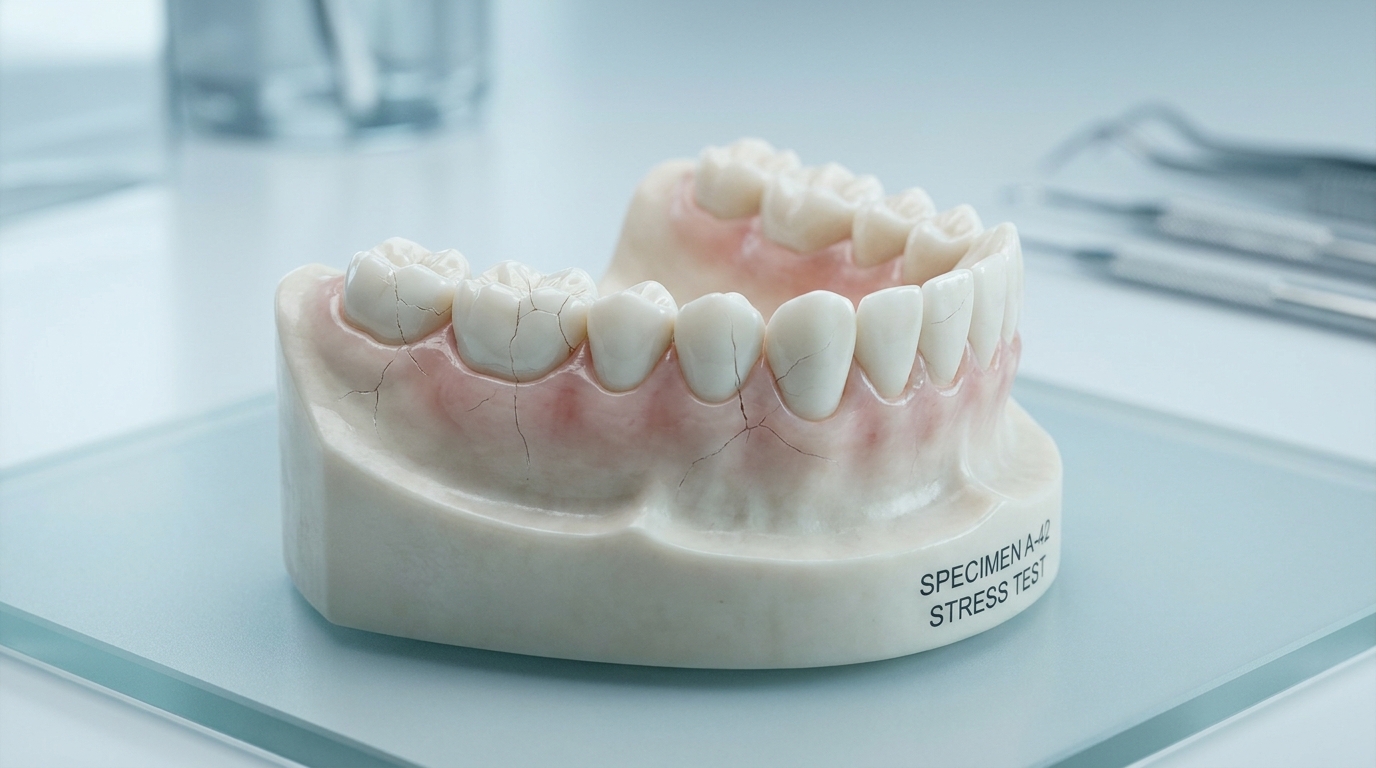
The Red Maple Dental website details the risks associated with this behavior toward plastic. According to the professionals at this center, “biting and tearing plastic with your teeth can chip, crack, or break one or more of your teeth.” This action directly damages the enamel—which serves as the teeth’s natural protective barrier—and can lead to an unplanned visit to the dentist, a place some patients have avoided since receiving treatment for their first cavity.
In addition to the teeth, individuals are also at risk of injuring their gums, which are particularly sensitive areas. It is important to remember that teeth are neither tools nor a makeshift solution. The Prisma Dentistes clinic echoes this sentiment, noting: “A crack in the tooth enamel acts as a gateway for bacteria to reach other parts of the tooth, which significantly increases the risk of cavities and infection.”
Exposure to Bacteria in Commercial Settings
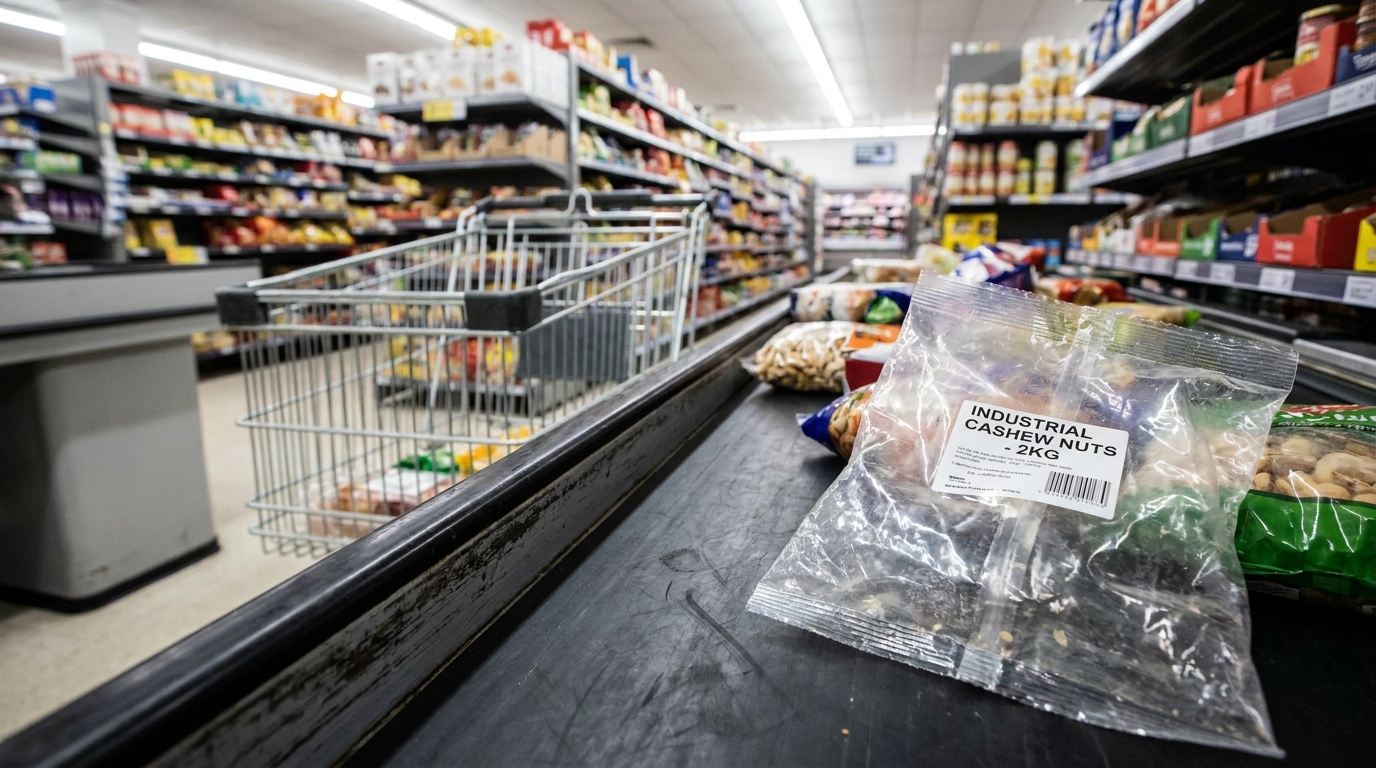
From a microbiological standpoint, packaging acts as a veritable breeding ground for microbes. Whether it’s a bag of cashews, instant coffee pods available in an open-plan office, or leftover sauce from a late-night fast-food meal, these items share an alarming commonality: their level of cleanliness is almost comparable to that of a toilet bowl. Many people handle them before they end up in a kitchen or a lunchbox.
The logistics process for these products means they pass through many hands under varying hygiene conditions. They travel daily across checkout conveyor belts, sit at the bottom of shopping carts, and can sometimes fall to the floor during their journey. Statistics also show that more than 70% of supermarket shopping carts carry fecal bacteria—a fact that doesn’t require a microscope to understand.
The specific case of fast-food bags
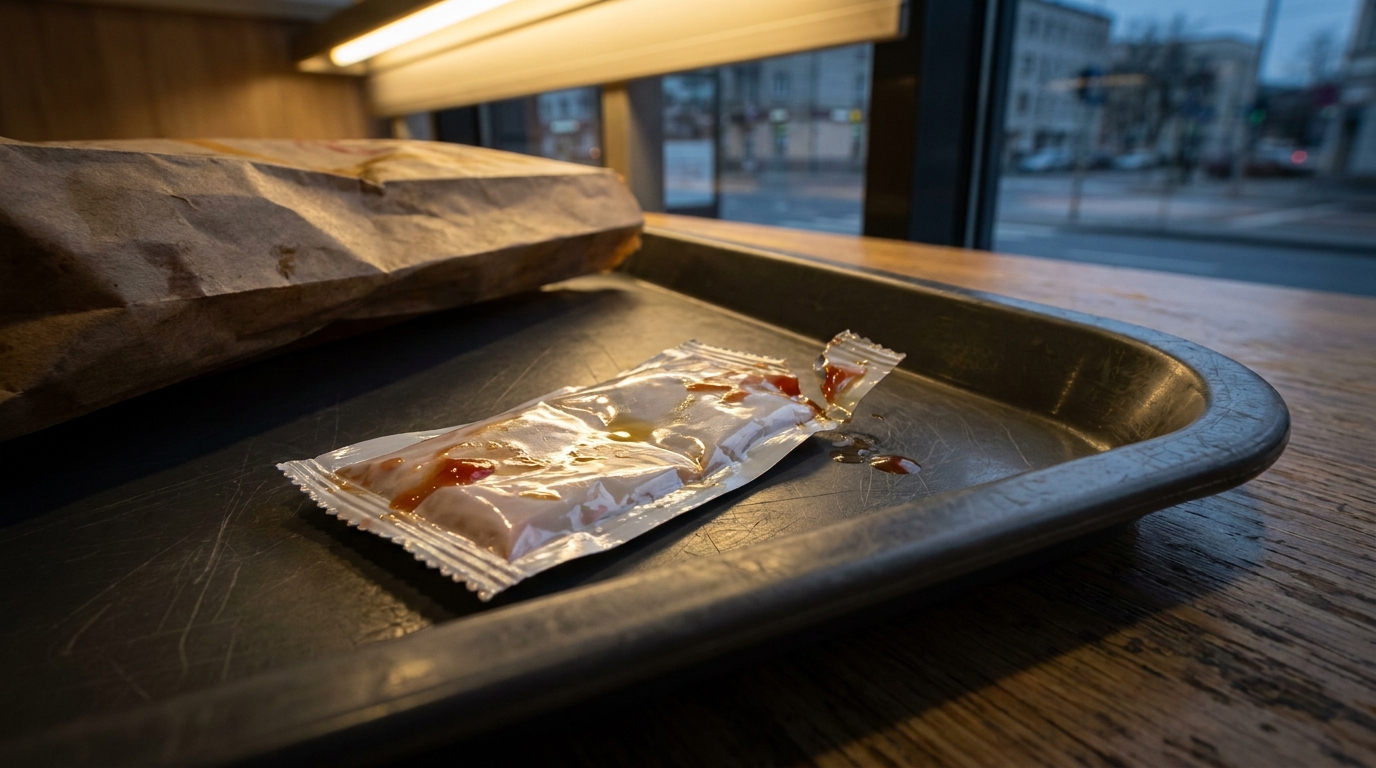
Furthermore, these multilayer plastic bags are designed to optimally withstand human handling but offer no barrier against pathogens. Stuffed into cardboard boxes early in the process, stored at room temperature, and then handled on an assembly line, they accumulate a significant collection of unwelcome microscopic guests along the way—guests whose metabolism we’d gladly do without.
Conclusion: Protecting Your Teeth from Stubborn Plastics
When faced with the temptation to use your teeth—which may seem too strong to resist—it’s important to firmly keep this fact in mind: human teeth are by no means multifunctional package openers. Their anatomy and primary purpose are exclusively tied to the processing of food.
Our teeth are already under intense strain from the physiological necessity of coping with daily meals, frequent snacking, and exposure to sugary drinks. It is therefore strongly recommended not to subject them to an additional “commando mission” against stubborn plastic packaging, at the risk of causing long-term oral health complications.
Source: ma-grande-taille.com
The dental and hygiene consequences of opening packages with your teeth
This content was created with the help of AI.


