

The "Devil’s Chariot" had been abandoned in the desert. The U.S. Army devised a plan to seize it


An Unexpected Discovery in the Sands of Chad
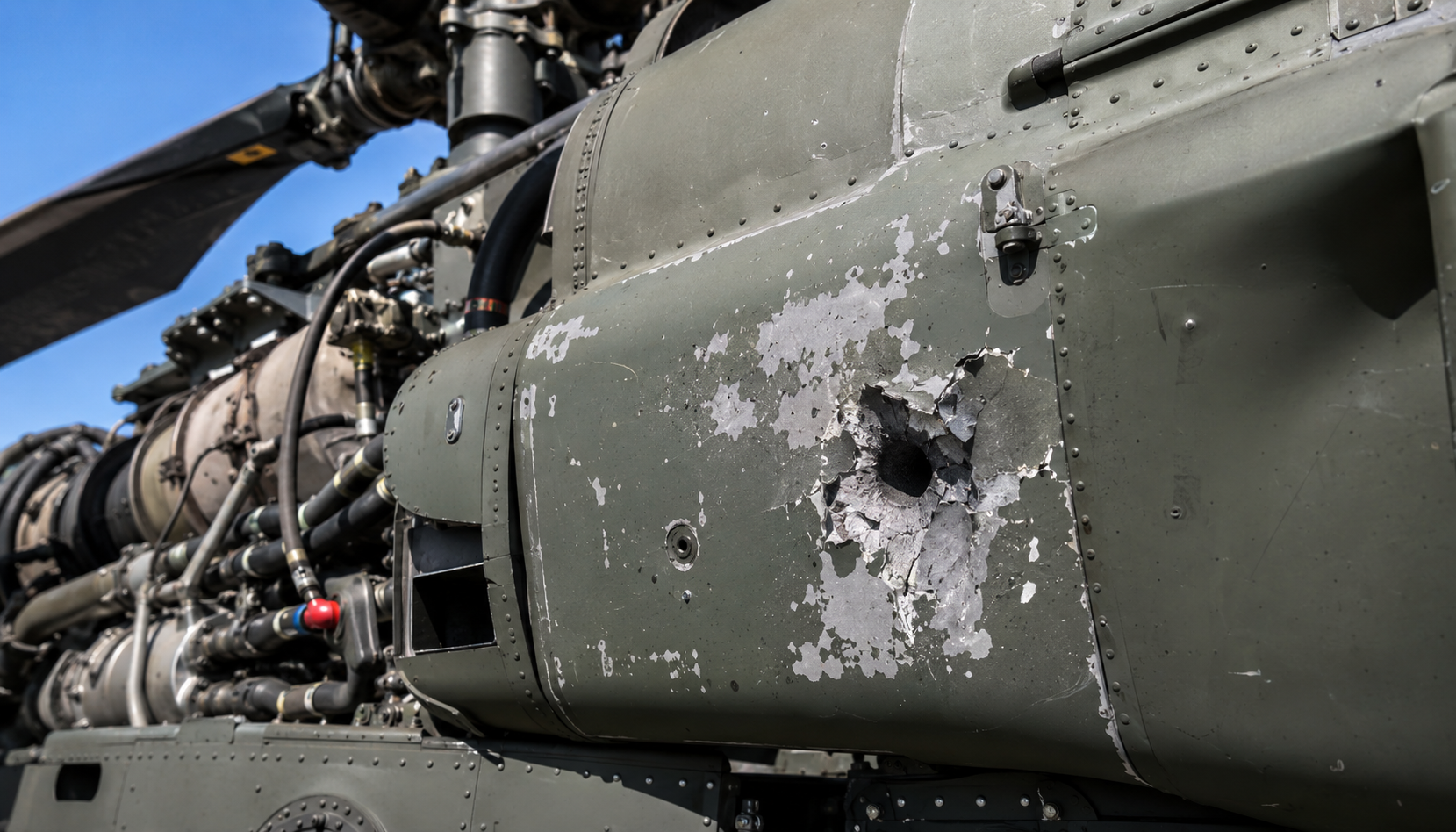
In 1988, an unexpected opportunity arose at a remote airfield located deep in the heart of the Chadian desert. A Soviet Mi-24 “Hind” helicopter lay there, abandoned in the middle of an arid and inhospitable expanse. What looked like a simple wreck was, in reality, a technological goldmine for Western forces.
The “Devil’s Tank,” a machine without equal in the West
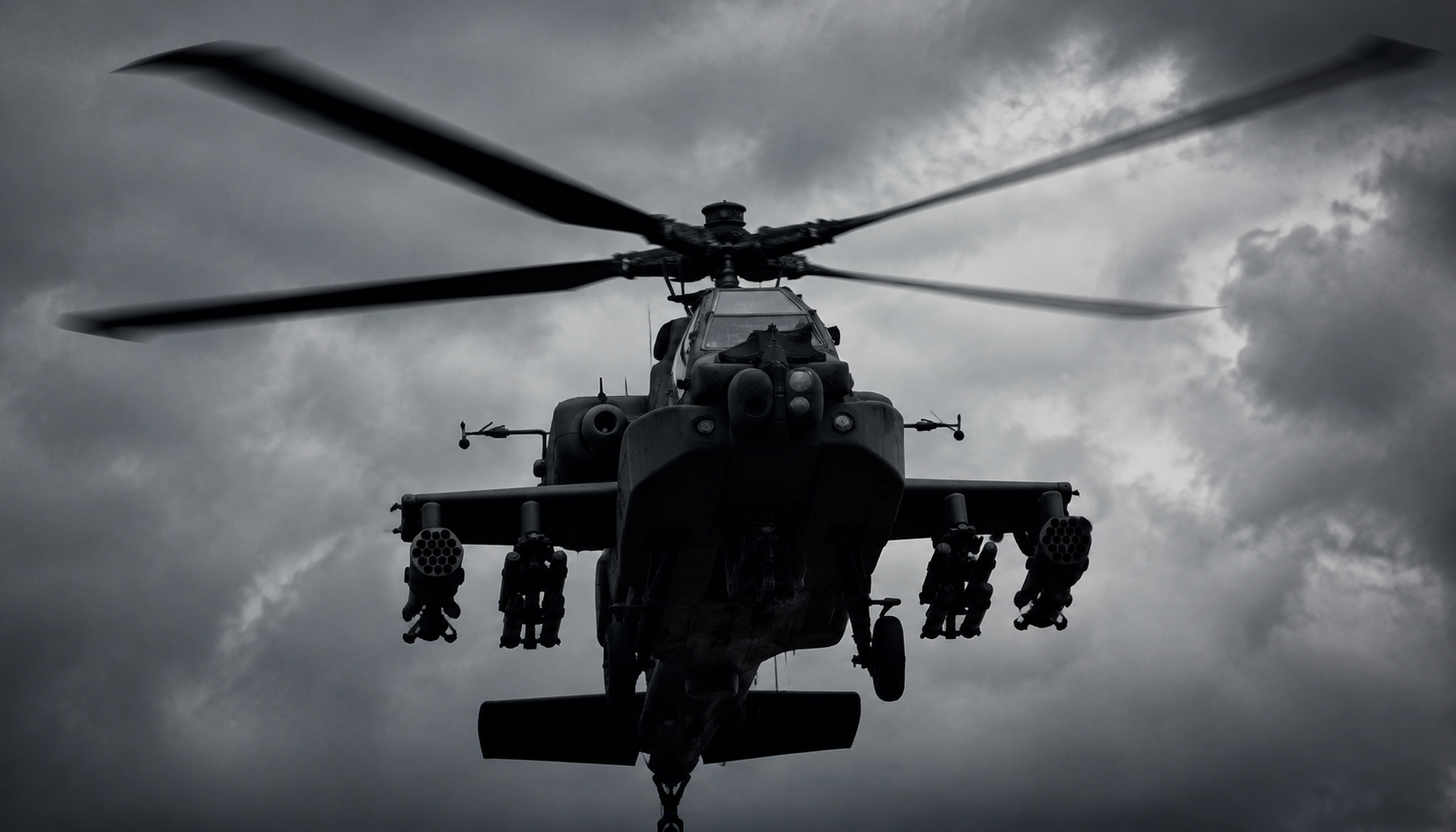
Given its ability to insert troops, eliminate enemy positions, and extract its own men in a single sortie, the Afghan mujahideen nicknamed it the “Devil’s Tank.” The Soviets built 2,500 of these “flying tanks” and exported them on a massive scale around the world, thereby reinforcing their formidable reputation.
Unrivaled flight performance
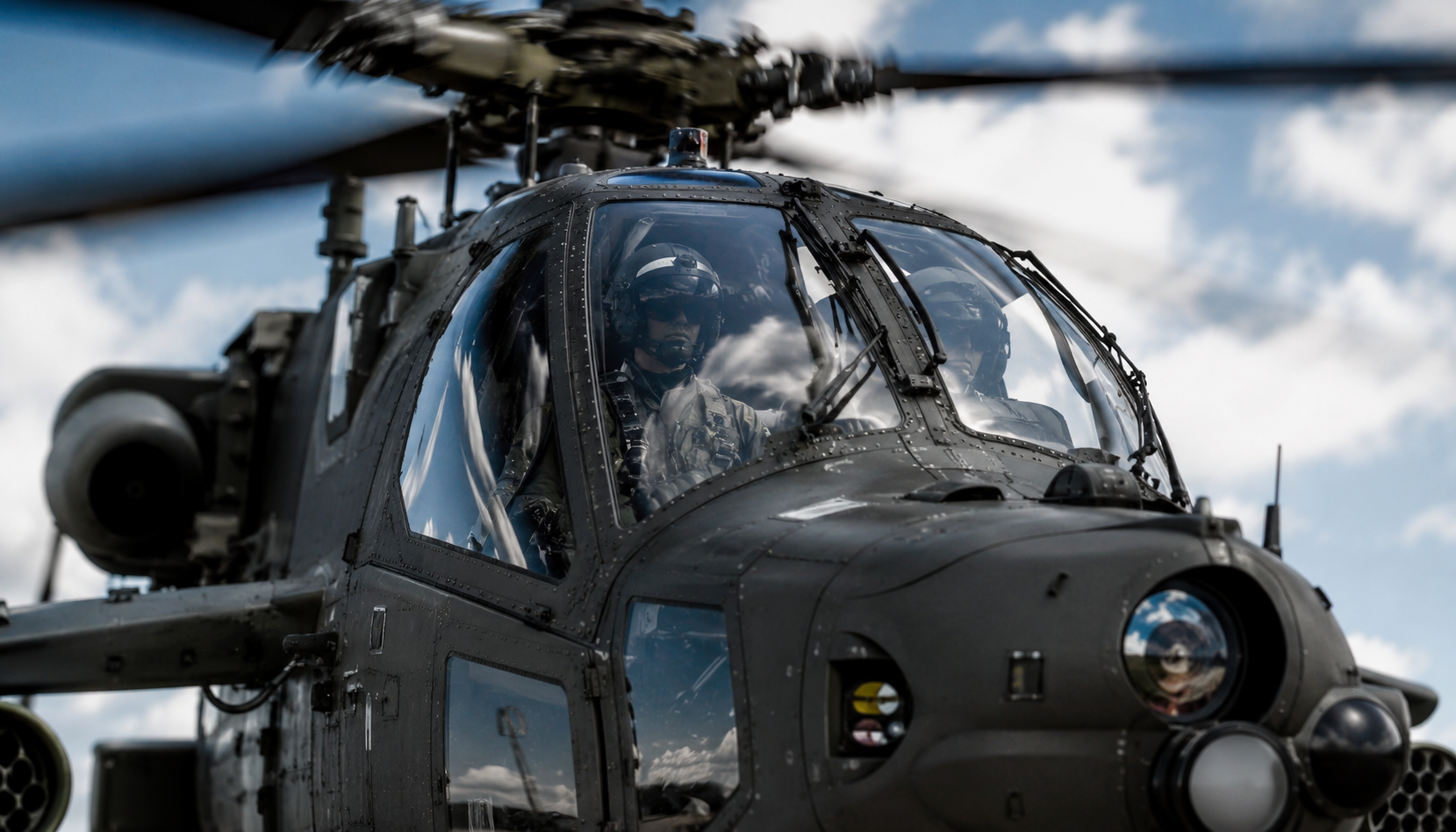
Even in its standard combat configuration, the aircraft could easily exceed 200 miles per hour. This speed allowed it to outrun any Western helicopter sent to intercept it, fully justifying the U.S. military’s fierce determination to capture one for thorough study.
From Libya to Chad: The Legacy of the “Toyota War”
This conflict, which lasted from 1978 to 1987, was dubbed the “Toyota War.” This unique name stems from the Chadian National Armed Forces’ extensive use of Toyota pickup trucks, modified to withstand the sand and equipped with guided anti-tank missiles, which provided formidable mobility against Libyan forces.
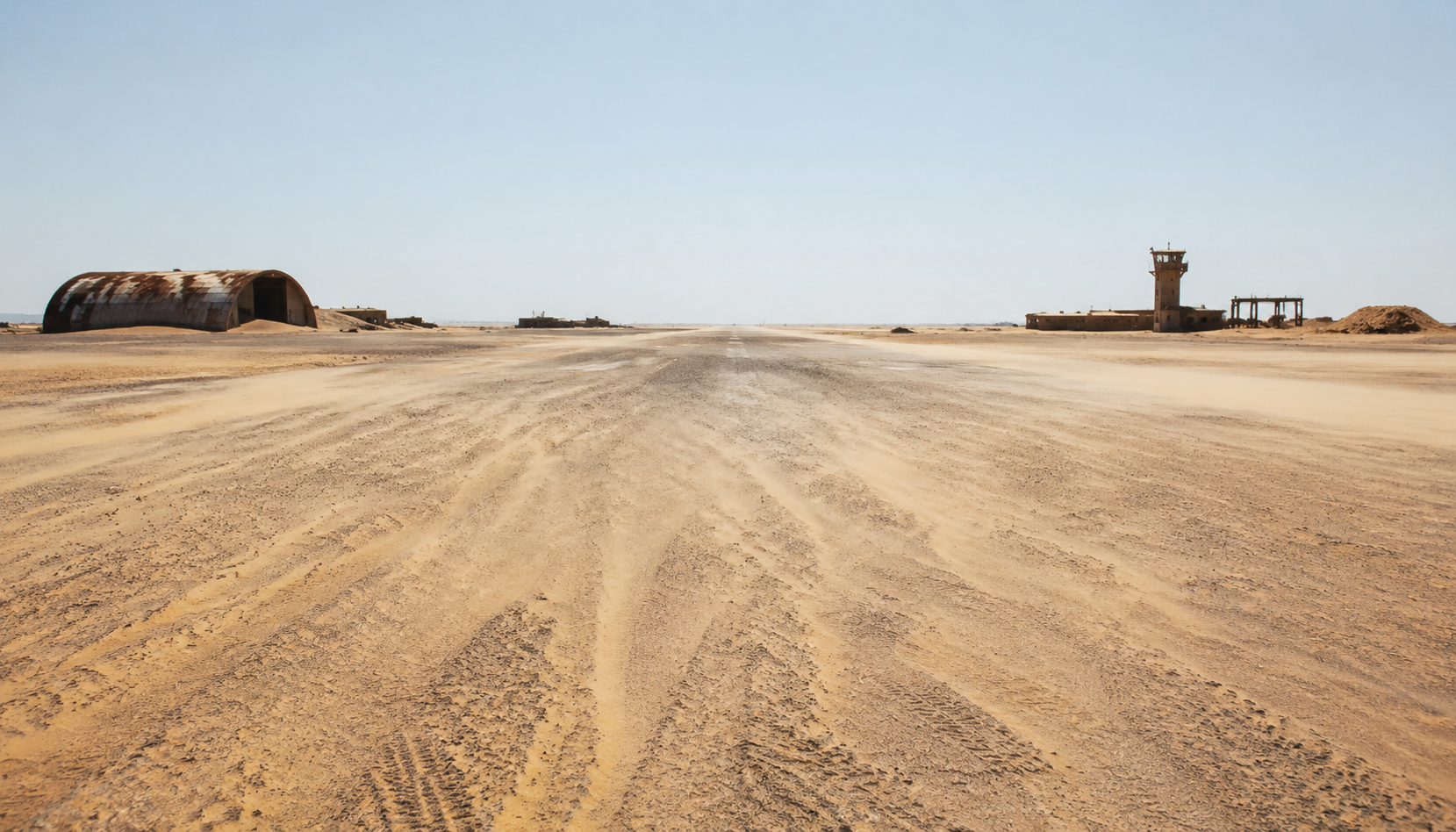
At the end of the fighting, the Chadian forces, with assistance from France, succeeded in repelling the invasion. During their retreat, Libyan troops abandoned several export models of the aircraft—officially designated as Mi-25s—at the remote Ouadi Doum airbase in northern Chad. However, the helicopter remained clearly visible to Gaddafi’s forces, complicating any attempt to recover it.
Operation Mount Hope III: Logistics and Meticulous Preparation
It was against this tense backdrop that Operation Mount Hope III was launched. The U.S. military reached a confidential agreement with Chad and France to discreetly exfiltrate a Mi-25 from the abandoned base. The mission, classified as top secret, was entrusted to the U.S. Army’s 160th Special Operations Aviation Regiment, aptly nicknamed the “Night Stalkers.”
The main challenge was that Libyan troops—armed with enough firepower to destroy both the helicopter and the recovery team—must not notice a thing. Preparations began in the New Mexico desert. U.S. military personnel outfitted two Boeing MH-47 Chinook heavy-lift helicopters, modifying one of them to exactly match the weight of the Soviet aircraft to be lifted.
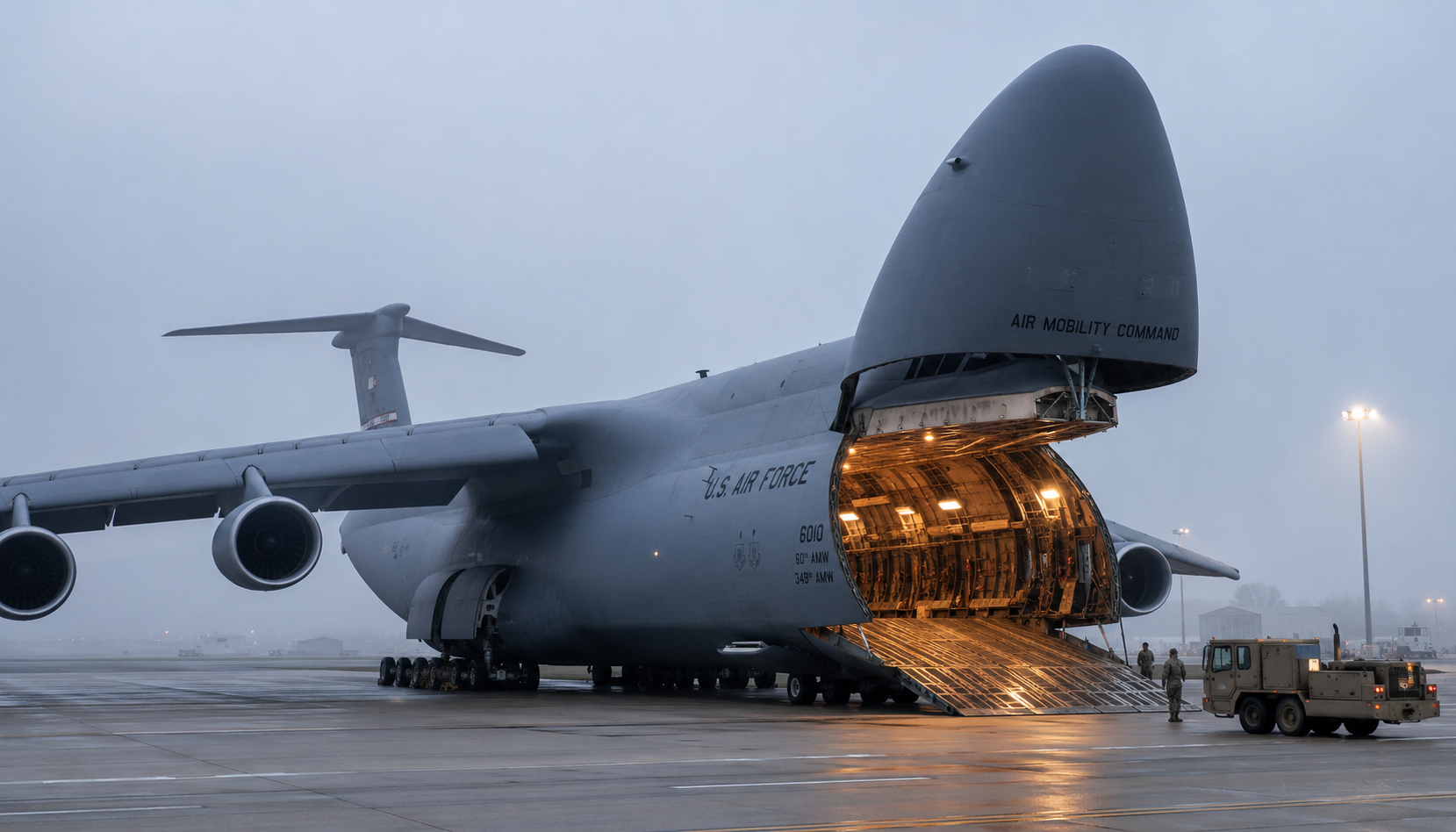
After three months of intensive logistical training, the operation was launched in June 1988. Sixty soldiers boarded a giant Lockheed C-5 Galaxy transport aircraft at Fort Campbell in Kentucky. The two massive MH-47 helicopters were loaded into the aircraft’s cargo hold, bound for the African continent.
A blind flight and a successful exfiltration
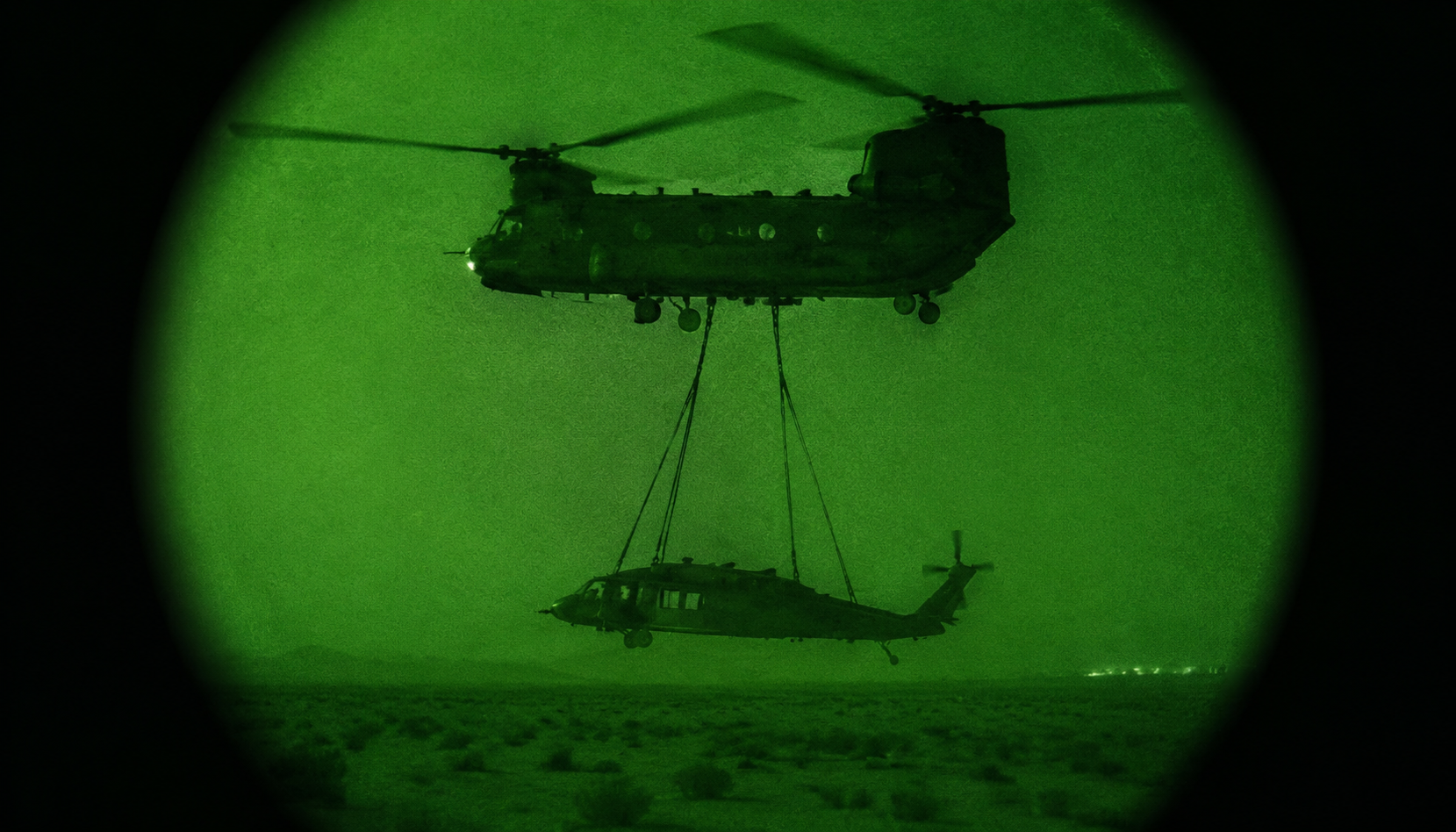
The plane landed at N’Djamena International Airport in Chad, where the MH-47s were unloaded. Taking advantage of the darkness, the helicopters flew 550 miles toward Ouadi Doum. The crews flew equipped only with night-vision goggles, without any external navigation aids. On the ground, troops had already secured and prepared the helicopter for air transport.
The “Night Stalkers” then loaded the precious haul onto the C-5. Just 70 hours after the start of this covert operation, the aircraft touched down at Fort Rucker (now Fort Novosel) in Alabama. U.S. Army aircrew refurbished the helicopter, studied it thoroughly, and even used it in training exercises before it was finally added to the Southern Museum of Flight’s collection in 2012.
Source: popularmechanics.com
The "Devil’s Chariot" had been abandoned in the desert. The U.S. Army devised a plan to seize it
