

Memories of a Seemingly Peaceful Suburb
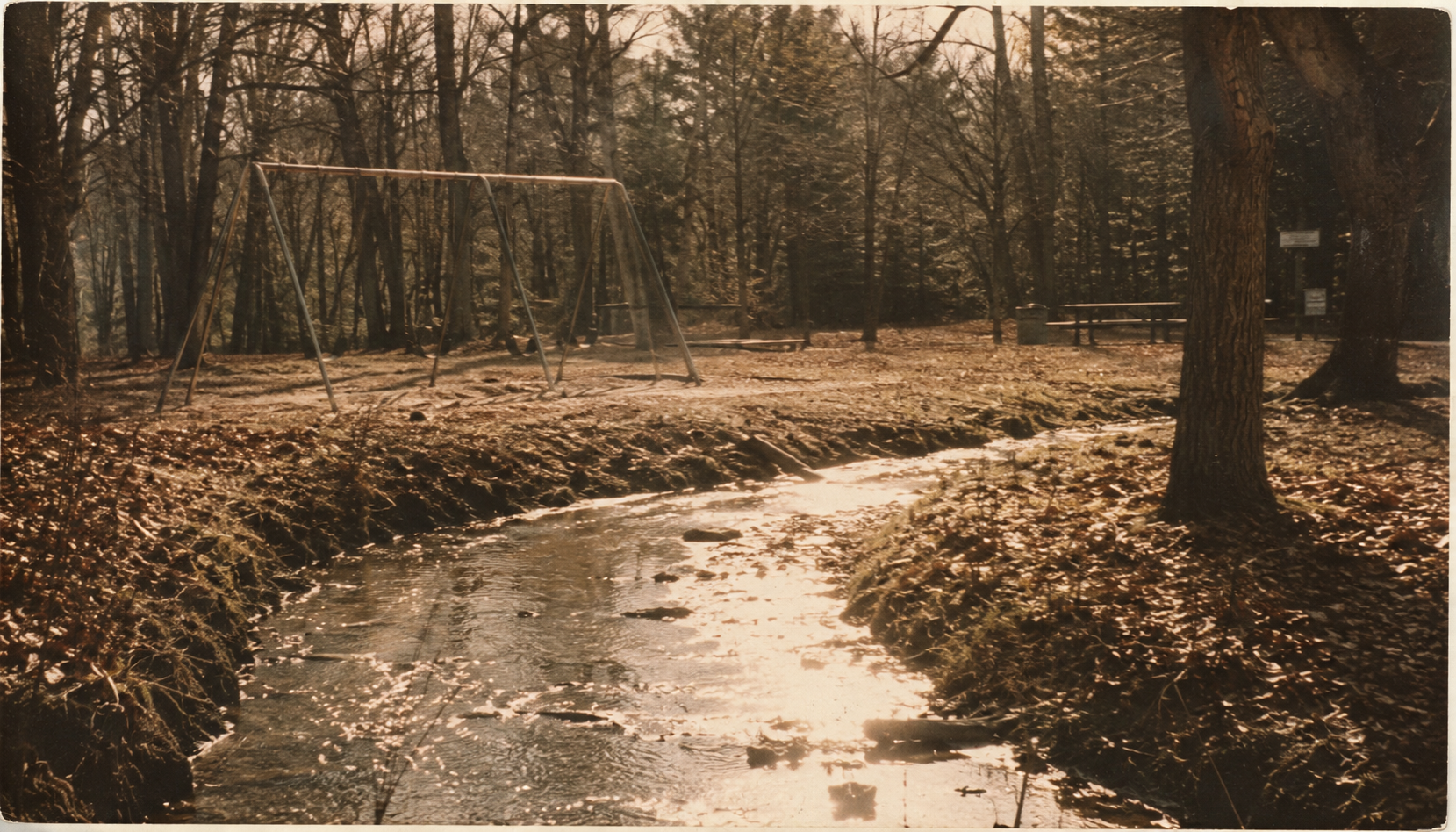
A Public Health Tragedy of Unexplained Proportions
The perception of those carefree years changed dramatically when Kim Visintine’s first child was born with an extremely rare brain tumor and later died at the age of six. Tragically, this loss was not an isolated case. One of her former classmates, Scott McClurg, was diagnosed with a brain tumor, while another friend was struck by terminal uterine cancer. At the same time, several of her former acquaintances developed cancers of the appendix, a condition that is usually extremely rare.
The common thread among all these people affected by the disease was where they lived: almost all of them had lived near Coldwater Creek at some point. “We were all sick,” Visintine told Popular Mechanics, “or our friends were sick, but we had no idea why.” At that point, none of the residents suspected the presence of hazardous radioactive materials dumped in the area during the 1940s.
The Shadow of the Manhattan Project and the Cover-Up of Waste
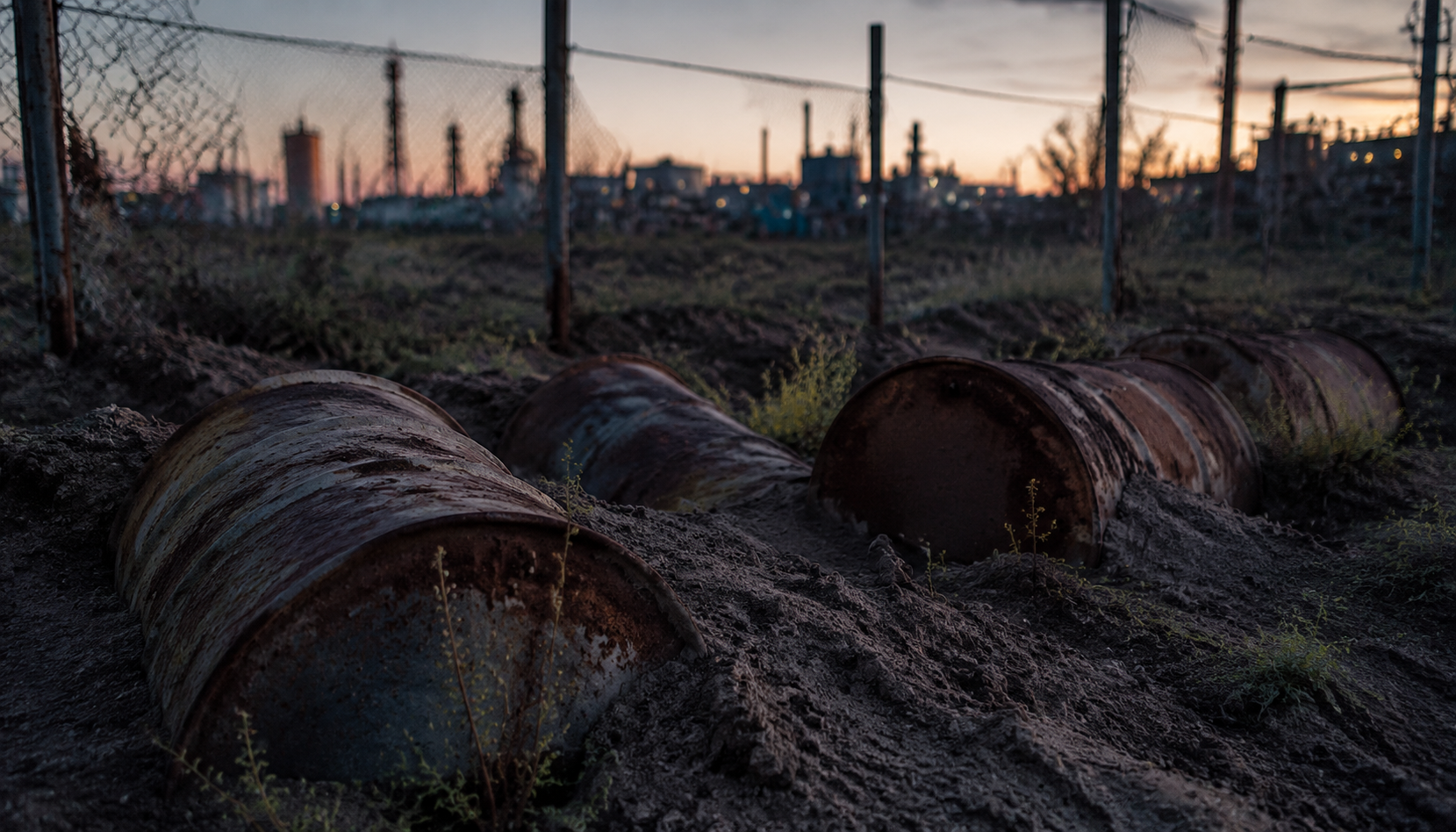
The origin of this contamination dates back to the development of the atomic bomb in the 1940s. The local company Mallinckrodt Chemical Works was producing uranium for the Manhattan Project at that time. Once the operation was complete, the remaining radioactive byproducts were dumped by the authorities near St. Louis’ Lambert Municipal Airport. As early as 1947, however, the Atomic Energy Commission (AEC) had warned that these uranium residues could cause “the gravest of problems” if they were not disposed of responsibly.
Research conducted by the AEC in the 1960s revealed that 121,050 metric tons of radioactive material, stored in decaying drums near the airport, contained the highest concentration of dangerous thorium-230 in the entire country—and potentially in the world. Shortly after this dumping, residential development exploded in this suburb. The Cotter Corporation, which took over management of this waste in the 1960s, violated AEC regulations by mixing the waste with topsoil before burying it under municipal waste. This maneuver literally buried the problem just as families were moving in.
The citizen investigation and the revelation of the statistics
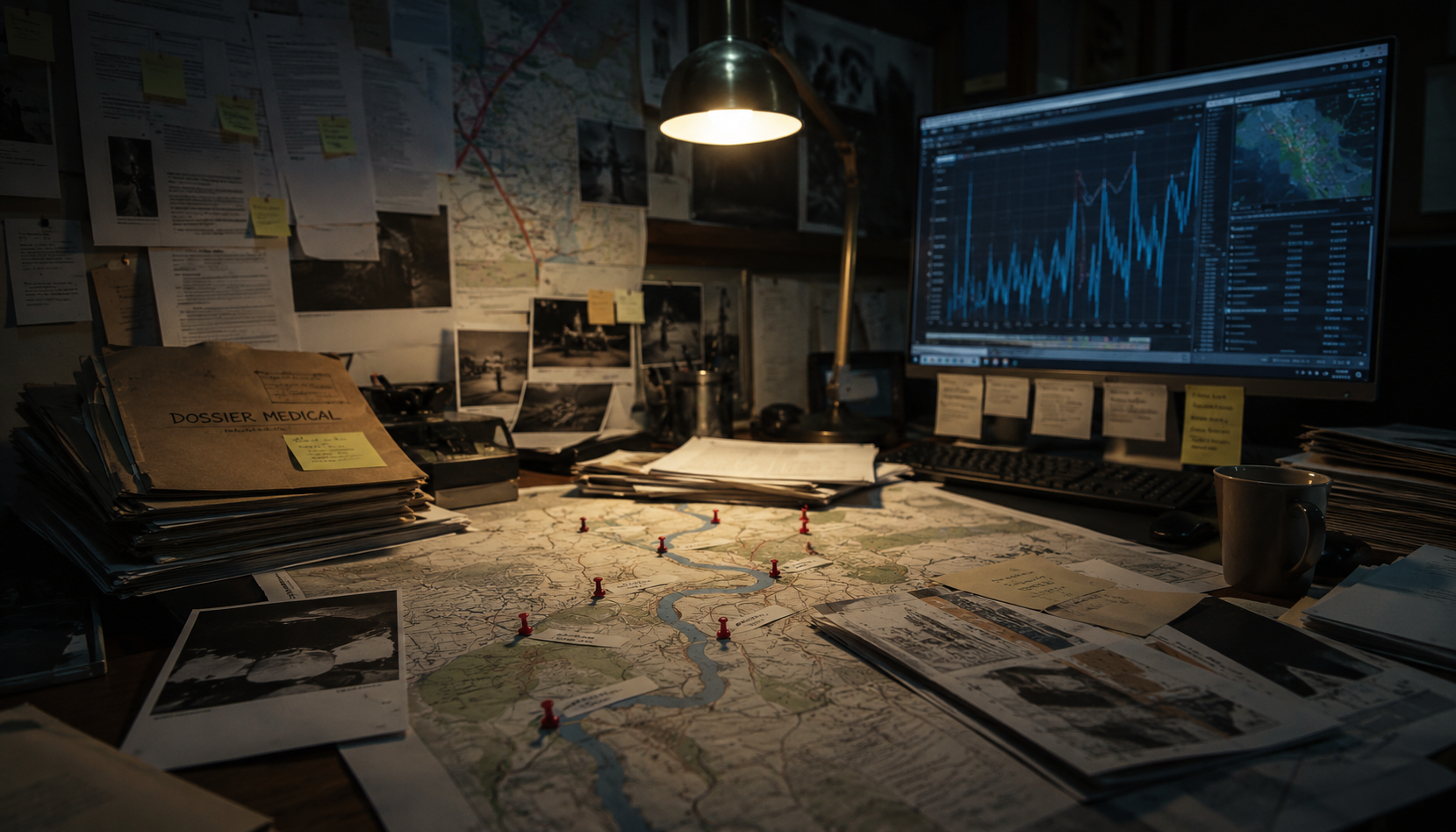
Faced with the rising number of cancer cases among Coldwater Creek residents, Kim Visintine refused to believe it was mere coincidence. Along with several friends, she founded the Facebook group “Coldwater Creek—Just the Facts Please.” Their goal was to collect precise data to map the incidence of disease along the river. The results of their citizen science research revealed particularly alarming figures.
While the lifetime probability of developing appendiceal cancer is estimated at about one in 200,000, the group documented a staggering 60 cases of this rare disease within a five-mile (approximately eight-kilometer) radius, solely among people in their age group. An economist who is a member of the collective conducted an online survey to track disease rates in the former Florissant neighborhood, concluding that it was statistically impossible for this number of cancers to be the result of chance. Residents then realized that the cause of this myriad of illnesses was prolonged exposure to low-level radioactive materials. “Are we going to end up with cancer, or not?” Visintine asks in the detailed report by Popular Mechanics.
The environmental emergency and the wait for decontamination
Source: popularmechanics.com
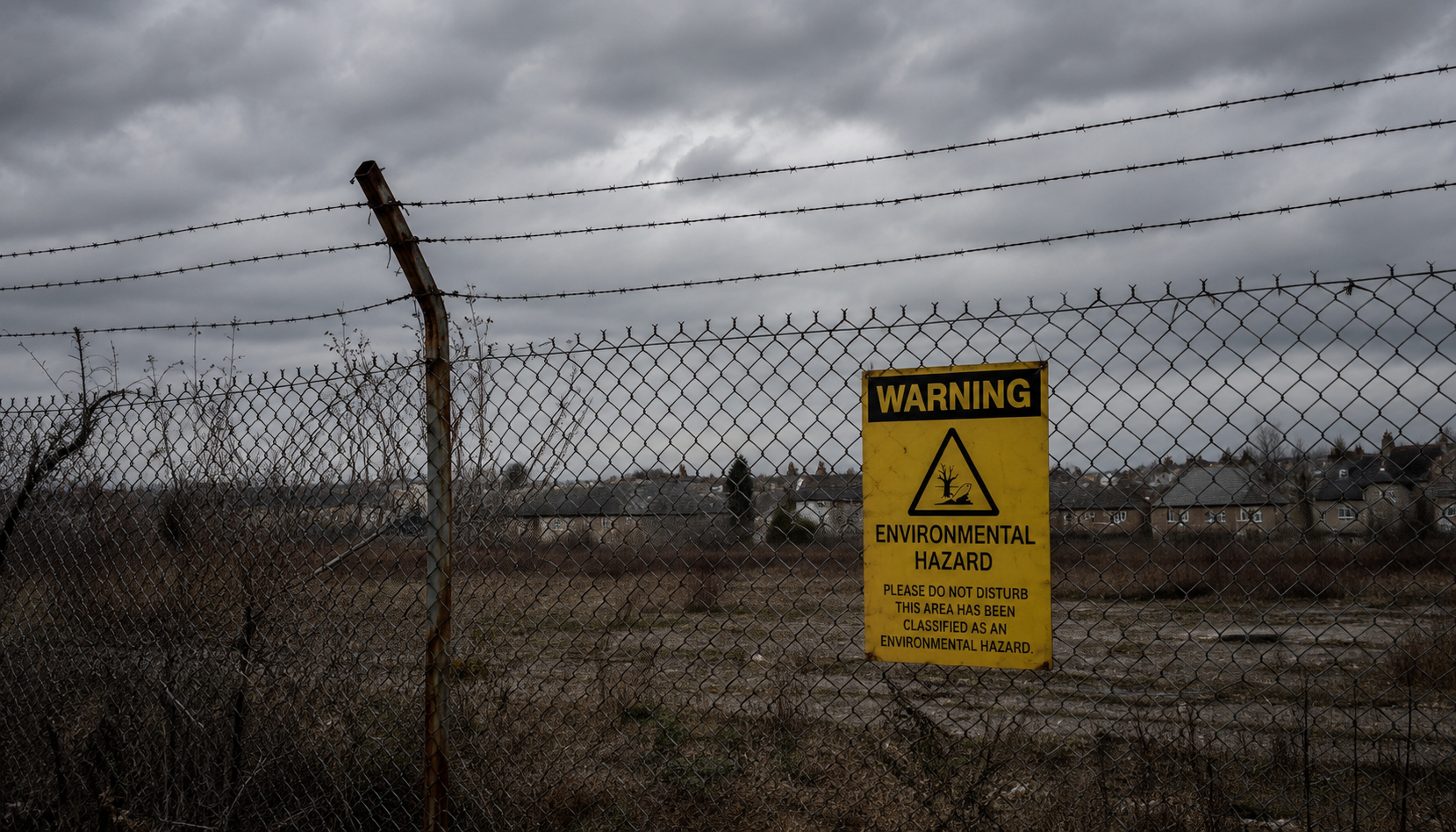
Deadly nuclear waste is quietly poisoning an American neighborhood, with no intervention from the authorities


