

The UN Demands Answers After a Death That Has Shaken the United States
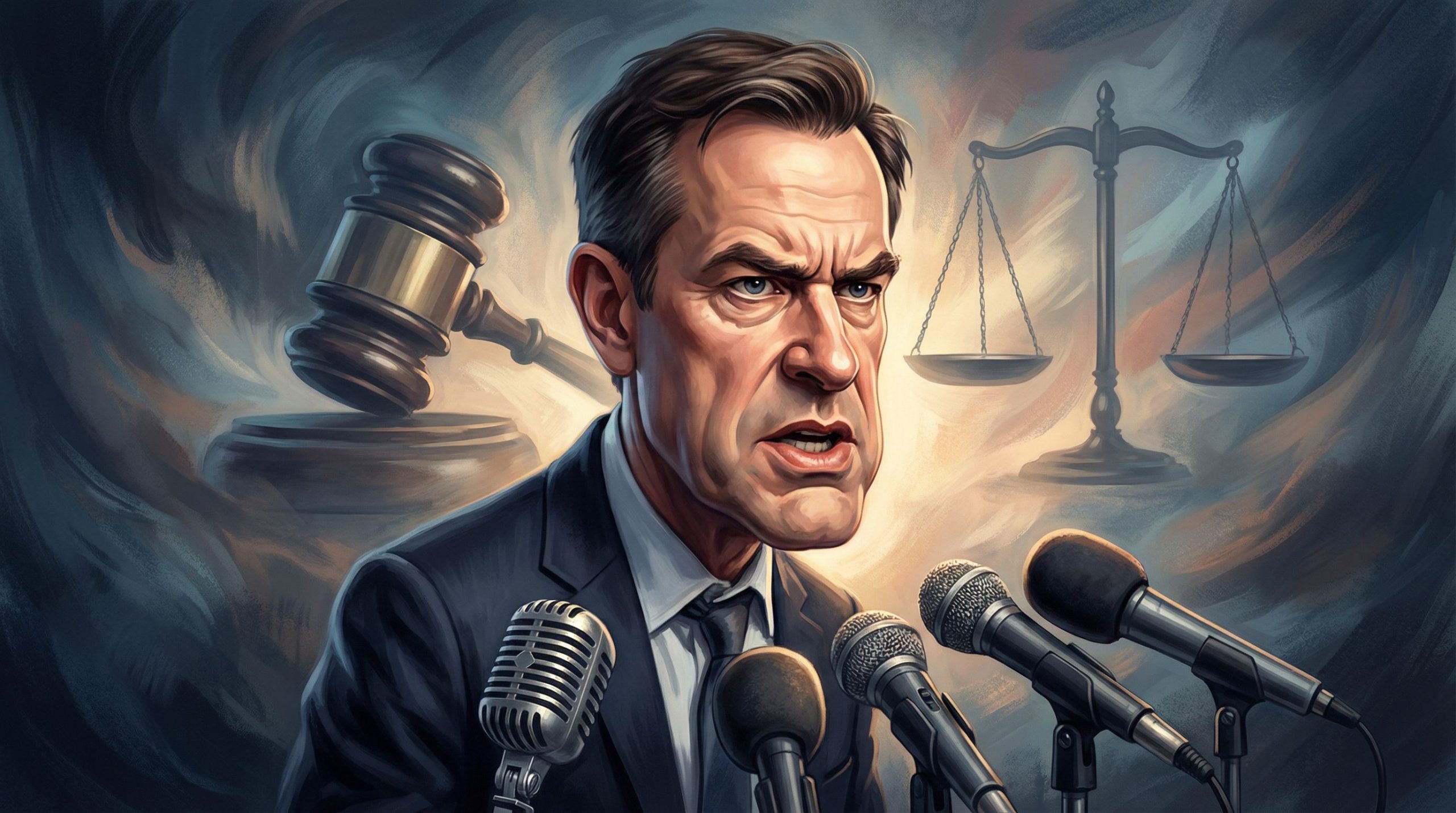
The United Nations is an institution that chooses its words carefully, as you know. And this Tuesday, they didn’t mince words. They flat-out demanded—and I quote—“a swift and independent” investigation into what happened in Minneapolis. It has now been five days since a woman, Renee Nicole Good, was shot and killed by an agent of U.S. Immigration and Customs Enforcement (ICE). A tragedy that, it must be said, immediately sparked outrage across the United States.
The spokesperson for the Office of the High Commissioner for Human Rights, a man named Jeremy Laurence, was very clear during a press briefing in Geneva. He reiterated—with a precision that sounds like a warning—that under international rules, the intentional use of lethal force is a last resort. An absolute last resort. Only if the person poses an imminent, immediate threat to someone’s life. Period.
He also added, referring to the FBI, which is already investigating, that they were “taking note” of their work. But the UN, for its part, insists—it insists—on the need for an investigation that is not only swift but also independent and transparent. They even provided her full name, Renee Nicole Good, and her age, 37. That makes things so much more concrete, don’t you think?
Protests and the Deployment of Troops: A Worrying Escalation
So, the reaction on the ground was explosive. Literally. Renee Good’s death sparked a wave of protests across the country over the weekend. In Minneapolis, of course, where it all happened. But not only there. People took to the streets in New York, Los Angeles, Boston… It’s as if a spark had ignited a powder keg that had been smoldering for a long time.
And this is the kind of detail that leaves one perplexed. Despite this massive national protest movement, the U.S. government announced on Sunday… that it was sending hundreds of additional federal agents to Minneapolis. As if to calm things down? One might wonder. Jeremy Laurence of the UN, for his part, issued a call for calm: “We urge all authorities to take steps to reduce tensions and to refrain from any incitement to violence.” Measured words, but ones that fall like a hammer in this heated climate.
In fact, in Minneapolis on Monday, the tension was palpable. Photos showed workers, their faces masked, erecting fences around a federal building. Meanwhile, right next door, a protest against ICE’s actions was in full swing. Two realities existing side by side without acknowledging each other—it’s a powerful, and somewhat sad, image of the current situation.
Legal proceedings and conflicting accounts: the case takes a political turn
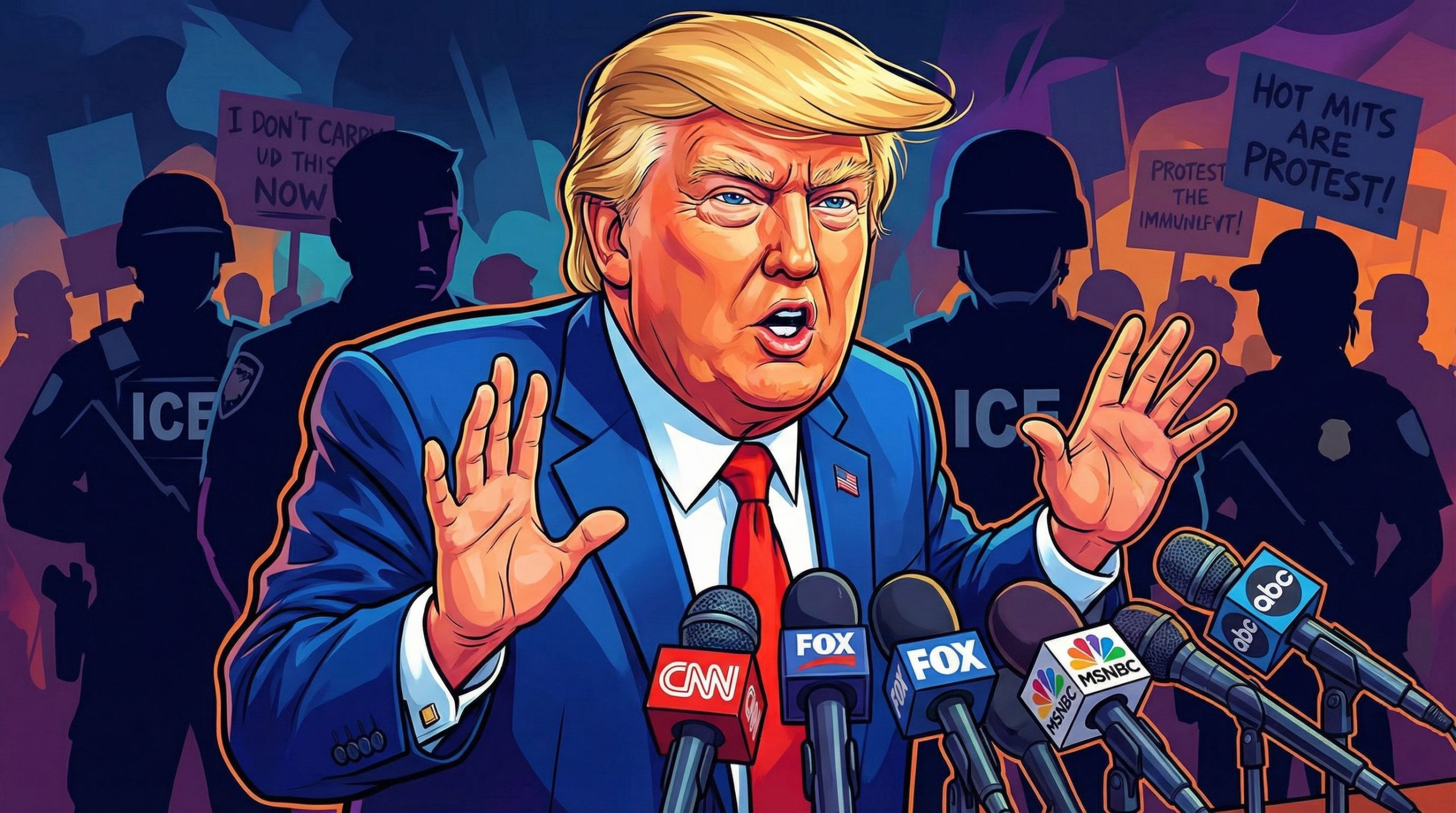
And then there’s the political response—that of local elected officials. Monday was the day for legal proceedings. The City of Minneapolis and the State of Minnesota didn’t waste any time. They announced that they were suing the Trump administration. Why? Because of the large-scale operations carried out by federal immigration police over the past several weeks in this region of the northern United States. In short, they believe this has gone too far.
To fully understand the context of Renee Good’s death, you have to picture the scene. She was shot and killed while driving her car by an ICE agent. She was reportedly taking part in a citizen protest intended to disrupt an operation by federal agents. And there were many of those agents. A great many. We’re talking about roughly 2,000 people dispatched to the scene early last week to carry out a series of arrests. Two thousand! That really makes you think about the scale of the resources deployed.
And after this woman’s death, what was the White House’s reaction? Donald Trump immediately defended the agent’s claim of self-defense. But this version of events is being strongly contested. Especially by the local Democratic opposition, which is citing videos, it says, to support its doubts. The state of Illinois—another Democratic state targeted by Trump’s anti-immigration crackdown (particularly in Chicago)—launched legal proceedings on Monday similar to those in Minnesota. A full-blown backlash is taking shape.
Conclusion: A multifaceted case that is far from over
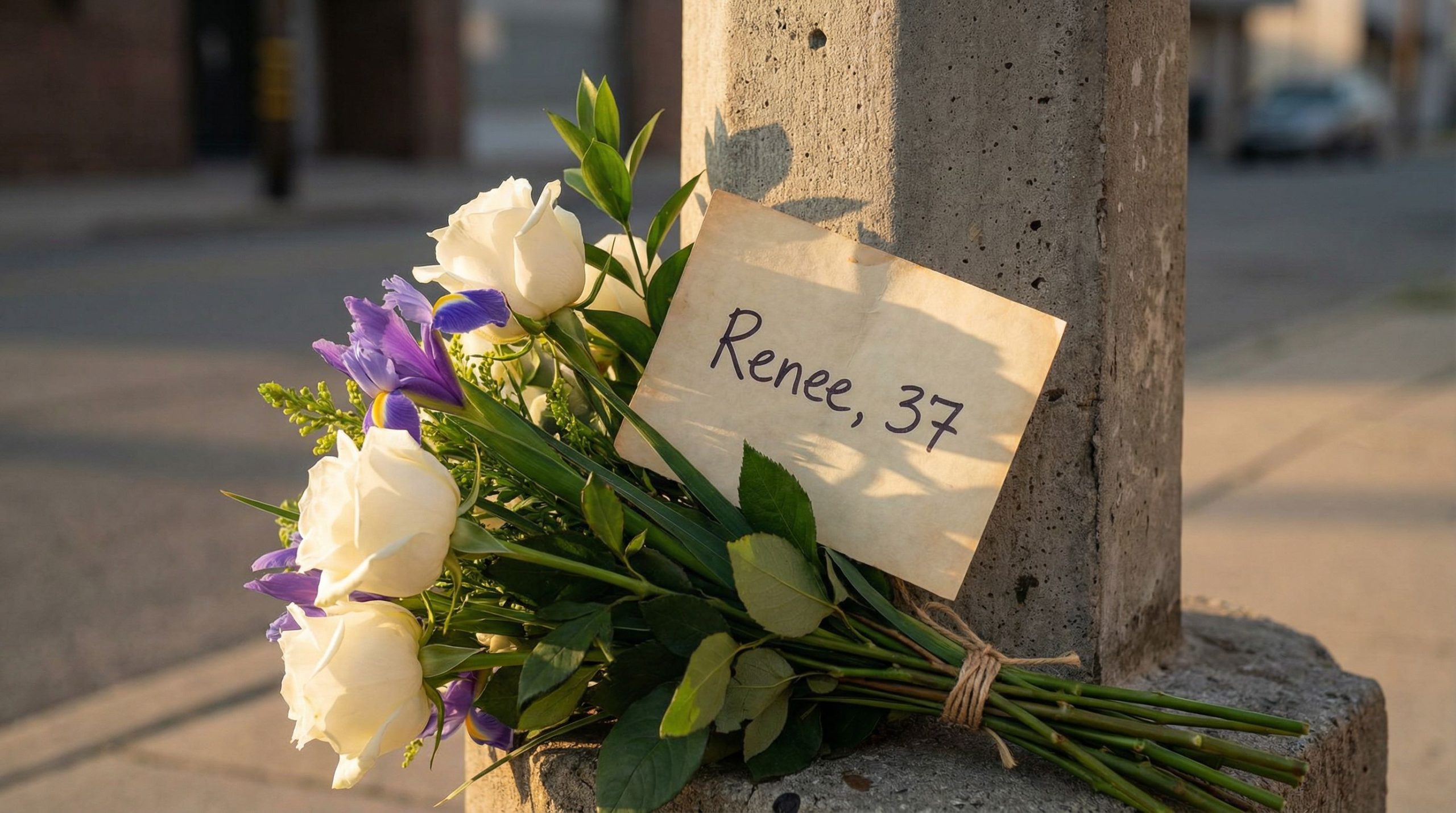
The suggested articles at the bottom of the Radio-Canada page speak for themselves: “Another video shows the ICE agent’s perspective,” “ICE, a secret police force acting with impunity, says an elected official,” “Elected officials lambast the Trump administration.” This clearly shows that questions are coming from all sides. The truth about the final moments of 37-year-old Renee Nicole Good has become a much broader issue: one involving the use of force, immigration policies, and the right to protest.
I suppose what happens next will depend largely on that famous “swift, independent, and transparent” investigation called for by the UN. Will it be conducted? Will the findings be accepted? In the current climate, nothing is less certain. This is a story that, unfortunately, is likely to dominate American news for a long time to come.
Renee Good’s Death: Faced with the UN and Protests, Trump’s America Under Pressure
This content was created with the help of AI.


