

The Big Misconception About Internal Cleansing

We’ve all felt that slightly guilty urge to “reset the system” after a particularly heavy family meal or a period of intense stress. That feeling of heaviness that draws us toward the tempting promises of a miracle cure. It’s only human, after all. Every day, our bodies take in—without complaint—substances from the food we eat, the air we breathe, necessary medications, or even their own internal chemical reactions. Faced with this invisible burden, the idea of a major internal spring cleaning is inevitably appealing.
But, if I may be frank, the “cleanses” meant to purify the body are often based on a somewhat….. naive view of our biology. In reality, nature had this covered long before green juices were invented. Several internal systems continuously ensure the elimination of waste and unwanted substances, without any dramatic external intervention. Natural detox does indeed exist—that’s a fact—but it bears no resemblance to the trendy methods that sometimes cost us a fortune.
Why Marketing Misleads Us About Biology
The word “detox” has become a sort of magical catch-all term. It conjures up images of a quick cleanse involving herbal teas or drastic fasts. However, as the BBC rightly points out, this marketing image oversimplifies a biological reality of fascinating complexity. Toxins aren’t mud that you can rinse away with a stream of water. They are often metabolic compounds produced by our own bodies—such as lactic acid, ammonia, or urea—or substances absorbed from our environment, such as heavy metals, pesticide residues, or alcohol.
I believe the confusion stems from a persistent misunderstanding between digestion and detoxification. The digestive system, for its part, eliminates unabsorbed waste—that’s its job—but it does not “purify” the body in the noble sense of the word. And the liver? Ah, the liver… We often imagine it as a filter that gets clogged, much like the filter in a coffee maker. That’s not true. The liver doesn’t store toxins; it chemically transforms them so they can be eliminated. In fact, a review published in the Journal of Clinical Medicine set the record straight: the authors emphasize that the idea of a “clogged” organ has no serious scientific basis. It’s a myth that just won’t die.
An Invisible Machinery: Liver, Kidneys, and… Sleep
This is where it gets really interesting—almost poetic, if you think about it. The human body constantly eliminates toxins without us having to press a button. The liver orchestrates this entire process through an enzyme chain with a somewhat barbaric name: cytochrome P450. Once transformed, the waste products are filtered by the kidneys and end up in the urine. At the same time, sweat and even simple breathing also help eliminate volatile waste products. Everything is automatically regulated by the metabolism and the nervous system. It’s a silent but incredibly efficient system.
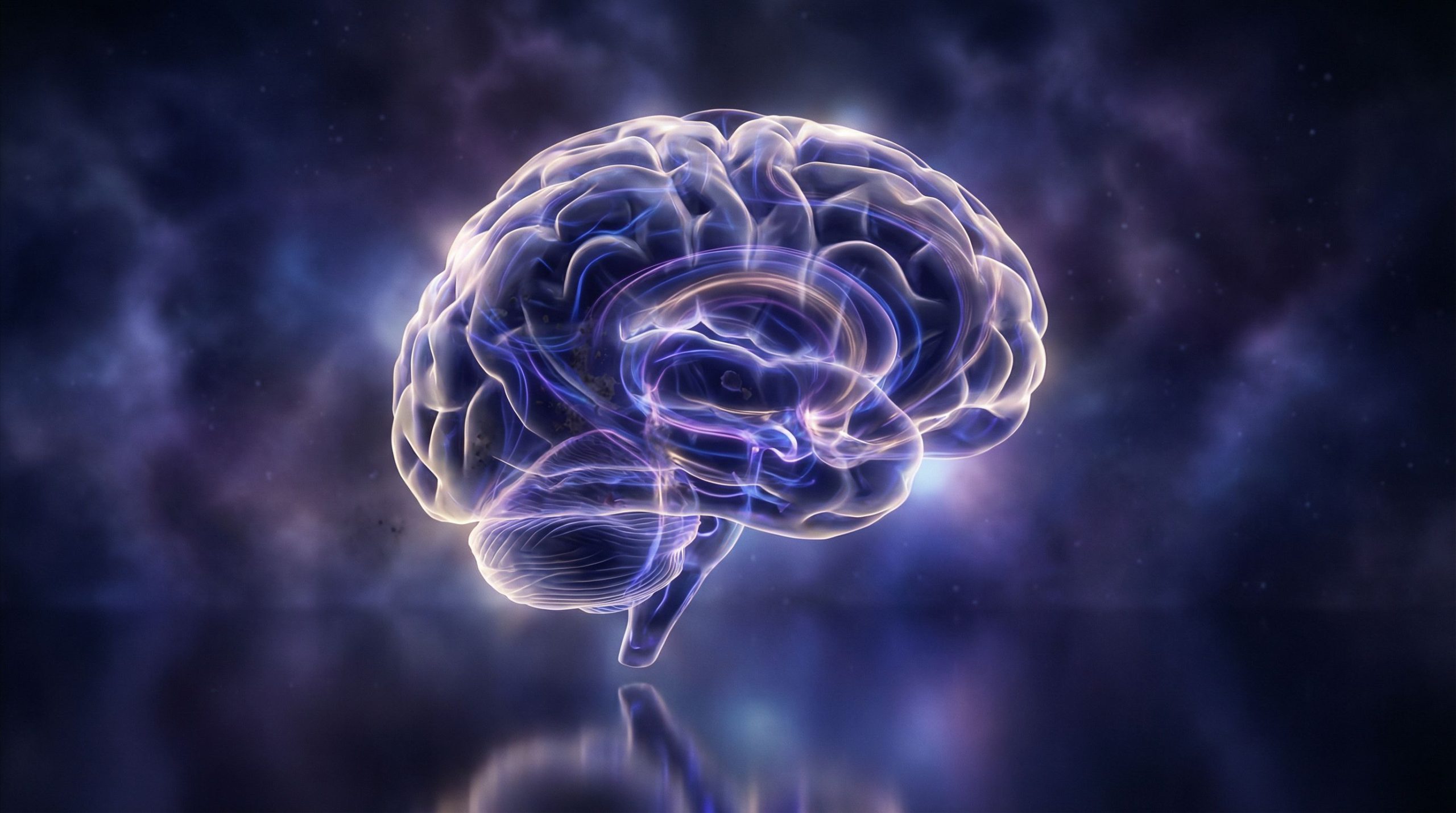
And that’s not all. Did you know that even your brain cleans itself? This is a fairly recent discovery. During deep sleep, channels called “glymphatic” channels dilate to drain metabolic waste from the brain. We’re talking about flushing out serious substances here, such as beta-amyloid, a substance implicated in Alzheimer’s disease. This cleansing process, detailed in Frontiers in Molecular Neuroscience, depends directly on your sleep-wake cycle. Basically, you cleanse yourself best while you sleep.
There’s also a surprising mechanism linked to heat. A study published in Temperature shows that heat stress—a temporary fever or a moderately warm environment—triggers cellular responses that boost resistance to oxidative stress. The body then mobilizes chaperone proteins and endogenous antioxidants to neutralize toxins. It’s fascinating to see how the body uses temperature as a defense mechanism.
How to Truly Help Your Body (Without Overdoing It)

So, what can we do? Helping the body detoxify doesn’t mean forcing it to work harder; it’s mainly about avoiding getting in its way. I see far too many people subjecting themselves to severe fasts that slow down their metabolism and disrupt their electrolyte balance—or worse, taking laxatives marketed as “cleansers” that do nothing but dehydrate them. This is as counterproductive as it gets.
Nature also offers some true allies. Certain substances—such as sulforaphane in broccoli, flavonoids found in cocoa or apples, and sulfur-containing amino acids like methionine—have shown promising modulatory effects on liver enzymes. I’m not the one saying this; it’s a study published in Scientific Reports. Keep in mind, these aren’t miracle pills—it’s simply a matter of incorporating these common foods into a varied diet. The body detoxifies itself every day without making a fuss; our role is simply to avoid disrupting that process.
The Truth About Detox: Why Your Body Does a Better Job Than Any Herbal Tea
This content was created with the help of AI.


