

When the biological battery runs out
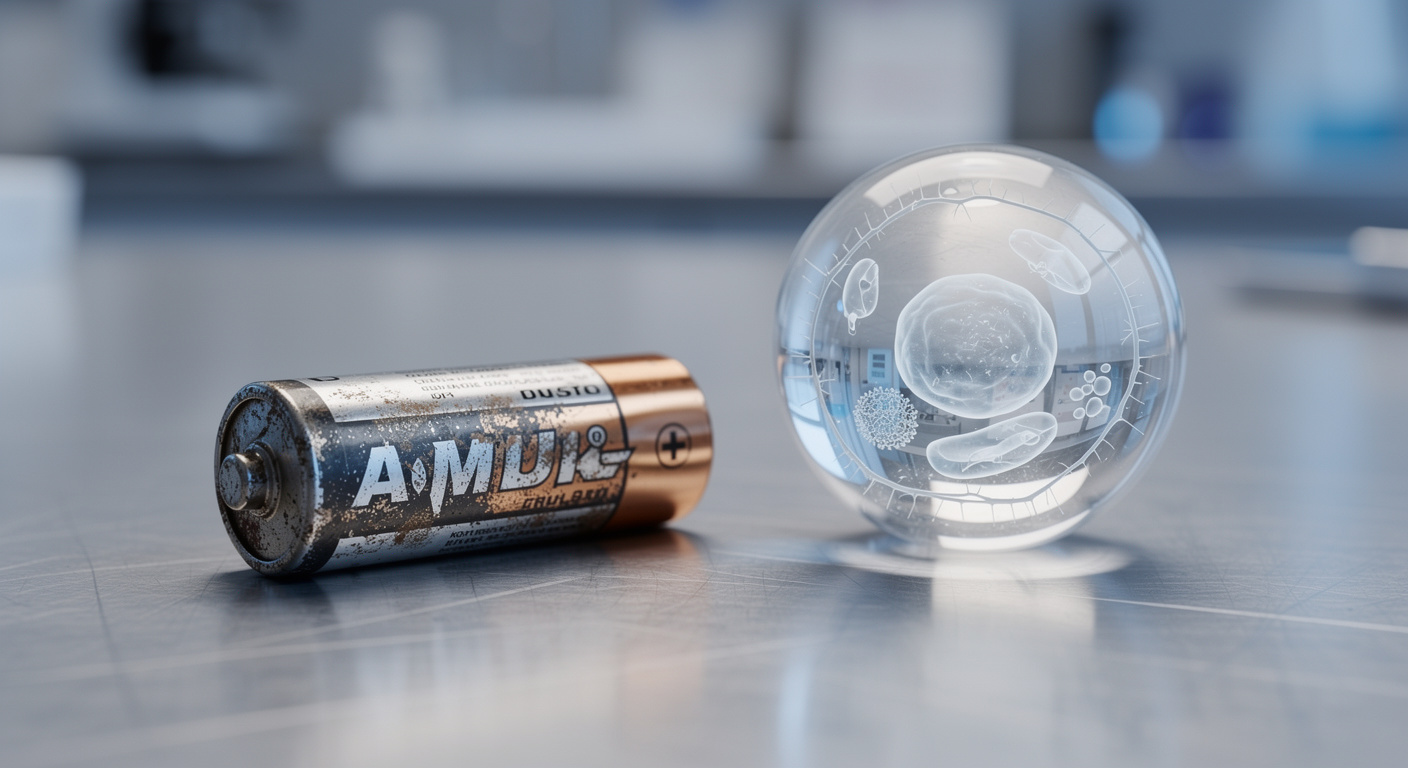
Imagine your cells as a TV remote control or a digital camera: to function, they need energy. This energy is produced by tiny internal power plants called mitochondria, which fuel every second of your existence. But just like old AA batteries lying at the bottom of a drawer, mitochondria eventually lose their power. This decline in energy is no trivial matter; mitochondrial damage can trigger a cascade of health problems, ranging from muscle weakness to vision or hearing loss, and can even cause fainting spells. However, a scientific breakthrough offers new hope: researchers have developed a method capable of “recharging” these failing mitochondria, paving the way for potential treatments for age-related symptoms.
“Nanoflower” Technology
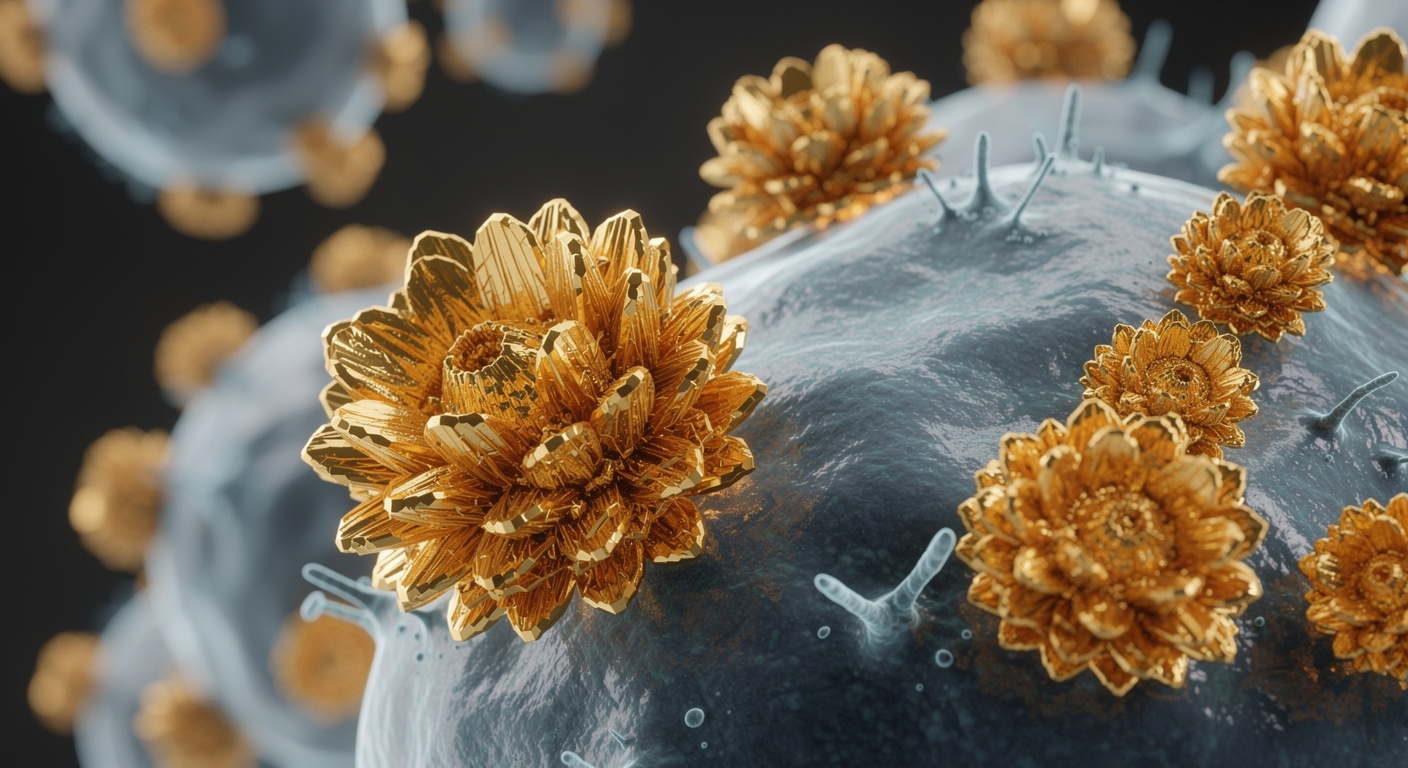
A study published last December in the journal PNAS by Texas A&M University proposes an innovative approach. The idea? To stimulate the mitochondria’s natural repair system using microscopic flower-shaped particles, dubbed “nanoflowers.” The Gaharwar Laboratory at Texas A&M is one of the few research groups exploring the biomedical applications of molybdenum disulfide, the inorganic compound that makes up these particles. How does this work in practice?
When introduced artificially, these nanoflowers prompt human stem cells—more specifically, mesenchymal stem cells, which are already well-suited for mitochondrial transfer—to double their production of mitochondria. Akhilesh Gaharwar, Ph.D., a researcher on the study, explains that they have succeeded in “training healthy cells to share their spare batteries with weaker cells.” By increasing the number of mitochondria within the donor cells, it becomes possible to help aging or damaged cells regain their vitality—without resorting to any genetic modification or traditional medication.
More effective than current medications
The results observed are striking. Once the weakened cells received this extra energy, their efficiency increased “several-fold,” and they even demonstrated greater resistance to cell death—the process by which vital functions cease. This breakthrough marks a promising step forward compared to existing methods, which come with their own set of drawbacks. For example, drugs that stimulate mitochondrial production require frequent dosing because their particles are rapidly eliminated by the body. In contrast, the nanoflowers persist within the cell, promoting continuous energy production. According to the press release, the researchers anticipate that their method might require only monthly administration.
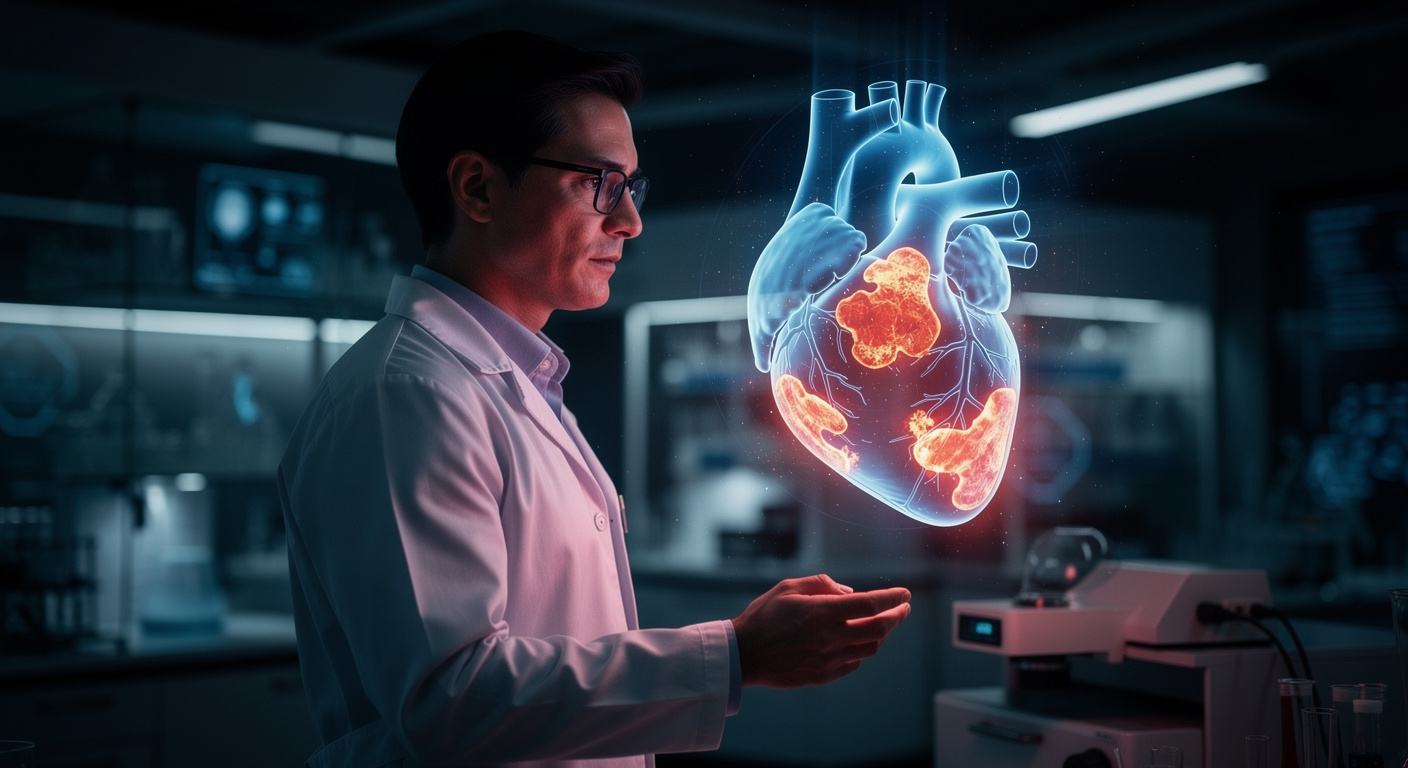
Furthermore, the versatility of these particles makes it possible to develop treatments targeted at various tissues, such as muscle, brain, or heart tissue. Specifically, a condition like cardiomyopathy—a disease of the heart muscle that prevents effective blood pumping—could be treated by placing the modified cells directly in or near the heart. “We could work on this indefinitely and discover new things and new treatments every day,” says John Soukar, a Ph.D. student in genetics and genomics at Texas A&M and the study’s lead author.
Toward New Therapeutic Strategies
Akhilesh Gaharwar envisions two major clinical applications for the future. The first would involve injecting the nanoparticles directly into patients. This option would benefit people who retain some ability to replicate their mitochondria but need a little help. The second strategy, intended for patients with more severe mitochondrial problems, would involve engineering stem cells and nanoflowers outside the body before reimplantation. According to the researcher, these treatments could one day target conditions such as muscular dystrophies, neurodegenerative disorders like Alzheimer’s disease, and other metabolic diseases in which cellular energy deficiency leads to tissue degeneration.
Two months after the study’s publication, research is actively ongoing. The team is currently conducting in vivo studies, that is, on living organisms. Although these experiments require considerable resources, expanding animal studies remains a “major priority.” The next step will be to refine the delivery strategy to ensure that the treatment reaches the correct tissues, while gaining a better understanding of the dosage and half-life of the nanoparticles in the body. As Mr. Gaharwar concludes, this is an early but exciting step toward rejuvenating aging tissues using their own biological machinery, with the hope of slowing—or even reversing—certain effects of cellular aging.
Source: popularmechanics.com
Created by humans, assisted by AI.
This microscopic discovery that promises to recharge our cells’ energy
This content was created with the help of AI.


