

From Psychological Mystery to Cellular Reality

For years, sleep was considered a “soft” topic in biology, falling more within the realm of psychology than hard-core neuroscience. However, this perspective has completely shifted. Researchers are now studying sleep at the cellular and metabolic levels, seeking to understand what it actually does inside the brain.
This paradigm shift is based on the observation that sleep is a universal phenomenon. As Amita Sehgal, a molecular biologist at the University of Pennsylvania, explains: “Sleep is widely conserved throughout the animal kingdom, so it must have a fundamental function that is the same for all species.” This evolutionary significance has led scientists to rethink sleep not merely as a period of inactivity, but as a true maintenance mode for the brain.
Evidence is mounting to suggest that sleep protects energy systems, clears metabolic damage, and helps keep neurons healthy. This new understanding could also explain why disrupted sleep so often accompanies major disorders such as Alzheimer’s disease.
The fruit fly: a window into brain energy

One of Amita Sehgal’s first major contributions was helping to establish the fruit fly as a serious model for sleep biology. This may seem strange until one recalls the purpose of model organisms: to provide simple systems where causes and effects can be clearly tracked. Her team’s recent work points to a central idea: sleep is closely linked to metabolism.
More specifically, sleep may protect mitochondria—the cell’s powerhouses—particularly in the brain. This is a significant claim, but the logic behind it is well-founded. When you’re awake, neurons are constantly active. This activity is powered by the energy produced by the mitochondria.
The problem is that energy production creates reactive oxygen species, which can damage the mitochondria and the cells they inhabit. In other words, brain activity causes natural wear and tear—an inevitable side effect of its functioning.
The Big Cleanup: How Sleep Protects Neurons
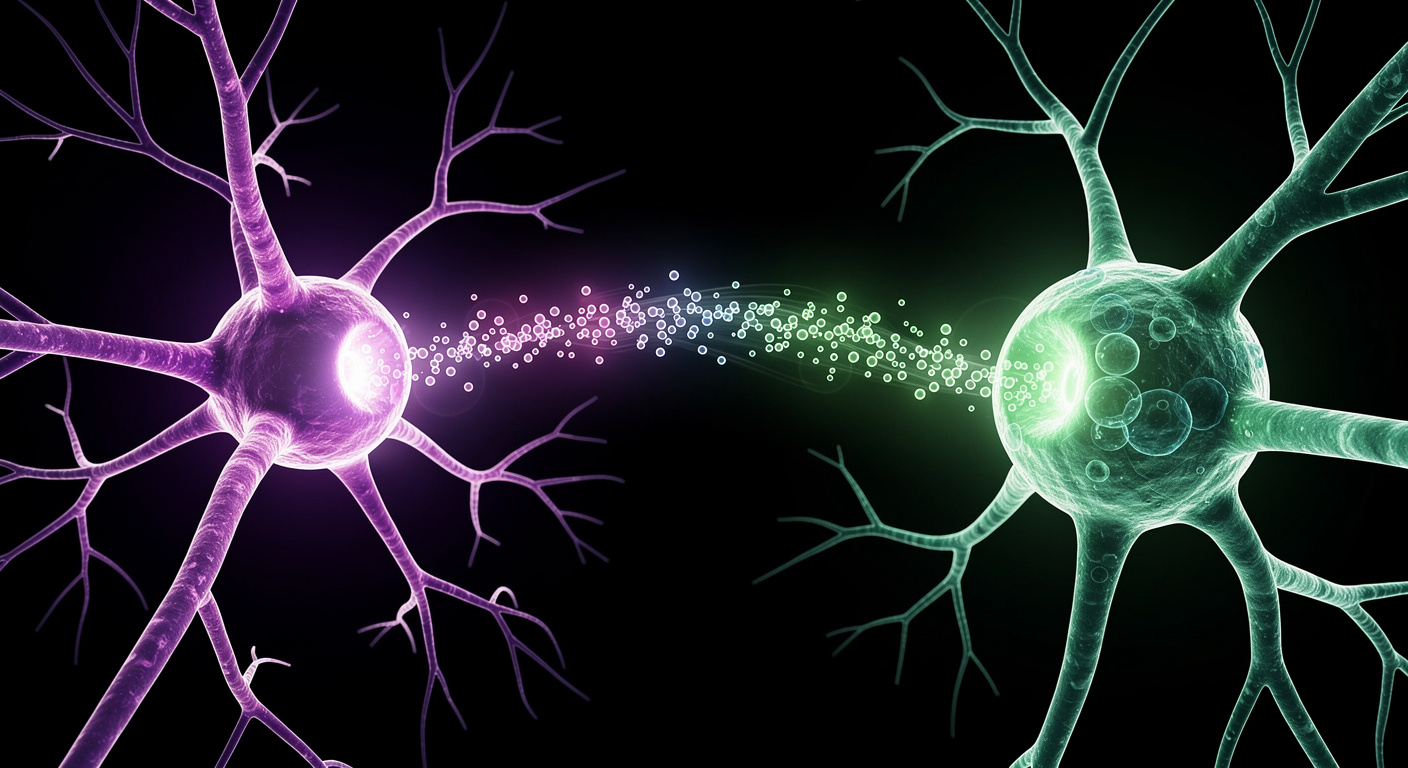
Sehgal’s research group has found evidence suggesting that sleep helps neurons remain functional by shifting some of this oxidative damage away from the neurons and into glial cells. Glial cells are cells that support and maintain the nervous system. The damage is transferred in the form of oxidized lipids.
Glial cells then process these lipids in several ways: they break down some to produce energy and pass others on to blood cells, which have receptors designed to receive them. The picture that emerges is not one of sleep “shutting down the brain.” Rather, sleep alters how cleanup and maintenance functions work, particularly with regard to energy use and damage control.
Amita Sehgal emphasizes the importance of this mechanism: “You need these neurons to be functional, and for them to be functional, they need a reliable internal source of clean energy.” She adds: “One of the ways sleep helps neurons stay healthy is by moving these lipids to eliminate some of the oxidative damage.”
Autophagy and Barriers: Other Nighttime Activities
Alongside its work on mitochondria, Sehgal’s lab has explored other processes that appear to change during sleep. The overarching theme remains consistent: sleep appears to be a time when the brain manages metabolic and cellular housekeeping in ways it cannot fully accomplish while awake.
His team has established a link between sleep and autophagy—the cell’s system for recycling its parts and renewing worn-out components, including mitochondria. The researchers have also studied how sleep affects the movement of molecules between the brain and the blood across the blood-brain barrier.
The team examined neuromodulators—chemicals that can increase or decrease neuronal activity—and discovered that they change with variations in sleep, even though they are not necessarily the root cause of the need for sleep.
Metabolism and Memory: The Price of Sleep Deprivation
The idea is that when sleep is shortened, metabolic waste accumulates and neurons cannot function at full capacity. If the mitochondria inside the neurons are under stress or damaged, the brain’s energy supply becomes less reliable. Consequently, everything that depends on it—attention, memory, resilience—begins to falter.
The researchers’ enthusiasm is palpable. “We’re very excited about our research right now,” Sehgal says. “We feel like we’re really starting to unravel the mystery of sleep.”
A Promising Lead for Understanding Alzheimer’s Disease
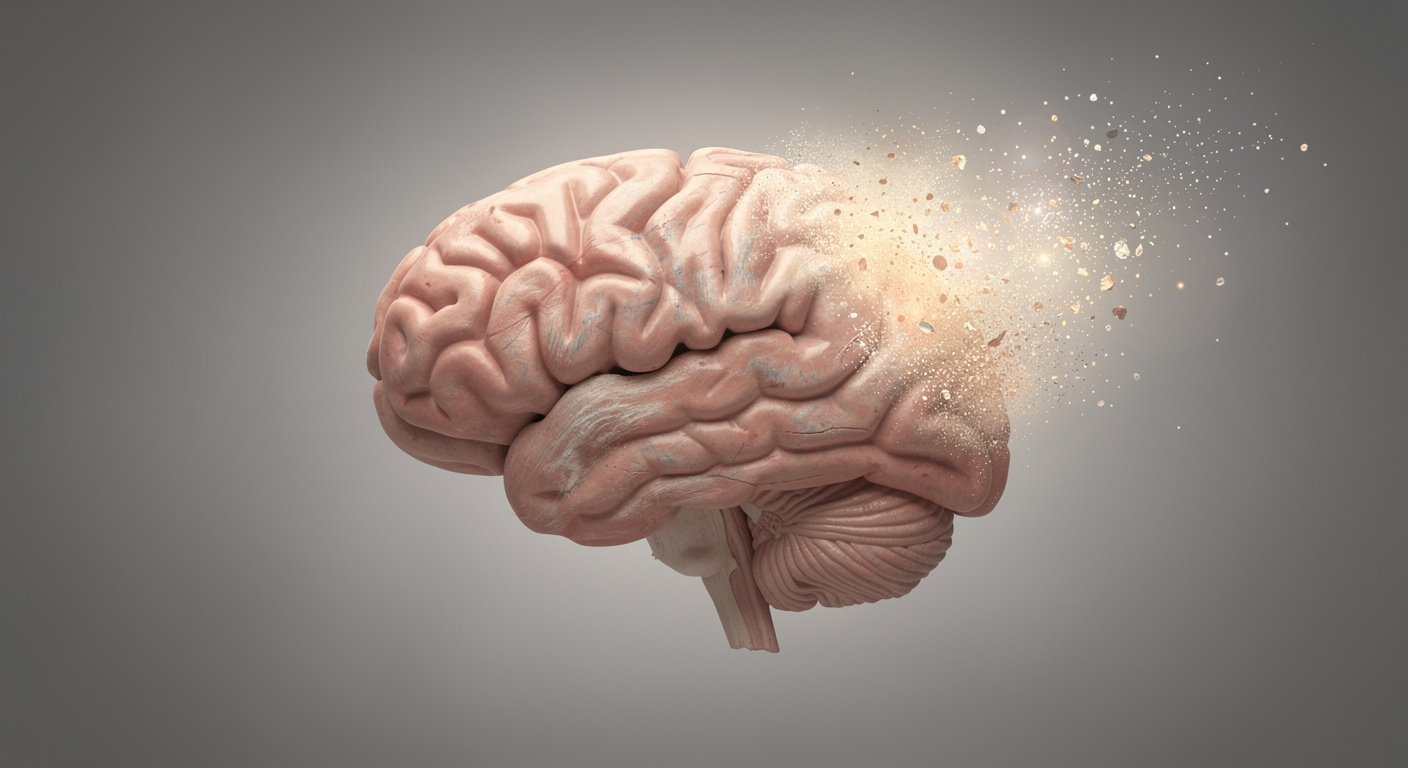
Sleep research isn’t just about understanding a universal mystery; it’s connected to real health issues. Many neurodegenerative diseases, including Alzheimer’s disease, are often accompanied by disrupted sleep. The direction of cause and effect is complicated, but Sehgal’s work highlights a plausible link: some of the cellular systems influenced by sleep are the same ones that malfunction in neurodegenerative diseases.
Two examples are lipid metabolism and autophagy. Sehgal’s lab has shown that both are regulated by sleep. Both of these processes are also known to be implicated in neurodegeneration when they malfunction, and are disrupted in people with Alzheimer’s disease. In fruit flies, his team discovered that damage can be transferred from neurons to glial cells via lipid transporters similar to apolipoprotein E (APOE).
In humans, certain forms of APOE increase the risk of Alzheimer’s, and one risk-associated form is less effective at transporting lipids from neurons to glial cells. This does not prove a direct link from sleep deprivation to Alzheimer’s, but it suggests a connection that deserves serious consideration. “In our very basic research on sleep, we are finding processes that are regulated by sleep, and that are relevant to Alzheimer’s disease and disrupted in it,” says Sehgal. “Sleep disruption in Alzheimer’s disease could explain the disruption of these two processes.”
Conclusion: Sleep as an Essential Maintenance Mechanism
The broader promise here is that by understanding what sleep does at the cellular level—how it manages damage, energy, recycling, and transport—researchers could gain a clearer insight into why sleep disruption so often occurs alongside brain decline.
The science of sleep hasn’t “woken up” because it’s become trendy. It has woken up because biology is too fundamental to be ignored. The more researchers look, the less sleep begins to resemble downtime and the more it resembles the brain’s maintenance mode. This study is published in the journal Nature.
Source: earth.com
Created by humans, assisted by AI.
Your Brain Repairs Itself at Night: What Cell Biology Tells Us About Sleep
This content was created with the help of AI.


