

Beyond the "multilayer cake": a new perspective on the depths
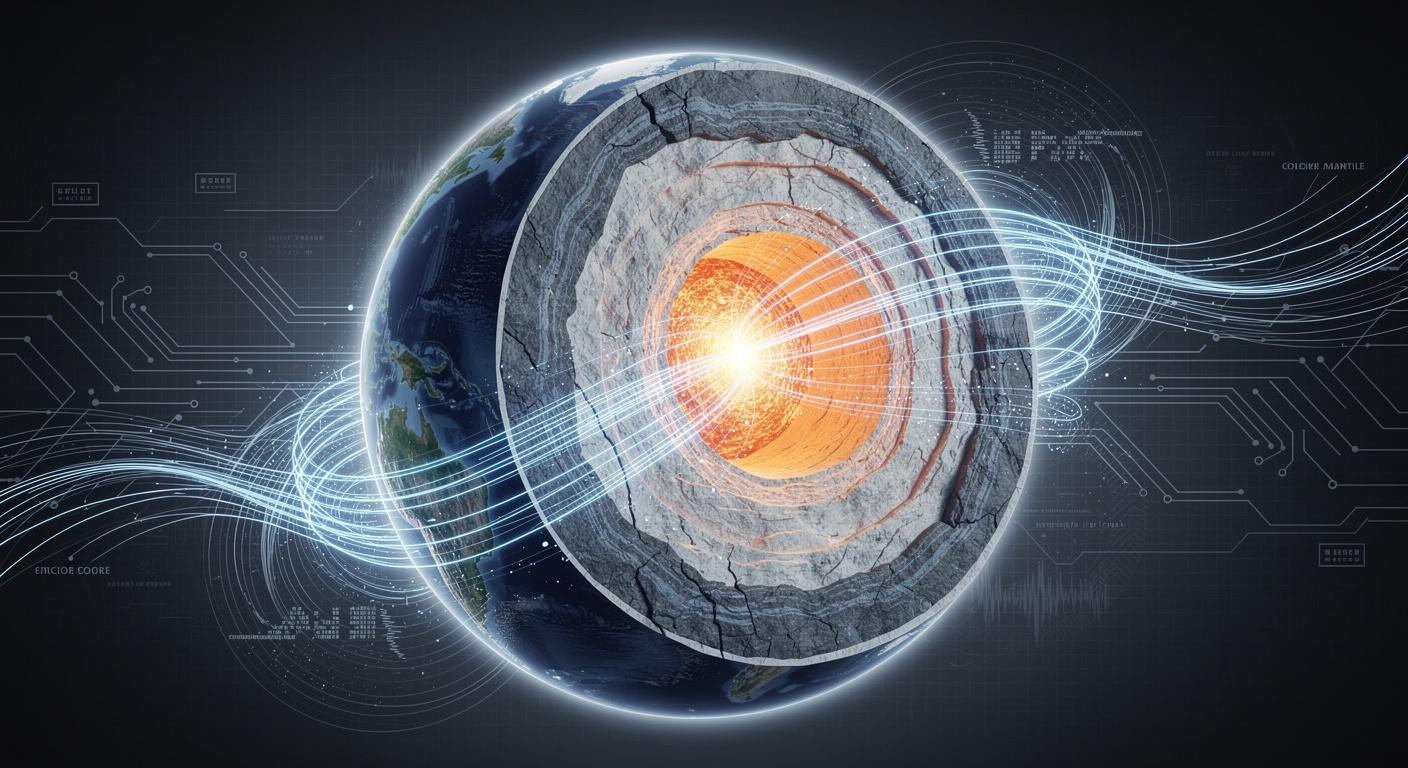
Many people imagine the Earth’s interior as a simple structure, composed of distinct layers stacked one on top of the other, much like a layer cake where each layer represents a tectonic plate. However, the geological reality is quite different. These internal regions turn out to be complex, dynamic environments that are often full of surprises for the scientists who study them.
It is in this context that scientists have discovered what they call “sunken worlds” beneath the Pacific Ocean, nestled deep within the Earth’s mantle. These observations challenge our assumptions about the internal structure of our planet.
Understanding the Earth’s Mantle: The Basics
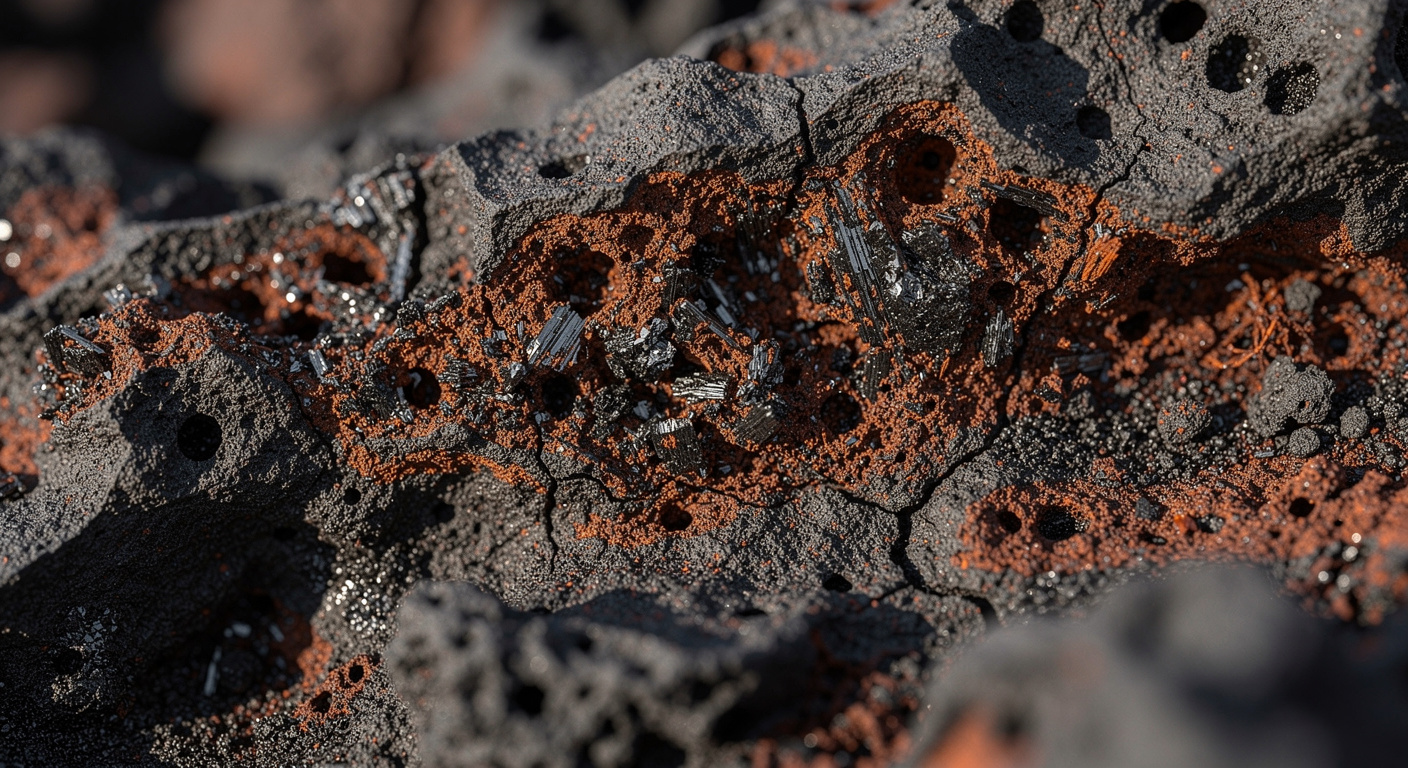
To grasp the significance of this discovery, it is important to recall what the Earth’s mantle is. It is a thick layer of rock located between the Earth’s crust and its core. This zone extends to a depth of approximately 2,900 kilometers (1,800 miles) and alone accounts for about 84% of the Earth’s total volume.
The mantle is primarily composed of silicate minerals rich in iron and magnesium. Although it is mostly solid, it behaves like a thick, slow-flowing fluid over long periods of time. It is this constant flow that drives the movement of tectonic plates on the Earth’s surface, causing earthquakes, volcanic eruptions, and continental drift.
Heat from the Earth’s core generates convection currents within the mantle: hot material rises, cools near the crust, and then sinks back down, creating a continuous cycle. This process plays a key role in shaping the planet’s surface.
Cutting-edge technology to probe the invisible
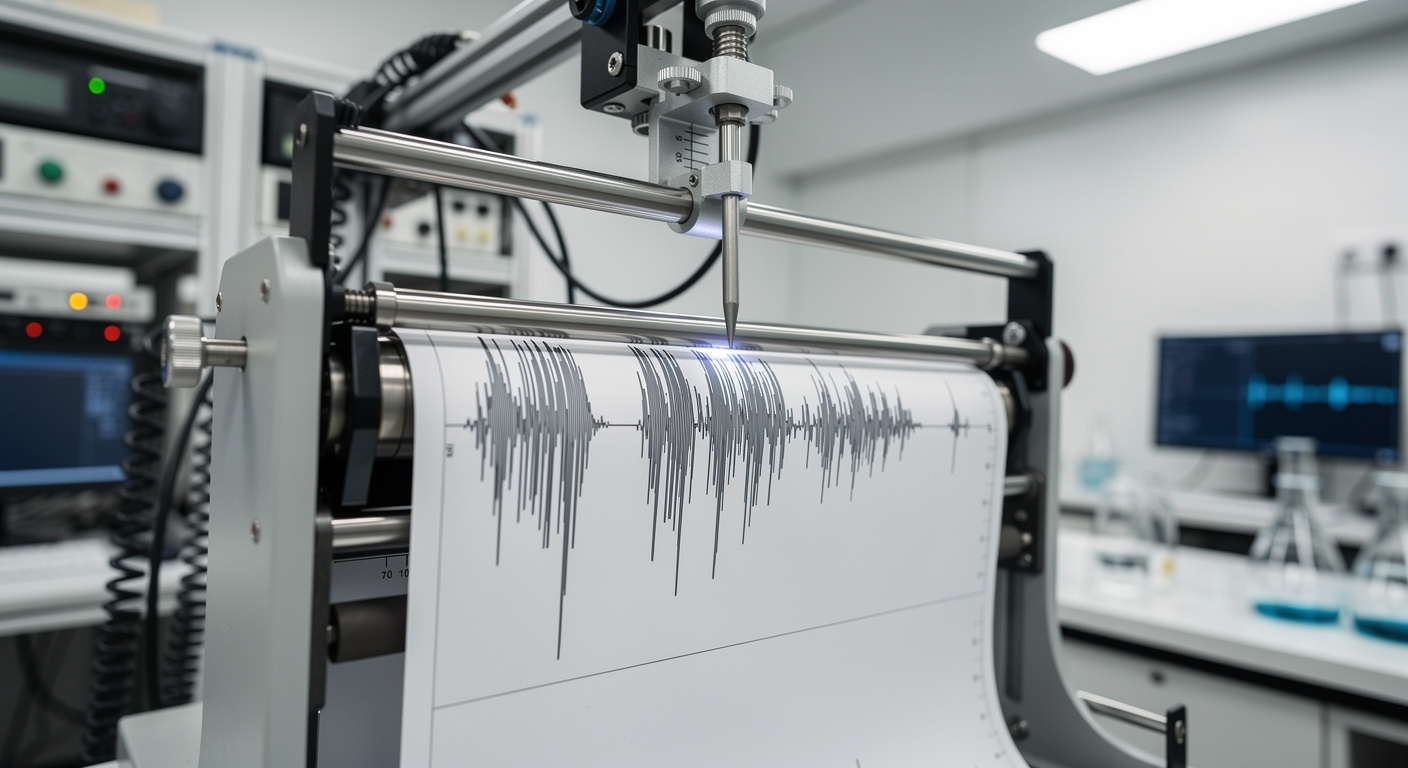
This major discovery stems from the use of a high-resolution method called “full-waveform inversion.” Scientists use this approach to interpret every type of seismic wave produced by earthquakes, rather than focusing on a single type of wave. Thanks to this, they can construct a much more accurate model of the Earth’s internal structures.
To understand the researchers’ approach, it’s important to recall how seismic waves work. When an earthquake strikes, it sends waves radiating outward in all directions. These waves bounce, bend, and shift as they travel through the planet. Just as doctors use medical imaging techniques, geophysicists measure the time it takes for these waves to reach various seismic stations around the world.
The speed of these signals reveals details about the density and stiffness of rocks. In previous years, scientists relied heavily on specific seismic phases. But by examining the full set of available wave data, new structures and densities have been identified in the Earth’s lower mantle.
The Mystery of the Anomalies Beneath the Western Pacific
Thomas Schouten commented on this, saying, “Apparently, such zones in the Earth’s mantle are much more widespread than previously thought.” Their combined efforts have provided new insights that challenge assumptions about where ancient remnants of tectonic plates might reside within the Earth.
Hypotheses about the nature of these “sunken worlds”
The lack of evidence for subduction suggests that these anomalies may not be pieces of tectonic plates at all—or at least not in the way scientists originally imagined. Researchers are now grappling with questions about the origin and nature of these structures. Some propose that they could be ancient silica-rich pockets left over from the primitive mantle.
Others suggest that they could be iron-rich accumulations that have drifted over billions of years. Thomas Schouten explained that the new model reveals anomalies throughout the Earth’s interior, but the exact materials or plate fragments responsible for these patterns remain unclear. This uncertainty suggests a more diverse range of compositions in the Earth’s mantle than previously understood.
This points to a potential complication in our understanding of how plates evolve and where they end up. Over hundreds of millions of years, plates have formed, moved, and sunk into the Earth’s interior. Researchers have long known that subducted plate slabs accumulate beneath regions where one tectonic plate slides under another, but the presence of these new isolated structures remains a mystery.
Toward a Rewriting of Plate Tectonics?

Combining these methods could reveal whether these mantle “clusters” stem from primordial sources, recycled oceanic crust, or something entirely different. If scientists confirm that more zones like these exist deep within the Earth, they may need to adjust many theories about how heat travels through the planet. Such hidden zones could alter convection patterns and the formation of mantle plumes.
Source: earth.com
Created by humans, assisted by AI.
What Lies Beneath the Pacific Ocean Could Revolutionize Our View of the Earth
This content was created with the help of AI.


