Skip to content

Fog: A Little-Known Atmospheric Ecosystem

The presence of life in the atmosphere has long been established by the scientific community. A single cubic meter of air can contain millions of airborne microbes. The question of whether these organisms, once trapped by fog, remain active or enter a dormant state, drifting with the currents, has just been answered.

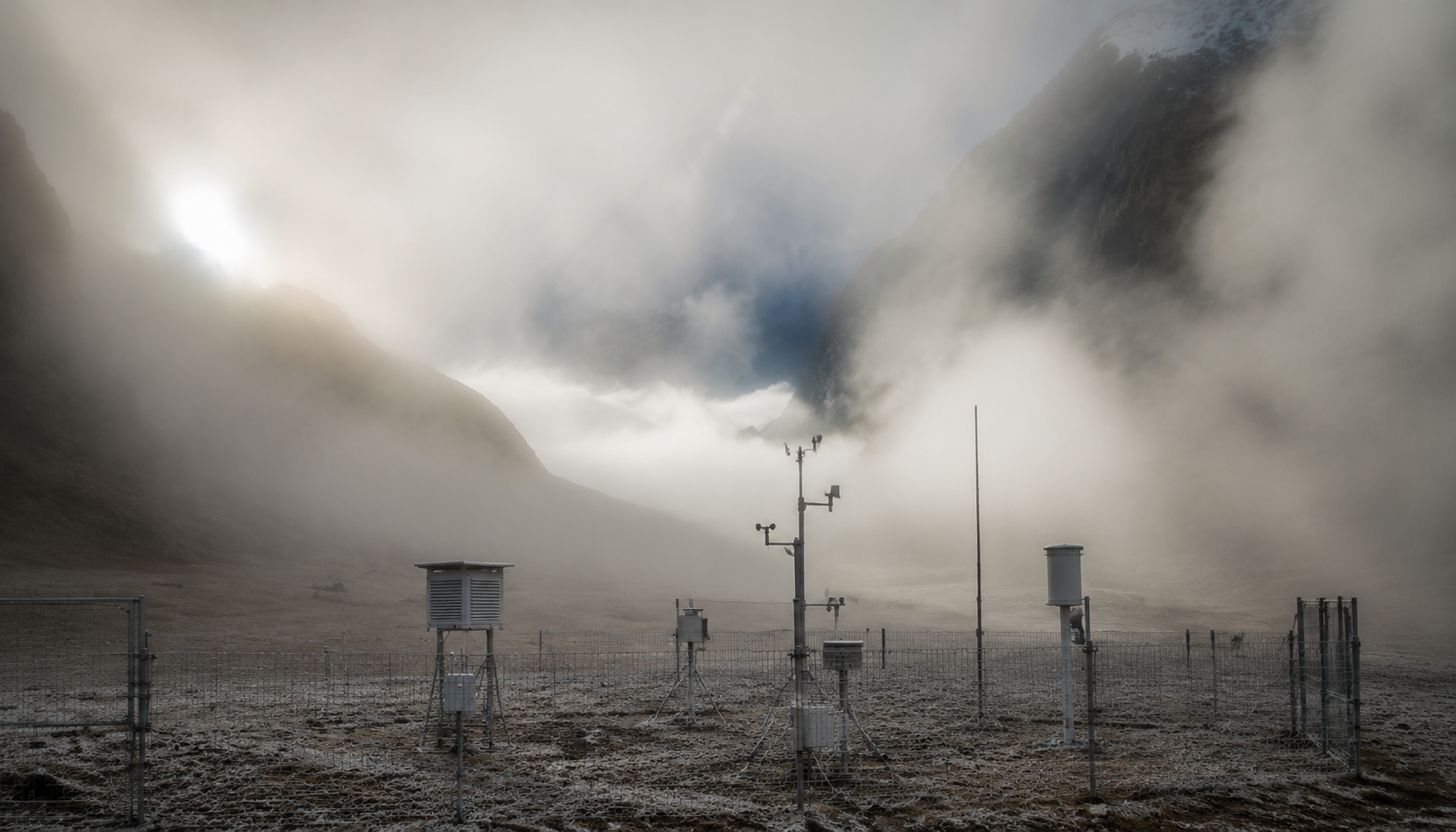
Fog often has a bad reputation in the collective imagination, frequently serving as a narrative device to signal the imminence of a paranormal event. In reality, it is simply a cloud in contact with the ground. The Met Office defines this meteorological phenomenon as a concentration of water vapor that reduces visibility to less than 1,000 meters (3,281 feet).

Recent research has just shown that this white veil is home to a distinct, thriving, and rapidly growing microbial community. Far from being bad news, this biological activity offers considerable ecological benefits.

A two-year scientific study

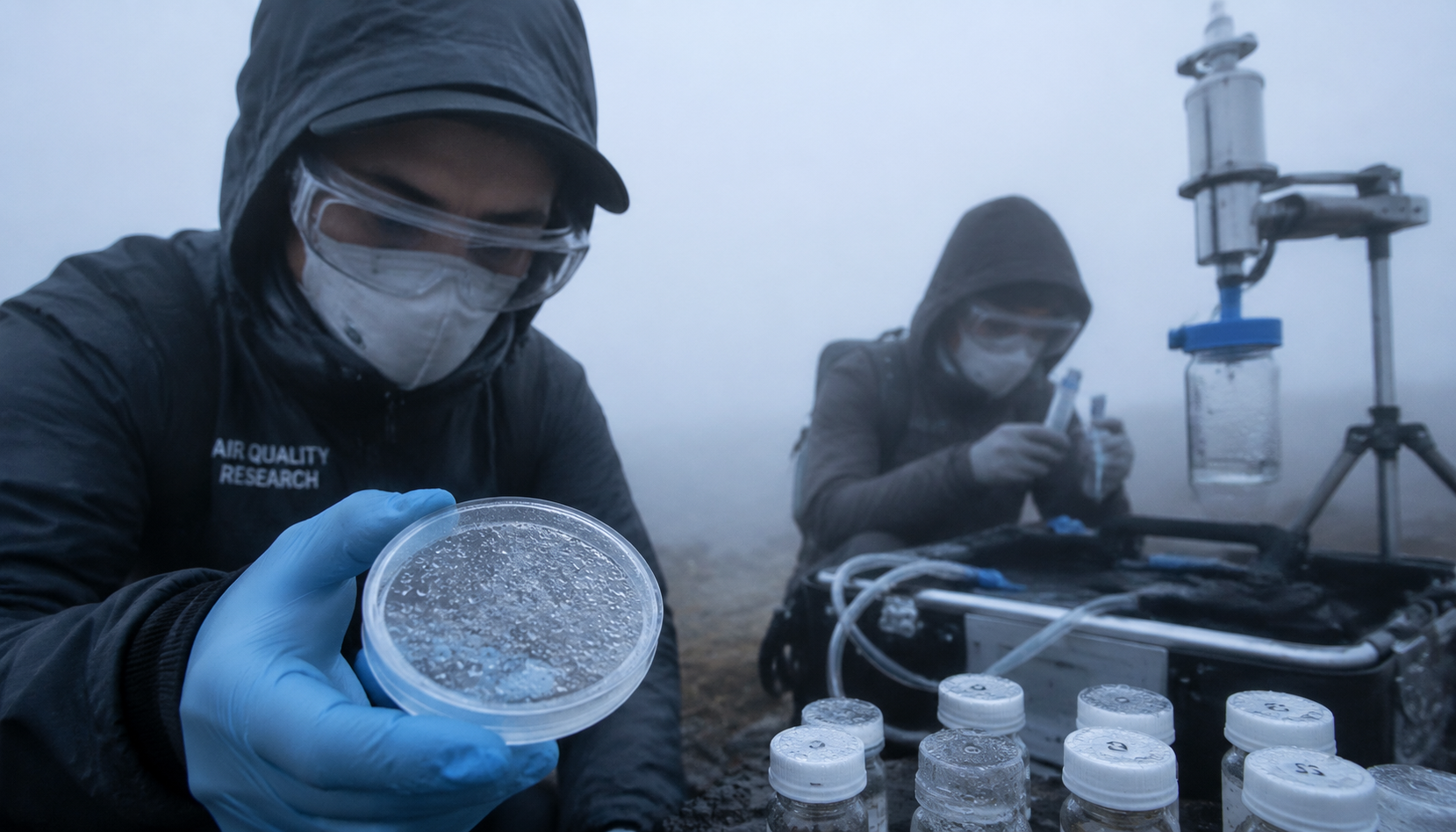
To determine whether these bacterial concentrations constitute a community unique to fog or are simply a random sample of the environment, a team of scientists conducted an extensive sampling campaign. The air was analyzed before, during, and after 32 distinct fog episodes.

This sampling phase spanned a two-year study period. Back in the lab, the researchers meticulously compared the microbes present in the different samples, assessing both their abundance and size.

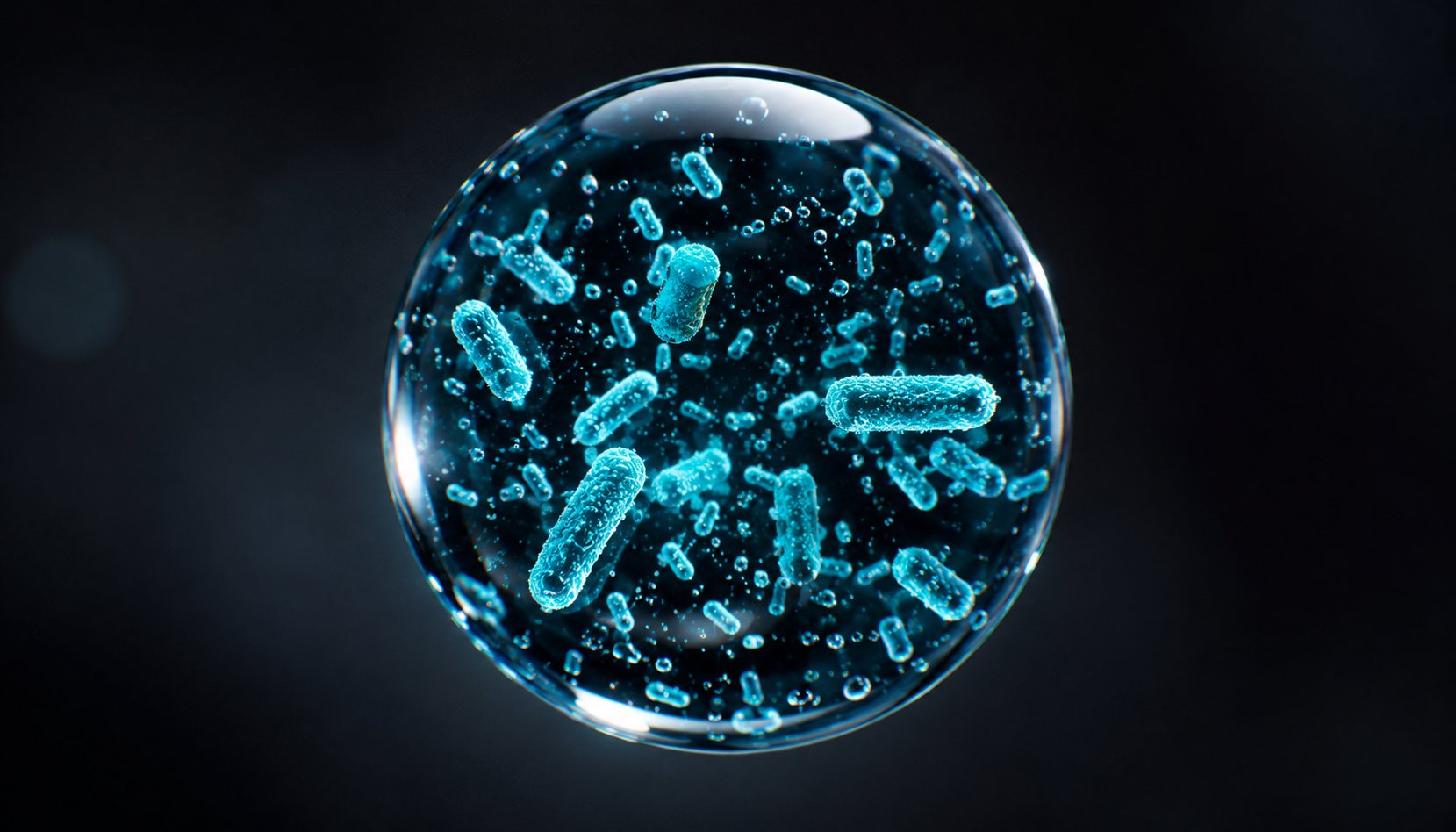
The results of these analyses revealed that water droplets in fog represent a major and extremely concentrated reservoir of bacterial biomass in the air. Despite the microscopic size of these droplets, they contain concentrations comparable to those found in an eutrophic lake or the ocean. This density is so high that it might humorously prompt hikers to keep their mouths shut while walking through the fog.

Formaldehyde-loving bacteria

The study highlights that the components of this microbial concentration are distinct from those present in the surrounding air. Samples collected from the fog were found to be particularly rich in species belonging to the genus Methylobacterium.

These microorganisms are not merely passive passengers. Observations have shown that these microbial communities are metabolically active and capable of processing complex chemicals to ensure their survival. Their primary target is formaldehyde.

Known for its use in embalming processes, formaldehyde is a naturally occurring pollutant known to be toxic to living organisms. The ability of fog communities to use this chemical compound as a food source to support their own growth represents an unexpected benefit for the environment.

Preserving Ecosystem Services

The study of biological activities occurring inside clouds is a relatively new branch of science. The internal mechanisms of these atmospheric formations remain largely misunderstood by the scientific community.

However, with the emergence of innovative ideas aimed at harvesting freshwater directly from fog, understanding these processes is becoming critical. The collection of atmospheric water raises new questions about the alteration of these natural environments.

When meteorological phenomena provide ecosystem services—such as pollutant treatment—free of charge, any human intervention requires a prior assessment to ensure that these benefits are not lost.

Perspectives on Atmospheric Water Harvesting

Ferran Garcia-Pichel, a co-author of the study and director of the Arizona State University Biodesign Center for Fundamental and Applied Microbiomics, shared his thoughts in an official university press release. His observations caution against the unchecked exploitation of these resources.

“If we harvest fog, we’re getting rid of our little friends in the air,” said Ferran Garcia-Pichel. “We don’t know whether this will have a major impact or not, but we should take it into consideration.” This basic research has just been published in the scientific journal mBio.

So, the next time the air gets thick, it’s scientifically justified to follow Mayor Tom Loftis’s lead and warn those around you that “there’s something in the fog!” The existence of this ecosystem is very real, even if it turns out to be far less frightening than in horror movies.

Source: iflscience.com

Something Lives in the Fog: Scientists Discover Unique Ecosystems Within This Mysterious Phenomenon

facebook icon twitter icon linkedin icon
Copied!

Commentaires

0 0 votes
Article Rating
Subscribe
Notify of
guest
0 Comments
Newest
Oldest Most Voted
Inline Feedbacks
View all comments
More Content