

Climate Turbulence from the Pacific

What happens in the eastern tropical Pacific is not confined to that region. This is the conclusion reached by experts, as two major meteorological agencies estimate that it is increasingly likely that an El Niño will form in this area later this year. Such a development would not be without consequences for the entire planet.
Forecasts from major agencies for 2026
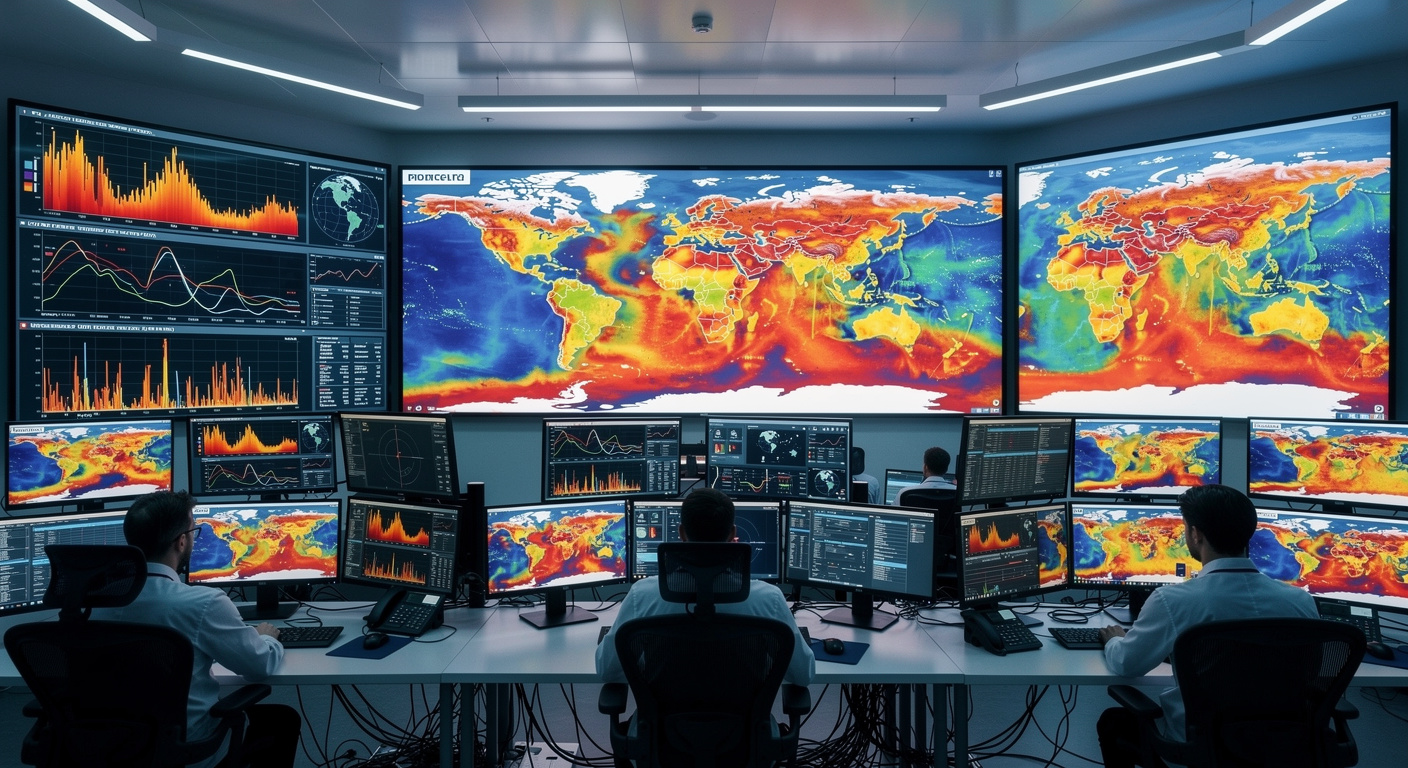
In their latest analyses, experts at NOAA’s Climate Prediction Service (CPS) indicate that there is a 50 to 60% probability of El Niño forming by the end of the northern hemisphere summer in 2026. This estimate places the phenomenon under close watch for the second half of the year.
For its part, the Australian Bureau of Meteorology also supports this hypothesis. The agency refers, in its own words, to a “possibility of El Niño developing starting in June.” The two institutions therefore appear to agree on the general trend emerging for the coming months.
However, this information should be approached with the necessary caution. As with any long-term weather forecast, it remains difficult to anticipate these events several months in advance. It is therefore recommended to take these predictions with a grain of salt—or, as the expression goes, with a pinch of salt.
Understanding the Mechanics of ENSO
The El Niño-Southern Oscillation (ENSO) is a natural climate cycle. It is driven by fluctuations in ocean temperatures and atmospheric pressure across the eastern tropical Pacific Ocean. Conditions in this region have a ripple effect felt around the globe, influencing everything from rainfall to droughts, tropical cyclones, and heat waves.
The ENSO system oscillates between three distinct phases: El Niño (the warm phase), La Niña (its cooler counterpart), and a neutral state. Currently, the world is still in a La Niña state, although it appears to be gradually weakening.
NOAA models suggest there is a 60% chance that the situation will transition from La Niña to a neutral ENSO state between February and April 2026. Once this transition occurs, the system is likely to shift toward an El Niño episode, although this is by no means a certainty.
The Fearsome Impact on Global Temperatures
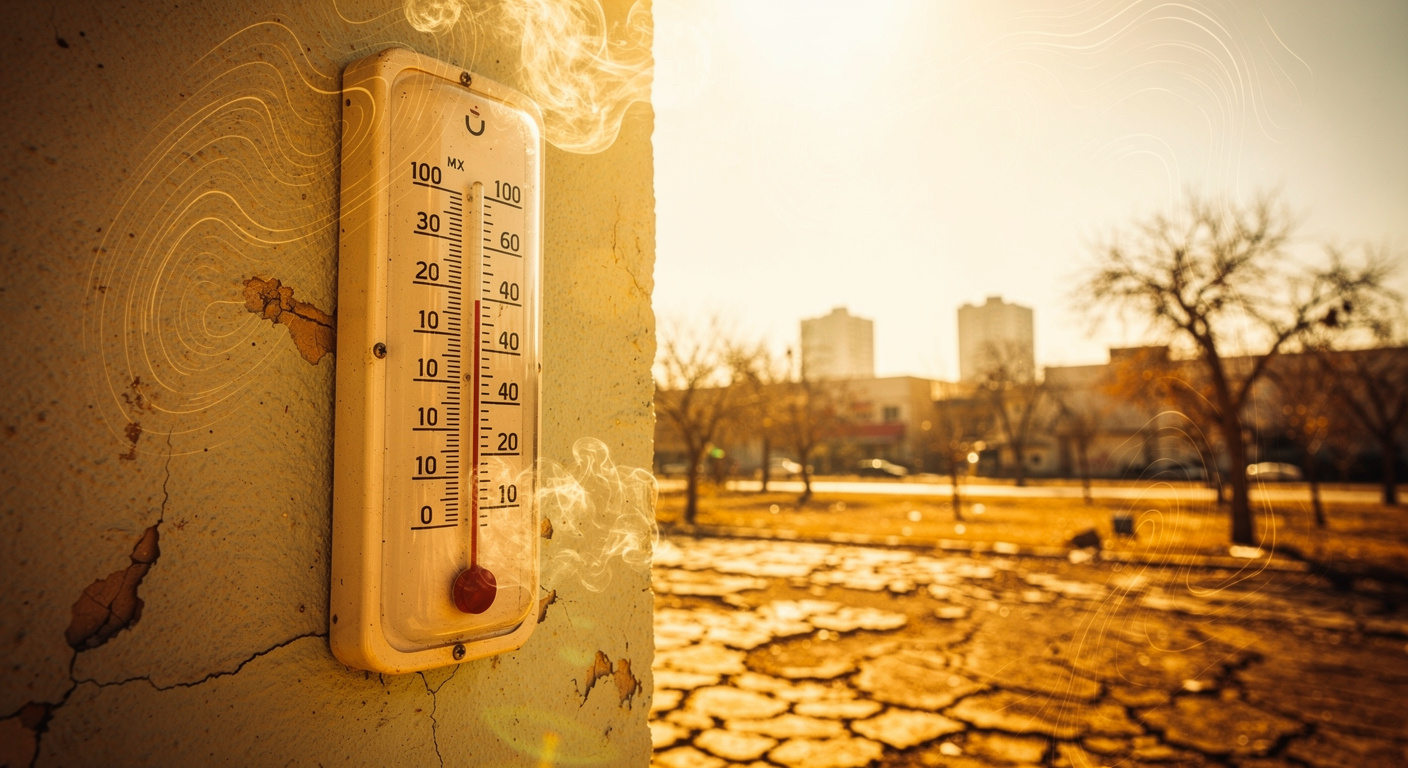
In practical terms, what does this mean for our environment? In short, El Niño tends to raise global temperatures by up to about 0.2 °C, fueling extreme weather events such as droughts and floods. In a world already warming due to greenhouse gas emissions, an El Niño event can add an extra boost to temperatures, increasing the risk of record-breaking heat.
It’s worth noting that 2025 was one of the hottest years on record globally, despite ending with a cooling La Niña. Without that moderating influence—and with El Niño’s warming effect—2026 and 2027 could be exceptionally hot.
Historical data confirm this alarming trend: the last 11 years have been the 11 hottest on record. If El Niño does indeed re-emerge, it is highly likely that the next two years will join this list, continuing this unbroken streak of temperature records.
Geography of Weather Disturbances
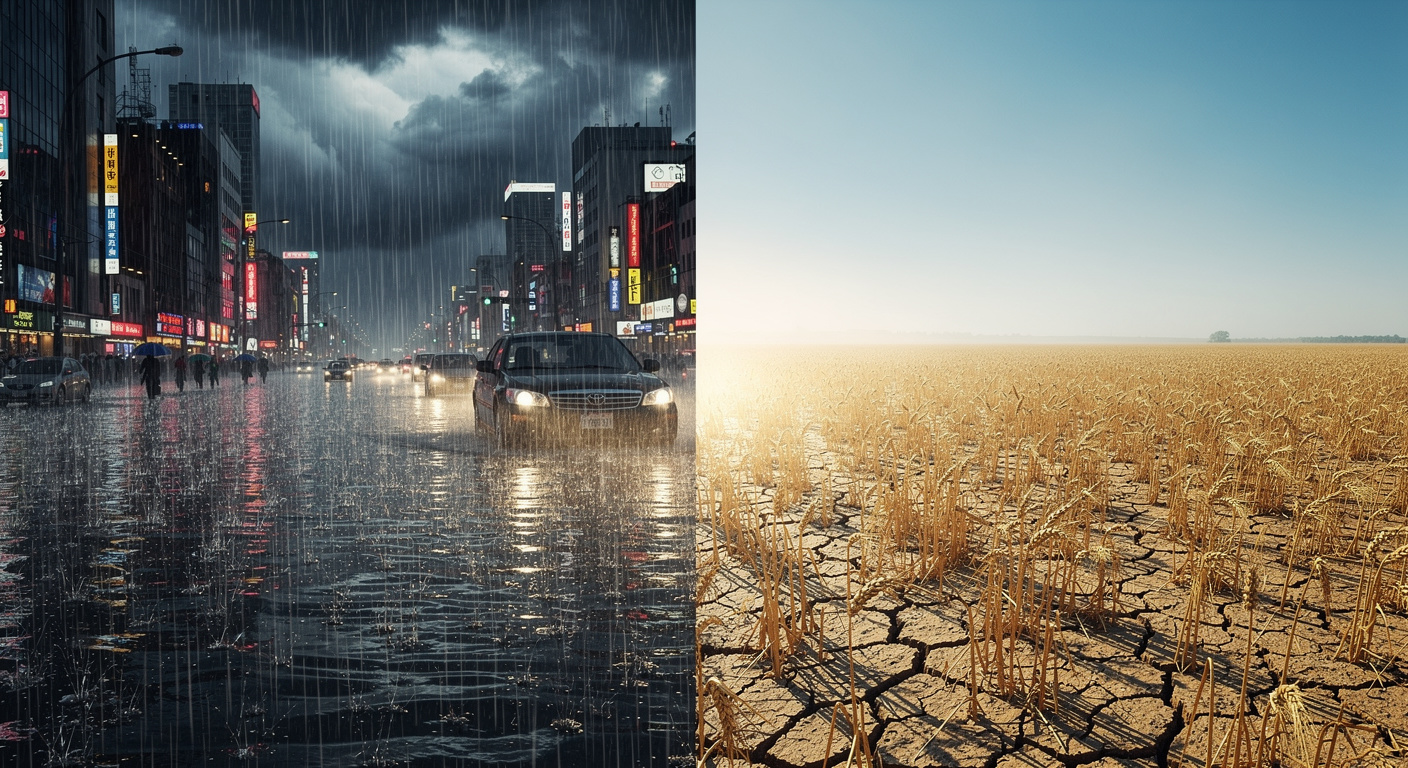
Beyond simply raising average global temperatures, El Niño will bring widespread changes to weather patterns. We can expect to see increased precipitation and a higher risk of flooding in the southern United States and southern Europe. Conversely, the northern United States and Canada are likely to experience drier and warmer conditions than usual.
The impact will also be felt in hurricane activity. In the Atlantic Ocean, El Niño tends to weaken hurricane seasons. However, this phenomenon intensifies hurricane activity in the central and eastern Pacific basins.
Source: iflscience.com
Created by humans, assisted by AI.
El Niño: This Pacific phenomenon threatens to disrupt the climate in 2026 and 2027


