

A subtle but powerful shift in direction
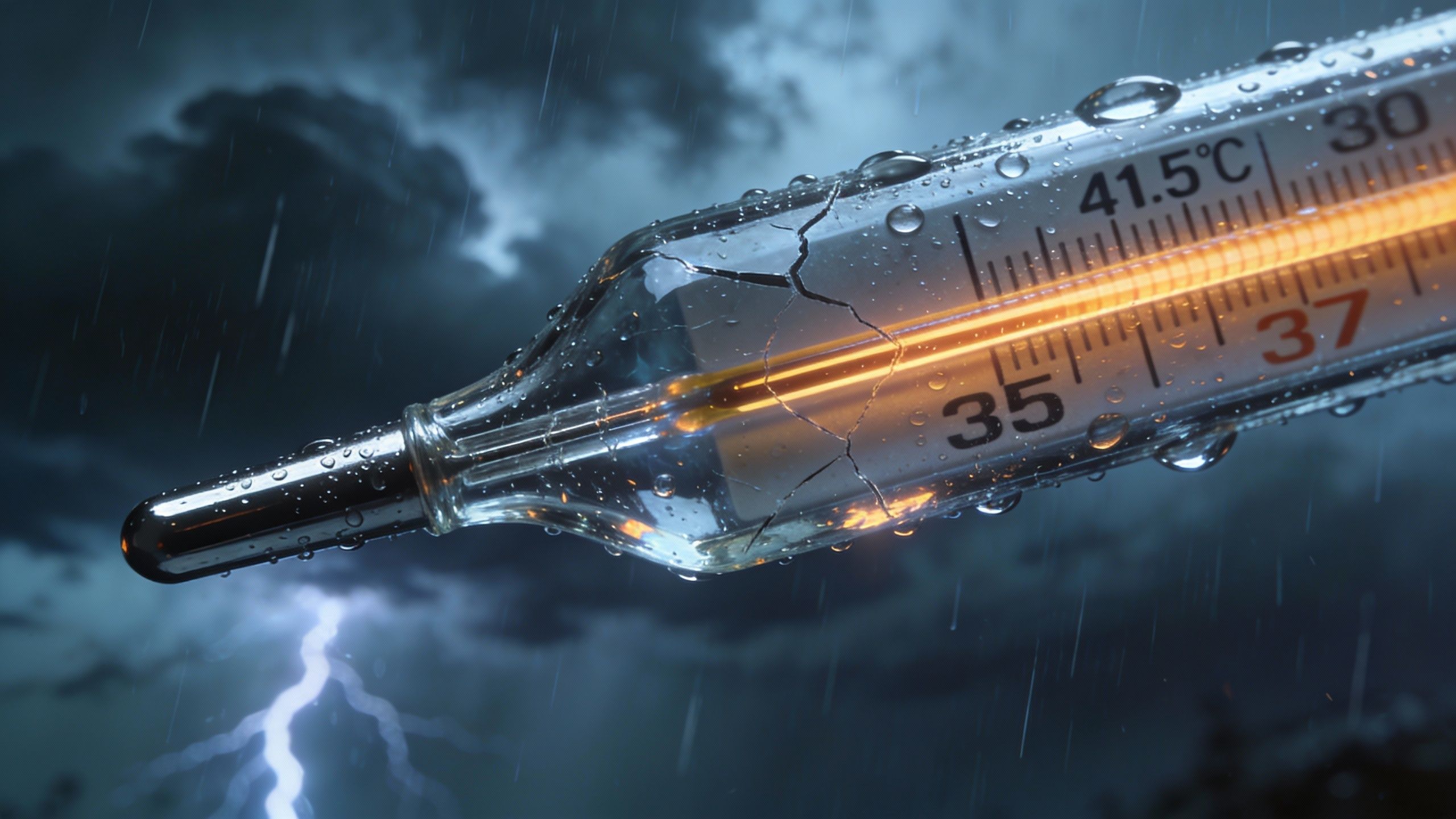
You’ve probably noticed that the weather isn’t quite right anymore, haven’t you? It’s a feeling many of us share. Well, believe it or not, something massive—though invisible to the naked eye—is brewing in the middle of the Pacific Ocean. Heat exchange between this vast ocean and the global atmosphere is entering a phase of rapid restructuring. It’s a subtle, almost insidious shift occurring just as our thermometers are already hitting record highs.
This isn’t just a matter of a few degrees more or less; it’s the growing risk of seeing our global weather patterns completely upended on a planetary scale. We’re heading toward a winter of 2026–2027 that could well leave a lasting impression—not because of a sudden catastrophe, but as the culmination of an inexorable process.
The End of La Niña and the Awakening of the Giant

We often tend to imagine climate change as a series of dramatic upheavals, much like in disaster movies. But the reality is more subtle: the climate also evolves through gradual shifts—almost imperceptible at first—that eventually reshape everything. The equatorial Pacific, which acts somewhat like Earth’s giant thermostat, is sending us clear signals. Several indicators are now pointing toward a major phase shift expected in the coming months. And be warned: this shift is not occurring in a stable, “old-fashioned” climate, but in an already feverish world where every natural oscillation acts as an amplifier.
In practical terms, how does it work? This well-known ENSO cycle alternates between cold and warm phases. Since the end of 2025, the current phase—known as La Niña—has been showing clear signs of waning. Surface cooling anomalies are diminishing in the western Pacific Ocean, and—this is where it gets interesting—pockets of underwater heat are gradually rising to the surface. It’s a sort of system reset. In fact, the latest analyses released by Severe Weather Europe are unequivocal: this transition could accelerate as early as the beginning of 2026—much sooner than we’ve seen in the past. Winds will reorganize, convection zones will shift… in short, the whole system will grind to a halt and then reverse direction.
When El Niño Meets Global Warming
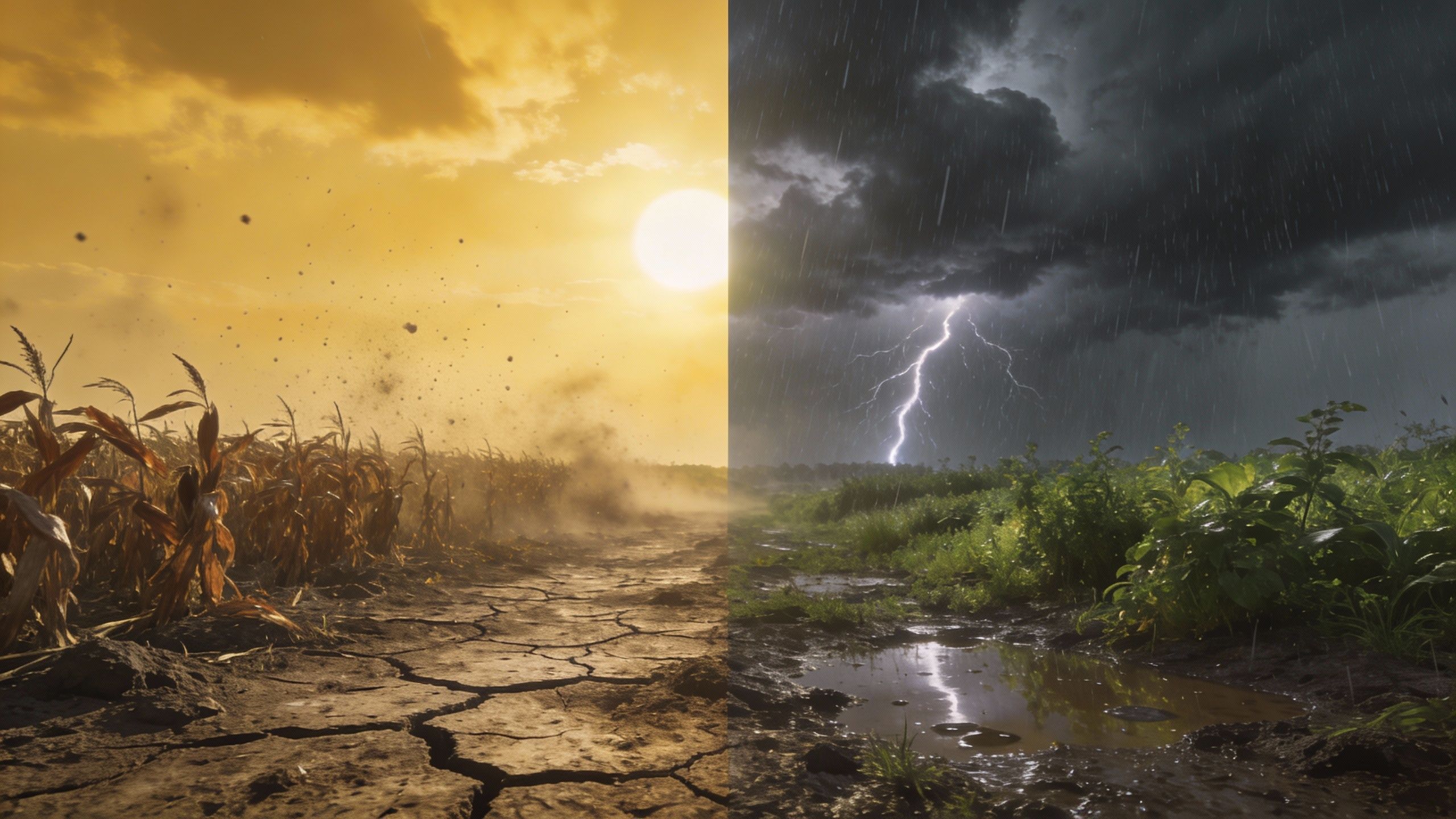
It’s important to understand that the El Niño phenomenon no longer occurs in the same context as it did in the last century. Those days are over. Today, global average temperatures have crossed unprecedented thresholds—let’s not forget that 2024 remains, to date, the hottest year on record since measurements began. It’s frightening when you think about it. When an El Niño event occurs, warm waters accumulate on the surface of the equatorial Pacific, temporarily amplifying global warming. Except that now, this natural factor is compounding a climate already saturated with greenhouse gases.
According to analyses reported by Futura Sciences, this combination doesn’t just raise the average—it amplifies extremes. It’s a bit like a double whammy. The consequences? They vary widely and can be devastating depending on where you live. We’re talking about increased droughts in Australia and Southeast Asia, more intense wildfires—we all have those terrible images in mind—and changes in rainfall patterns across the Americas. Paradoxically, this could also temporarily reduce hurricane activity in the Atlantic. On a global scale, this additional warming may seem modest on paper, but it is enough to push already fragile systems past critical thresholds.
Europe and France: What Should We Expect?

And what about us? Europe is always a special case. We’re too far away to experience the immediate, direct effects of the Pacific, so we feel the ripple effects. Our weather depends mainly on the jet stream, that high-altitude current that drives our weather systems. During El Niño winters, we often see more persistent westerly flows over the North Atlantic. For France, this generally translates to milder and wetter early winters. Forget about snow at Christmas—it’s more likely to be rain and wind that make an appearance, along with increased low-pressure activity, before a possible shift to colder weather toward the end of the season. Of course, these are probabilities, not absolute certainties; the weather retains its share of mystery.
It’s quite curious, but there’s also an economic aspect to all of this. A study by the International Monetary Fund (IMF), which analyzed decades of data, highlights that El Niño events tend to temporarily boost economic activity in certain temperate regions, including here in Europe. This is due to indirect effects on trade and energy. But let’s not celebrate too soon: this small short-term benefit comes with a much heavier global climate cost. The winter of 2026–2027 will likely not be a mere isolated anomaly, but yet another sign of a climate that can no longer absorb natural shocks without consequences.
Winter 2026–2027: The Silent Shift in the Pacific That Will Change Everything
This content was created with the help of AI.


