

An 80-Year-Old Secret Revealed Off the Italian Coast
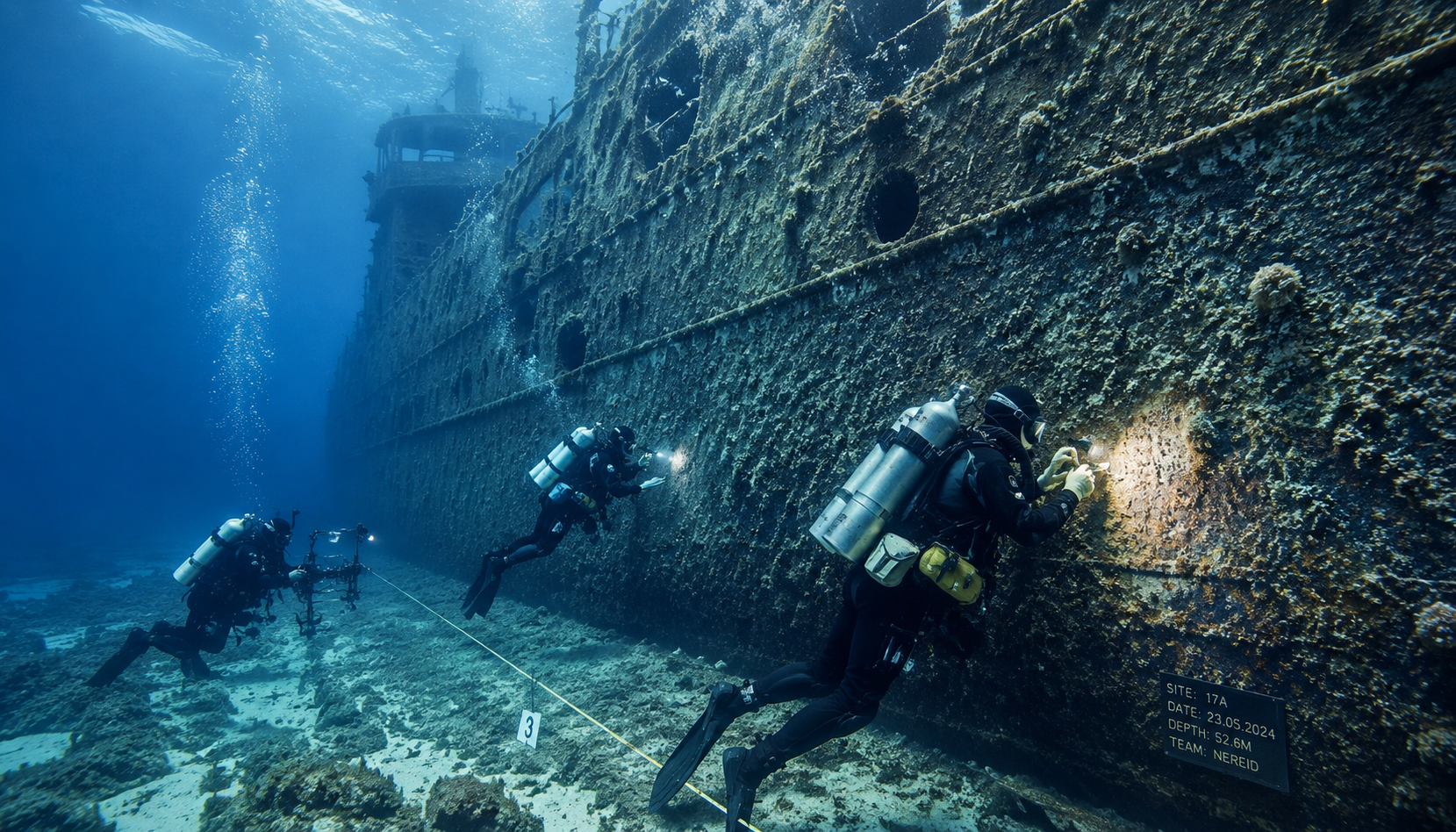
According to a report by Tim Newcomb, this mystery has now been officially solved thanks to the work of an Italian research team. The ship has been identified as the SS Samuel J. Tilden, a Liberty-class freighter measuring 134 meters in length. Built in Portland, Oregon, this vessel represents the only surviving physical remnant of one of the most serious—yet least known—Allied disasters of World War II.
The researchers’ findings, published in the scientific journal Heritage, confirm that the Tilden is the best-preserved World War II shipwreck in the entire Adriatic region. This discovery brings to a close decades of historical research into the consequences of the devastating 1943 air raid.
The Tragedy of Bari’s “Little Pearl Harbor”
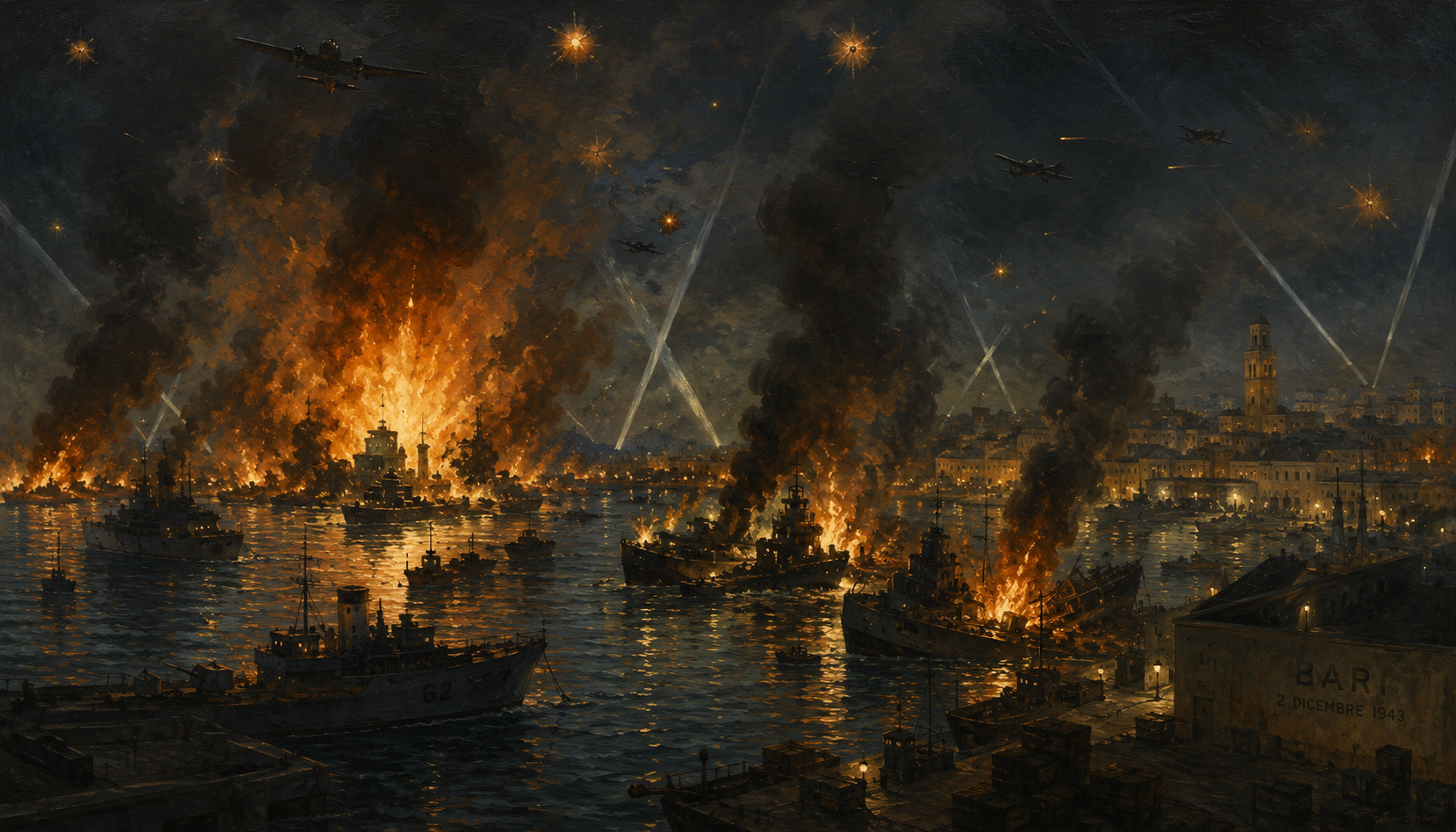
The SS Samuel J. Tilden is the last remaining physical witness to a tragic event that occurred on December 2, 1943, nicknamed “Little Pearl Harbor.” At the time, American and British forces had invaded mainland Italy three months earlier, and the port of Bari had become one of the most important strategic centers captured by the Allies. The port was overcrowded with more than 100 vessels, including 31 merchant ships and 30 steamers—a concentration that the Allied command did not, however, consider to be under threat from the Axis powers.
As reported by the original news source, the port authorities’ lack of awareness regarding the presence of this toxic gas exacerbated the toll. Survivors, covered in a mixture of oil and mustard gas, suffered severe burns and eye injuries. Surgeons initially diagnosed “unidentified dermatitis,” only realizing much later the chemical nature of the agent that had poisoned the harbor waters. In total, the raid sank 21 Allied ships and claimed the lives of more than 1,000 people.
The Agony and Downfall of the SS Samuel J. Tilden
A High-Tech Archaeological Expedition
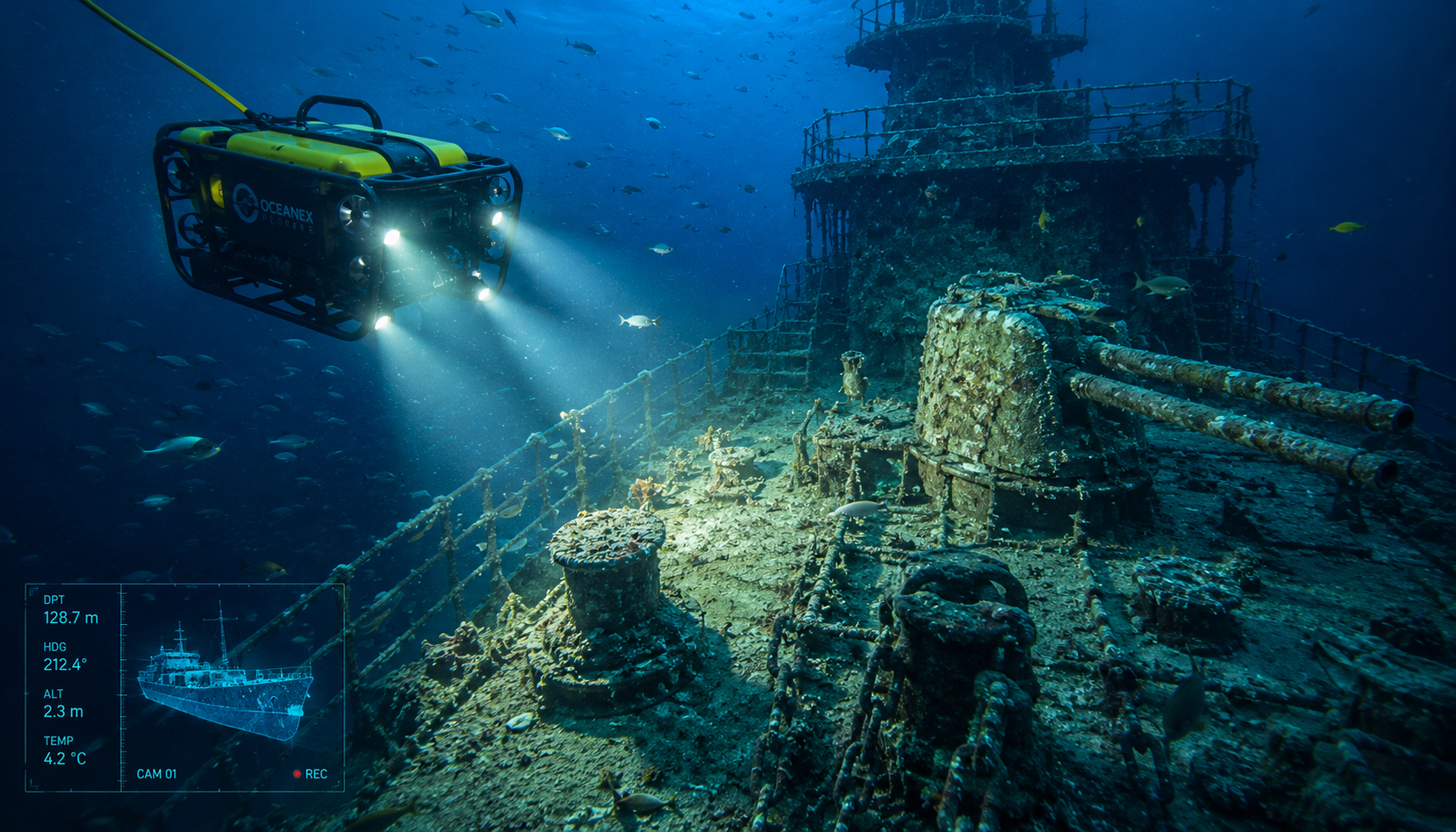
The confirmation of the wreck’s identity in 2025 was the result of close collaboration between the University of Siena, the Italian Carabinieri’s diving units, the Carabinieri’s naval unit, and ISPRA (the Italian Institute for Environmental Research). This 15-day campaign, conducted in July and August 2025, mobilized elite military divers and state-of-the-art remote sensing tools to accurately map the site.
A sanctuary frozen in time
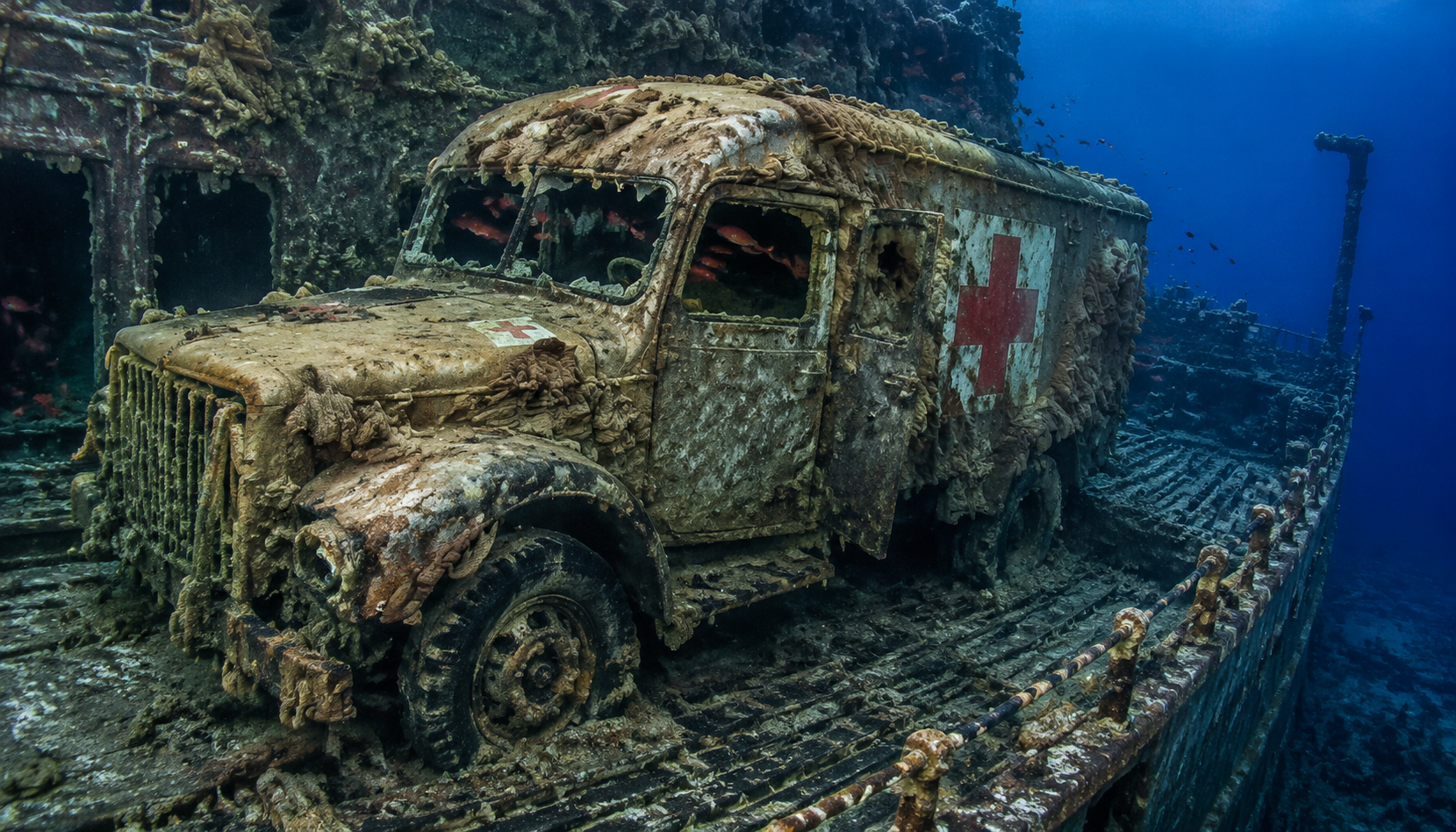
Exploration of the deck of the SS Samuel J. Tilden revealed striking scenes, virtually unchanged since 1943. Researchers were able to identify several motor vehicles on the aft deck, including what appear to be ambulances, which have remained motionless since the shipwreck. 20-mm Oerlikon anti-aircraft guns and racks of anti-submarine grenades—whose charges still appear intact—were also located on the ship’s bow.
Analysis of the damage confirms the ferocity of the attack. A bowl-shaped depression on the bow likely corresponds to the impact crater left by the German bombs. The study’s authors note that the bombs that struck the Tilden ruptured the ship’s chemical tanks, exposing the deck to a mist of sulfuric and hydrochloric acid. This factor may have been the direct cause of death for the 27 crew members whose bodies are likely still inside the hull.
“The wreck has significant historical and cultural importance, as it represents the last tangible remnant of the so-called ‘Little Pearl Harbor,’” the authors write in their study. By remaining in the darkness two miles offshore, the Tilden has preserved the memory of these men and this major event in the Italian campaign. For any medical questions related to past or current chemical exposure, consult a qualified healthcare professional.
Source: popularmechanics.com
The Mystery of the SS Tilden: The Last Ship from World War II’s "Little Pearl Harbor" Has Finally Been Identified


