

A quantified sales goal: to increase sales by 50%

Mark Carney’s government is poised to make a major strategic shift. In a 68-page document titled “Defense Industrial Strategy,” Ottawa openly reveals its intention to transform Canada into an even more formidable military export powerhouse. The stated goal is clear and ambitious: to increase defense exports by 50% over the next decade. The sector, already vital for equipping the Canadian Armed Forces, is described as a key economic engine that must be running at full capacity.
Administrative Simplification and Inspection Criteria
To achieve this increase in sales, the Carney administration plans to “simplify” the export process. Currently, a license is required to sell military goods and technologies abroad, a requirement that applies to all destinations except, in most cases, the United States. The Minister of Foreign Affairs has the authority to approve or deny licenses based, in part, on respect for human rights.
Persistent International Controversies
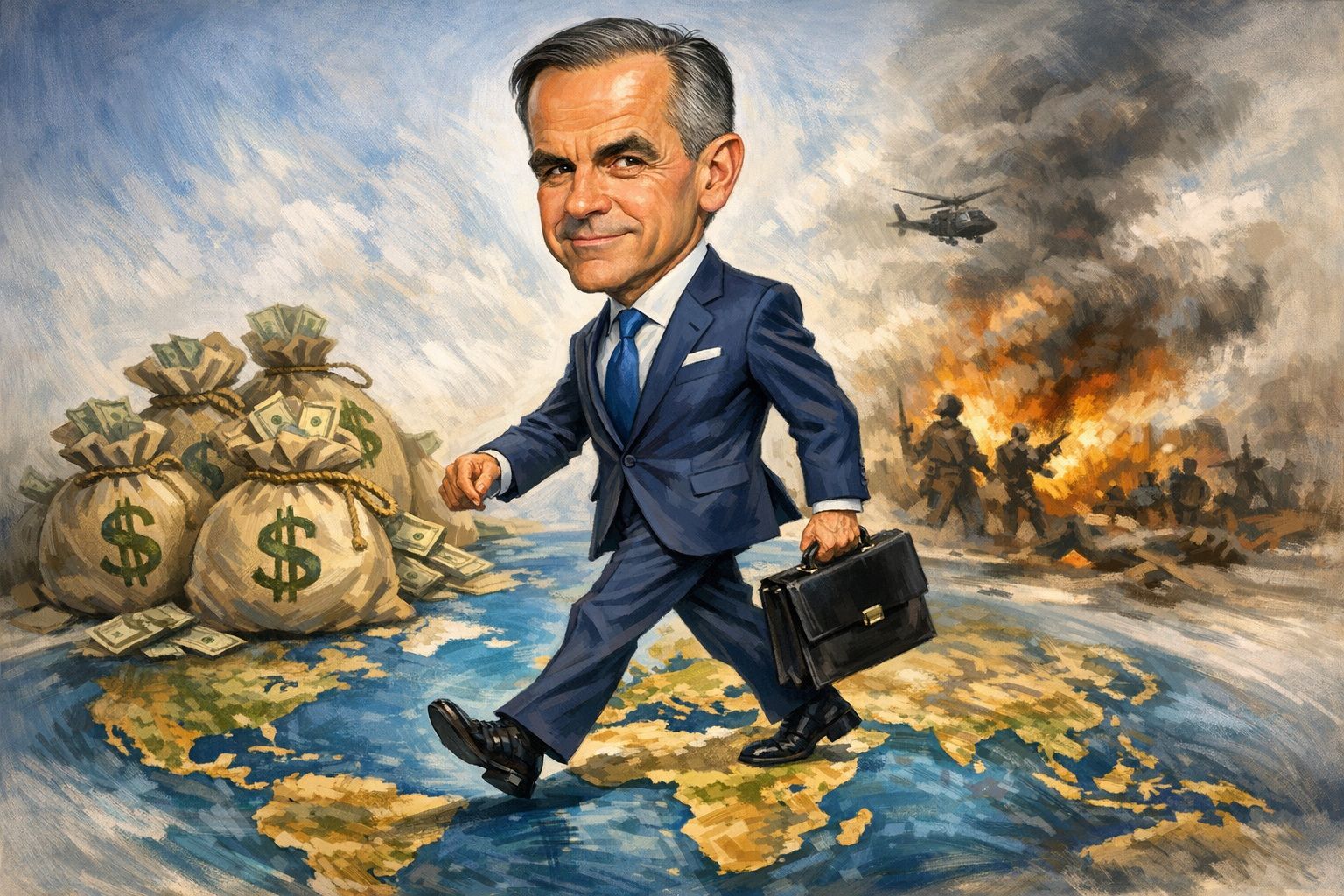
However, uncertainty persists. Last August, a coalition released a report based on Israeli customs data citing Canadian shipments of “bullets” and armored vehicles. Foreign Minister Anita Anand had to step in to defend herself, asserting that the items identified as bullets were actually paintball cartridges.
Prime Minister Mark Carney himself was questioned on this matter during his trip to the United Arab Emirates in November. This Gulf monarchy is accused of diverting weapons—sometimes Canadian ones—to Sudan, a country torn by a deadly civil war since April 2023. However, this contentious issue does not appear to have been addressed during this economically focused trip, during which the Emiratis pledged more than $70 billion in investments in Canada.
Bill C-233 and the U.S. Exception
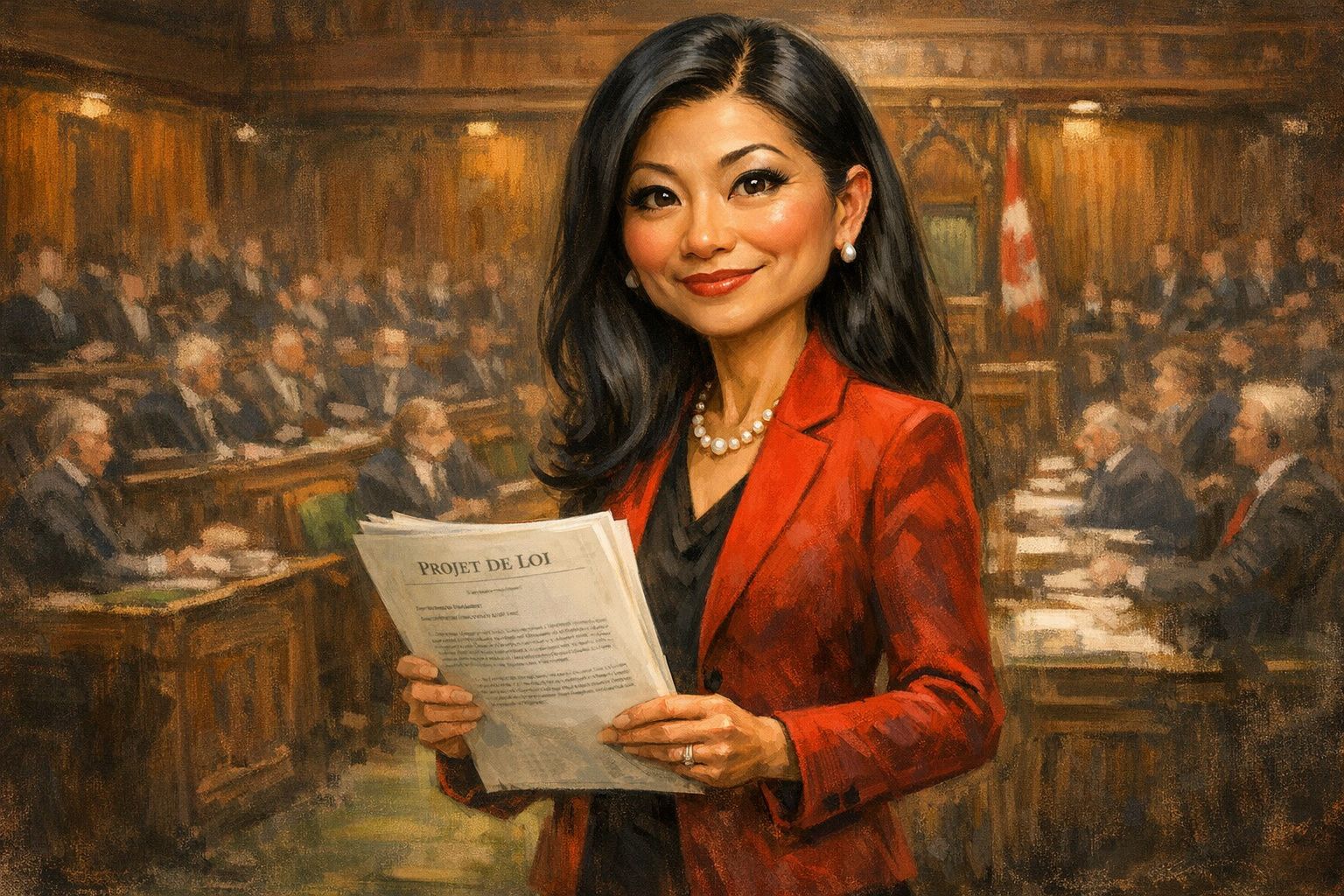
In an interview with Radio-Canada, Ms. Kwan is unequivocal: “As a result, the vast majority of weapons, military parts and components, and technologies shipped to the United States escape any scrutiny […] and are subsequently re-exported to other countries accused of serious human rights violations
.” She adds firmly: “We must put an end to this.” Canada can no longer be complicit in such violations.
The bill is scheduled for a vote on March 11, but optimism is in short supply. Bloc Québécois member Simon-Pierre Savard-Tremblay doubts its effectiveness given the integration of the two industries. Conservative MP Michael Chong fears that the United States may view this as a significant threat to its defense and security
. There is similar reluctance among the Liberals: Robert Oliphant, Parliamentary Secretary, stated that the bill, in its current form, risks undermining international security, Canada’s security, the country’s defense industry, and its international partnerships at a critical juncture
.
Expert Opinion: Balancing Profitability and Values
How can these commercial ambitions be reconciled with ethics? Justin Massie, a professor at UQAM, suggests that “streamlining” could involve increasing staff to process applications more quickly. “That doesn’t mean we’ll grant more licenses to more countries that violate human rights, but rather that we’ll optimize the bureaucracy
,” he explains. He emphasizes, however, the economic reality: If we limit our customer base, it’s certain that [production] will cost Canadian taxpayers more—that much is obvious
. He concludes that prioritizing values is a more costly choice, but one that is [at the same time] more respectful of our values
.
For his part, Thomas Juneau of the University of Ottawa observes that the need to diversify the economy has pushed human rights to the back burner. In a broader context, the Carney government’s trade policy does not prioritize human rights
, he argues, citing visits to Qatar, the United Arab Emirates, and China. In his view, the reasoning is that diversification requires engaging with countries that do not have stellar human rights records
.
Finally, Jessica West of the NGO Project Ploughshares emphasizes Canada’s legal obligations. She warns that a distinction must be made between administrative streamlining and lowering standards. However, Canada’s legal obligations under the Arms Trade Treaty and its export control regime require a rigorous assessment of risks to human rights and the protection of civilians
, she tells Radio-Canada. She warns that the rise of dual-use technologies such as AI requires that these safeguards not only
be preserved but also strengthened
.
Source: ici.radio-canada.ca
Created by humans, assisted by AI.
Canada Wants to Increase Its Arms Exports: At What Cost?


