

5 Kitchen Utensils That Are Poisoning You Without You Knowing It — and What to Replace Them With


Introduction: Surface Cleanliness Isn’t Always Enough
1. Damaged nonstick cookware
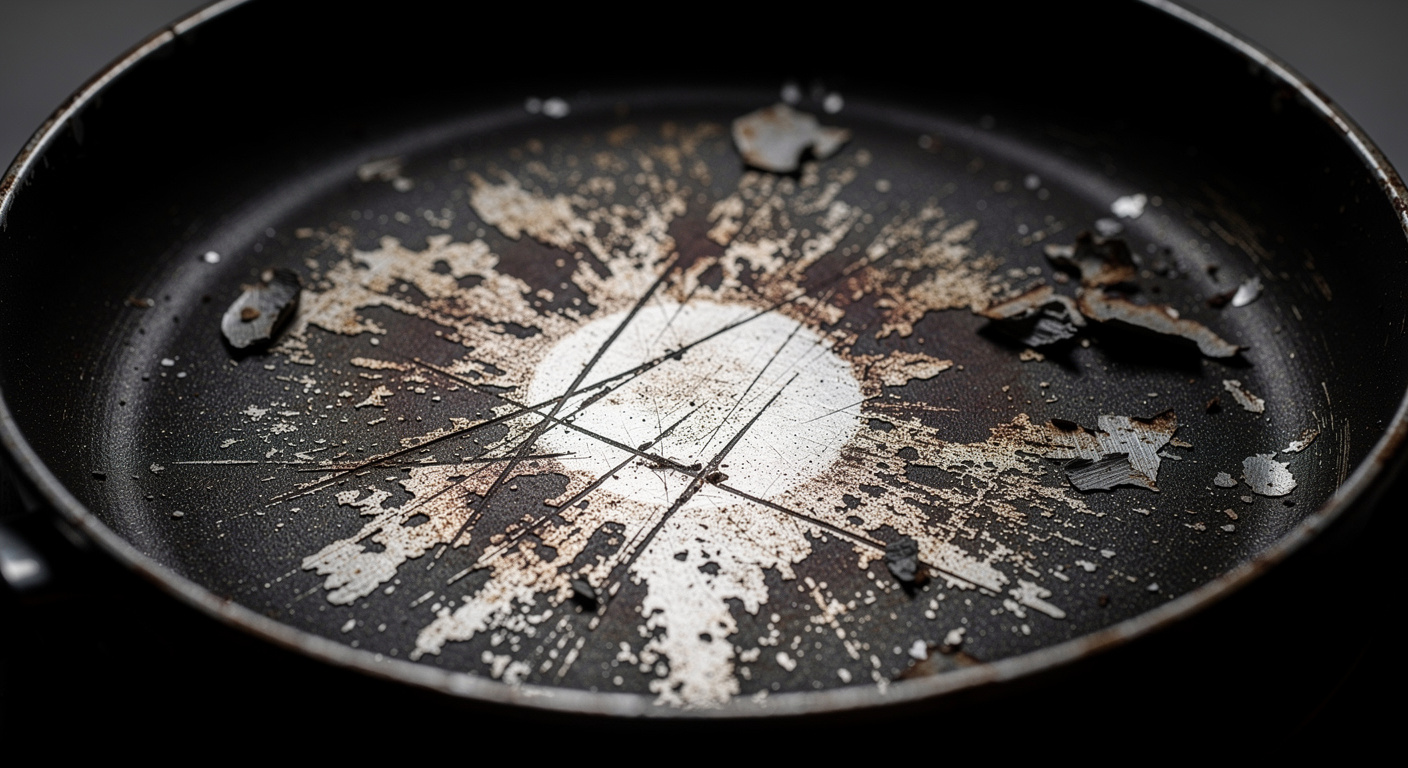
Nonstick cookware is generally safe when used properly. However, using pans with damaged coatings—such as scratched or flaking Teflon—is not recommended. Chamali Kodikara, chair of the Quality and Food Safety Management Division at the Institute of Food Technologists, explains: “When nonstick coatings are scratched or overheated, they can degrade, increasing the potential for chemical migration and the release of particles. Research has shown that misuse or damage can accelerate coating degradation, particularly at high temperatures.”
If you choose to buy a new nonstick pan, take one precaution to preserve the coating’s integrity: keep cooking temperatures below 475°F (about 246°C).
2. Plastic food storage containers
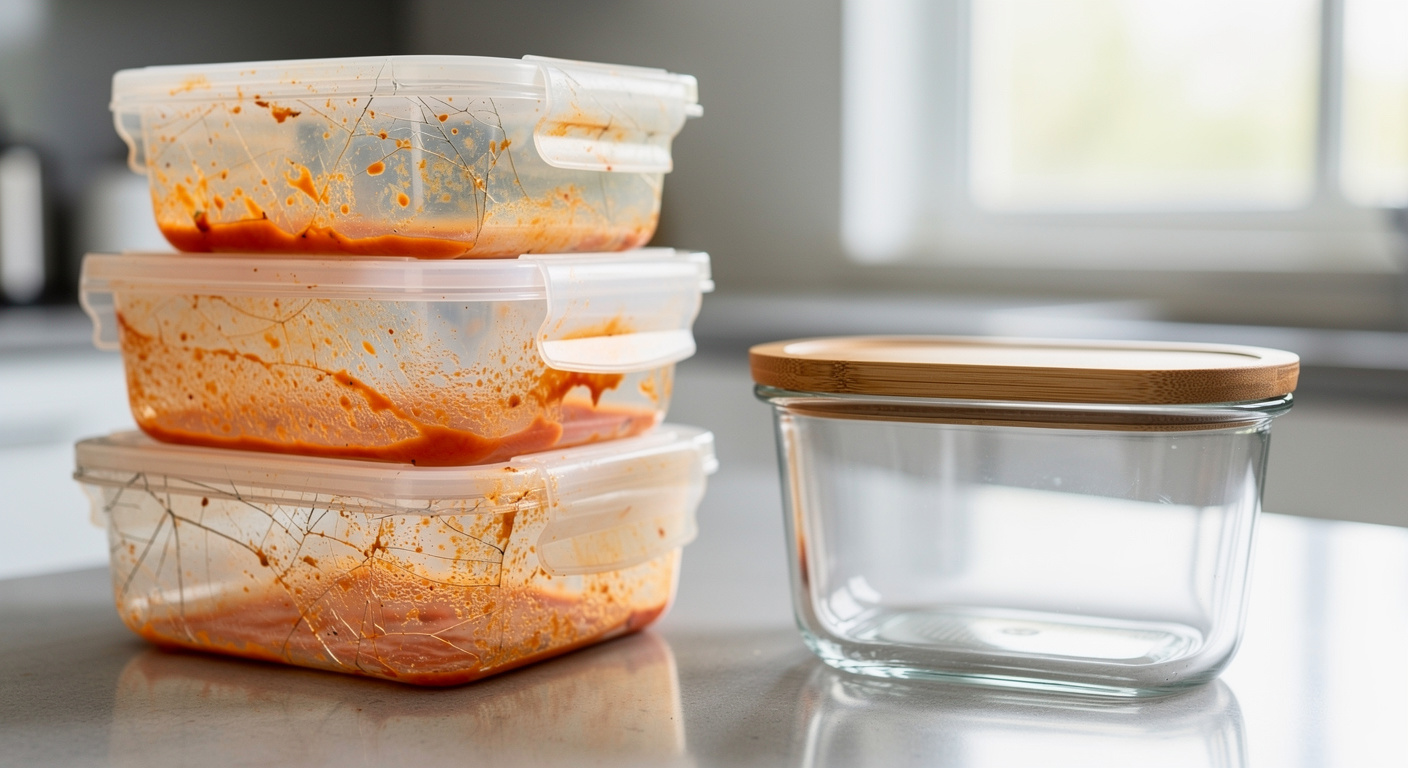
Plastic food storage containers are undeniably convenient, but they can release millions—or even billions—of microplastic and nanoplastic particles into your food, especially when heated. Chamali Kodikara explains the risks associated with these materials: “Repeated heating, microwaving, or long-term use of plastic materials in contact with food can increase the migration of additives or degradation products into food, especially when heat and fat are involved.”
The expert adds that while heating accelerates the release of microplastics, long-term storage of food in plastic—whether at room temperature or in the refrigerator—can also contribute to this exposure. It is therefore important to monitor the condition of these containers.
If you’re ready to stop using plastic containers, Chamali Kodikara recommends discarding any that are warped, cracked, discolored, or have been repeatedly exposed to high heat. As safer alternatives, consider containers made of glass, stainless steel, or food-grade silicone, especially for reheating or long-term storage.
3. Worn-out cutting boards
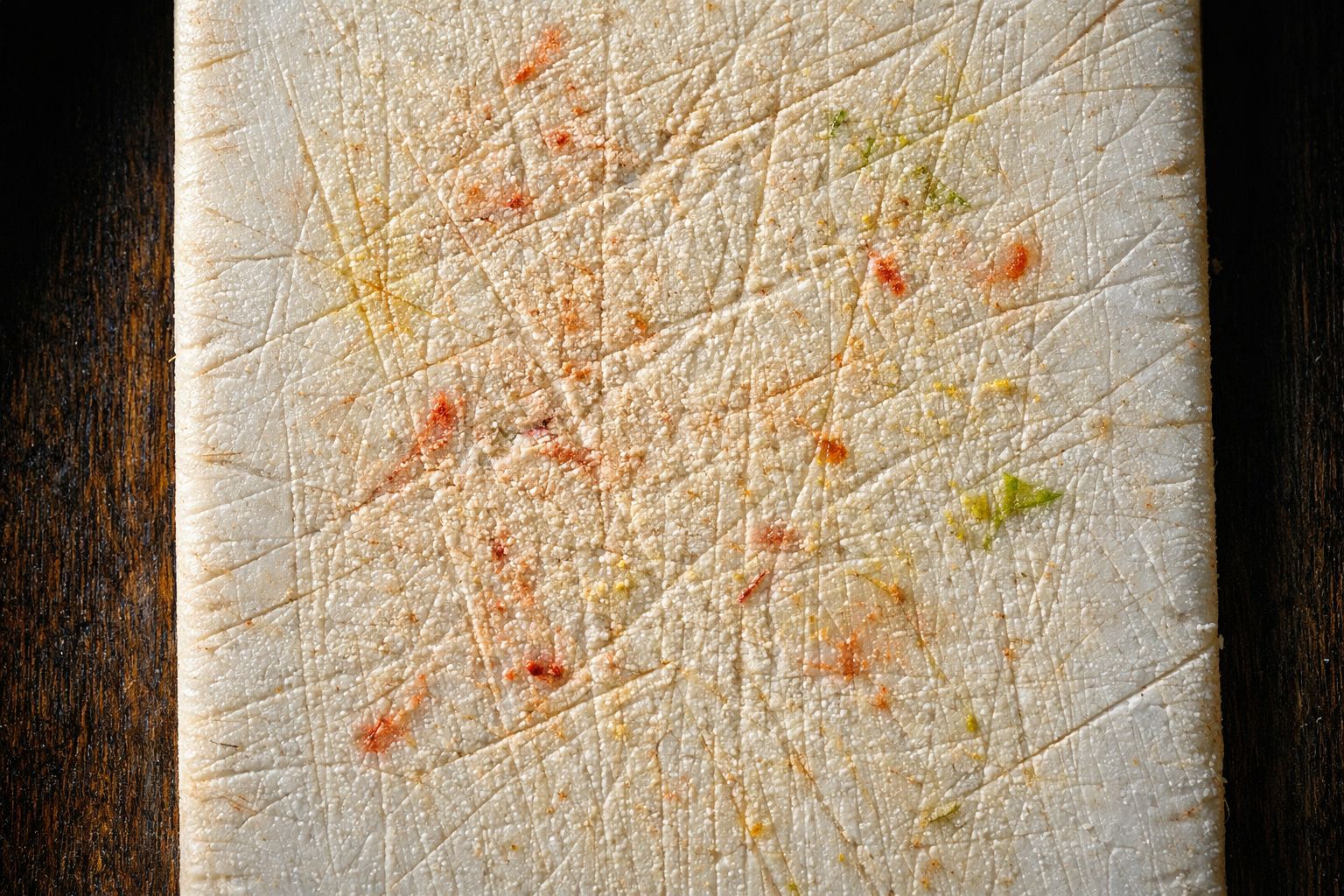
Plastic cutting boards have been shown to release microplastics into foods such as meat, fish, and vegetables as they wear down over time. However, heavily worn wooden cutting boards can also pose health risks. Chamali Kodikara warns: “Deep cuts and grooves in cutting boards, especially plastic and wooden ones, can harbor bacteria and make thorough cleaning difficult. Research shows that these surfaces can act as reservoirs for pathogens, increasing the risk of cross-contamination between raw and ready-to-eat foods.”
It’s time to replace your cutting boards if they have deep grooves, visible wear, or lingering odors even after cleaning. This is a crucial step in maintaining a safe food preparation environment.
4. Kitchen Sponges
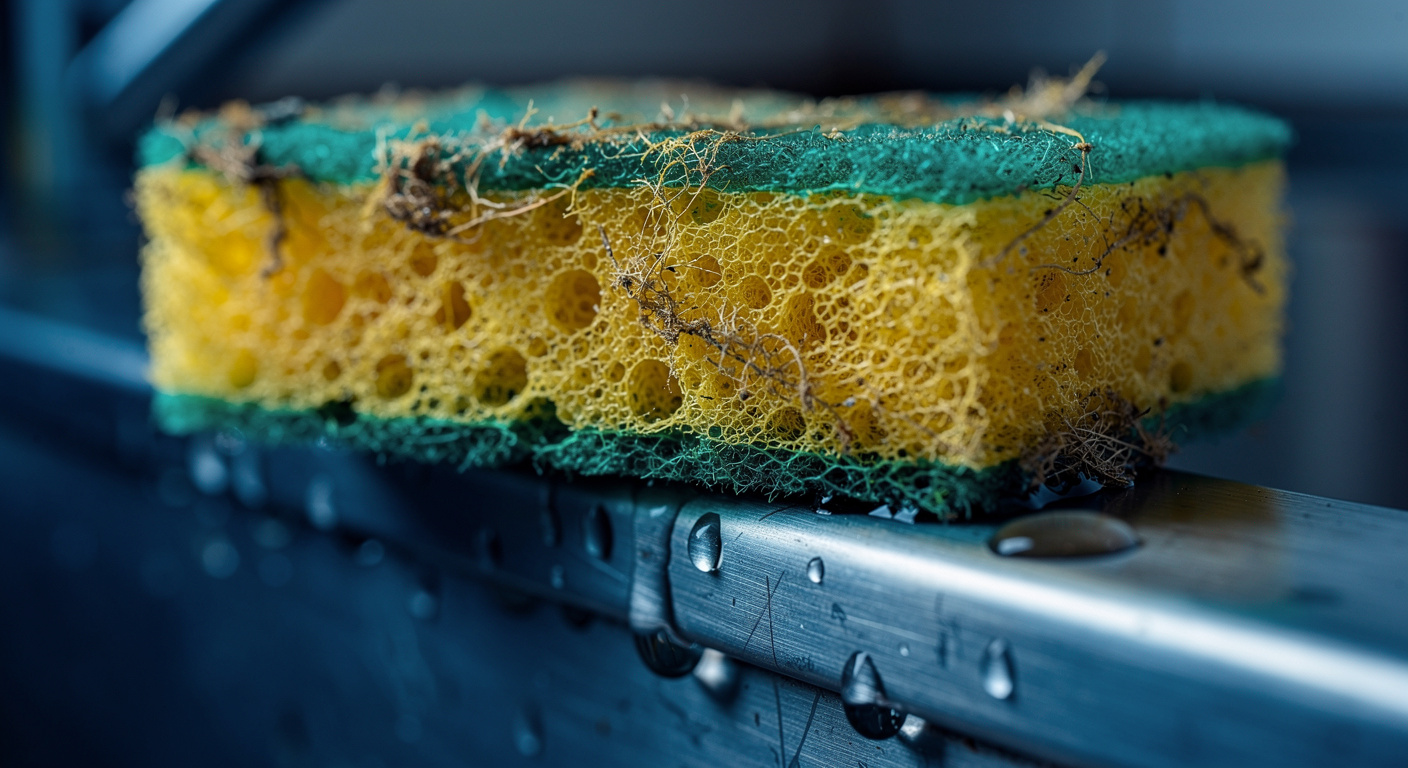
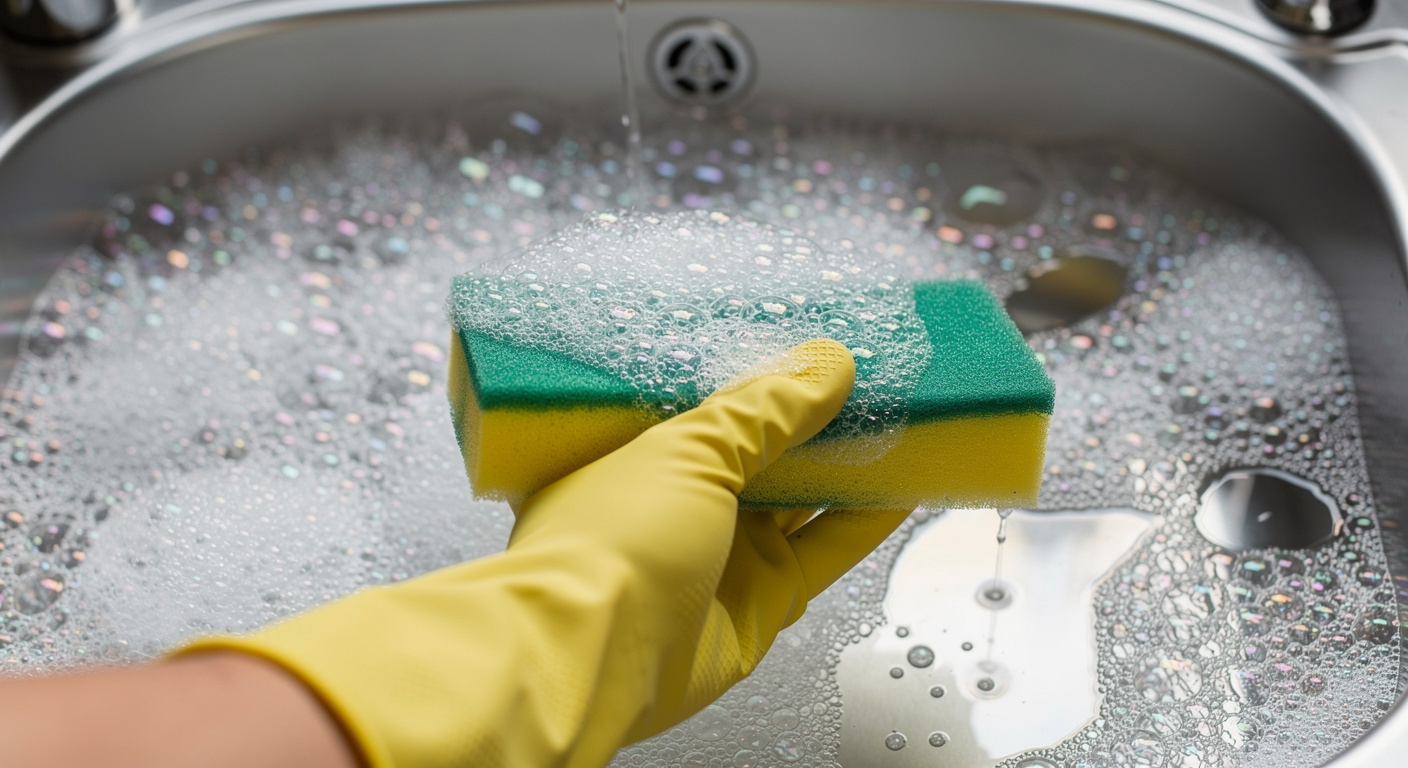
You may wash dishes and wipe down countertops regularly, but that isn’t always enough to eliminate invisible hazards. Research shows that harmful bacteria like Salmonella can survive for more than a week in reusable kitchen sponges.
Chamali Kodikara explains why this item is such a breeding ground for germs: “Their warm, moist environment promotes rapid microbial growth and easy transfer of bacteria to hands, dishes, and surfaces.” Constant moisture is the main enemy here.
To avoid spreading potentially dangerous germs, the expert recommends disinfecting kitchen sponges daily. If that’s not possible or if the sponge is used heavily, it’s best to replace it at least once a week.
5. Dish towels
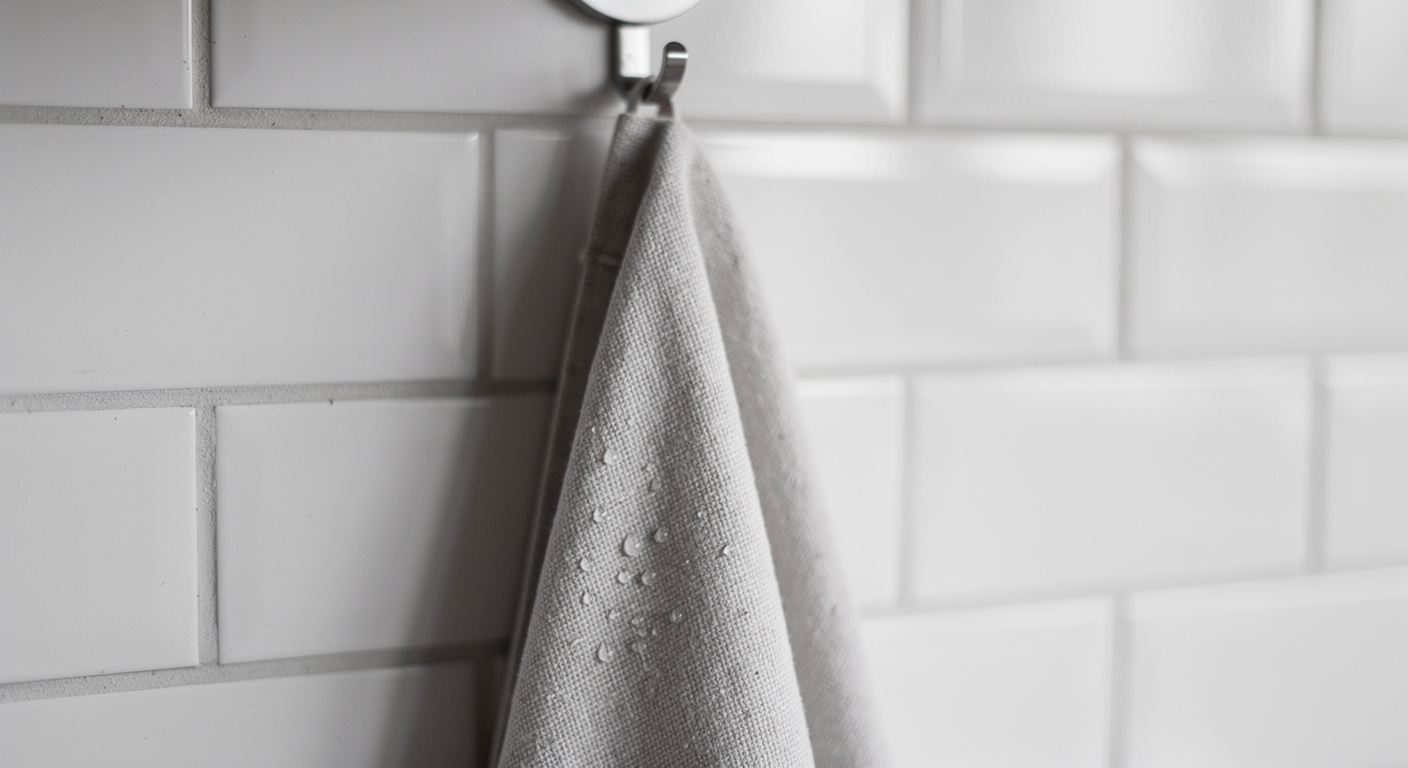
To limit bacterial growth, Chamali Kodikara suggests a rigorous care routine: “Wash dish towels frequently at high temperatures and choose ones that dry quickly to limit bacterial growth.”
Conclusion: Our Expert’s Opinion

Rather than banning these items from your kitchen entirely, focus on smart maintenance. The goal isn’t to create unnecessary anxiety, but to adopt regular maintenance habits to ensure the safety of your meals.
Source: eatingwell.com
Created by humans, assisted by AI.
5 Kitchen Utensils That Are Poisoning You Without You Knowing It — and What to Replace Them With
