

An Invisible Legacy
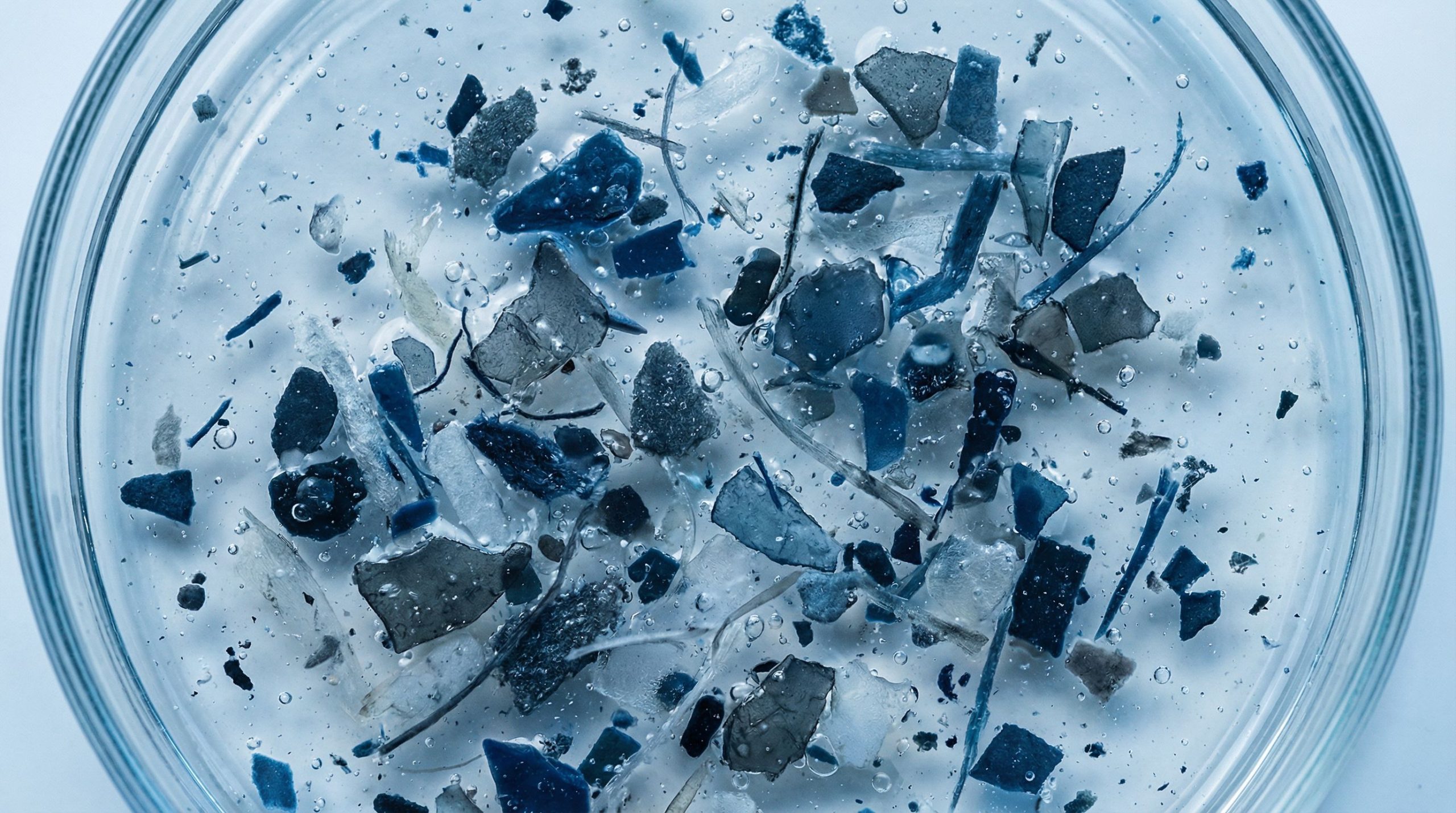
We often worry about what expectant mothers eat, the air they breathe, and the stress they experience. That’s normal—they’re carrying a new life. But we’re quick to forget the other half of the equation: the father. Did you think his biological role ended at conception? Think again. It’s pretty mind-boggling when you think about it, but billions of invisible particles we come into contact with every day are changing the game.
We inhale and swallow these microplastics without even realizing it. They breach our biological barriers and settle right where it hurts. And what we’re discovering today is, let’s face it, frankly alarming. Without even affecting DNA, a father’s exposure to these pollutants seems to reprogram the metabolism of his future daughters. Yes, specifically daughters. A silent, almost insidious transmission that occurs through sperm.
When Plastic Invades Our Organs (and Our Genes)
We have to face the facts: plastic is no longer just a problem for turtles or the oceans. It’s inside us. Literally. Recent studies have found these fragments everywhere: in the liver, the brain, the arteries… and even—brace yourself—in human testicles and semen. This is no longer just an environmental issue; it’s a public health emergency. These fragments, often from our food or industrial packaging, aren’t just “squatting” in our tissues; they’re disrupting biological processes.
This was highlighted by a fascinating—and somewhat frightening—study published in December 2025 in the highly reputable Journal of the Endocrine Society. Until now, researchers had primarily focused on the mother when examining intergenerational effects. That was a mistake. Researchers at the University of California, Riverside, have proven that exposure to microplastics alters sperm composition, leading to serious metabolic consequences for offspring.
To prove this, they exposed male mice to moderate doses of plastic for one month. They then mated them with healthy females. The offspring were fed a high-fat diet to mimic our good old Western diet. The result? The fathers were perfectly healthy. No diabetes, nothing. But their daughters… that’s a different story.
A Silent Reprogramming That Targets Daughters
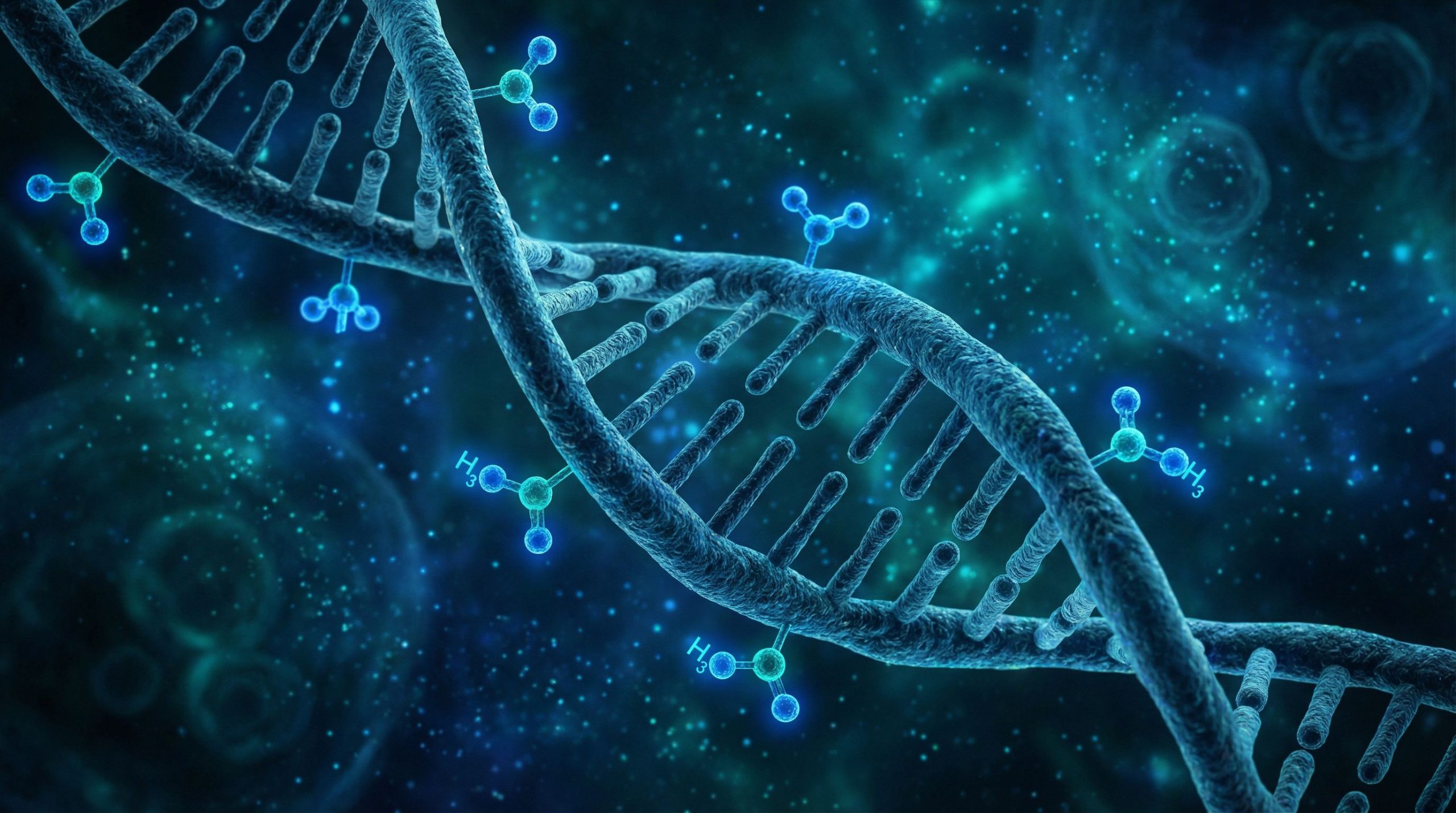
That’s where it gets really strange. The researchers observed a striking difference based on the child’s sex. The sons of these exposed fathers experienced only a slight decrease in body fat. Nothing serious. In contrast, the girls developed increased insulin resistance, which paves the way for type 2 diabetes. It’s as if the message transmitted by the father contained a specific “bug” affecting the female metabolism.
Upon closer examination at the molecular level, scientists observed that certain genes linked to inflammation were going haywire in the girls’ livers. We’re talking about the IKKβ and MCP-1 genes, whose activity skyrocketed. These changes were completely absent in the boys. But how does the father pass this on without altering the DNA? It’s pure epigenetics.
The team used cutting-edge technology—PANDORA-seq sequencing—to analyze small non-coding RNAs in sperm (tsRNAs and rsRNAs, for those in the know). These molecules regulate the early stages of embryonic life. In the exposed fathers, these RNAs were altered. And get this: when they injected these “contaminated” RNAs into stem cells in the lab, it was enough to disrupt crucial genes like IRS1 and GLUT4, which regulate glucose.
Conclusion: Rethinking paternal responsibility

This discovery, reported notably by Earth.com, represents a true paradigm shift. It tells us that the father’s environment can reprogram the embryo even before conception. We knew we had to watch out for tobacco and alcohol; now we may need to keep an eye on our Tupperware, too.
So, what can we do? We’re certainly not going to stop breathing. But limiting exposure to heated plastics, banning single-use containers, or returning to tried-and-true options like stainless steel and glass is already a start. Protecting your own health is good, but safeguarding the metabolism of your future children is a far more powerful motivation.
Microplastics: Why Fathers’ Exposure Puts Their Daughters’ Health at Risk
This content was created with the help of AI.


