

A Game-Changing Comeback
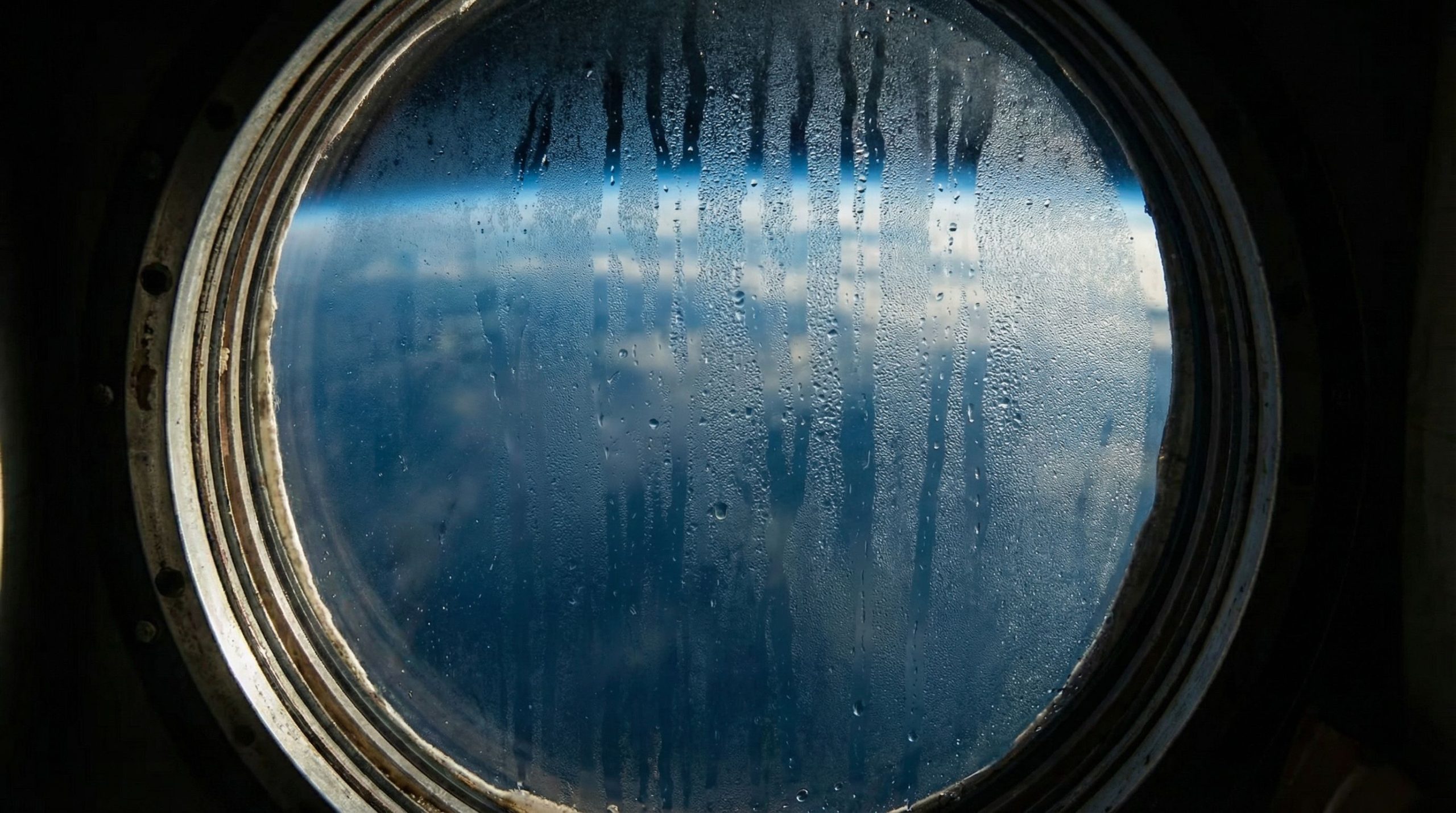
It happened a little earlier than expected. Actually, much earlier. Picture the scene: on January 15, 2026, at exactly 08:41 UTC, SpaceX’s Dragon Endeavour capsule splashed down off the coast of San Diego. Inside? Four astronauts, shaken but safe. The weather was perfect, the splashdown flawless… but the atmosphere must have been unusual.
Why? Because it’s historic—and not necessarily for the reasons we usually hope for. For the very first time in 65 years of U.S. human spaceflight, NASA had to order a medical evacuation from the International Space Station (ISS). That had never happened before—can you believe it?
It all began on January 7, with an “unspecified” health issue affecting one of the crew members. We won’t know who—due to medical confidentiality—but this event has just served as a stark reminder that up there, even the slightest glitch can turn into a monumental logistical headache.
An Exceptional Crew for an Unprecedented Situation
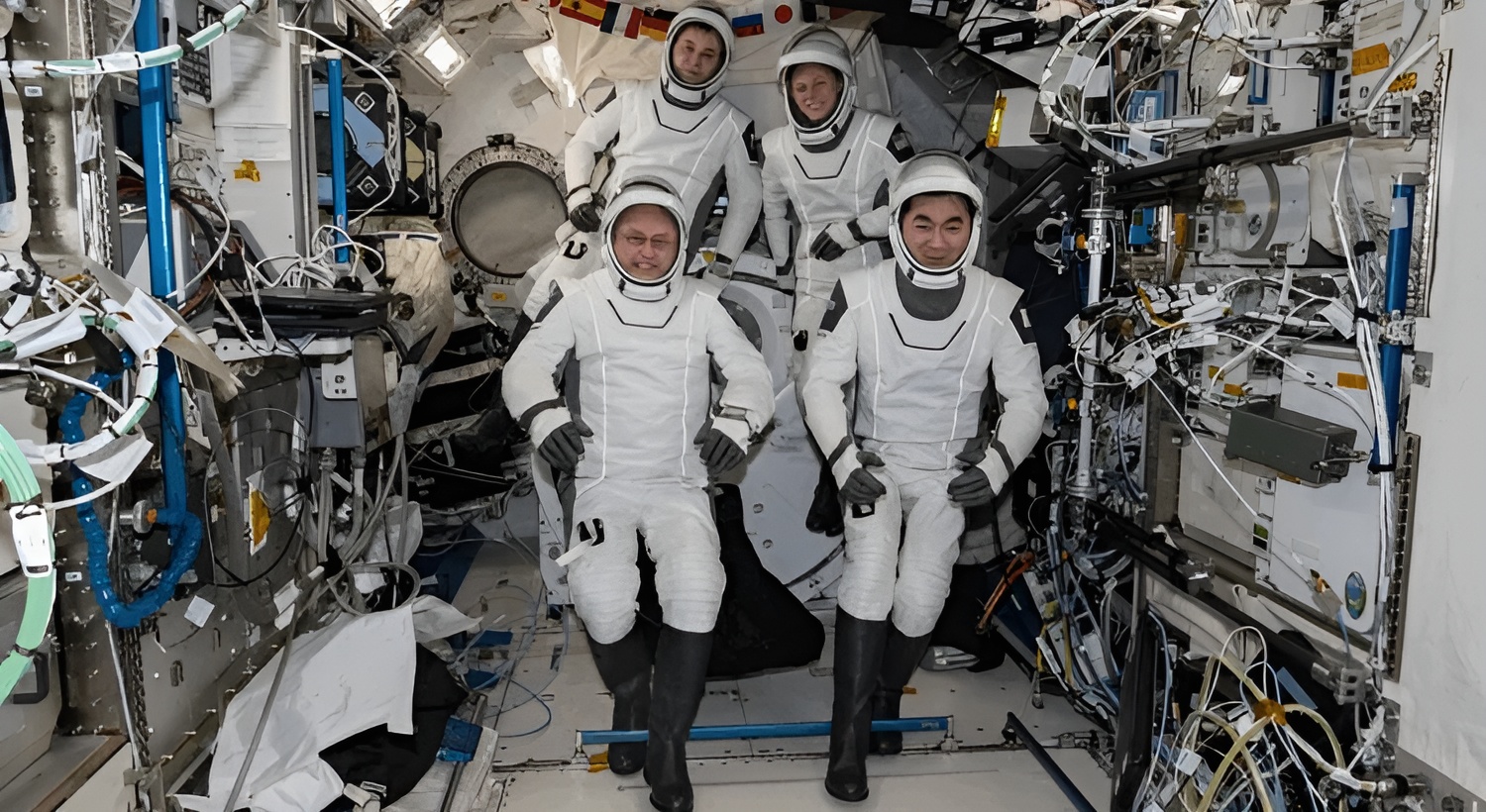
It must be said that the Crew-11 team was made up of some extraordinary individuals. In fact, it may have been their composure that allowed everything to go so smoothly. First, there was Zena Cardman, 38. This was her first mission. A biologist by training, accustomed to extreme environments… she wasn’t even supposed to be there in the first place! She replaced Butch Wilmore due to the endless delays in Boeing’s Starliner program. Just goes to show, fate…
Alongside her were some heavy hitters. Mike Fincke, the pilot. A true veteran at 58, a former test pilot for the U.S. Air Force. The guy has over 380 cumulative days in space and nine spacewalks under his belt. It’s hard to find anyone more experienced to handle a crisis. There was also Kimiya Yui, from JAXA (the Japanese space agency), 55, who was celebrating his 300th day in orbit during this mission. And finally, Oleg Platonov, 39, a former Russian fighter pilot who was on his first flight after years of waiting—precisely for medical reasons.
This whole crew had to pack up a month earlier than planned. It’s a real shame. They were working hard in the Kibo and Columbus modules on fluid dynamics and climate research. Zena and Mike were even supposed to go on a spacewalk to install new solar panels. All of that? Canceled. Amit Kshatriya, the head of human spaceflight, still made a point of praising their “exemplary” handling of the situation. And frankly, given the stress, hats off to them.
Why couldn’t they be treated up there?
That’s the question everyone is asking. Why come back? James Polk, NASA’s chief medical officer, was quite clear: there was “persistent uncertainty regarding the diagnosis.” Basically, they didn’t know exactly what was wrong, and they couldn’t find out by staying up there.
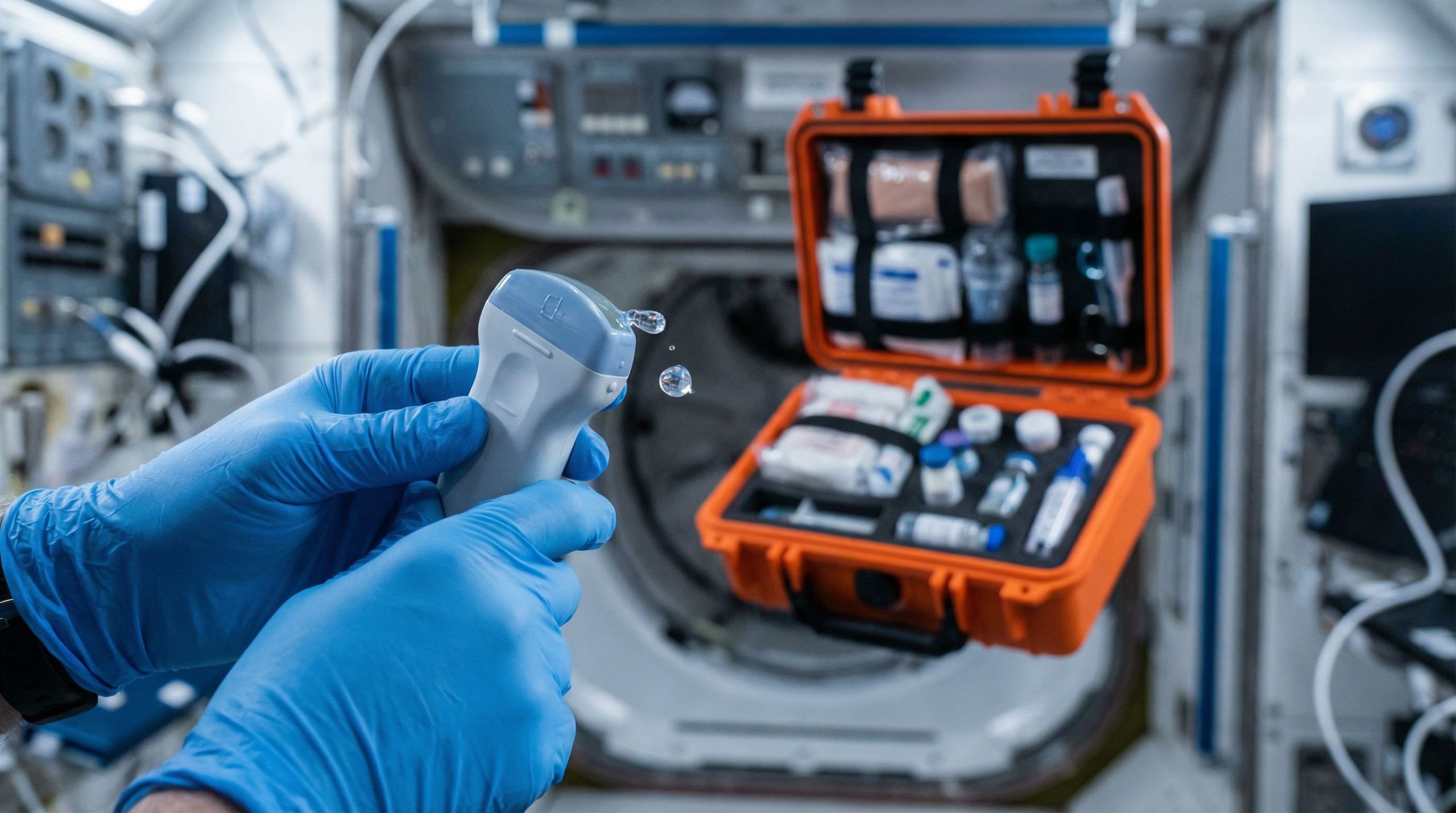
It’s important to understand that medical care aboard the ISS is a bit like camping. They have the essentials, of course: a portable ultrasound machine (the famous Ultrasound 2), an electrocardiogram, generic medications… Zena Cardman had actually used this equipment a few days earlier to check her colleague Chris Williams’ arteries and her own retina. But without a CT scan, an MRI, or a real lab for biological analysis… you quickly run into limitations. It’s frustrating, isn’t it?
It wasn’t an immediate life-threatening emergency, but NASA preferred not to take any risks. Statistics predicted an evacuation every three years, and yet, on the American side, this was the first time. The Russians, on the other hand, had already experienced this in 1985 with Vladimir Vasyutin on Salyut 7, who had contracted a severe infection. It just goes to show that the human body remains the weak link, no matter how advanced the technology.
Conclusion: So what do we do now?
The hasty departure of Crew-11 leaves a huge void in the station. Literally. There are only three people left up there: the new Russian commander Sergey Kud-Sverchkov, his colleague Sergei Mikaev, and the American Chris Williams. With just three people, it’s impossible to conduct spacewalks—it’s too dangerous. They’ll have to make do with keeping things running and monitoring vital systems while they wait for reinforcements.
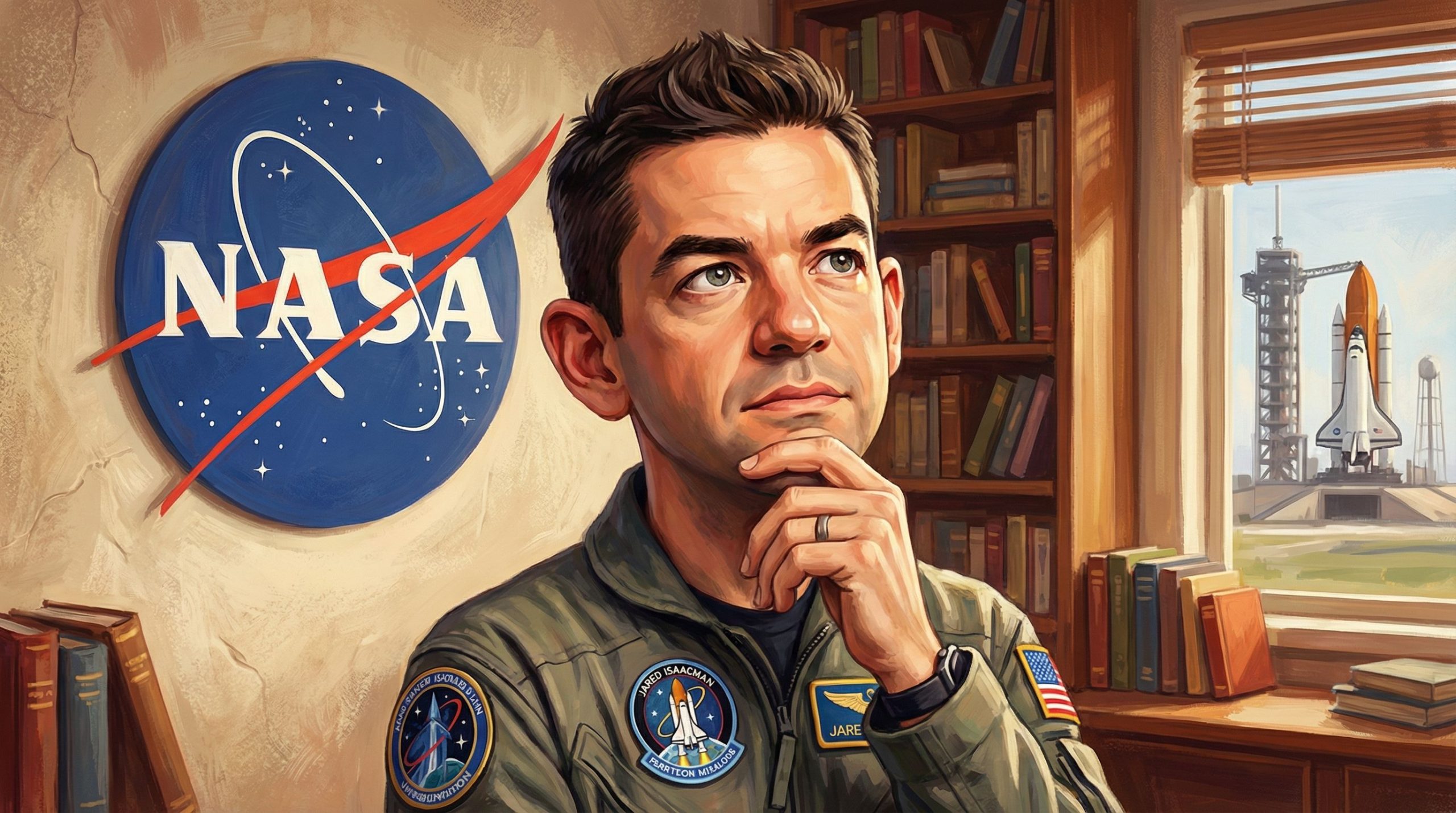
NASA and SpaceX have therefore decided to speed things up and launch Crew-12 as early as mid-February. Jared Isaacman, NASA’s new chief, summed up the situation well: safety comes first. This is his first major test, and he seems determined to make a statement.
Ultimately, this incident may be a blessing in disguise. It’s forcing us to face reality: if we ever want to go to Mars, we’ll need much sturdier medical modules, equipped with robotic surgery and advanced imaging. Because six months into the journey from Earth, we won’t be able to just turn back.
Medical Emergency on the ISS: Why NASA Had to Break with 65 Years of History
This content was created with the help of AI.


