

The Paleontological Anomaly of the Cambrian Explosion
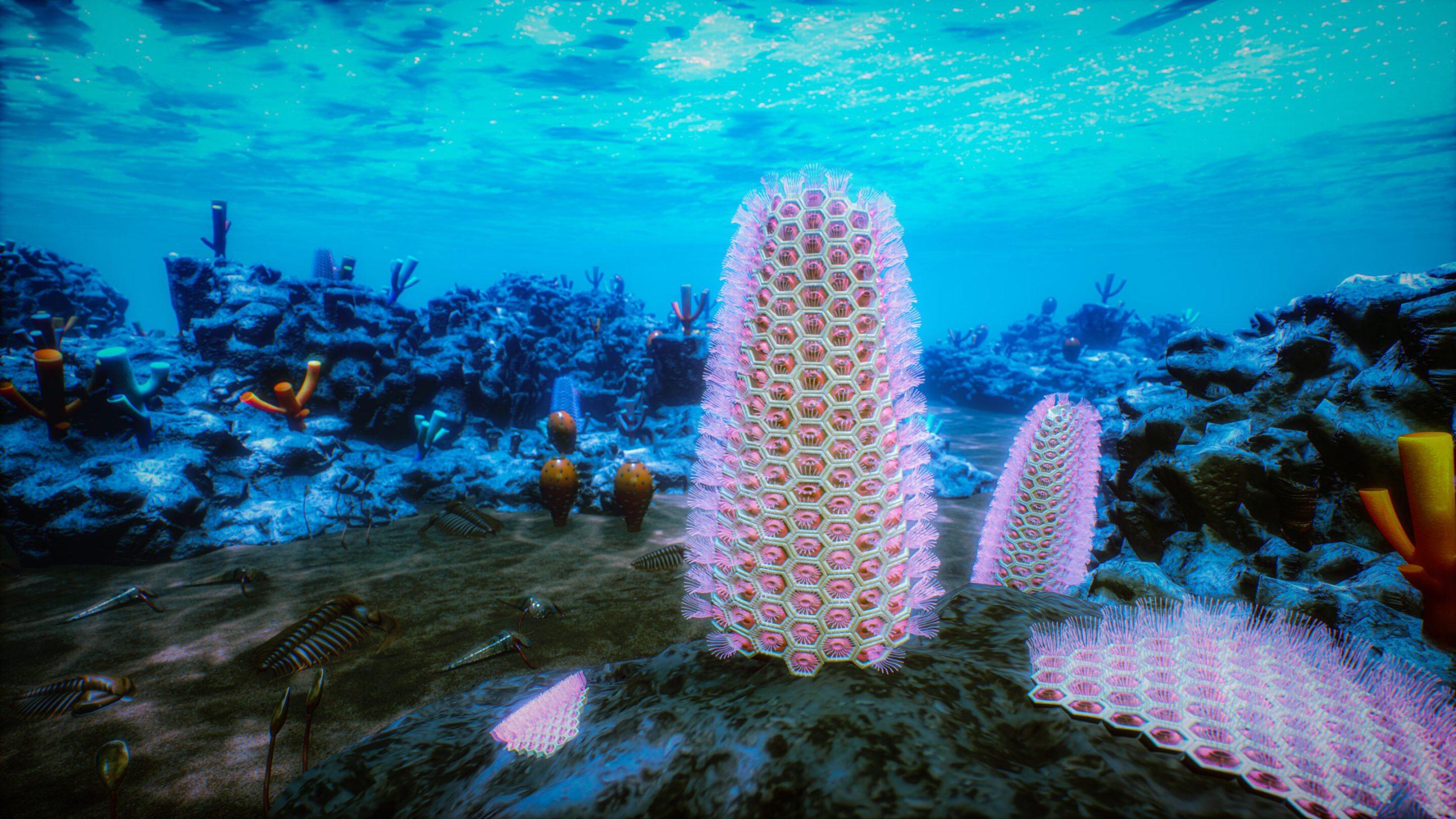
For decades, the fossil record has contained a major gap regarding the emergence of bryozoans. These tiny colonial invertebrates, which feed by filtration and still thrive in today’s oceans, seemed curiously absent from the early stages of complex animal life.
While nearly all major animal groups first appeared during the Cambrian Explosion, about 530 million years ago, the earliest evidence of bryozoans had, until now, only appeared in the Ordovician period—nearly 50 million years later.
Unprecedented three-dimensional anatomical preservation

The research team, composed of scientists from China, Sweden, Australia, and Germany, unearthed these specimens in the Xiannüdong Formation, located in southern Shaanxi Province, China. These fossils date back to the Lower Cambrian period, approximately 520 million years ago.
The Ecological Reasons for a Late Discovery
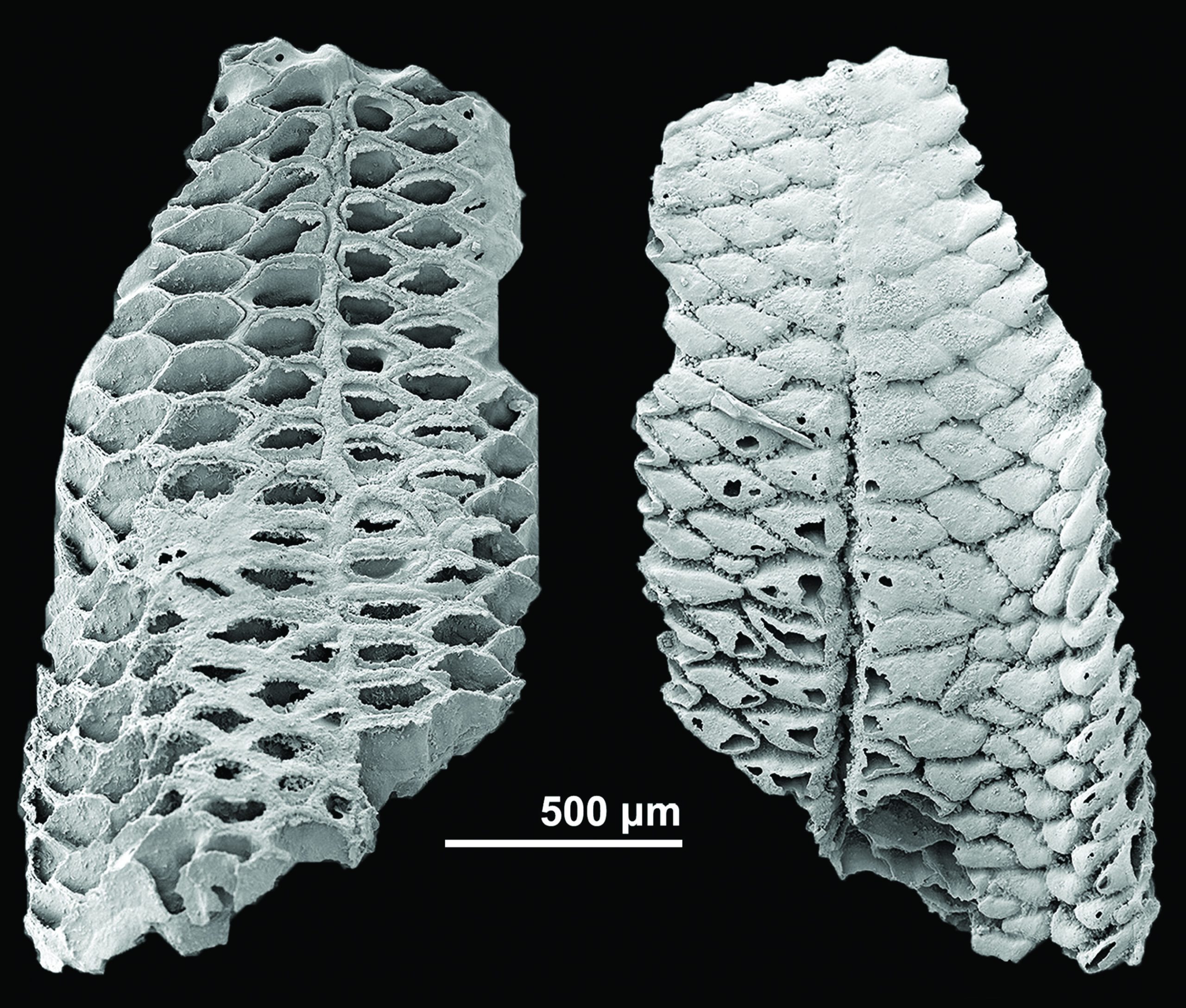
The rarity of these fossils stems from the specific environmental conditions in which these organisms lived. Professor Zhifei Zhang of Northwest University, the study’s corresponding author, sheds light on this preservation phenomenon.
"These specimens are remarkable; to have mineralized soft tissues inside their original skeletal shells, half a billion years later, is simply extraordinary," explains the researcher. “These bryozoans lived in shallow, clear-water reef environments, which may explain why they remained undiscovered for so long; the best-known Cambrian fossil sites for soft-tissue preservation invariably represent deeper-water environments.”
An End to Classification Controversies
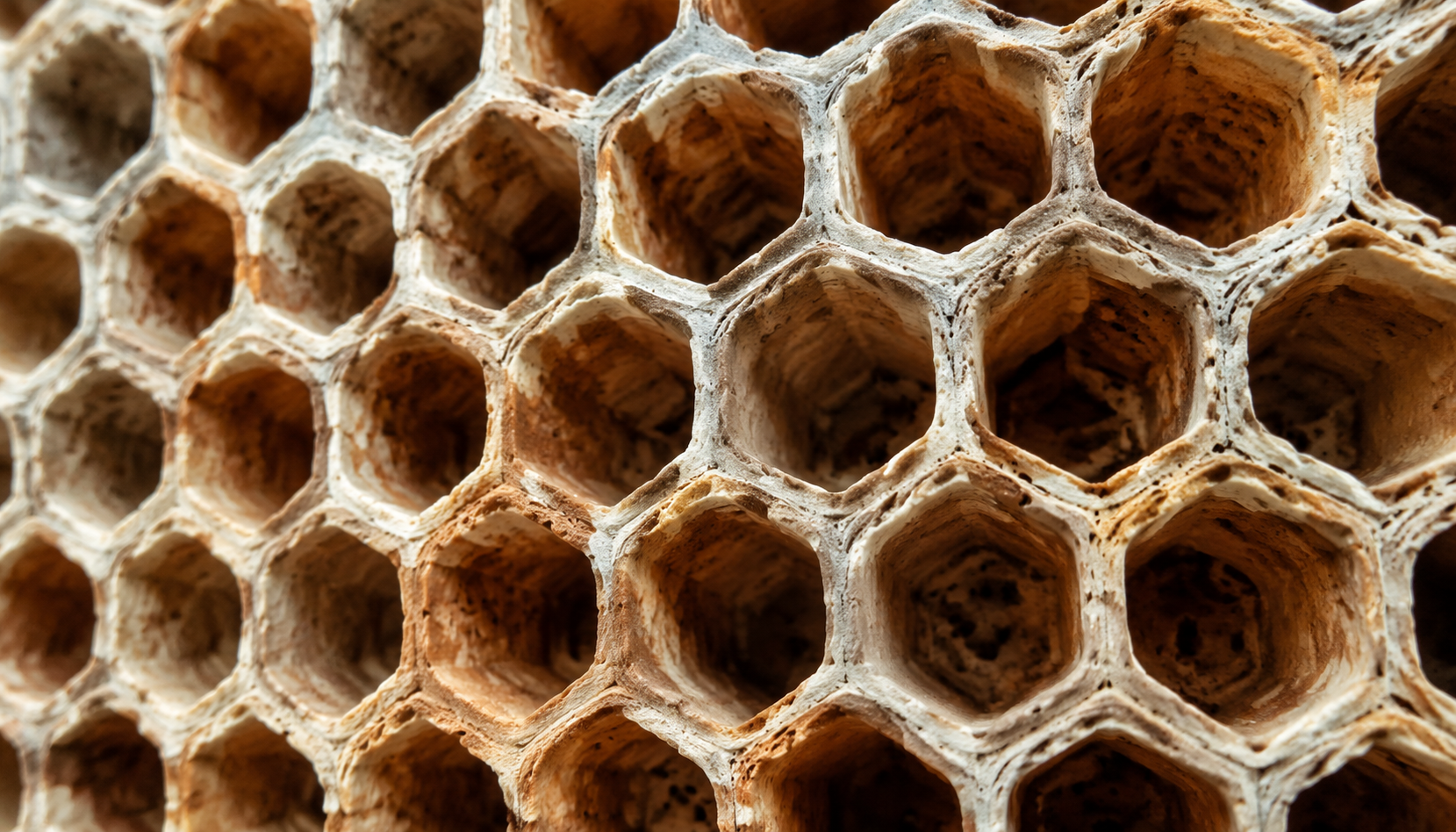
The integration of new data on soft tissues, coupled with detailed comparisons of the size, shape, and internal structure of the colonies, definitively refutes these alternative interpretations. Baopeng Song, the study’s lead author, explains: “These are not mere precursors; they are complex, modular colonies.” The combination of skeletal architecture and internal anatomy provides definitive proof that these are true bryozoans, and that the phylum was already diversifying during the Cambrian explosion.”
A Redefinition of the Phylogenetic Tree
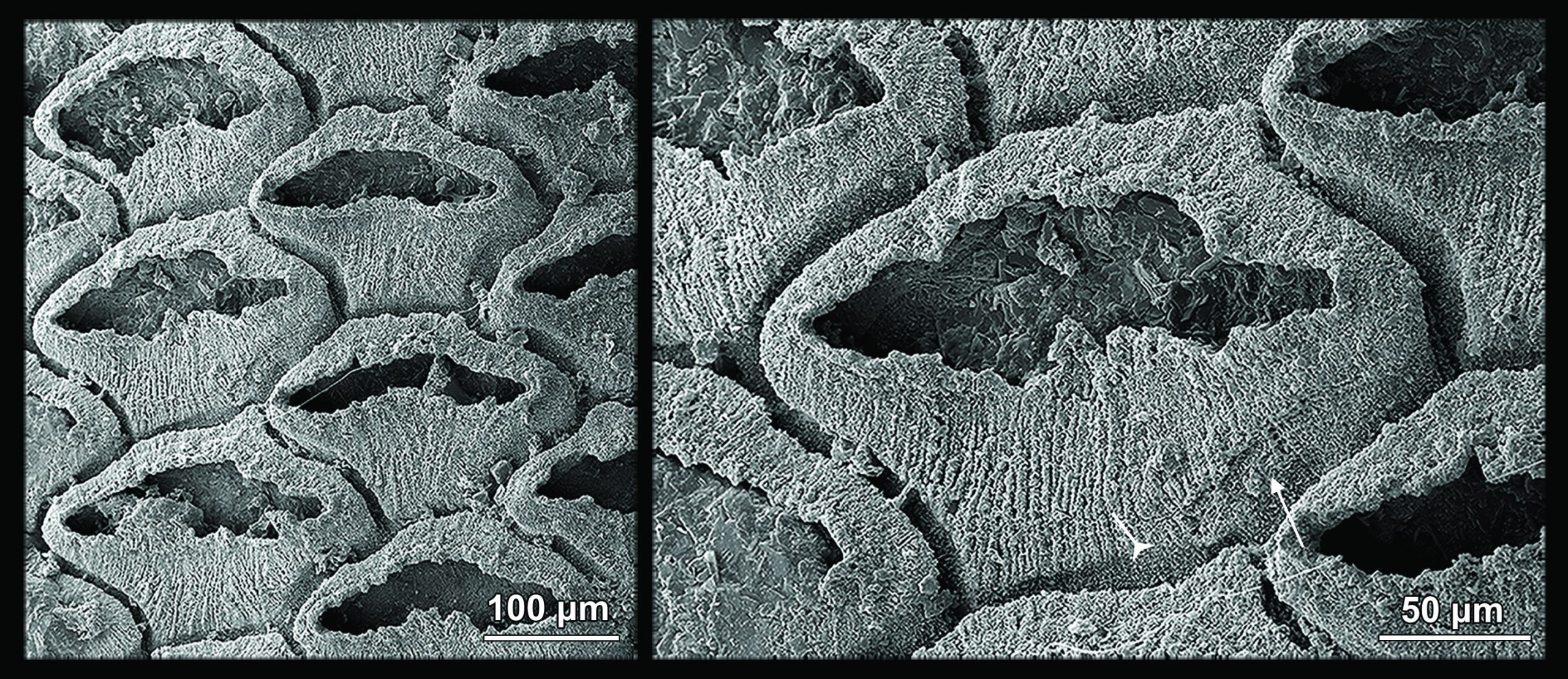
Dr. Timothy Topper, a co-author of the study affiliated with Northwest University and the Swedish Museum of Natural History, summarizes the impact of this discovery: “Bryozoans have long been the elephant in the room of Cambrian paleontology. All other major animal phyla had a Cambrian representative, with the exception of bryozoans. These fossils definitively close that chapter.”
By linking the Chinese taxa to Cambrian material previously discovered in South Australia, the study demonstrates an unexpected geographic distribution and complexity of bryozoans in the early oceans. Details of the publication by Zhifei Zhang (2026) are available via this DOI: 10.1038/s41586-026-10590-9 or directly on the article’s page: www.nature.com/articles/s41586-026-10590-9, from the journal Nature.
According to the source: phys.org
Extraordinary fossils solve a 500-million-year-old mystery: bryozoans were present from the dawn of animal life


