

An Obsession That Shows No Signs of Waning
We all remember the moment the news broke. It was in 2014. A commercial airliner, Flight MH370, literally vanished from radar with 239 people on board. Twelve years later, you’d think the case would be closed, that the ocean had won. Well, no.
It’s pretty incredible when you think about it, but hope is reborn where we least expected it. In January 2026, a new mission is set to shatter the oppressive silence of the Indian Ocean. It’s somewhat of a last-ditch effort—the one the families had given up hope of ever seeing. Armed with technologies that didn’t even exist at the time of the crash, we’re setting out once again on a ghost hunt.
Robots in the Depths: The Technology of Last Resort
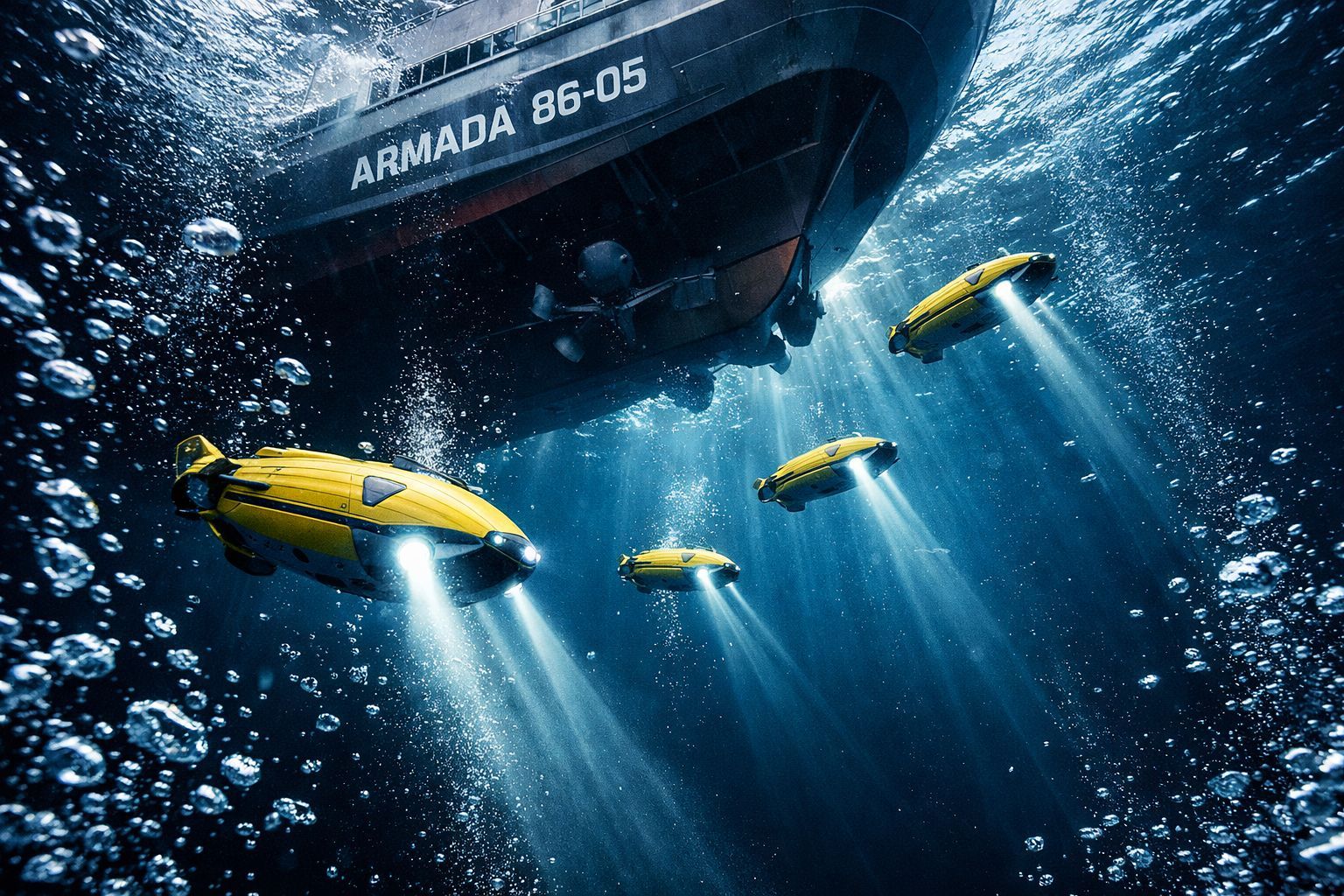
So, what’s different this time? Ocean Infinity is taking on the task, with the Malaysian government’s approval. And they’re not here just to make up the numbers. According to reports we’ve received—notably via IFL Science—everything hinges on the vessel Armada 86-05. It’s not just a ship; it’s a veritable floating base for an army of drones.
The mission officially began on December 30, 2025. The plan? To scan an area of 15,000 square kilometers in 55 days. It’s precise; it’s military-grade. What’s fascinating—and a little crazy, it must be said—is the operation’s business model. It’s “no find, no fee.” Basically: if they don’t find anything, they don’t get a penny. You’ve got to have a lot of confidence in your equipment to sign a contract like that, don’t you think?
Their secret weapon is AUVs—autonomous underwater vehicles. These little marvels can dive to depths of up to 6,000 meters. They set out on missions for about 100 hours, all on their own, like grown-ups, before returning to the surface. They’re packed with sensors: sonar, lasers, optical devices, and magnetometers. The idea is to spot even the slightest suspicious object buried under the mud or hidden behind a rock.
A Look Back at a Mystery: Between a Wild Trajectory and Hostile Terrain
To understand the scale of the task, we need to rewind a bit. The Boeing 777 had taken off from Kuala Lumpur, bound for Beijing, on the night of March 8, 2014. Everything seemed normal until that sudden change in course, just after leaving Malaysian airspace. Then, nothing. Well, actually… satellite “pings.”
These signals suggested that the plane continued southward into the Indian Ocean for hours before, it is believed, crashing due to a lack of fuel. Some debris was indeed found on beaches thousands of kilometers away, but that only deepened the mystery. A 2018 report even suggested deliberate human intervention. Hijacking? Suicide? We’re swimming—no pun intended—in a fog.
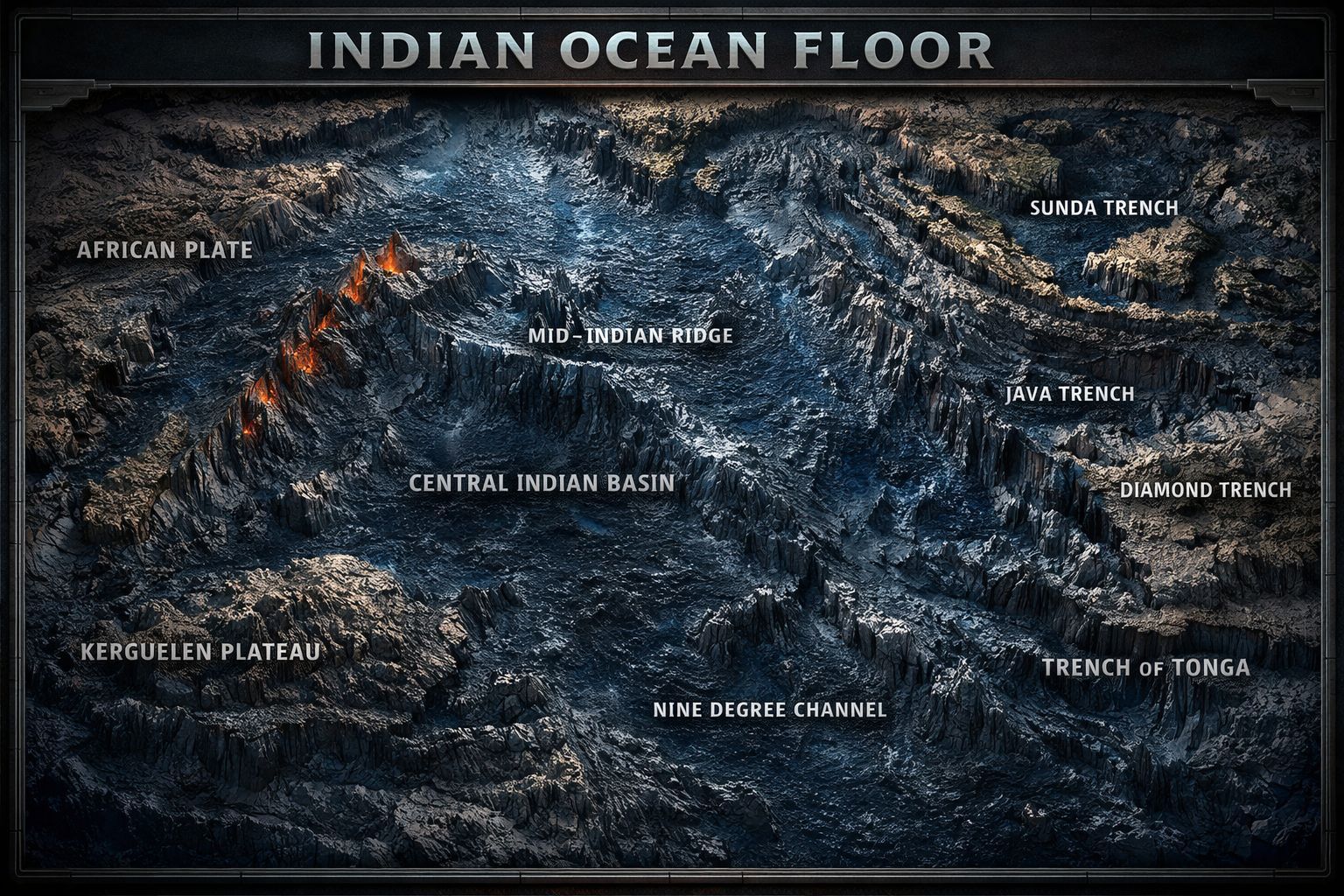
And as if that weren’t complicated enough, the search area is a geological nightmare. The ocean floor there isn’t a flat, tranquil plain. It’s riddled with canyons, volcanic ridges, and deep faults. It’s steep, dark, and vast. But then again, this technology has already proven itself: it was what located the Endurance, Shackleton’s ship, in 2022. If it could find an old wooden ship, maybe it can locate a Boeing 777.
Conclusion: Hope for an Answer

In the end, this isn’t just a matter of technical prowess. It’s a human story—a tragically human one. If these robots, with their lasers and sonar, manage to locate the wreckage, it will be more than a scientific victory.
It will be, perhaps, the beginning of true healing for the families who have been waiting for more than a decade. Knowing the truth is the only thing that matters now. Let’s hope that this time, the ocean agrees to give back what it took.
MH370: After 12 years of silence, this new technology could finally change everything
This content was created with the help of AI.


