Skip to content

A Bountiful Selection on the Shelves
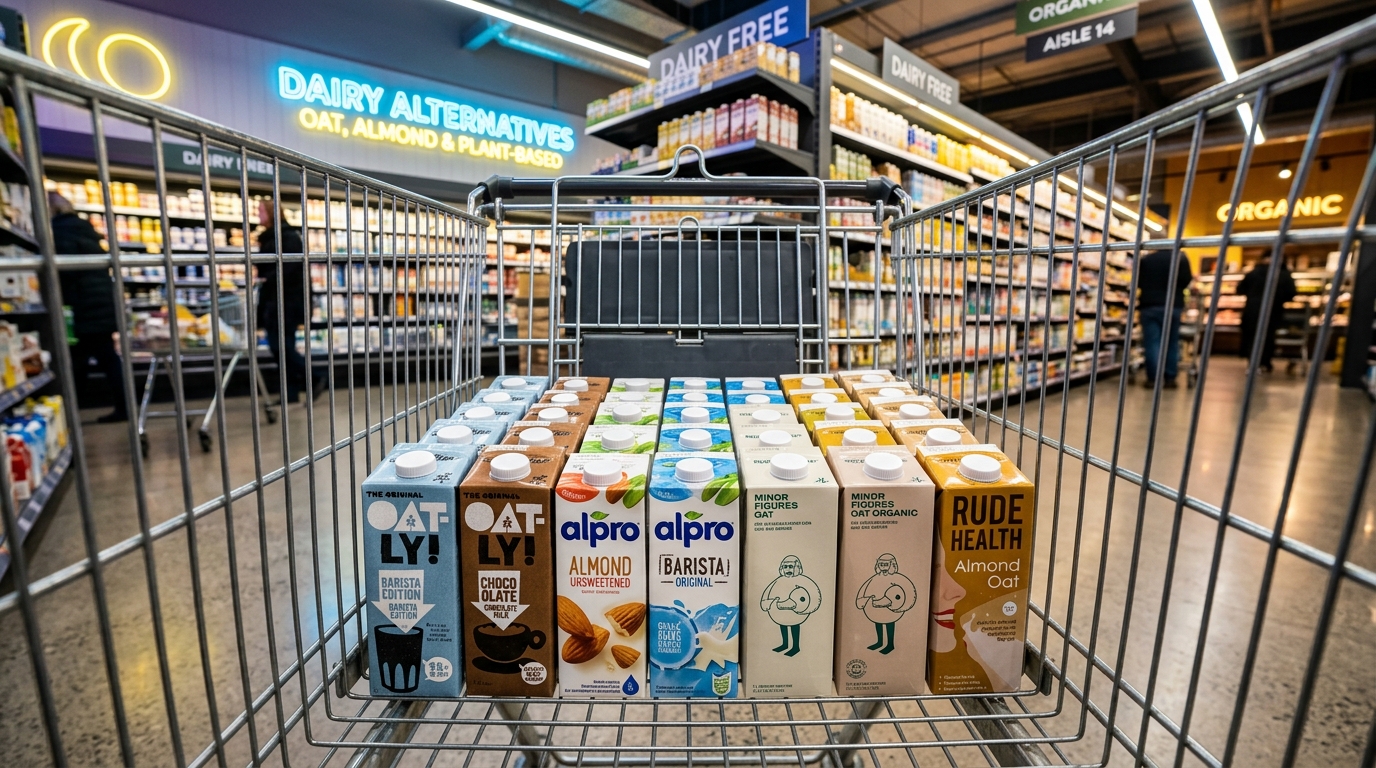
Supermarket aisles are seeing a proliferation of plant-based beverage options, attracting a growing number of consumers. This trend stems from a variety of motivations, ranging from managing lactose intolerance to personal ethical convictions.

In response to this diverse demand, the market is experiencing spectacular growth. Brands are competing to come up with creative ways to offer liquid alternatives designed to replace traditional dairy products in daily routines.

However, behind this abundance of choices, nutritional quality varies considerably from one product to another. Not all of these alternatives have the same nutritional profiles, and some contain formulations that are far less beneficial to the body than they appear to be.

The Reality of Additives and Added Sugars
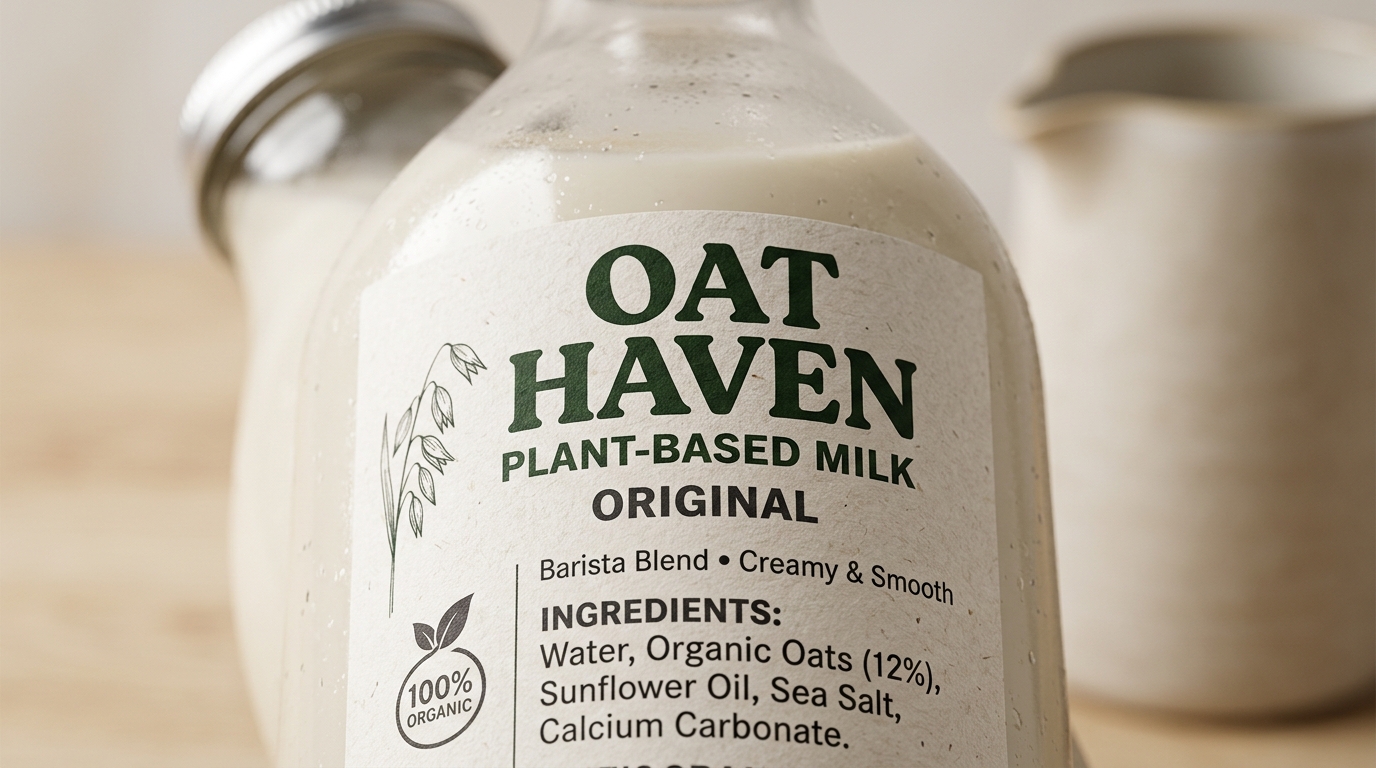
To replicate the creamy texture characteristic of animal milk, the food industry regularly incorporates additional ingredients into its recipes. A close reading of ingredient lists often reveals the presence of refined vegetable oils, thickening agents such as xanthan gum, or added white sugar.

The inclusion of these additives is not without consequences for metabolism. These substances can disrupt the balance of the gut microbiota while significantly increasing the caloric content of the final beverage.

Given these complex formulations, vigilance remains essential when making a purchase. It is crucial to examine the complete list of ingredients and to prioritize products explicitly labeled “no added sugars” in order to opt for a more natural composition.

The Metabolic Effects of Cereal-Based Beverages

Oat milk and rice milk enjoy a very positive image and are perceived as healthy options by a large portion of the public. However, this reputation warrants a detailed analysis of the industrial manufacturing process.

During the production of these beverages, the starch naturally present in the grains undergoes a physical transformation. This process converts complex carbohydrates into simple sugars, making them highly digestible by the digestive system.

This structural change has a direct effect on the body. Drinking a large glass of oat milk in the morning is equivalent to drinking sugary water, causing a sharp spike in blood sugar levels. This blood sugar response is not recommended if you’re trying to maintain a steady energy level until lunchtime.

The Nutritional Profile of Almonds and Oilseeds

For those looking for a light beverage, unsweetened almond milk offers interesting nutritional benefits. Made from nuts, this beverage naturally contains almost no carbohydrates, which helps maintain stable blood insulin levels. The same principle applies to hazelnut milk and soy milk.

These products are particularly well-suited for use in smoothies. They can also be used to dilute your morning coffee without affecting your blood sugar levels, ensuring a steady release of energy throughout the day.

However, careful selection is essential to ensure the quality of the beverage. It is advisable to choose a version with no added sugars and to carefully check the actual percentage of almonds or nuts included in the recipe, which should exceed 3%.

The Protein-Rich Alternative to Soy Milk

From a macronutrient perspective, soy milk stands out as the plant-based alternative closest to traditional cow’s milk. It is distinguished by a particularly high content of complete plant proteins.

These nutrients play an essential role in maintaining the muscles of the human body. Beyond its nutritional profile, this beverage offers a naturally creamy texture that’s perfect for cooking, particularly when preparing savory porridges.

To maximize the benefits of consuming soy milk, special attention should be paid to the origin of the raw materials. Choosing a beverage produced by a local organic supplier is the surest way to guarantee that the product is completely free of GMOs.

The Incorporation of Coconut and Hazelnut

Store shelves now feature new options that diversify the overall selection. Coconut- or hazelnut-based beverages add an undeniably indulgent touch to recipes, thanks to their extremely distinctive flavors.

Coconut milk stands out due to the presence of specific fatty acids. What makes these fats unique is that the body uses them directly as an immediate source of energy.

Hazelnut-based beverages, on the other hand, are notable for their high antioxidant content, though they are often higher in calories than their alternatives. Given these specific metabolic profiles, these options should be consumed in moderation and enjoyed primarily for their taste.

The Art of Choosing the Right Formula

Determining the most appropriate plant-based beverage requires an analysis of your specific needs. This choice should always be based on your personal health goals as well as your gut sensitivity.

Individuals who are watching their weight and energy levels would be wise to avoid grain-based beverages. In this case, opting for unsweetened nut-based or soy-based drinks is the best approach for your metabolism.

Taking the time to read labels carefully is essential. This thorough check remains the best way to ensure you’re consuming a pure, unprocessed product that truly supports your overall metabolic balance.

Source: passeportsante.net

Oats, almonds, or soy: what plant-based beverages really contain

This content was created with the help of AI.

facebook icon twitter icon linkedin icon
Copied!

Commentaires

0 0 votes
Article Rating
Subscribe
Notify of
guest
0 Comments
Newest
Oldest Most Voted
Inline Feedbacks
View all comments
More Content