

A Strict Extension of Wildlife Containment Measures
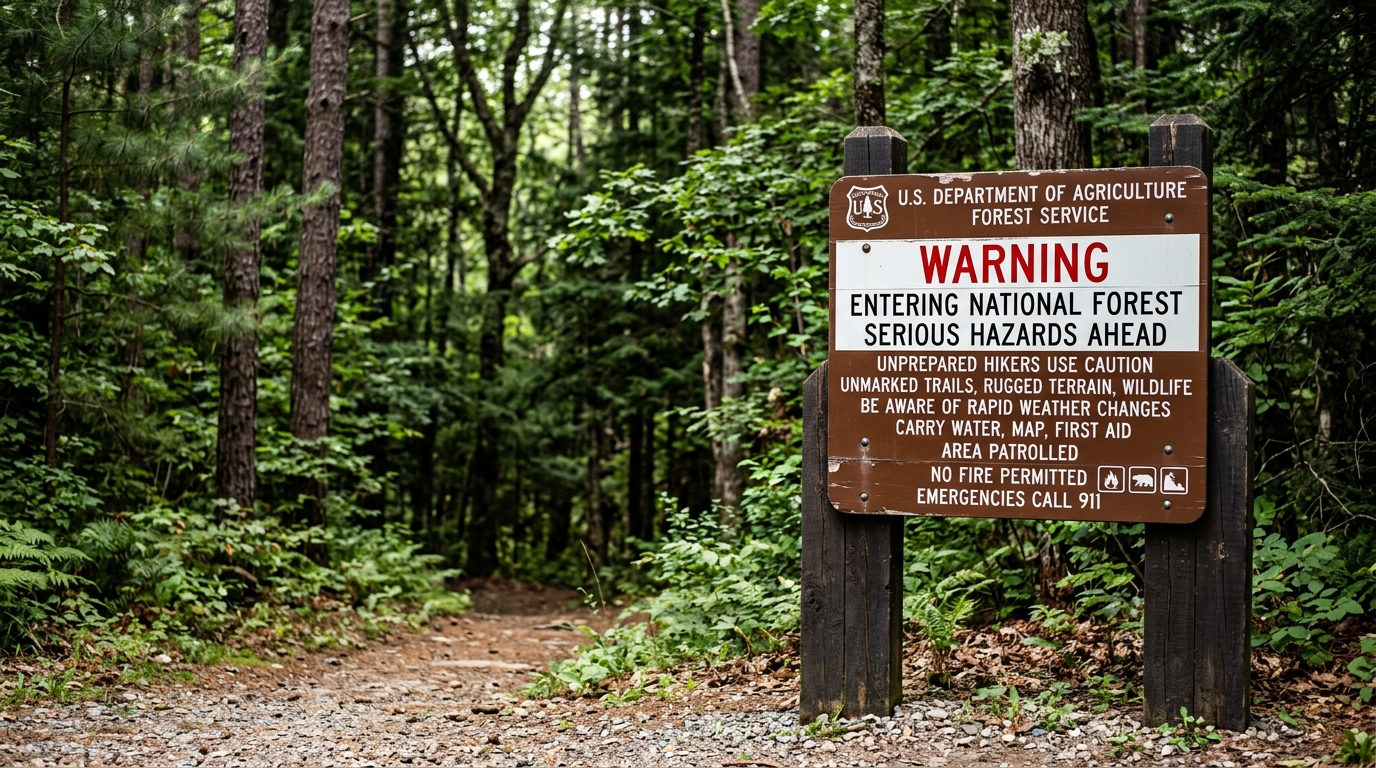
Provincial authorities are maintaining this travel restriction through August 6, inclusive. The primary objective of this preventive measure is to minimize the artificial movement of wildlife as much as possible in order to contain the spread of the virus in Quebec’s natural habitats.
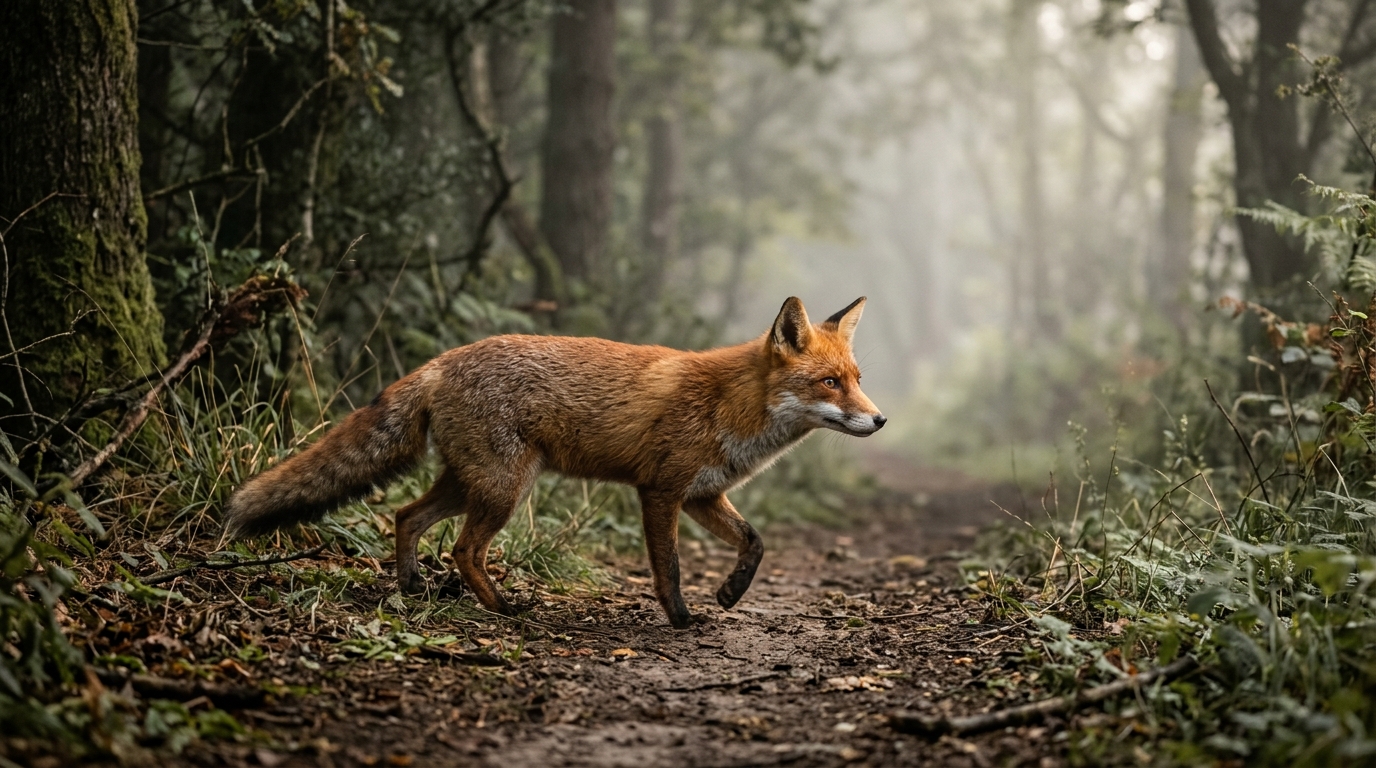
The specific species covered by this regulation
Nineteen new municipalities placed under close surveillance
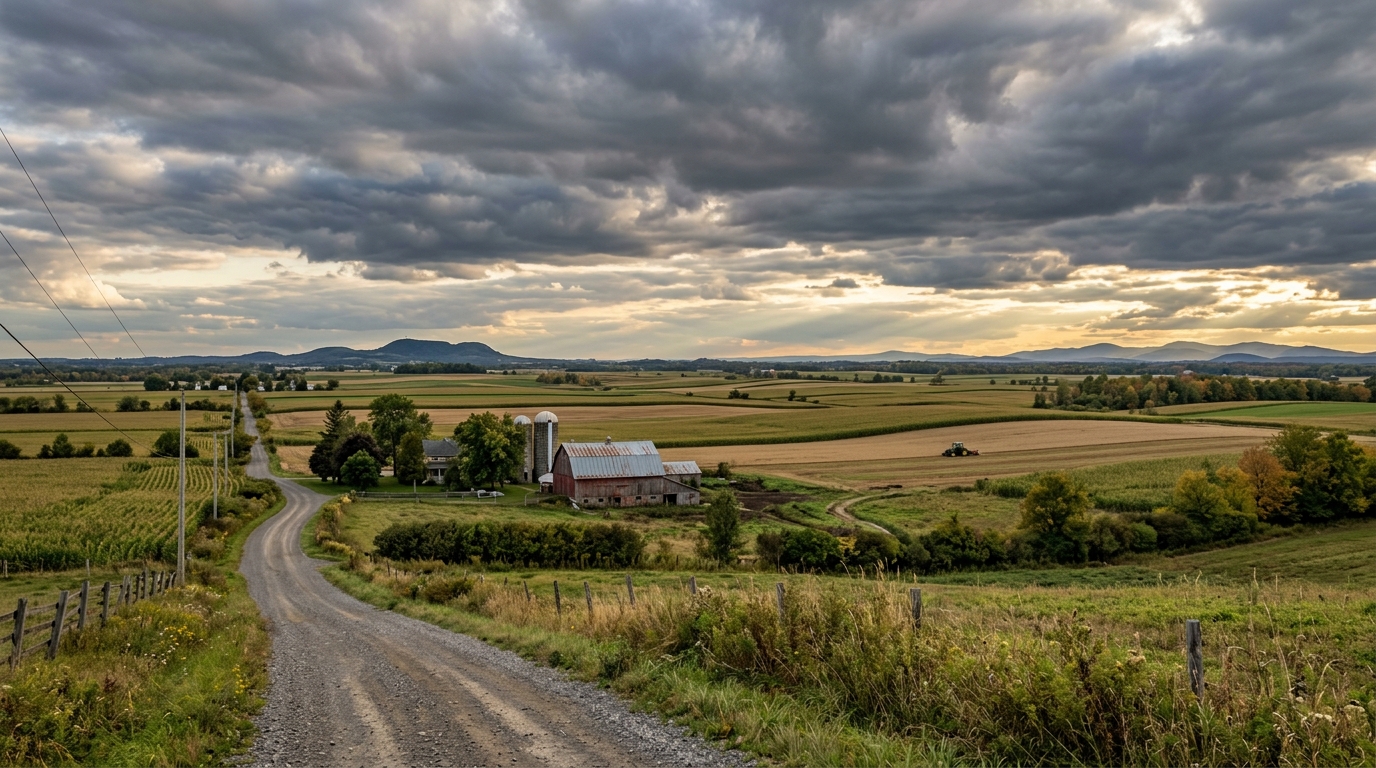
Starting this Sunday, the area subject to these travel restrictions will expand significantly. Nineteen additional municipalities, all located in the Montérégie region, are now considered high-risk by authorities and are subject to this ban.
The complete list of newly affected areas includes Beauharnois, Boucherville, Calixa-Lavallée, Contrecœur, Ormstown, Saint-Amable, Saint-Antoine-sur-Richelieu, Saint-Bernard-de-Michaudville, and Saint-Denis-sur-Richelieu. Also included are the territories of Saint-Étienne-de-Beauharnois, Saint-Hugues, Saint-Jude, Saint-Louis, Saint-Louis-de-Gonzague, Saint-Marcel-de-Richelieu, Saint-Marc-sur-Richelieu, Saint-Nazaire-d’Acton, Varennes, and Verchères.
The Invisible Danger of Asymptomatic Carrier Animals
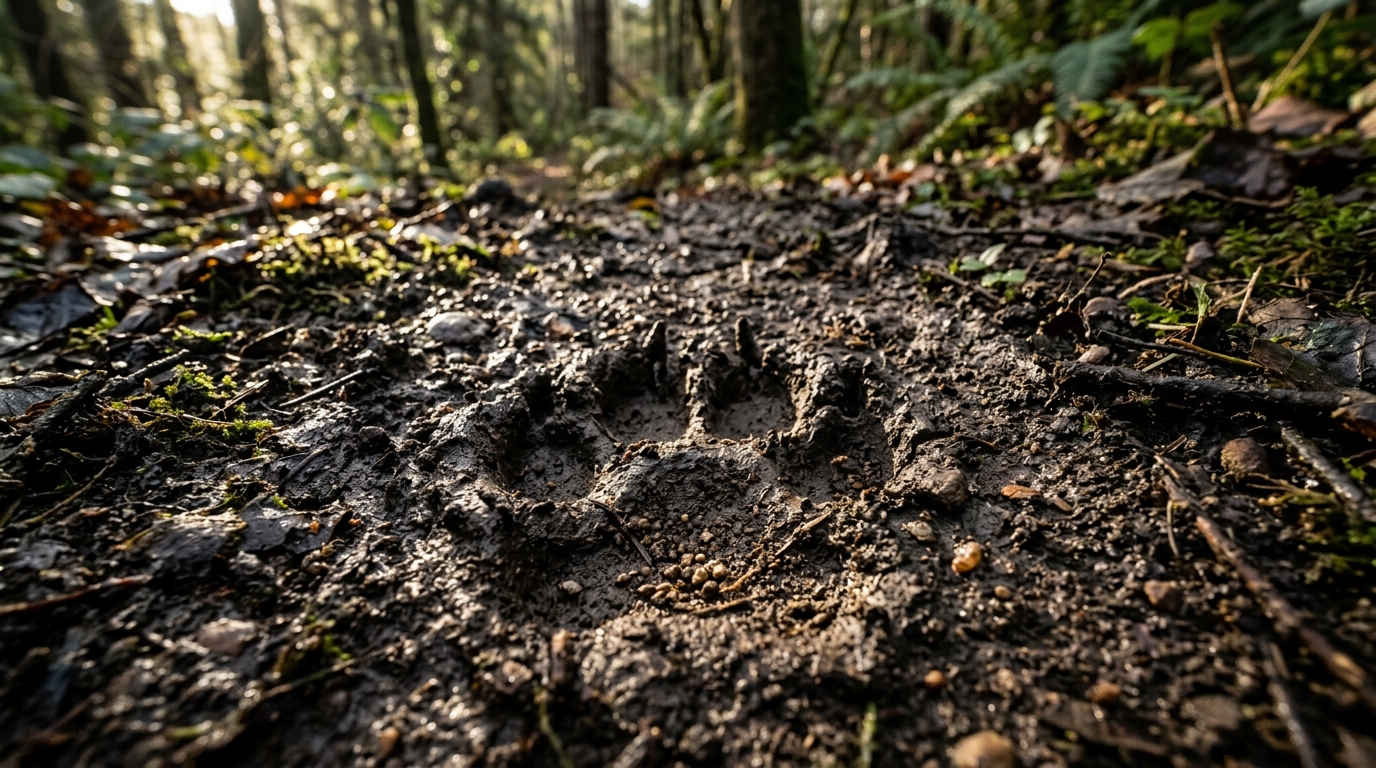
The ministry emphasizes the major risks associated with individual efforts to rescue wildlife. Moving a wild animal—whether it is perceived as a nuisance, is injured, or appears to be orphaned—can directly contribute to the spread of rabies in areas currently free of the disease.
The nature of this disease makes it particularly difficult to detect with the naked eye. An animal that appears perfectly healthy may be a carrier of the rabies virus and transmit it. Clinical signs of the disease can take several weeks, or even several months, to develop after the animal’s initial infection.
How to contribute to the collective reporting effort
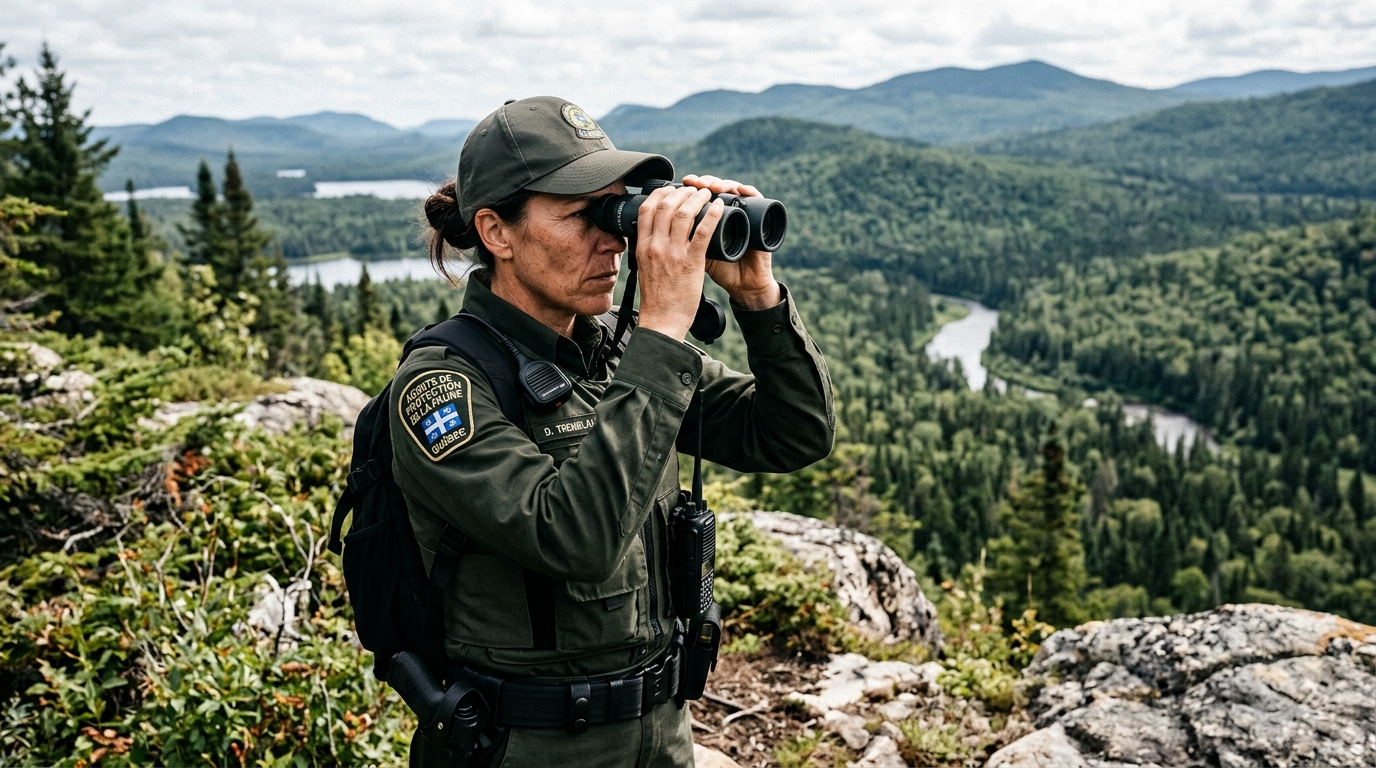
Although the region is officially considered to be under surveillance, residents of the Centre-du-Québec region are called upon to actively participate in the collective effort. Citizens are encouraged to be extra vigilant by paying attention to any unusual behavior among local wildlife.
Source: monvicto.com
Rabies in Wildlife: Why Quebec Is Suddenly Stepping Up Its Prevention Measures
This content was created with the help of AI.


