

Pesticides and Persistent Pollutants: What the 2026 Analyses of Fruits and Vegetables Reveal


The Twelve Most Contaminated Items on Store Shelves
The 2026 edition of the “Shopper’s Guide to Pesticides in Produce,” published this Tuesday by the Environmental Working Group (EWG), provides a detailed overview of fresh produce markets. This health advocacy organization, which has been publishing this annual report since 2004, relied on data from the U.S. Department of Agriculture (USDA). Analysts pored over recent pesticide residue tests conducted on 54,344 samples covering 47 varieties of fruits and vegetables.
The “Dirty Dozen” ranking—which lists the twelve most contaminated produce items according to these government tests—places leafy greens at the top of the list. Spinach tops the list, with a higher concentration of pesticide residues relative to its weight than any other type of crop. According to EWG experts, an average sample of spinach contains at least four distinct types of pesticides. This year’s “Dirty Dozen” list also includes perennial children’s favorites such as strawberries and grapes, followed by nectarines, peaches, cherries, apples, blackberries, pears, potatoes, and blueberries.
The USDA’s methodology closely mimics household practices: before each analysis, the fruit or vegetable is peeled or brushed, then thoroughly washed. Despite these precautions, the tests revealed traces of 264 different pesticides, 203 of which were specifically detected on the “Dirty Dozen” produce. With the exception of potatoes, which averaged two pesticides per sample, all other produce items averaged four or more substances. Experts emphasize that this exposure to chemical mixtures is cause for concern, as toxins can accumulate and increase health risks.
The Lingering Shadow of Per- and Polyfluoroalkyl Substances (PFAS)
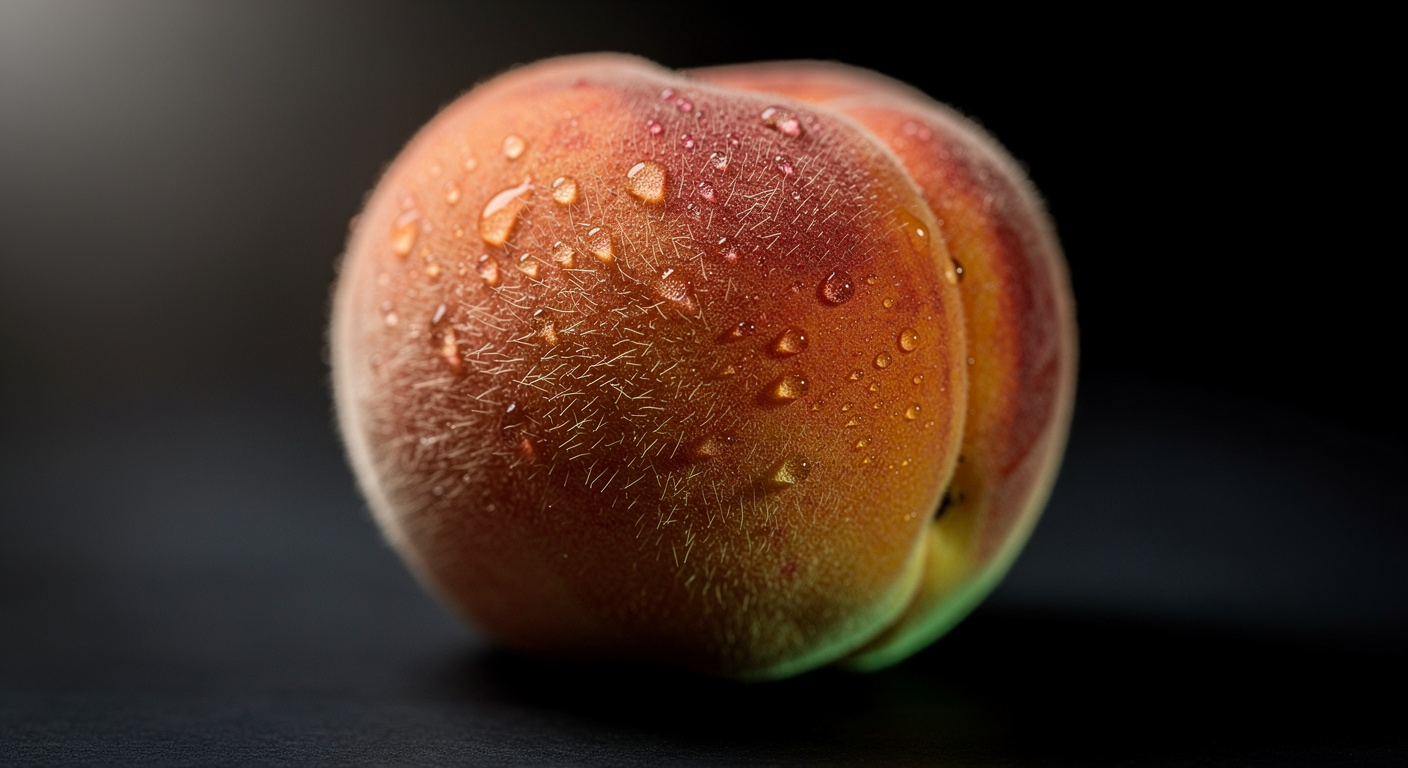
A new finding stands out in this year’s report: for the first time, analyses show that more than 60% of the “Dirty Dozen” samples contain pesticides that are also “forever chemicals,” known as PFAS. More specifically, perfluoroalkyl and polyfluoroalkyl substances rank among the three most frequently detected pesticides on agricultural products. These chemical compounds derive their nickname from the nature of their molecular bonds, which take years, decades, or even centuries to break down completely in the environment.
Bernadette Del Chiaro, senior vice president of EWG’s California operations, recently addressed this issue in an interview with CNN. “The PFAS pesticide is the active ingredient in these products because it’s effective at killing things—which is precisely why it’s such a concern for public health and the environment as a whole,” she said. The U.S. Environmental Protection Agency (EPA) has documented a link between several chemicals in the PFAS family and a range of health conditions, including cancer, obesity, thyroid disease, high cholesterol, reduced fertility, liver damage, hormonal disruptions, and immune system impairment. The EPA notes that some of these compounds can cause harm at extremely low levels—as little as one billionth of a gram.
The EWG representative highlights the widespread nature of agricultural contamination and the impossibility of targeting the chemical’s effects. “Unfortunately, there is no way to contain the damage,” explained Bernadette Del Chiaro. “We can’t just target mold spores or insects on a peach without potentially harming the young child who eats that peach. The fact that we intentionally spray persistent chemicals on the fruits and vegetables we buy at the grocery store is truly eye-opening.”
Health Impacts and Vulnerability Starting in the Fetal Stage
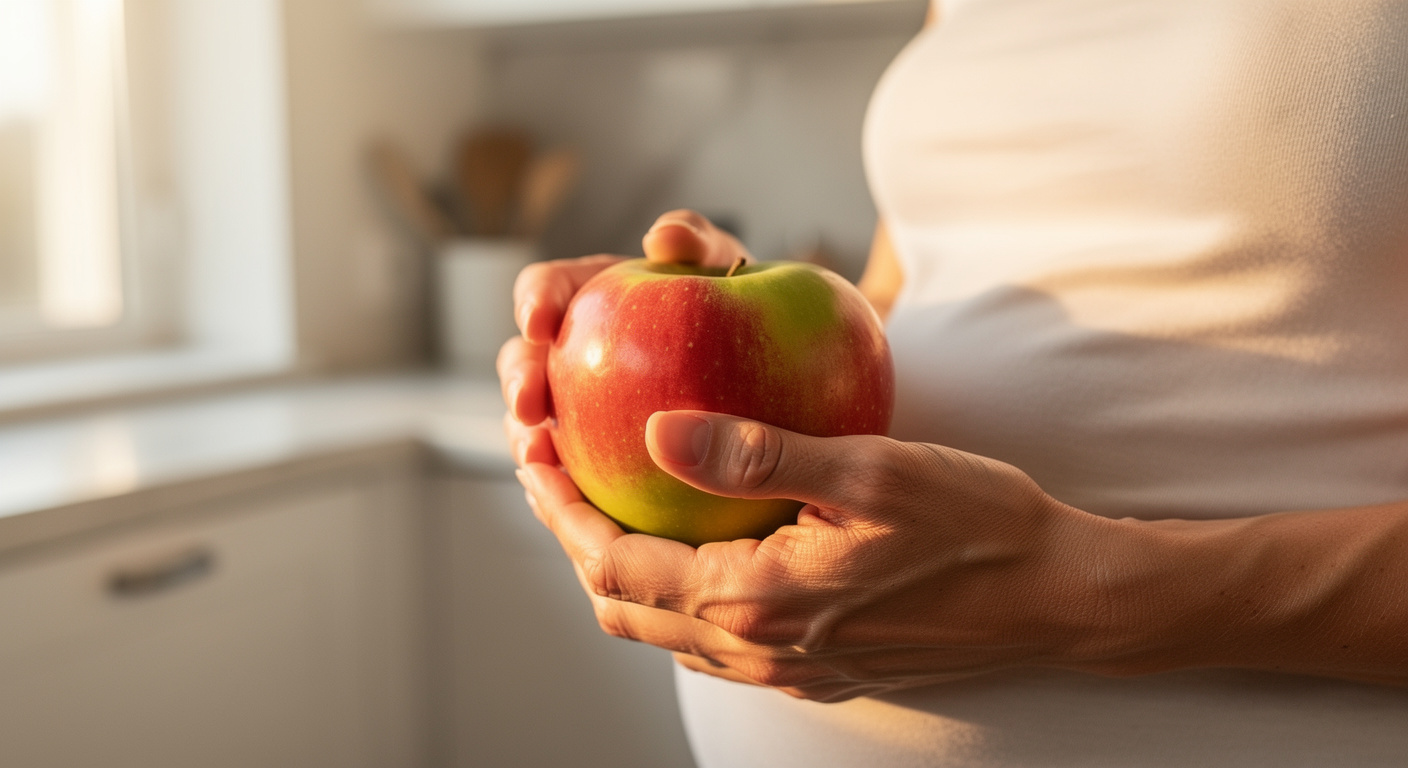
The consequences of such exposure extend beyond the prenatal period and can hinder later development. The American Academy of Pediatrics thus emphasizes in its official conclusions: “Exposure during childhood has been linked to attention and learning problems, as well as to cancer.”
The Agricultural Industry’s Strong Responses
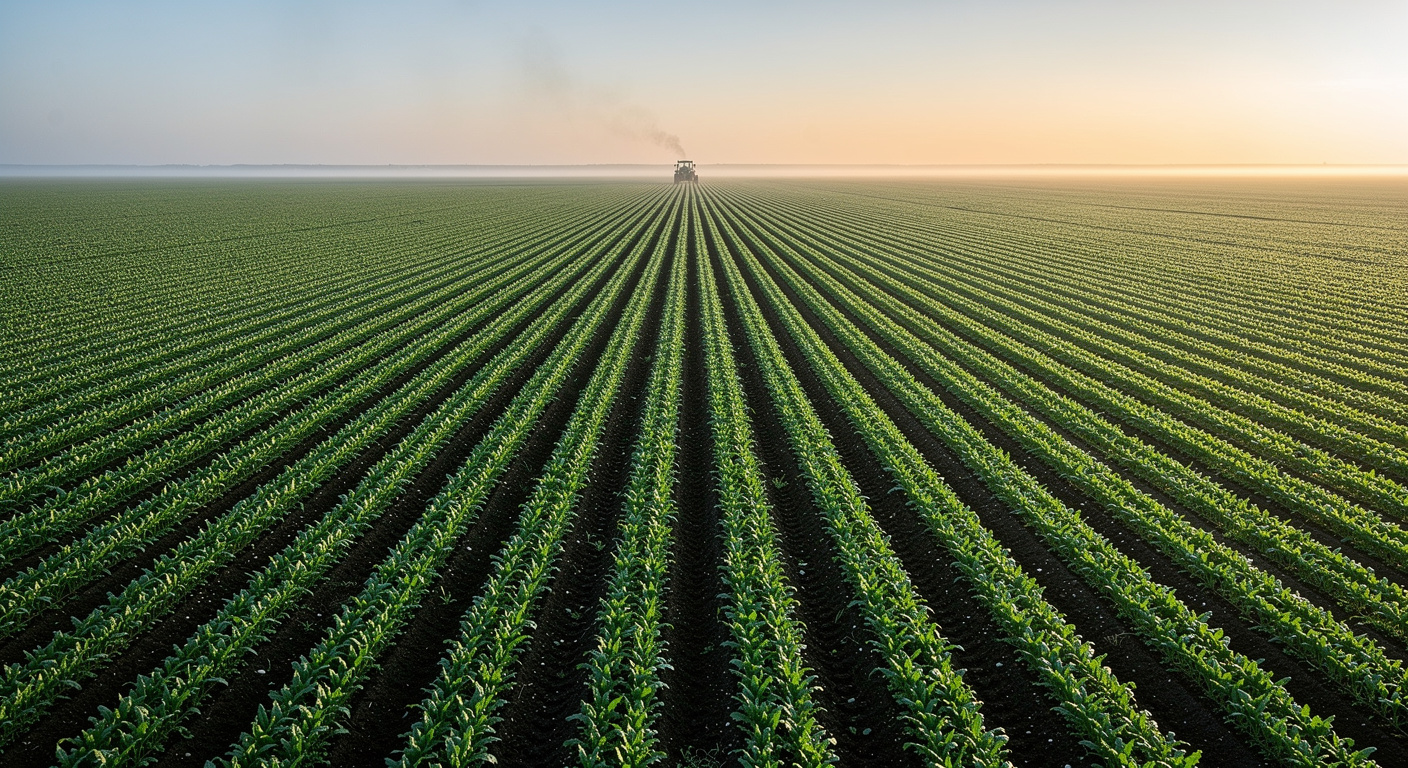
In response to the publication of this annual ranking, representatives of the agricultural sector are voicing a dissenting opinion. The Alliance for Food and Farming (AFF), an organization representing both conventional and organic producers, maintains its long-standing critical stance toward the EWG report. Citing previous reports from the USDA and the U.S. Food and Drug Administration (FDA), the alliance strongly defends the industry’s practices.
An AFF spokesperson issued a statement noting that when farmers use pesticides, they adhere to strict laws and regulations to provide healthy and safe fruits and vegetables to American families, including their own. “The mere presence of a residue does not automatically mean that something is dangerous. The EPA sets limits on pesticide residues that already include enormous safety margins to protect infants and children,” the spokesperson said.
This sentiment is echoed by CropLife America, an organization that advocates for the interests of the pesticide industry. A spokesperson for the organization responded via email to CNN, stating that the EWG’s work is an “annual scare campaign that fosters mistrust of our food system and the tools farmers use to protect their crops from weeds, pests, and diseases.” He went on to add: “The facts are that more than 99% of the fruits and vegetables tested fall well below the Environmental Protection Agency’s safety reference limits.”
The “Clean Fifteen” List and the Value of Fresh Produce
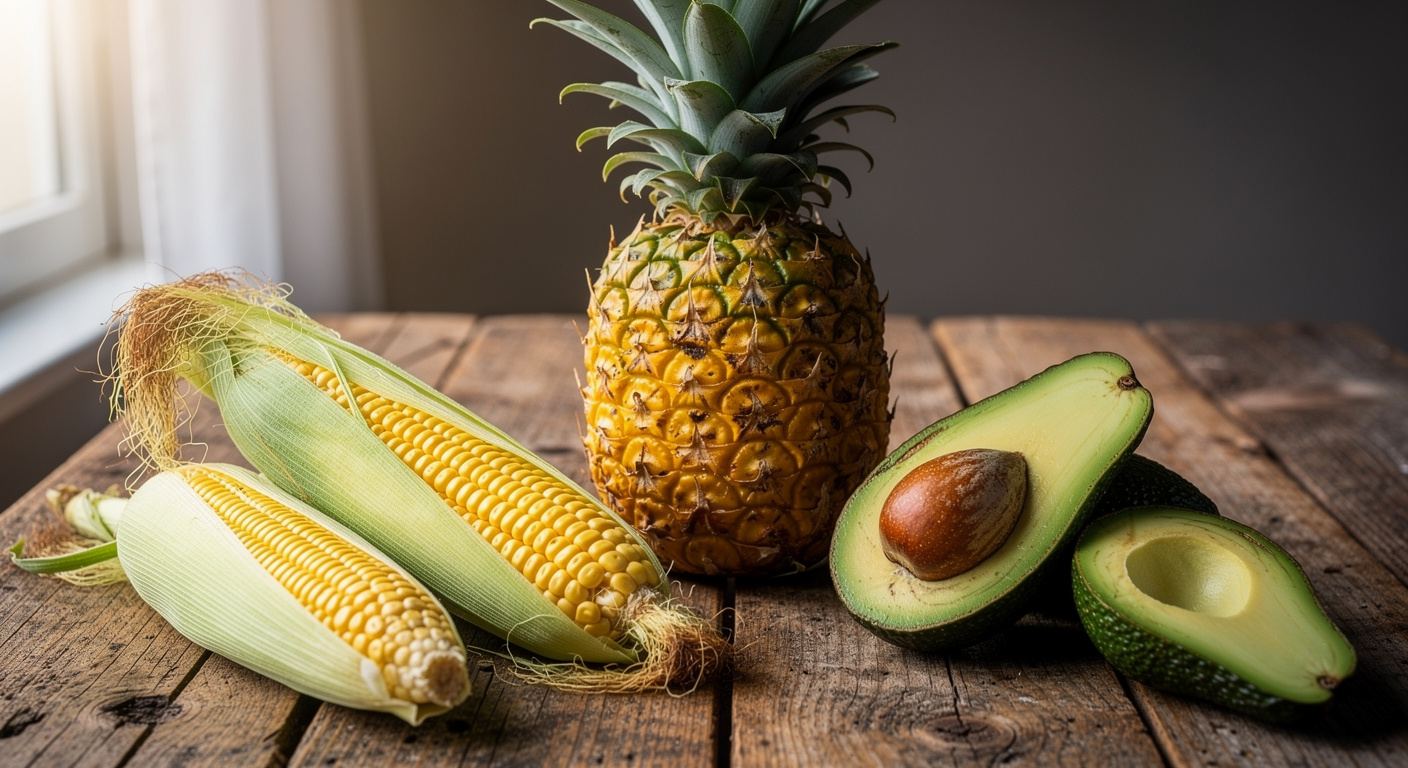
The EWG report offers an alternative to its “Dirty Dozen” list with the “Clean Fifteen” ranking. This list highlights non-organic produce with the lowest levels of pesticide residues. This year’s results show that nearly 60% of samples in this category contained no detectable traces of pesticides. Pineapples, sweet corn, and avocados top this list of the least contaminated foods. They are followed by papayas, onions, frozen peas, asparagus, cabbage, cauliflower, watermelon, mangoes, bananas, carrots, mushrooms, and kiwis.
Varun Subramaniam, a scientific analyst at the EWG, suggests a targeted shopping strategy to reduce pesticide exposure. Choosing more items from the “Clean Fifteen” or buying organic versions of the twelve most contaminated fruits and vegetables is an excellent way to take action. Studies have also shown that eating more organic foods than conventionally grown foods can reduce pesticide levels in humans, he adds. “There are often organic options in the frozen food aisle, too,” the analyst advised. “But if you can’t find organic blackberries, for example, we know that any washing is better than none.”
Washing protocols recommended by authorities
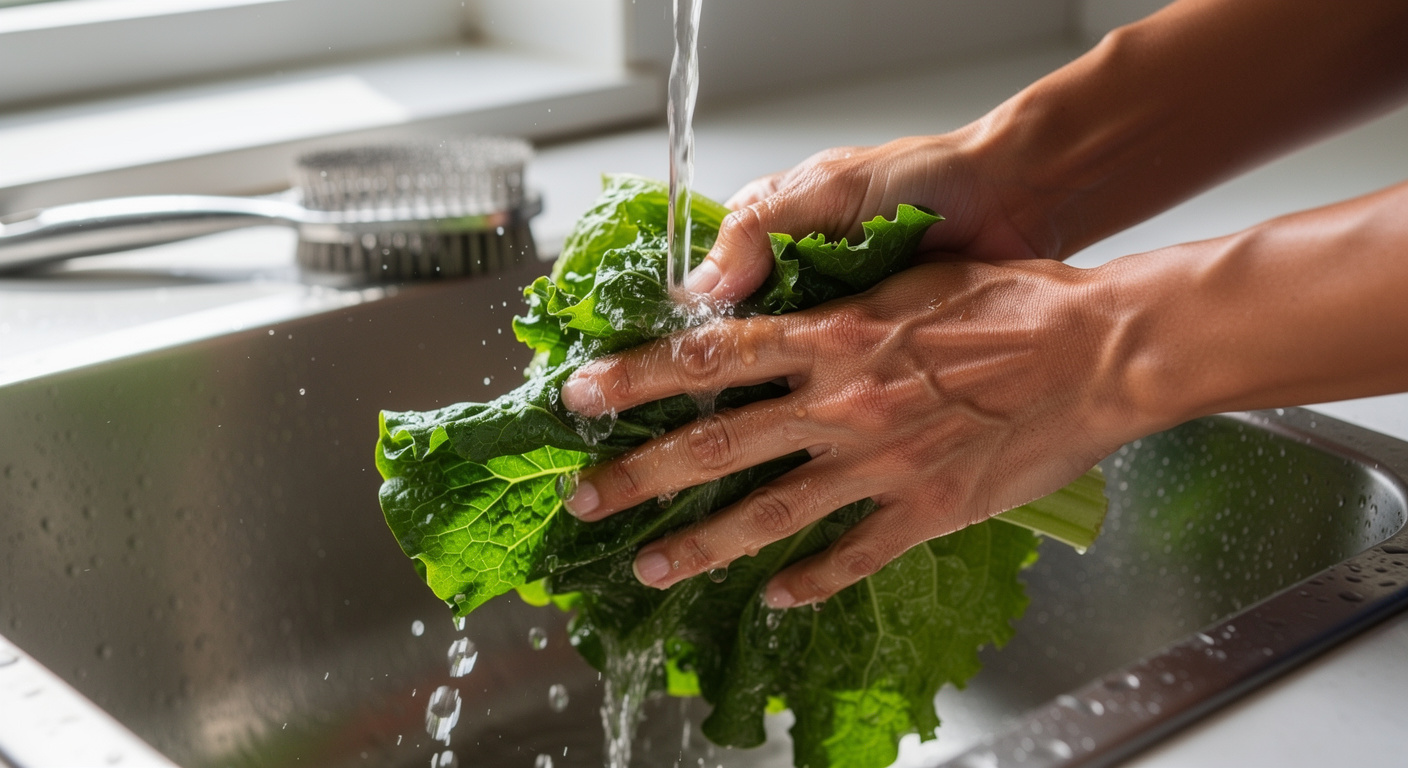
Washing food is an essential step, regardless of the label. The Food and Drug Administration (FDA) requires thorough washing of all fruits and vegetables—even those certified organic—before peeling. This basic precaution prevents dirt and bacteria from transferring from the knife blade to the food. After washing, the health authority recommends drying the produce with a clean cloth or paper towel.
Leafy vegetables, such as cabbage and lettuce, require a careful approach. You should remove the outermost leaves, then rinse each remaining leaf thoroughly. Experts suggest using low-pressure water that is slightly warmer than the produce itself, avoiding strong jets that could bruise the vegetables. Using a colander is recommended to drain the leaves, taking care to wash the colander afterward. Leafy vegetables sold in bags labeled as “triple-washed” are the only exception to this protocol; the FDA specifies that they require no additional cleaning.
Source: edition.cnn.com
Pesticides and Persistent Pollutants: What the 2026 Analyses of Fruits and Vegetables Reveal
