

A global transformation invisible to the naked eye
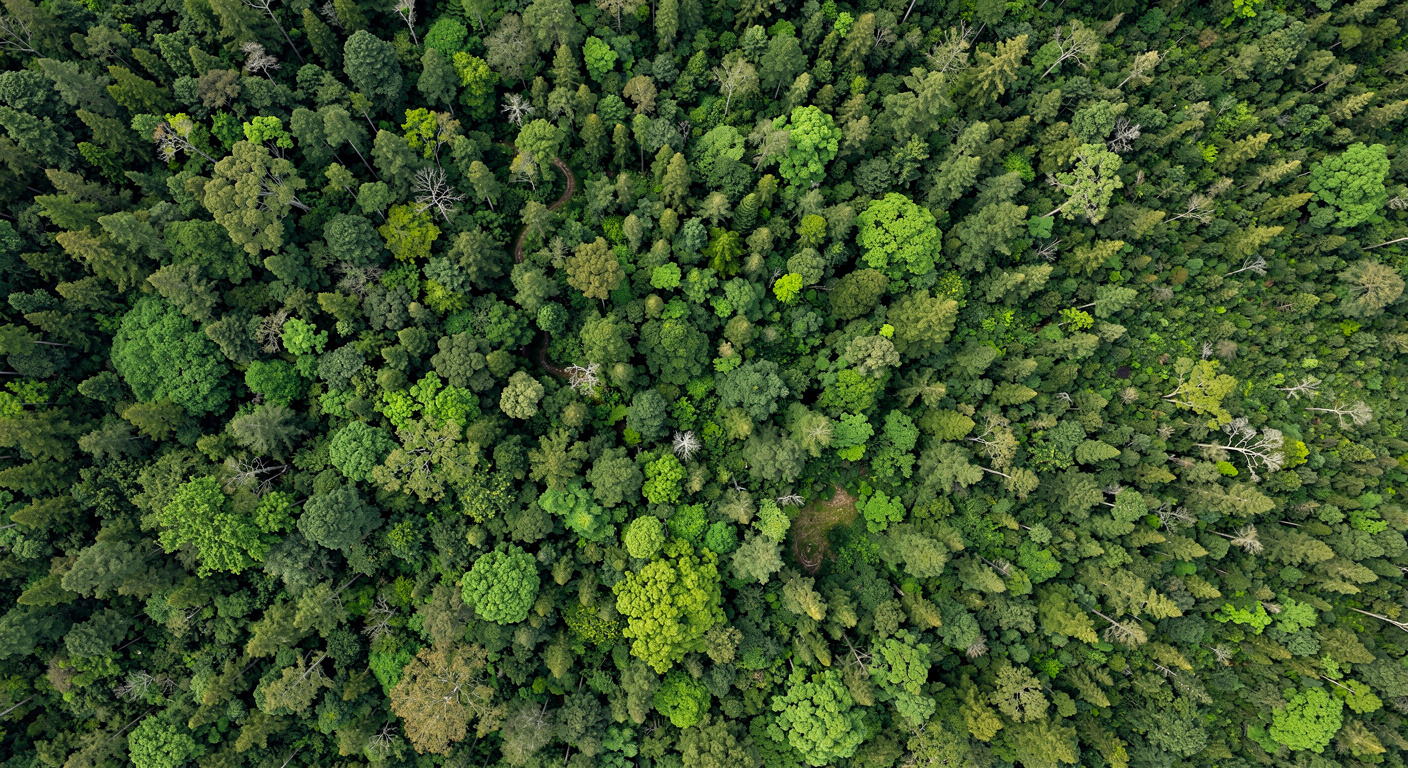
The world’s forests are currently undergoing a radical transformation that is causing concern among the scientific community. All over the world, these ecosystems are being filled with fast-growing trees, while slow-growing, long-lived species are disappearing at an accelerated rate. While replacing century-old trees with fast-growing species benefits the timber industry and allows for rapid visual recovery after fires, this dynamic significantly weakens forests’ resilience to ongoing climate change.
Jens-Christian Svenning, one of the study’s authors, demonstrated that this shift is particularly critical in tropical and subtropical regions. He noted that many trees with a small range are the most likely to disappear as disturbances increase. The risk is systemic: once fast-growing trees dominate a plot, storms, droughts, and pests can wipe out entire sections of that forest in a single event.
The Physical Vulnerability of the New Giants
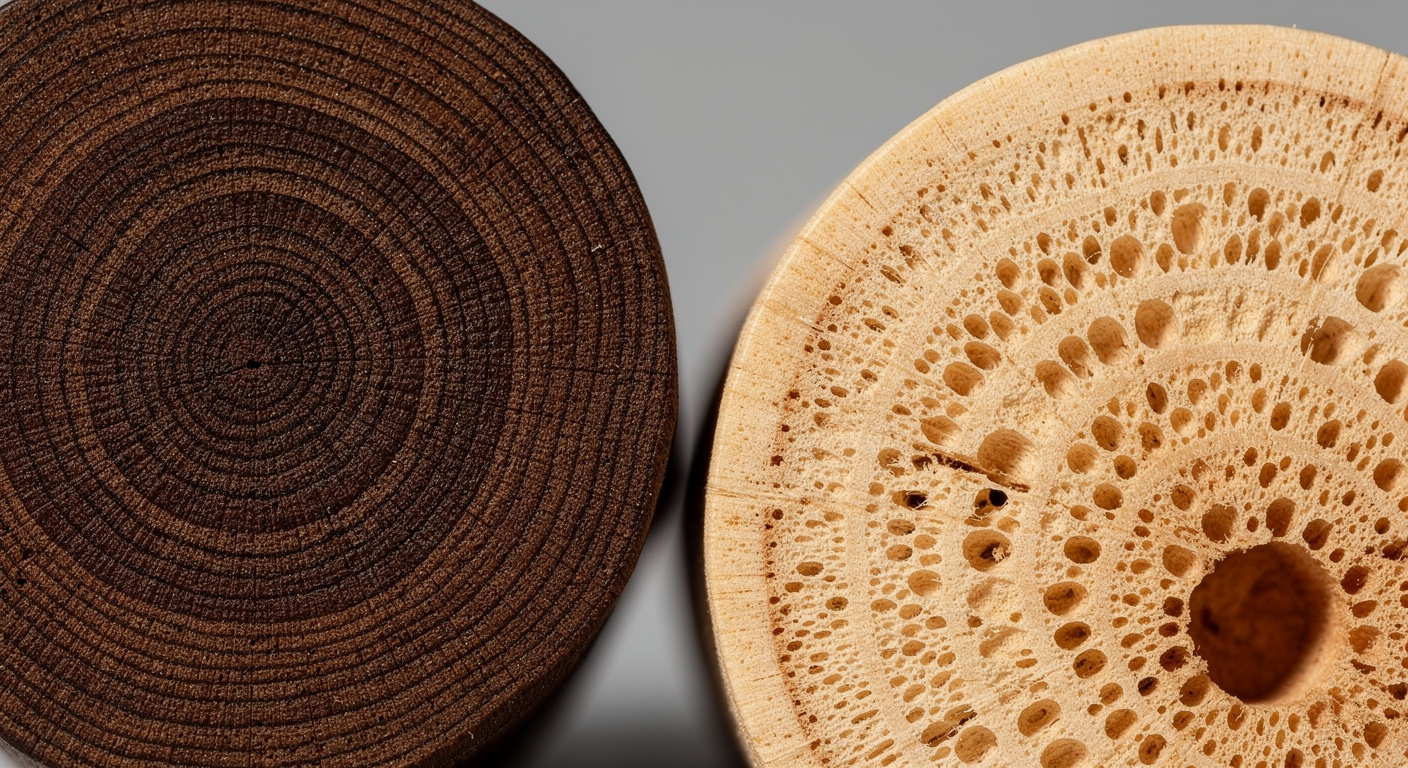
This transition is often accelerated by human activity. Logging, road construction, and more intense wildfires leave open, sun-drenched gaps where fast-growing trees quickly take root. These species are characterized by lighter leaves and softer wood, allowing them to grow rapidly even when heat or drought makes water scarce. However, this low wood density—that is, the weight of the wood relative to its size—makes their trunks easier to break and more prone to drying out.
Over several decades, forest stands filled with light-wood trees may break or dry out more quickly, making episodes of mass mortality more likely during extreme years. In contrast, long-lived trees grow slowly, but their deep roots and sturdy trunks help maintain the forest’s cohesion when weather conditions become harsh. Their denser wood and more resilient leaves help them withstand drought and pests.
A recent report has also linked this resilience to climate protection. Jens-Christian Svenning emphasizes the vital importance of these robust species: “They form the backbone of forest ecosystems and contribute to stability, carbon storage, and resilience to change.” The loss of these stable species leaves more open space for short-lived trees, and the forest can then experience more severe fluctuations with each new disturbance.
The Silent Invasion of Introduced Species
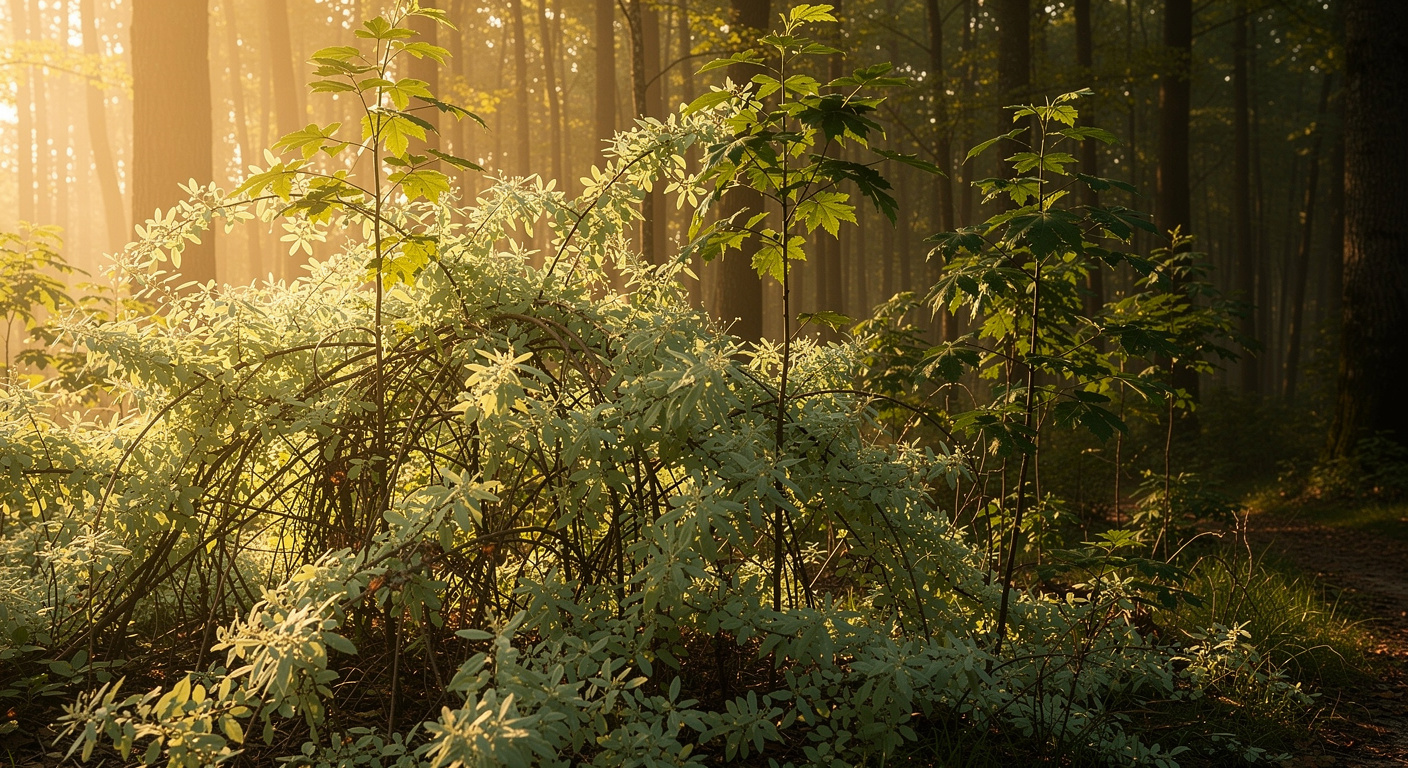
This phenomenon is amplified by human activity. Through ports, nurseries, and plantations, humans have moved trees far beyond their native ranges, and some are now spreading on their own. Nearly 41% of naturalized tree species—that is, those capable of reproducing in the wild outside their native range—are characterized by rapid growth and small leaves. As storms, logging, and heat increasingly disrupt forests, these “outsiders” can outcompete native seedlings for light, water, and nutrients.
This pressure can push rare local trees closer to extinction, even when the newcomers appear healthy and are growing rapidly. In tropical forests, where many tree species are concentrated in small areas, the loss of just a few species can rapidly thin out entire food webs. Many threatened trees there are endemic—found only in a single region—and depend on stable temperatures and humidity. Conservation groups use the IUCN Red List to classify the extinction risk for many of these species. Once logging or a heat wave pushes conditions outside this narrow comfort zone, a local population may disappear permanently.
Carbon and wildlife: the collateral victims
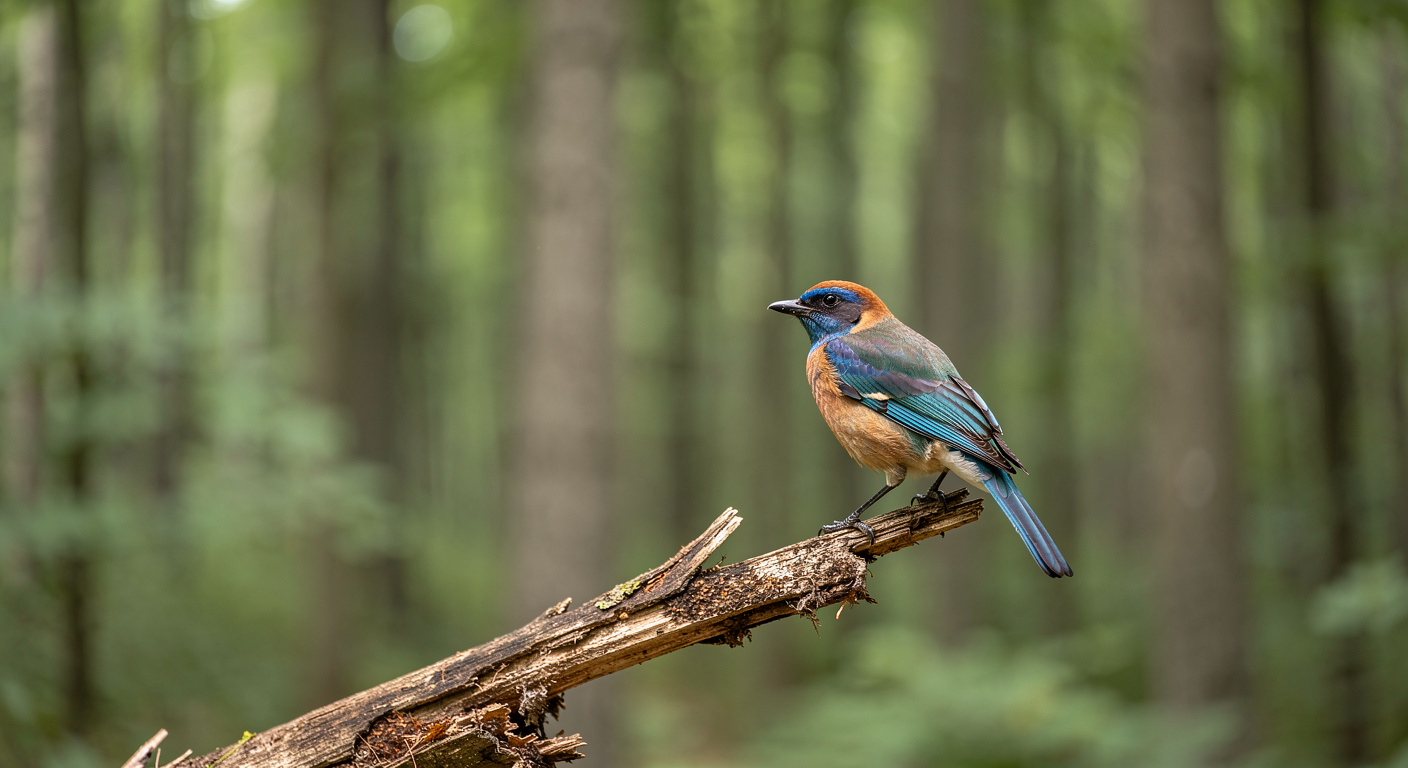
This dynamic has direct consequences for the environmental effectiveness of forest stands. As Jens-Christian Svenning explains: “This makes forests less stable and less effective at storing carbon over the long term.” Beyond the climate, wildlife depends on specific trees for food and shelter; the removal of a single species can therefore have a ripple effect throughout the entire forest community.
Planting for the Future: Toward a New Approach to Management
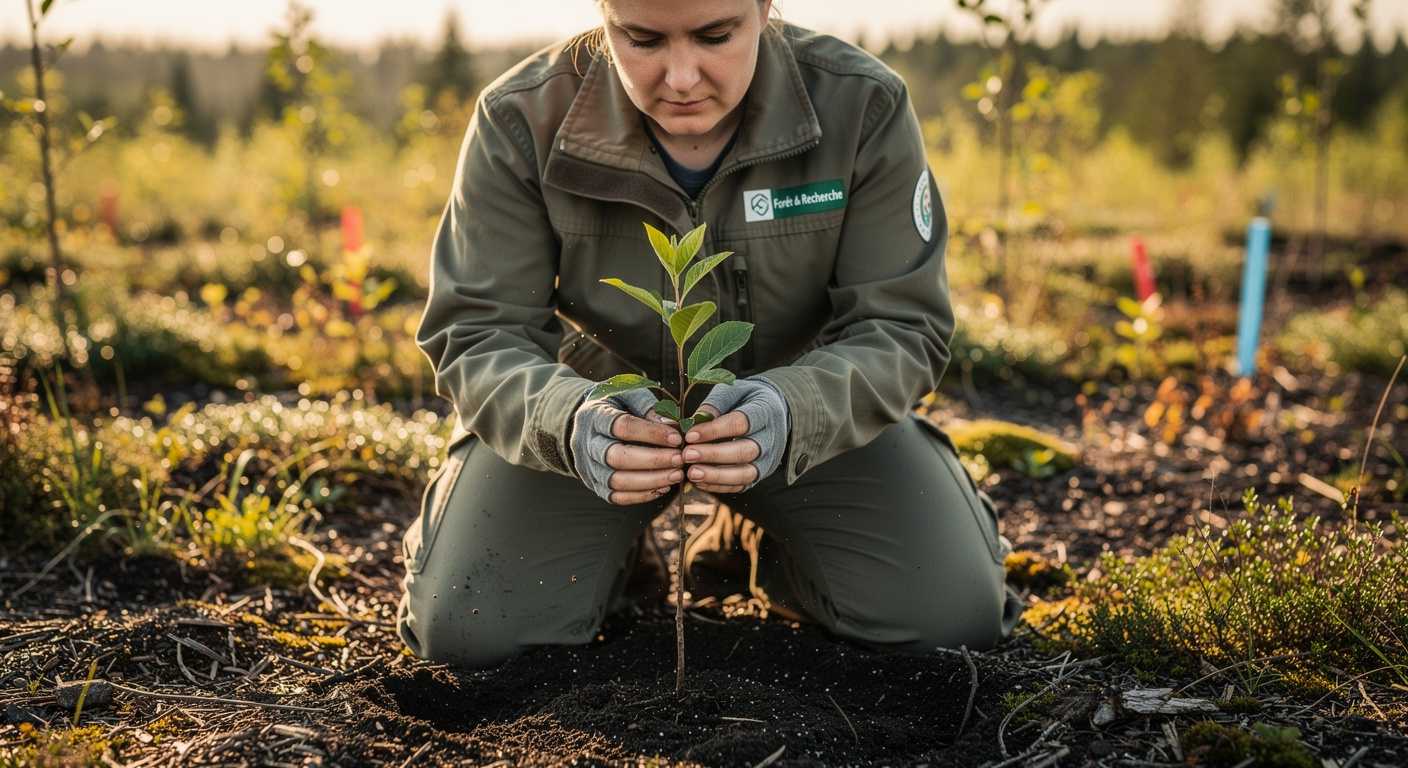
Source: earth.com
Created by humans, assisted by AI.
Science Alert: Why Our Forests Are Growing Faster but Becoming More Fragile


