

The Nighttime Rinse Cycle

When you sleep, your brain activates a true flushing cycle. Cerebrospinal fluid (CSF) pulses in and out of the base of the brain in successive waves, flushing out metabolic waste that accumulates while you’re awake. This nightly cleansing protects neurons, which is one of the main reasons why deep, regular sleep is vital.
A new study led by Dr. Laura Lewis at MIT suggests what happens when you skip this rest period. The brain may try to catch up on its cleaning during the day. However, there’s a catch: these surges of fluid seem to coincide with brief moments of inattention and loss of concentration.
The Intrusion of Cleansing Waves During Wakefulness

Laura Lewis and her colleagues wondered whether the momentary lapses in attention that follow a sleepless night might be a sign that the brain is enforcing maintenance cycles. If cerebrospinal fluid waves cannot circulate at night, the system may slip them in during waking hours—but this comes at a cost.
The study’s co-author and a member of MIT’s Institute for Medical Engineering and Science explains this phenomenon in detail: “If you don’t sleep, CSF waves begin to intrude into the waking state, where you wouldn’t normally see them.” She adds a crucial detail regarding the impact on alertness: “However, they come with an attentional trade-off, where attention falters during the moments when you experience this wave of fluid flow.”
The Experiment: Testing Sleep-Deprived Brains
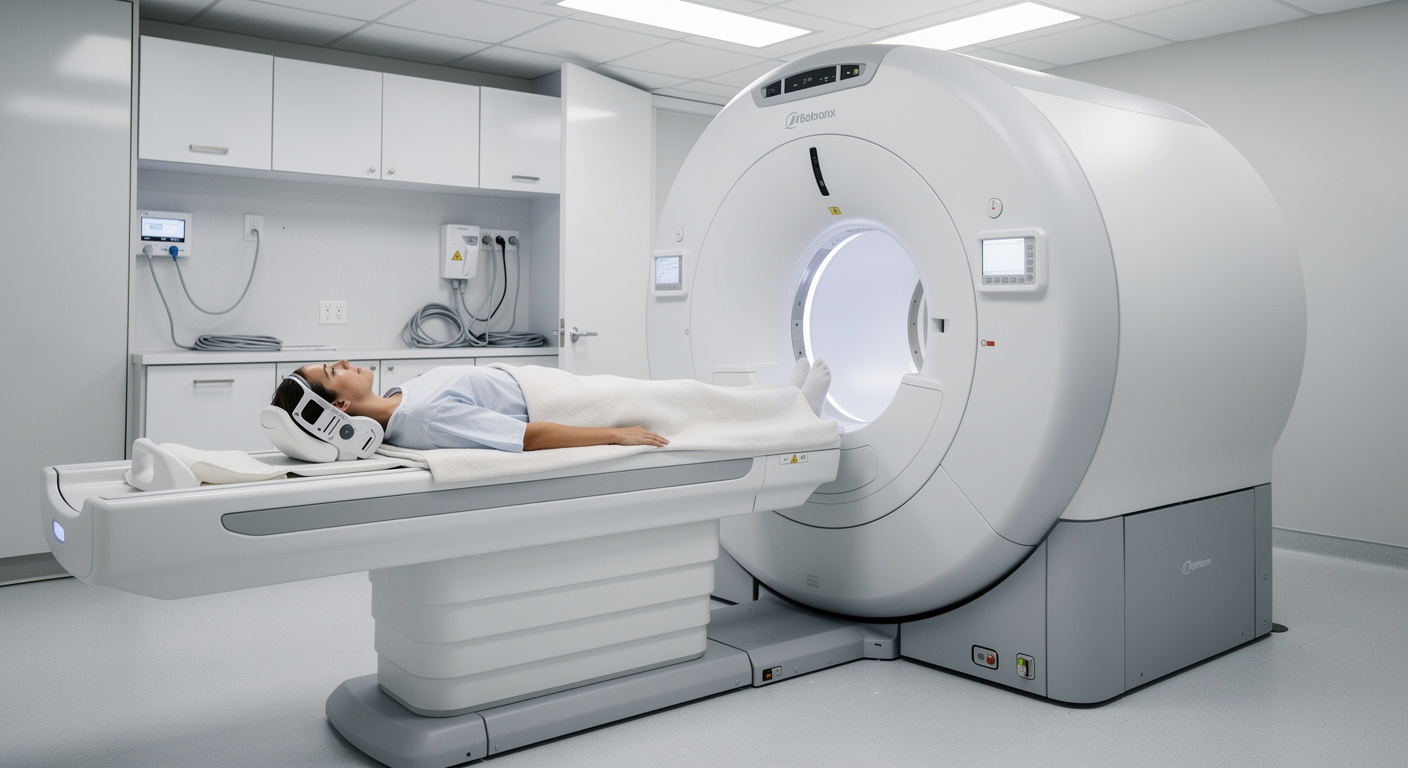
When concentration wanes, fluid flows

Then, about a second after attention returned, the CSF would flow in again. The sequence played out like a mini-flushing cycle: lose focus, drain, refocus, refill. These flows were not random background noise but were coordinated with neural activity. In the sleep-deprived condition, when the previous night’s flushing was missing, these daytime waves were more pronounced around missed targets.
A Unified Physiological Link
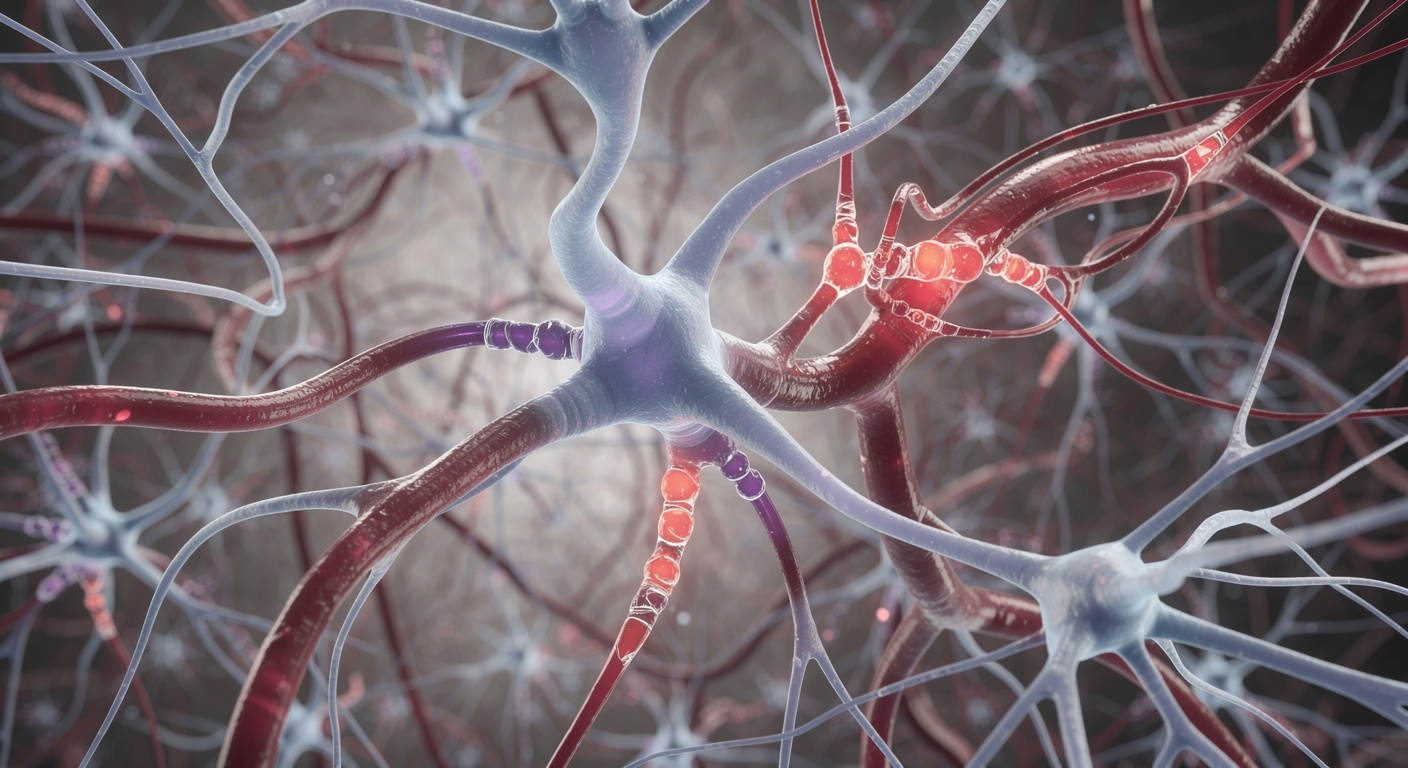
These results strengthen the link between sleep, cerebrospinal fluid dynamics, and performance while awake. They suggest that part of the attentional penalty caused by sleep deprivation could result from the brain prioritizing cleanup over constant vigilance—at least for a heartbeat. The brain begins to let these waves slip through during the day, resulting in a brief loss of attention.
Laura Lewis expands on this idea of a connection between the systems: “These results suggest to us that there is a unified circuit that governs both what we consider to be very high-level brain functions—our attention, our ability to perceive and respond to the world—and also truly basic physiological processes such as brain fluid dynamics, brain-wide blood flow, and blood vessel constriction.”
Unresolved Questions and Future Prospects

Scientists do not yet know the exact circuits that trigger this switch. They also do not know which networks determine the timing, whether specific brain regions “request” a flush, or how long the downstream benefits last. Furthermore, scans cannot prove that CSF waves cause the slip—only that they are closely coupled in time. However, the correlation between missed keystrokes and fluid movement is hard to ignore. This reframes these tiny moments of “micro-disconnection” after a bad night’s sleep as maintenance windows, rather than just mental drift.
Lewis’s team hopes to identify the control levers. Do the same slow neural rhythms that appear during deep sleep resurface during waking lapses? Can we safely modulate them to reduce the cost of attention when sleep isn’t possible, such as during shift work or acute care? And how do individual differences—age, sleep quality, vascular health—affect the timing of this “brain cleanup”? Answering these questions could lead to gentler countermeasures, such as inducing specific brain states with sound or light.
Practical Tips for Managing Brain Cleansing

The most obvious solution is boring but powerful: protect your sleep. If your brain can complete its nightly cleanup, it’s less likely to impose ad hoc daytime cycles that undermine concentration. If you must go without sleep, structure your work into sprints with frequent breaks. Short, low-stakes tasks are less vulnerable to brief lapses than long, high-stakes tasks. External cues, such as timers, checklists, or peer reviews, can fill in the gaps when your attention wanders.
Hydration, exposure to light, movement, and strategic caffeine use can boost alertness, but they are no substitute for a good night’s sleep. Naps can help, especially if they include deep sleep, which is rich in slow waves that drive CSF pulses at night. For now, the message from the study published in the journal Nature Neuroscience is simple and a bit humbling: your brain has some cleaning to do. If you don’t give it the chance at night, it might take the opportunity right now, just when you’re trying to pay attention.
Source: earth.com
Created by humans, assisted by AI.
Brain Fog: When Your Brain Sacrifices Your Attention to Clean Itself


