

The Resurgence of the Disease in the Estri Region

After more than fifteen years of absence from the region, raccoon rabies has officially returned to the Estrie region. With summer just around the corner, the public health department of Santé Québec Estrie has issued a formal warning urging the entire local population to exercise extra caution during outdoor activities.
This health alert comes amid a steady increase in field reports. Since the beginning of 2024, rabies cases have begun to multiply in several neighboring areas. The phenomenon was first documented in the Lake Champlain region and in Montérégie, before gradually spreading to the area around Lake Memphremagog. Recently, a clinical case was formally identified and confirmed in the municipality of Magog.
Risk Assessment by Medical Authorities

Despite confirmation of the incident involving an infected animal in Magog, health authorities are taking an approach focused on public awareness. Dr. Isabelle Samson, who serves as Director of Public Health for the Estrie region, has spoken publicly to clarify the level of risk and guide the public’s response to this public health situation.
The central objective of this official communication remains to ensure residents are adequately prepared for potential encounters with wildlife carrying the virus. “We’re not in panic mode yet; this is really just about giving the public the tools they need. We want people to protect themselves,” Dr. Isabelle Samson stated clearly during her address.
Recommended Prevention Protocols
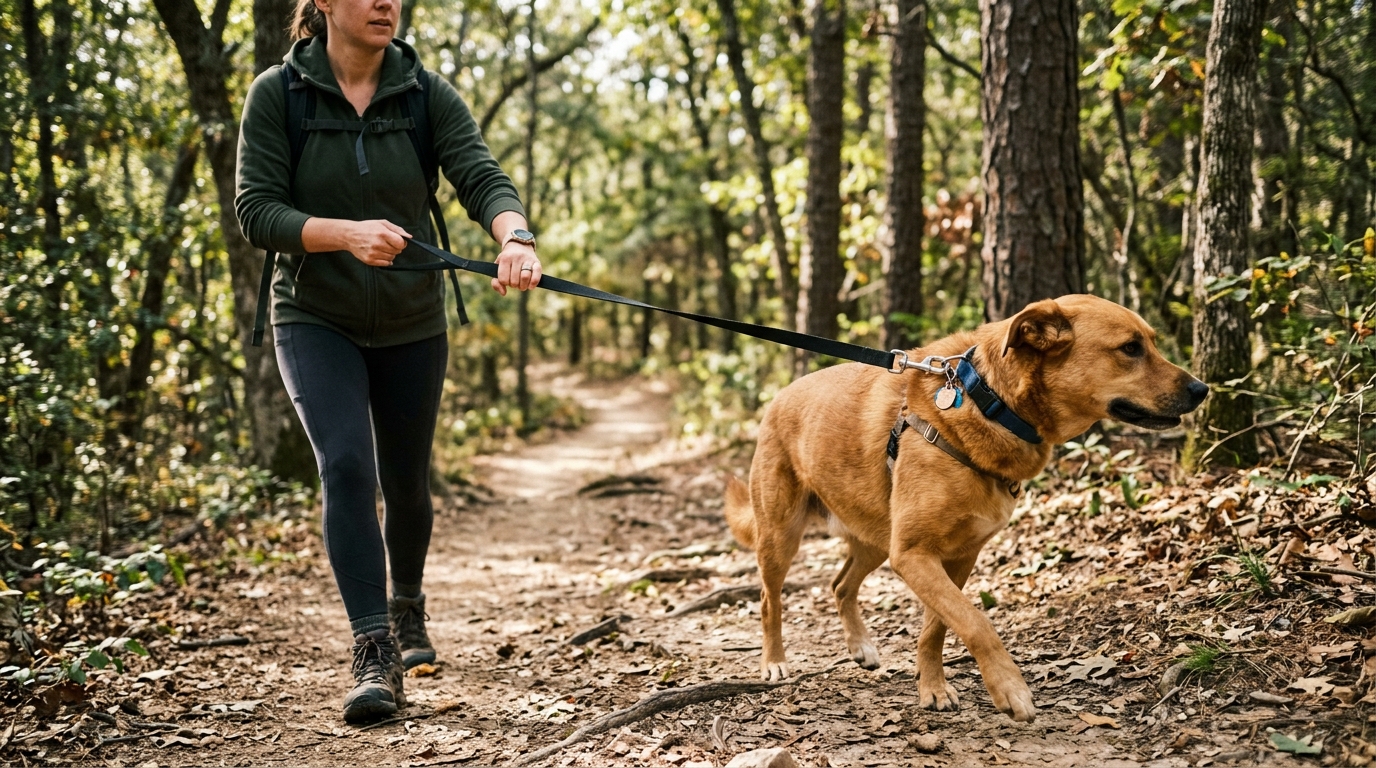
Transmission Routes and Guidelines in Case of Exposure
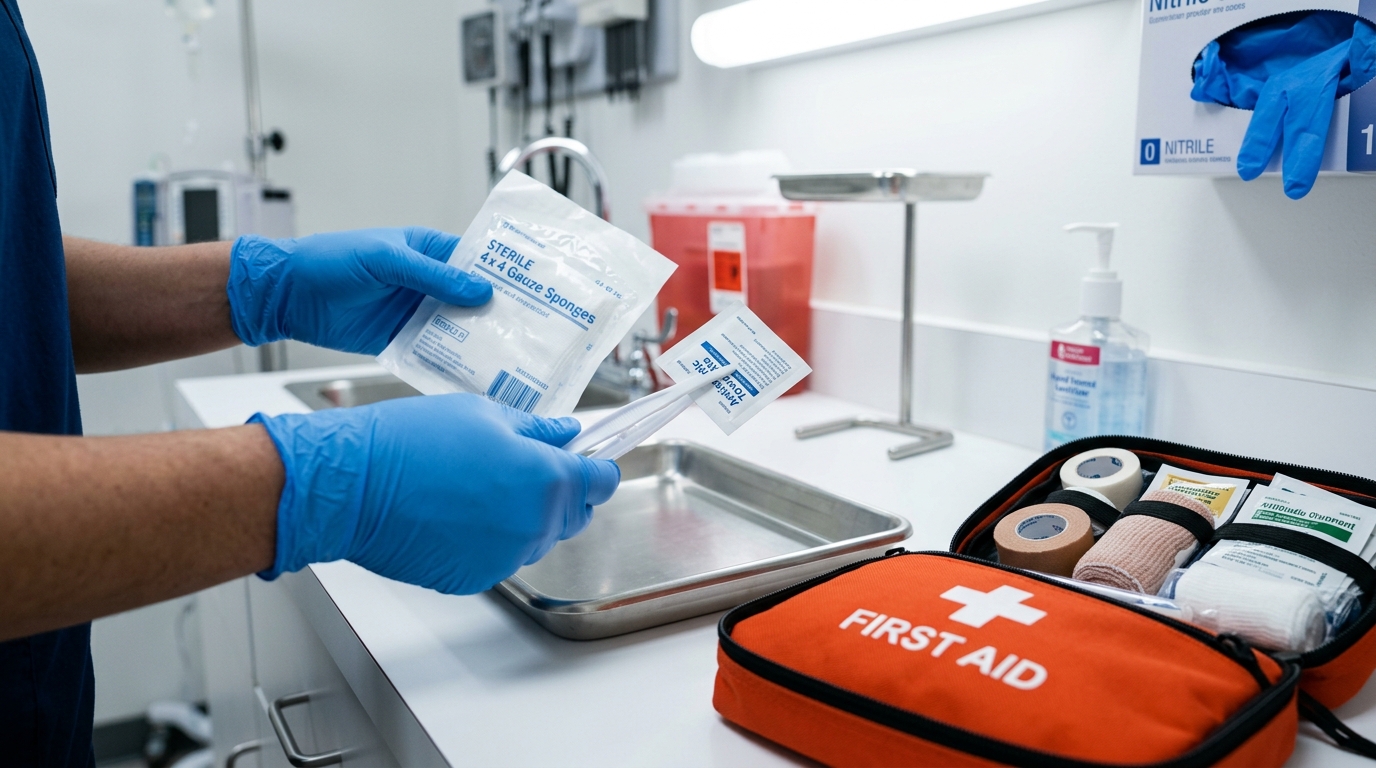
This viral infection spreads primarily through the exchange of saliva or direct physical contact with an infected animal. This mode of transmission carries multiple risks that are by no means limited to direct attacks. “It doesn’t necessarily take a direct bite. Sometimes, animals lick each other’s fur or other parts of their bodies. So you have to be very careful with direct contact,” explains Ms. Samson, highlighting the subtle nature of the infection.
When a person is bitten or scratched by a wild animal, a specific emergency protocol must be followed immediately. Those exposed should clean the wound under running water for a minimum of 15 uninterrupted minutes. They must then contact the Info-Santé hotline by dialing 811. This rapid medical report allows for an assessment of the situation and, if necessary, the prescription of preventive treatments aimed at blocking the disease’s progression in the body.
Clinical Identification of Symptoms
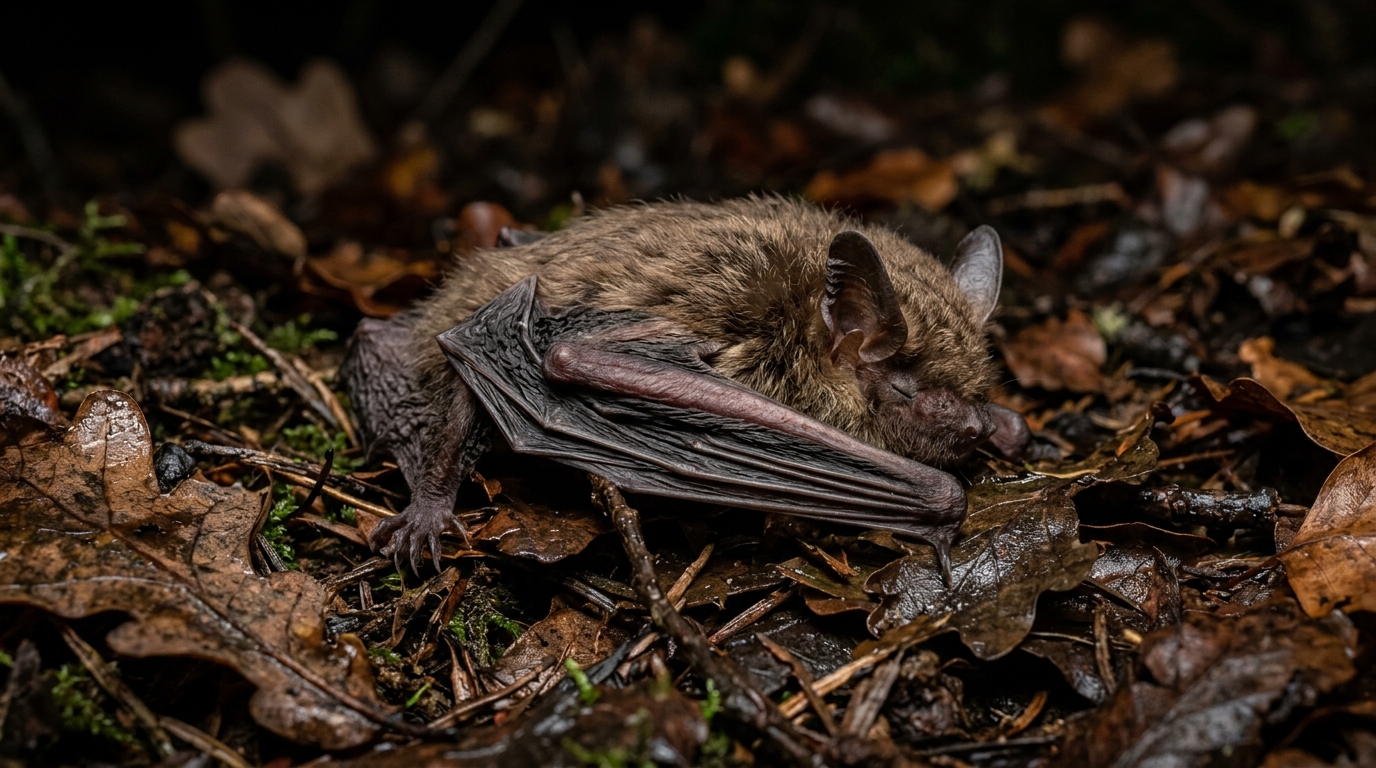
The rabies virus virulently targets the central nervous system of its hosts. In wildlife, the viral infection manifests as a radical behavioral change that can take two distinct courses. The most clinically documented manifestation remains the so-called “furious” form of rabies, characterized by extreme aggression in which the animal loses all natural fear and actively drives humans away.
However, the virus sometimes triggers a clinically diametrically opposed but equally revealing reaction. An animal that is usually fearful or aggressive may undergo a major behavioral change, suddenly becoming abnormally calm, approachable, or even directly drawn to human presence. “For example, a bat that isn’t flying—you shouldn’t approach it. That’s not normal,” says Isabelle Samson, illustrating these behavioral anomalies.
As for human infection, the progression of the disease is marked by the gradual and inevitable onset of neurological symptoms, among which a fear of water stands out as one of the most characteristic and well-known manifestations. If no post-exposure medical treatment is administered before the actual onset of these first clinical symptoms, the disease progresses irreversibly and ultimately leads to the patient’s death.
Source: sherbrooke.info
The Return of Raccoon Rabies in the Estrie Region: Public Health Issues a Warning
This content was created with the help of AI.


