Skip to content

Introduction and Background of the "Zero Sugar" Trend

Reducing sugar intake is commonly presented as an effective preventive measure against metabolic conditions such as diabetes and obesity. Contemporary nutritional discourse emphasizes the elimination of added sugars, which has led to popular challenges promoting “zero sugar,” the circulation of lists of strictly prohibited foods, and a proliferation of articles touting rapid weight loss. This push sometimes leads individuals to completely eliminate sugar from their daily diets.

Historically, recommendations to cut out sugar have focused primarily on diets high in fat or composed of ultra-processed foods. However, the scientific literature has paid little attention to the effects of strict sugar deprivation when it is part of a diet that is already low in fat. This extreme restriction now raises new questions about its unexpected repercussions on overall metabolism and gut health.

Results of the 2026 animal study

A scientific study published in 2026 in the journal Frontiers in Immunology explored the direct consequences of this total elimination. The researchers conducted their experiment on mice, subjecting them to a diet specifically formulated to be both low in fat and completely free of added sugar. The experimental protocol involved observing cohorts consisting of six mice per test group.

Initial physical observations revealed no notable changes in body weight among the study subjects. However, in-depth analyses revealed significant metabolic alterations. The mice exhibited a reduced ability to clear blood glucose, associated with hormonal disturbances localized in the intestine. The study’s authors emphasize that the animal nature of this research and the small sample size call for a cautious interpretation of these preliminary results.

Inflammatory Mechanisms and Intestinal Permeability

A slimmer figure and stable weight may give the illusion of a direct benefit from strictly following a very low-sugar diet. Nevertheless, the study indicates that animals deprived of this nutrient developed complex metabolic alterations. These dysfunctions were closely linked to the onset of intestinal inflammation, demonstrating that apparent thinness does not guarantee the absence of internal physiological disorders.

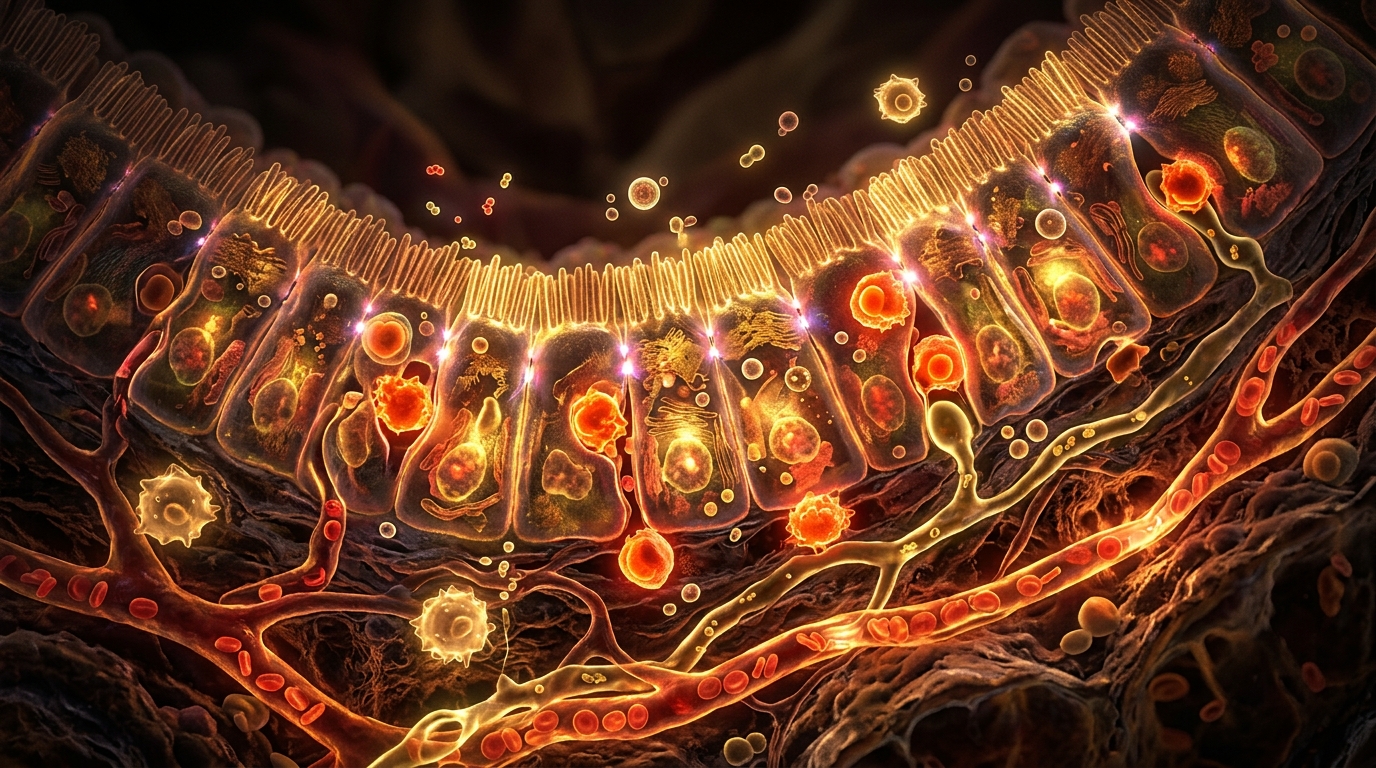
This phenomenon can be explained by a cascade effect on the gut microbiota. The prolonged absence of simple sugars deprives certain beneficial bacteria of their primary source of nutrition, which indirectly promotes the growth of harmful microbes within the ecosystem. This harmful dynamic contributes to weakening the intestinal wall, leading to increased permeability. This loss of tissue integrity is then accompanied by an immune response which, although sometimes completely asymptomatic, disrupts metabolism.

The Structural Role of Natural Sugars in the Body

Beyond its role as an energy source, the natural sugar found in whole foods such as fruits, vegetables, and grains plays a fundamental structural role. It acts as an essential nutrient for the microorganisms that protect the intestinal tract. By feeding on these sugars, these beneficial bacteria stimulate the production of substances crucial for maintaining and regenerating the digestive mucosa.

These same bacterial populations actively participate in major physiological mechanisms, ranging from optimizing nutrient absorption to regulating the hormones that control hunger and blood sugar levels. Complete deprivation of this nutrient substrate leads to a profound imbalance in the gut ecosystem. In the long term, such a disruption exposes the body to various digestive disorders and increases overall metabolic risk, regardless of the individual’s body weight.

The Importance of Dietary Diversity and Research Prospects

The findings of this research call for a reevaluation of the notion that completely cutting out sugar is a foolproof way to maintain health while promoting weight loss. Scientists emphasize the importance of dietary diversity based on choosing minimally processed foods. An overly restrictive diet proves particularly harmful to the health of the microbiome if it is accompanied by a deficiency in fiber and fermented foods.

To counteract the effects of a period of deficiency and restore a healthy microbiome, it is recommended to gradually reintroduce fruits, vegetables, grains, and fermented foods. Moderating fat and sugar intake—without aiming for complete elimination—appears to be the most protective approach for daily metabolic balance. Although these findings highlight the importance of such moderation, future research conducted directly on humans remains essential to definitively validate all of these biological mechanisms.

Source: passeportsante.net

Nutrition: The Unexpected Impact of Diets Without Added Sugar on the Microbiome and Metabolism

This content was created with the help of AI.

facebook icon twitter icon linkedin icon
Copied!

Commentaires

0 0 votes
Article Rating
Subscribe
Notify of
guest
0 Comments
Newest
Oldest Most Voted
Inline Feedbacks
View all comments
More Content