

Why Science and Fiction Are One and the Same: A Must-See Event in the Hauts-de-Seine Department


A Double Celebration for the Mind
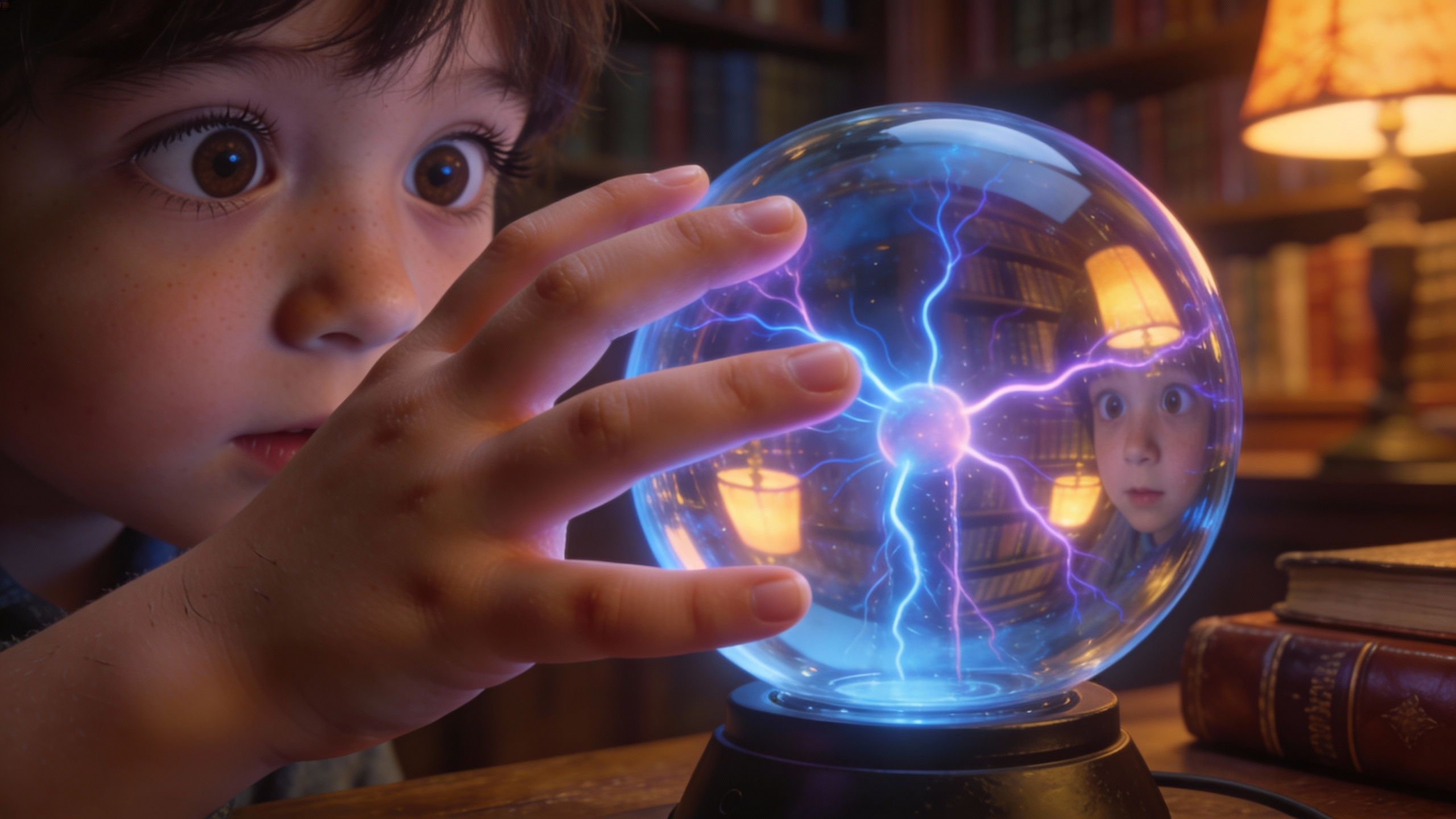
We often have this idealized image of science: cold, distant, locked away behind the heavy doors of an inaccessible laboratory. Yet it’s quite the opposite. It’s vibrant, surprising, and—let’s face it—deeply human. That’s exactly what the event “La Science se livre” reminds us of, as it returns for two weeks of intellectual excitement from February 7 to 21. And this year is unlike any other.
Why? Because we’re celebrating a rather exceptional double anniversary. Just imagine: this is already the 30th edition of this event organized by the Hauts-de-Seine Department, and at the same time, the “La Science se livre” Literary Prize is celebrating its 25th anniversary. This year’s overarching theme? “Science and Imagination(s).” A theme that promises to spark some exciting ideas, because the goal has remained the same for three decades: to bring knowledge out of the labs and plant it where curiosity thrives best—that is, at the heart of our cities and our daily interactions.
A free playground in 26 municipalities
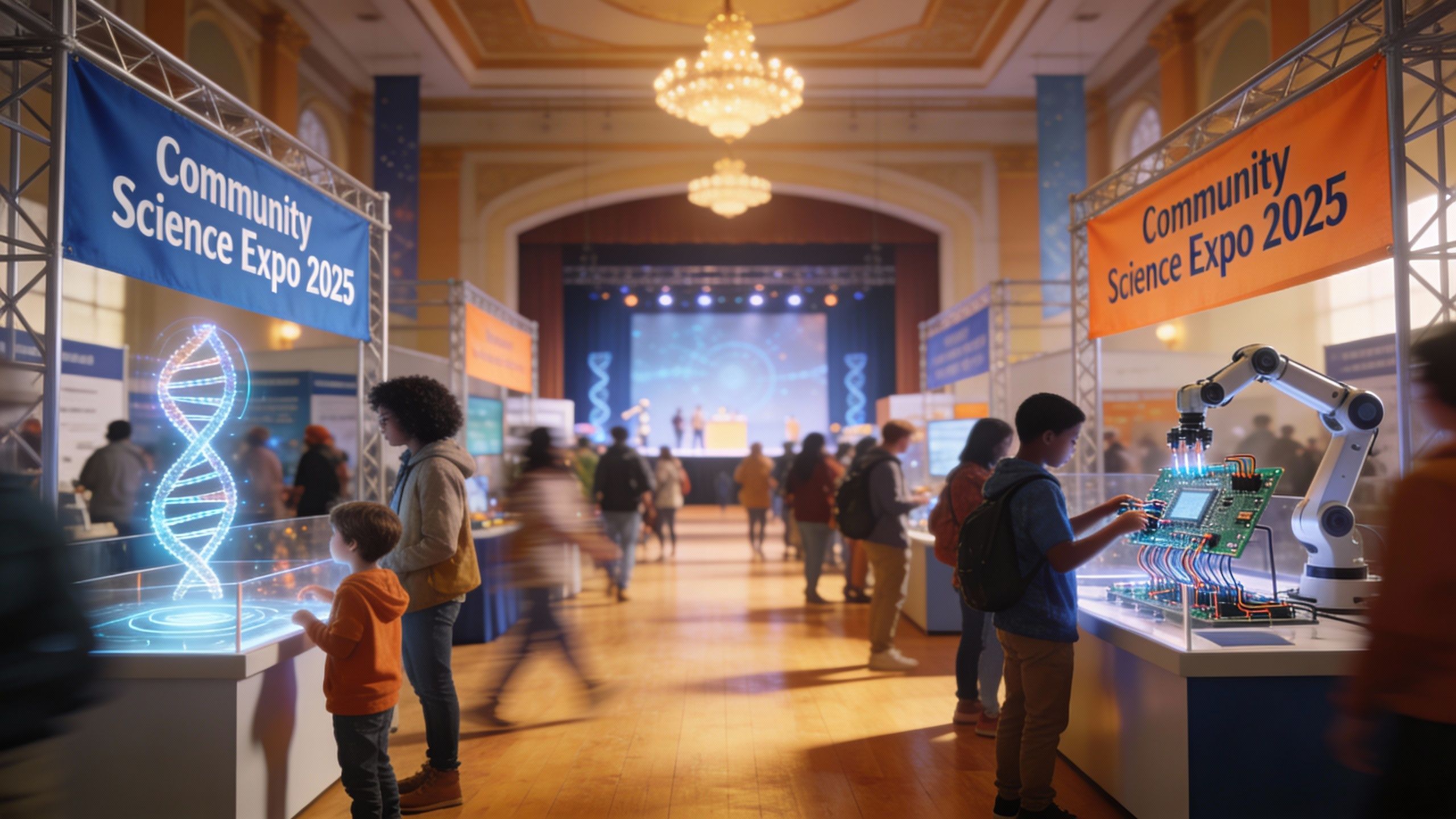
So, in practical terms, what can we expect? Don’t worry—you don’t need a science degree or to be an expert in quantum physics. The event is designed as a huge, free celebration of curiosity taking place in no fewer than 26 towns in the Hauts-de-Seine department. It’s massive. We’re talking about nearly 150 completely free activities. Whether you’re a family looking for a fun and educational outing on a Wednesday afternoon, an enthusiast, or just a curious passerby, the doors are wide open.
The idea is to “discover science in a different way.” Forget about sleep-inducing lectures; here, it’s all about interaction, hands-on activities, and experimentation. Workshops, exhibits, shows… everything is designed to get your brain working in a fun atmosphere. This year, the dialogue between science and imagination is at the heart of it all. We’ll be asking some fascinating questions: How has science fiction inspired real researchers? What role do myths or futuristic stories play in our understanding of AI or space?
This theme, in fact, fits perfectly with the current citizen participation initiative “Dreaming of the Hauts-de-Seine in 2050.” We invite everyone—especially young people—to imagine the future and share their dreams on the dedicated platform.
Community gatherings and a literary contest
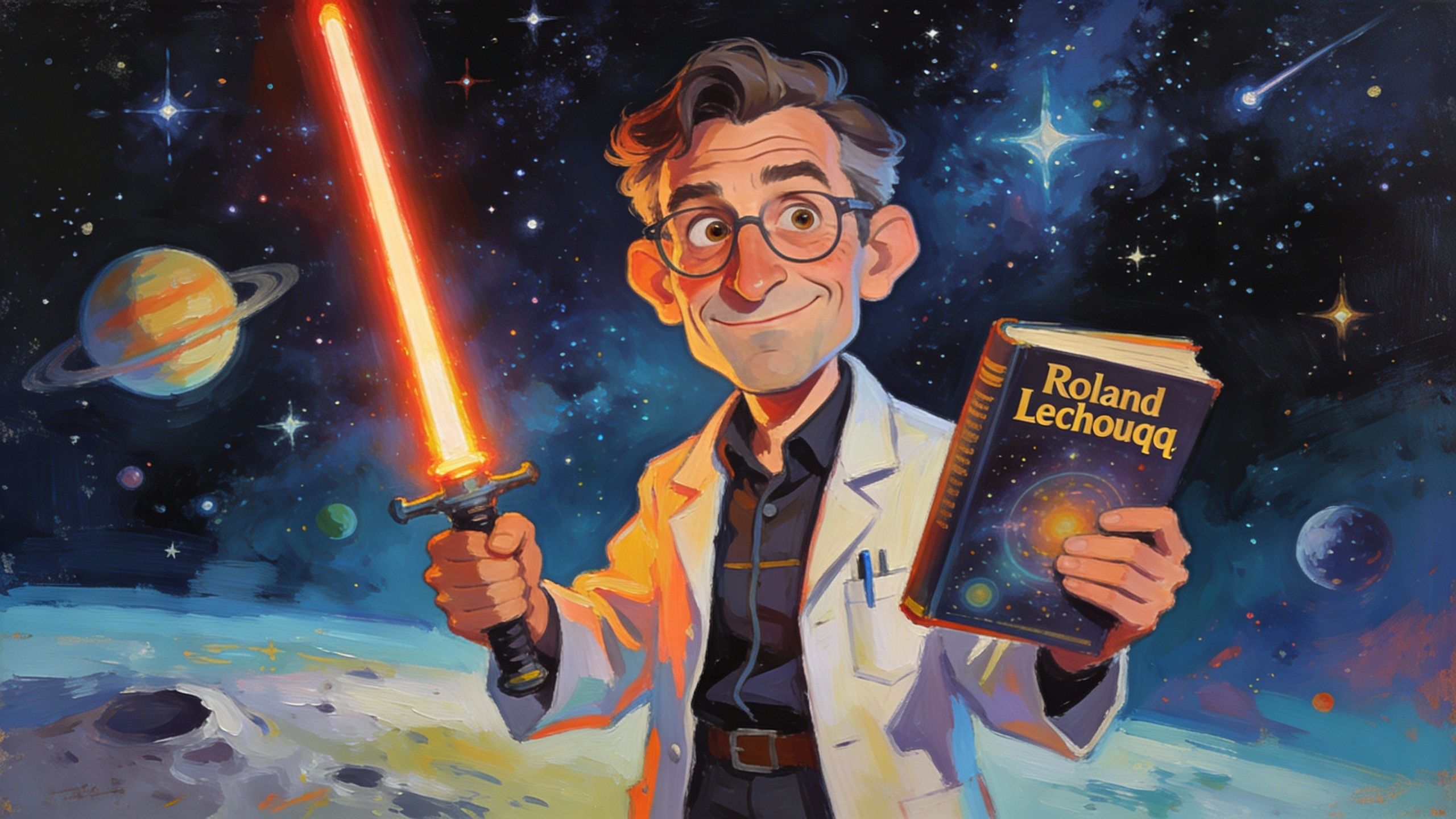
What makes this event so special is, above all, the people. Science is a human adventure, filled with doubts and passions, and this year’s program embodies that perfectly. You’ll have the chance to meet fascinating figures like Momoko Seto, a filmmaker and researcher at the CNRS, or attend debates on artificial intelligence. And for fans of stars (and lightsabers), don’t miss the discussion with astrophysicist Roland Lehoucq, a leading expert on the connection between science and science fiction.
On the literary front, the Literary Prize (which was launched in 2001—that makes us feel our age) continues to recognize the best popular science books for the general public and young readers. The idea is simple: to foster a love of reading about science, starting in middle school, in the hope of inspiring future careers. Three books are in the running for the 2026 edition, and the titles already sound promising:
- “In Darwin’s Slippers” by Camille Van Belle and Adrien Miqueu (Éditions Alisio);
- The intriguing Why Don’t Bananas Have Seeds? by Benjamin Nowak (Éditions Dunod);
- And the must-read “Everything (or Almost Everything) You Need to Know About Artificial Intelligence” by Olivier Cappé and Claire Marc (Éditions CNRS).
A quick tip for those who’d like to have their say: you can become one of the two hundred jury members. Simply register by March 1, 2026, using the form on the Department’s website (hauts-de-seine.fr).
Conclusion: An Invitation to Adventure
At its core, “La Science se livre” is much more than just a series of local events. It’s a necessary reminder that science isn’t an abstract concept, but a key to understanding the world—and, above all, to imagining it. Whether you’re there to listen to a researcher talk about their failures and successes, or to finally understand why our bananas have no seeds, the important thing is to participate. So, take advantage of these two weeks to let your curiosity take the wheel.
Why Science and Fiction Are One and the Same: A Must-See Event in the Hauts-de-Seine Department
This content was created with the help of AI.
